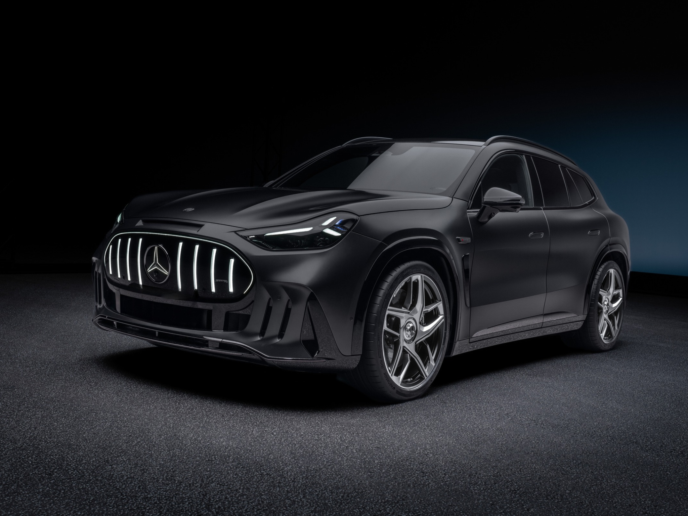
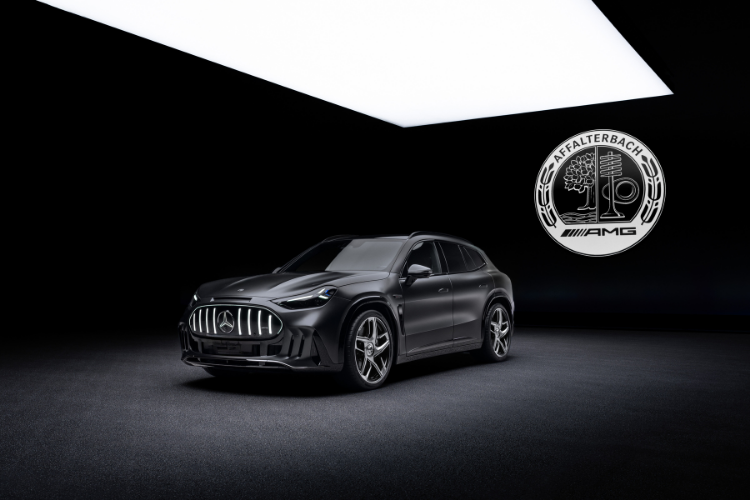
Mercedes-AMG is expanding its performance-focused electric vehicle range with the new 2028 GT SUV, a high-performance model that combines supercar-level acceleration with the practicality of a larger family vehicle. Developed in-house by AMG, it will be offered in three versions, with the flagship GT63 delivering a claimed 1,153bhp.
The new SUV is the second model to use Mercedes-AMG’s dedicated AMG.EA electric vehicle architecture, following the forthcoming GT four-door saloon. While the two vehicles share key powertrain technology, the SUV introduces a larger battery in its more powerful variants, revised suspension technology and additional passenger space. For an explanation of the different powertrain types, read our guide to BEVs, PHEVs, HEVs and internal combustion engines.
The range will comprise the entry-level GT53, the more powerful GT55 and the range-topping GT63. Each takes a different approach to electric performance, giving buyers a choice between outright power and a potentially more accessible entry point into AMG’s next generation of electric vehicles.
The SUV builds on the high-performance approach of the Mercedes-AMG GT 4-Door Coupé, adapting that formula to a larger body with more passenger space
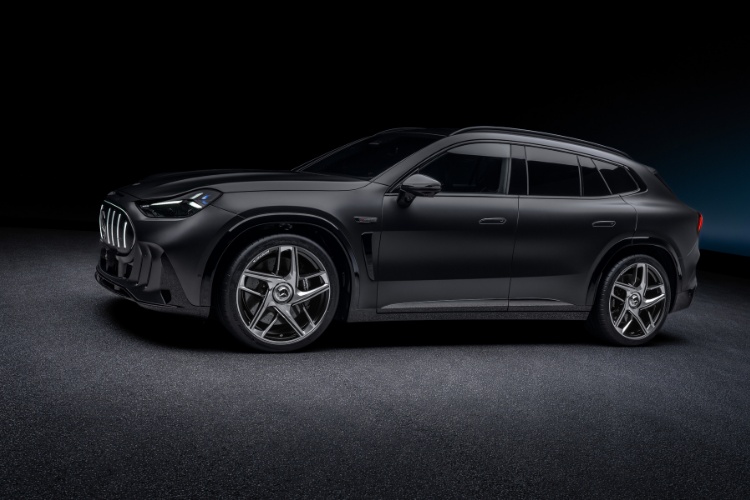
Mercedes-AMG GT SUV: Three Models, Different Levels Of Performance
The most powerful versions of the GT SUV use three axial-flux electric motors. This relatively compact motor technology allows Mercedes-AMG to deliver substantial power from a sophisticated electric drivetrain without relying on a conventional combustion engine.
The GT55 combines two electric motors at the rear with a third at the front, producing up to 805bhp and 1,372lb-ft of torque. Its continuously available output is quoted at 711bhp.
At the top of the range, the GT63 raises peak power to 1,153bhp and torque to 1,475lb-ft, while retaining the same 711bhp sustained output. Mercedes-AMG claims the GT63 SUV can accelerate from 0–60mph in approximately 2.4 seconds, placing it firmly among the quickest electric SUVs expected to reach the market.
The rear motors also allow torque to be distributed between the wheels to help improve traction and handling. The additional front motor provides extra drive when required, supporting the car’s all-wheel-drive performance.
The GT53 takes a different approach. It uses two conventional permanent-magnet synchronous motors rather than the three-motor axial-flux arrangement, delivering 536bhp and 590lb-ft of torque. It also weighs approximately 400lb less than the more powerful versions, potentially making it an appealing option for drivers who want strong acceleration without stepping up to the flagship models. The arrangement also illustrates how all-wheel drive differs from other drivetrain layouts, particularly when power delivery needs to be managed across multiple wheels.
Final UK specifications and prices have yet to be confirmed. Drivers considering an electric vehicle can also compare other options in our guide to the best electric cars to lease.
The forthcoming electric SUV is expected to launch in three performance variants, ranging from the GT53 to the flagship GT63. Here’s how the reported power outputs compare.
The move towards high-performance electric vehicles is also being explored by other manufacturers, including BMW, whose electric M3 development is covered in our report on the electric BMW M3 and Nürburgring testing.
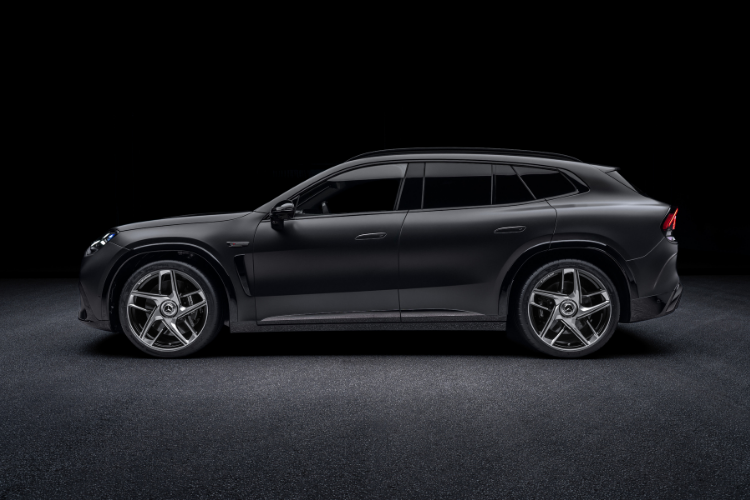
2028 Mercedes-AMG GT SUV Line-Up
| Model | Power Output | 0–60mph |
|---|---|---|
| Mercedes-AMG GT53 SUV | 536bhp | Not yet confirmed |
| Mercedes-AMG GT55 SUV | 805bhp | Not yet confirmed |
| Mercedes-AMG GT63 SUV | Up to 1,153bhp | Approximately 2.4 seconds |
Performance figures are based on currently reported information. Official UK specifications and final figures have yet to be confirmed.
Power figures can be quoted in different units across international markets. Our guide to PS and BHP explains the difference and why the figures used in vehicle specifications may not always look identical.
Larger Battery Capacity For The GT55 And GT63
Battery capacity is another important difference between the SUV and its four-door saloon counterpart.
The GT55 and GT63 feature an 800-volt battery system with 22 modules and a usable capacity of 128kWh. That represents an increase of around 22% over the 106kWh usable battery in the saloon. For a broader explanation of charging considerations, see our guide to how EV charging works for businesses.
The additional capacity helps compensate for the SUV’s greater weight and less aerodynamic shape. Despite the larger battery, however, the SUV is expected to offer a broadly comparable driving range to the saloon rather than a substantial improvement.
The GT63 SUV’s claimed 0–60mph time of 2.4 seconds is also slightly slower than the saloon’s quoted two-second sprint. The difference reflects the SUV’s additional weight and greater aerodynamic resistance.
The GT53 uses the smaller 106kWh battery. However, its conventional electric motors are expected to offer efficiency advantages over the axial-flux units in the higher-powered versions, helping it remain competitive on range.
Mercedes-AMG has not yet confirmed official range figures for the new SUV. Any comparisons with the saloon should therefore be treated as estimates until final homologated figures become available.
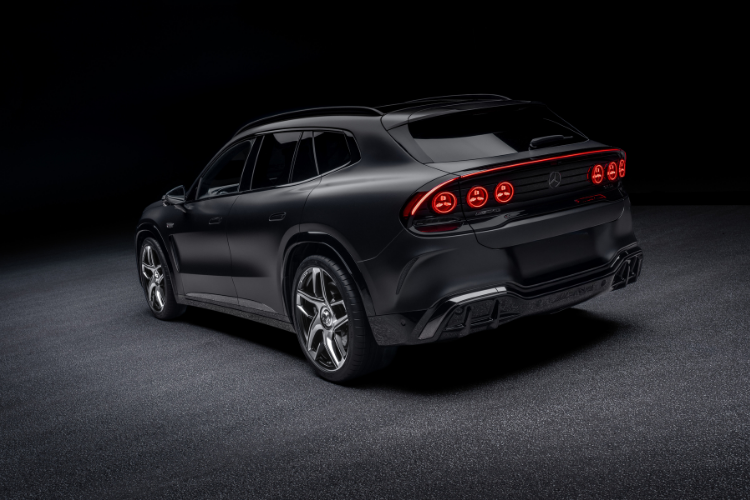
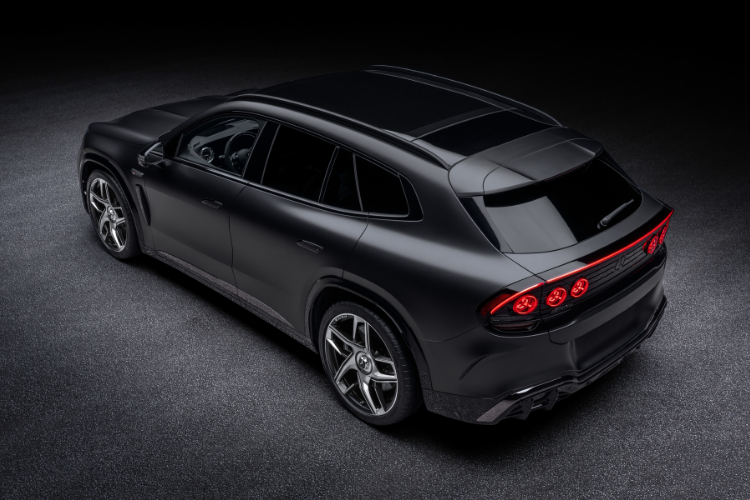
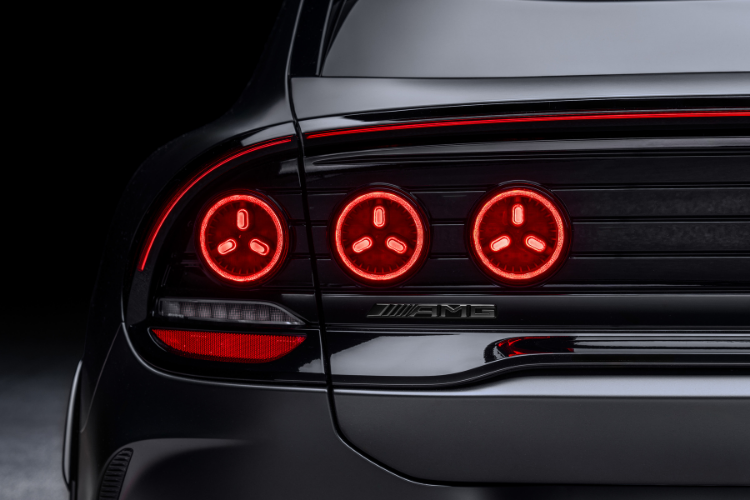
Advanced Suspension Designed To Control Body Movement
Although the GT SUV is engineered for exceptional straight-line performance, AMG has also focused on controlling its handling.
An SUV’s higher centre of gravity can introduce more noticeable body movement during cornering, acceleration and braking than a lower-slung saloon. To address this, Mercedes-AMG has developed its Active Ride Control Plus suspension system for the new model.
The technology builds on the system used in the GT four-door saloon, employing interconnected dampers to manage body roll. The SUV version extends this approach to help control pitching under acceleration and braking, with the aim of keeping the vehicle more composed when driven enthusiastically.
Three-chamber air springs also feature, adapted to suit the SUV’s design and intended driving characteristics.
The system will be particularly important in a vehicle capable of delivering more than 1,000bhp. Managing that power effectively requires more than rapid acceleration; the suspension, tyres and electronic controls must work together to provide predictable handling.
Real-world driving impressions will ultimately determine how successfully the technology balances comfort with the sharp responses expected of an AMG performance vehicle.
More Rear Passenger Space Than The Four-Door Saloon
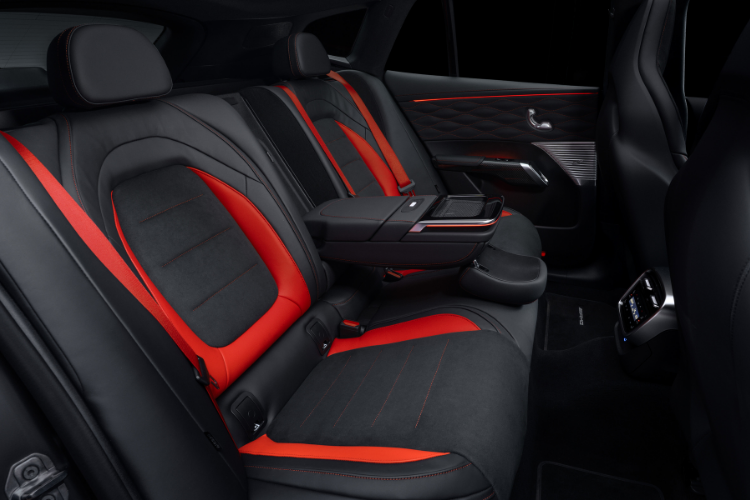
The GT SUV’s larger body brings a practical advantage over its lower counterpart: additional passenger room.
Rear-seat occupants benefit from greater headroom and a more accommodating seating position. The cabin also provides improved foot space, addressing one of the packaging compromises associated with the saloon’s battery layout.
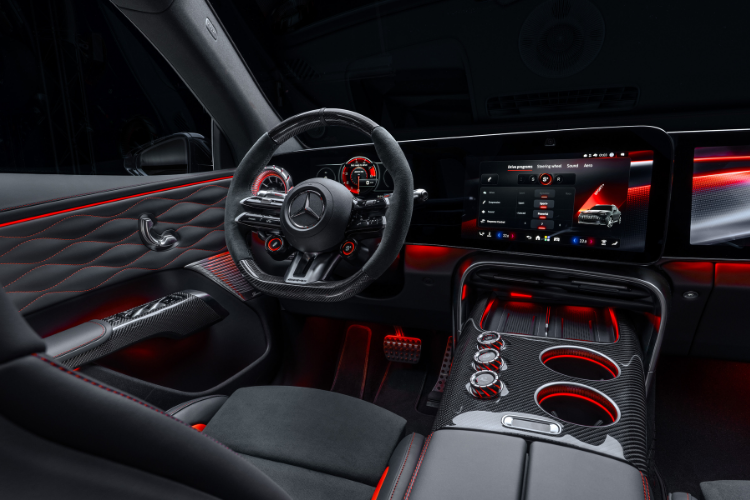
At the front, the interior follows a similar design to the GT four-door, with a driver-oriented central display and AMG’s Race Engineer controls. These allow drivers to adjust characteristics associated with vehicle response, agility and traction.
The GT SUV also features AMGFORCE Sport Plus mode, which incorporates simulated gear changes, artificial engine sounds and seat vibrations to create a more traditional performance-car experience despite the electric powertrain.
The simulated sound is played both inside and outside the vehicle. Whether this feature enhances the driving experience will depend on individual preferences, particularly among drivers who prefer the quieter operation normally associated with electric vehicles.
The GT53 uses a different simulated engine character from the GT55 and GT63, reflecting its position within the range.
Readers comparing premium electric SUVs can also read about the [electric Range Rover Sport], which combines luxury SUV practicality with an all-electric powertrain.
When Will The 2028 Mercedes-AMG GT SUV Go On Sale?
Mercedes-AMG plans to launch the new GT SUV in summer 2027, ahead of its 2028 model-year designation. Pricing, official driving ranges and final consumption figures are expected closer to launch. The GT SUV will enter an increasingly varied electric-car market, where drivers can choose from models across a growing range of body styles and performance categories. Our report on the expanding choice of electric cars in the UK looks at how the market is developing.
The Mercedes-AMG GT SUV will enter an increasingly competitive market as manufacturers explore different approaches to electric performance, luxury and everyday practicality. Other notable developments include the Genesis GV90 luxury electric SUV, the forthcoming electric BMW X5 (iX5) and the XPeng G9L electric SUV. While these models target different priorities, they demonstrate how varied the premium electric SUV segment is becoming.
Company-car tax can also influence the overall cost of running a high-performance electric vehicle. Read our guide to PHEV Benefit-in-Kind tax rates for 2026/27 for an explanation of how company-car taxation affects plug-in hybrids, and our guide to electric car salary sacrifice to understand how eligible employees may access an electric vehicle through their employer.
The GT55 and GT63 are anticipated to command a premium over their equivalent saloon models. The GT53 could provide a more affordable route into the range, although its eventual position will depend on final pricing and equipment levels.
For buyers interested in high-performance electric vehicles, the GT SUV represents another step towards combining extreme acceleration with the everyday usability of a larger vehicle. Its spacious cabin, sophisticated suspension and choice of powertrains could broaden the appeal beyond traditional AMG sports-car customers.
However, its substantial battery capacity and headline performance figures are only part of the picture. Pricing, real-world efficiency, charging performance and the driving range achieved in everyday conditions will all help determine how competitive the new model is when it arrives.
For businesses and company-car drivers considering a high-performance electric SUV, the purchase price is only part of the financial picture. Benefit-in-Kind (BIK) tax, which applies when an employer-provided vehicle is available for private use, can affect the overall cost to the driver. Salary sacrifice may also be an option through eligible employer schemes, although the financial benefits depend on individual circumstances and scheme terms. Our forthcoming guide to company car tax, BIK rates and electric car salary sacrifice in 2026/27 will explain how these arrangements work.
Vehicle tax is another consideration. The Expensive Car Supplement may apply to eligible vehicles above the relevant list-price threshold, potentially adding to the cost of running a premium model. Whether the new Mercedes-AMG GT SUV would qualify will depend on its final UK specifications, list price and registration details. Read our guide to the £40,000 Expensive Car Supplement and fleet cars for more information.
 Call our expert team on