Businesses across the UK rely on commercial vehicles every day to transport equipment, deliver goods, support customers and complete essential work. However, a standard van, pickup or chassis cab does not always provide the storage, equipment or specialist features required for every industry.
This is where commercial vehicle conversions provide a practical solution.
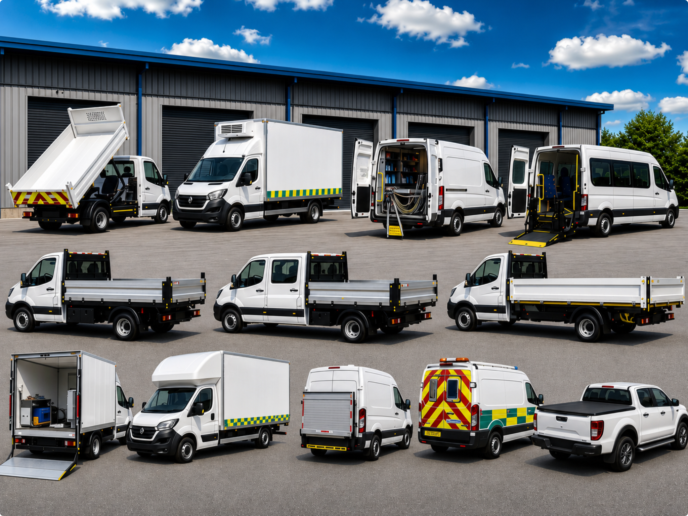
Commercial vehicle conversions allow businesses to transform standard vehicles into purpose-built working solutions, including refrigerated vans, welfare vehicles, mobile workshops, tippers, dropsides, specialist response vehicles and accessible transport solutions.
By choosing the right conversion, businesses can improve productivity, enhance safety and ensure their vehicles are ready to work from day one.
At Commercial Vehicle Contracts, we help UK businesses source vehicles, arrange finance and coordinate specialist conversions, ensuring fleets are supplied ready for work.
Contents
- What Is a Commercial Vehicle Conversion?
- Why Businesses Choose Converted Vehicles
- Types of Commercial Vehicle Conversions
- Chassis Cab Conversions
- Dropside Conversions
- Tipper Conversions
- Box Van Conversions
- Luton Van Conversions
- Tail Lift Conversions
- Refrigerated Van Conversions
- Welfare Van Conversions
- Mobile Workshop Conversions
- Specialist Vehicle Conversions
- Commercial Vehicle Accessories
- Choosing the Right Conversion
- Can You Lease a Converted Commercial Vehicle?
- Why Choose Commercial Vehicle Contracts?
What Is a Commercial Vehicle Conversion?
A commercial vehicle conversion involves modifying a standard vehicle to create a specialist solution for a particular business requirement.
Conversions can range from relatively simple upgrades, such as:
- Ply lining
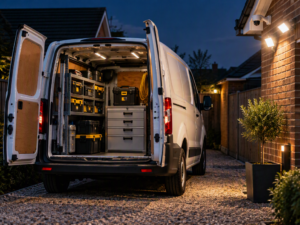
- Shelving and racking
- Roof bars and ladder racks
- Security upgrades
- Vehicle branding
through to more complex transformations including:
- Tipper bodies
- Dropside conversions
- Refrigerated compartments
- Mobile workshops
- Welfare facilities
- Minibus adaptations
- Wheelchair accessible vehicle (WAV) conversions
- Ambulance conversions
- CCTV monitoring vehicles
The type of conversion required depends on the industry, the work carried out and the equipment that needs to be transported.
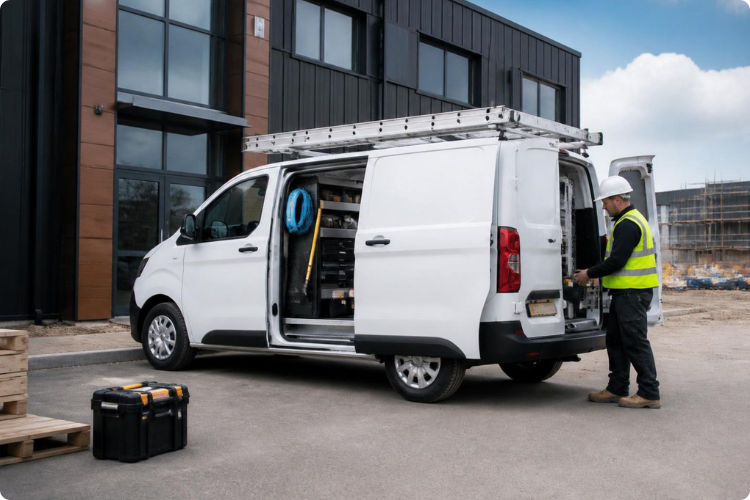
For many businesses, a converted vehicle removes the need for separate equipment storage, improves organisation and allows employees to complete more work directly from the vehicle.
Why Businesses Choose Converted Commercial Vehicles
A standard commercial vehicle is designed to offer flexibility, but many businesses require additional features to support their daily operations.
A converted vehicle can provide:
Improved Productivity
A well-designed conversion ensures tools, equipment and materials are stored safely and efficiently. This reduces wasted time searching for equipment and allows employees to focus on completing jobs.
Better Organisation
Shelving, storage systems and specialist equipment layouts create a more professional working environment while helping protect valuable tools and materials.
Increased Safety
Many conversions include safety features such as secure storage, lighting, load restraint systems and visibility markings to help protect drivers and other road users.
Professional Appearance
Vehicle branding, graphics and specialist bodywork can help businesses promote their services while travelling between jobs.
A Vehicle Built Around Your Business
Rather than adapting your work around a standard van, a conversion allows the vehicle to be designed around your business requirements.
Types of Commercial Vehicle Conversions
There are many different conversion options available depending on the industry and intended use.
The most common commercial vehicle conversions include:
- Chassis cab conversions
- Dropside conversions
- Tipper conversions
- Box van conversions
- Luton van conversions
- Curtainsider conversion
- Refrigerated vans
- Welfare vans
- Mobile workshop vans
- Cherry picker platforms
- Glass rack conversions
- Traffic management vehicles
- CCTV and surveillance vehicles
- Ambulance and patient transport conversions
- Emergency response vehicles
- Utility vehicles
- Pickup truck conversions
Industries That Use Commercial Vehicle Conversions
Commercial vehicle conversions are used across a wide range of industries where businesses require vehicles adapted around specific operational needs.
Common sectors include:
Construction
Used for transporting tools, materials and equipment with solutions such as tippers, dropsides, welfare units and mobile workshops.
Trades and Engineering
Electricians, plumbers, maintenance engineers and contractors often use shelving, racking, roof storage and workshop conversions.
Logistics and Delivery
Box vans, Luton conversions and tail lift vehicles help businesses transport larger goods efficiently.
Utilities
Energy, water and telecommunications companies rely on specialist vehicles equipped with storage, lighting and safety equipment.
Healthcare
Patient transport vehicles, ambulances and accessible minibuses provide specialist transport solutions.
Local Authorities
Councils and public sector organisations use converted vehicles for highways, maintenance and environmental services.
Chassis Cab Conversions
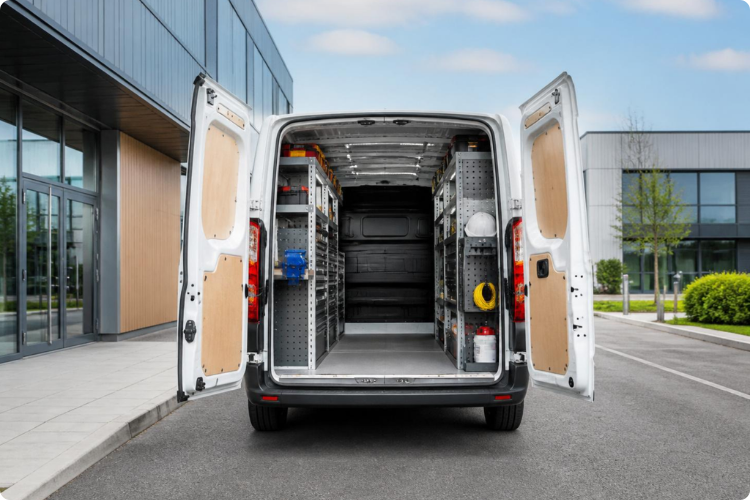
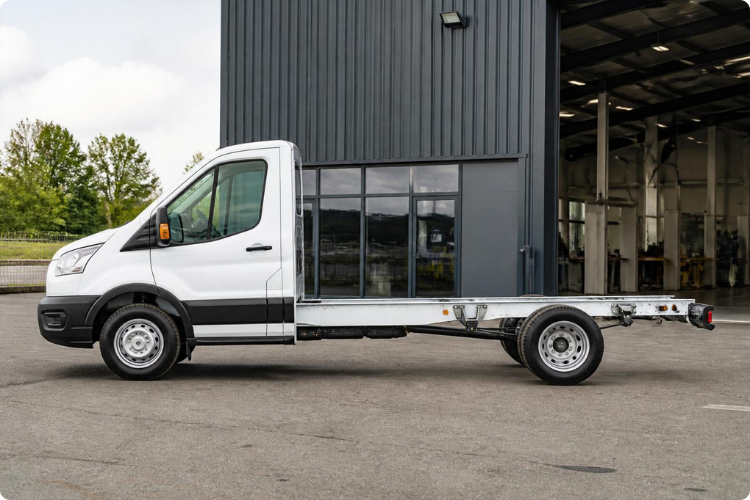
Chassis cab vehicles provide the foundation for many specialist commercial vehicle conversions.
Unlike a traditional panel van, a chassis cab is supplied without a rear body, allowing businesses to fit a wide range of custom solutions.
Popular chassis cab vehicles include:
- Ford Transit
- Renault Master
- Mercedes-Benz Sprinter
- Citroën Relay
- Peugeot Boxer
- Maxus Deliver
- Man TGE
Chassis cab conversions are commonly used by:
- Construction companies
- Local authorities
- Utility providers
- Highways contractors
- Delivery businesses
- Emergency services
Depending on the business requirement, a chassis cab can be converted into a:
Their flexibility makes them one of the most popular choices for businesses requiring a vehicle built around their specific needs.
Dropside Commercial Vehicle Conversions
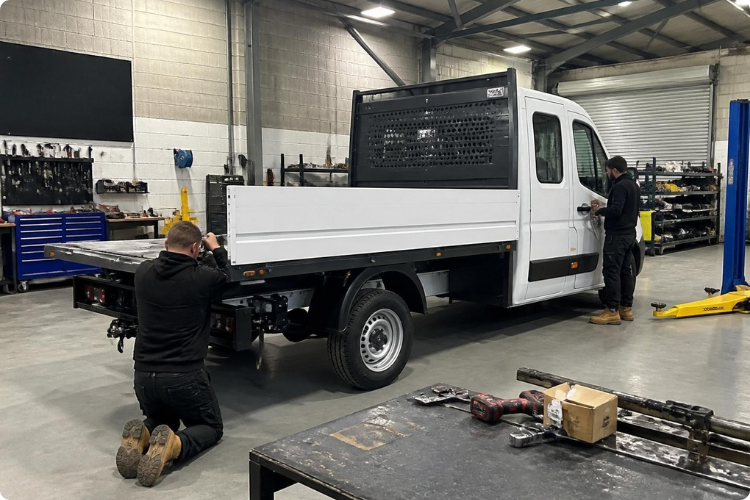
Dropside conversions are designed for businesses that need easy access to their load area.
Unlike a traditional van, dropside vehicles feature open sides that can be lowered, making loading and unloading larger or heavier items much easier.
They are particularly popular with:
- Builders
- Landscapers
- Groundworkers
- Agricultural businesses
- Maintenance contractors
Benefits of a dropside conversion include:
- Faster loading and unloading
- Improved access from multiple sides
- Ability to carry larger items
- Increased versatility on site
Common additions include:
- Toolboxes
- Load restraint systems
- Covers
- Tail lifts
- Chapter 8 markings
- Beacons and lighting equipment
Dropside conversions are often paired with vehicles such as the Ford Transit, Renault Master and Isuzu N-Series.
Tipper Van Conversions
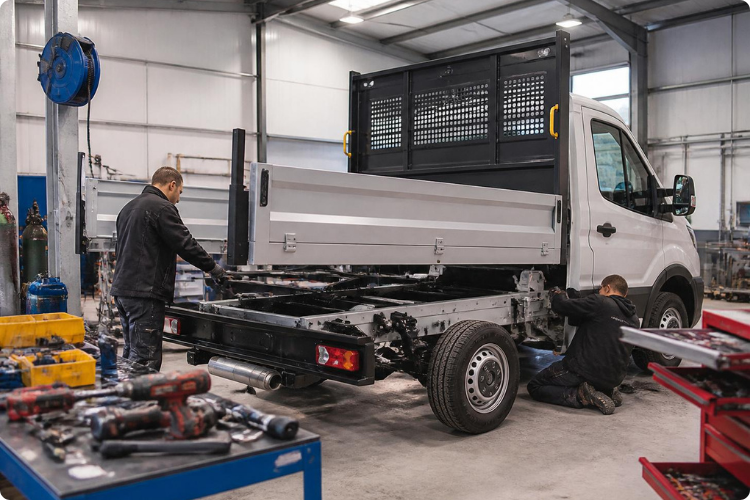
Tipper conversions are ideal for businesses transporting loose materials that need to be unloaded quickly and efficiently.
Industries that commonly use tipper vehicles include:
- Construction
- Landscaping
- Waste management
- Groundworks
- Tree surgery
A tipping body allows materials such as:
- Soil
- Sand
- Gravel
- Waste
- Building materials
to be unloaded without requiring manual removal.
Available options can include:
- Single tipping bodies
- Three-way tippers
- Aluminium or steel bodies
- Tool storage solutions
- Tow bars
- Beacons
Three-way tipper conversions are particularly popular with construction and landscaping businesses because they provide unloading flexibility from multiple sides. For businesses regularly transporting loose materials, a tipper conversion can significantly improve efficiency and reduce physical workload.
Box Van Conversions
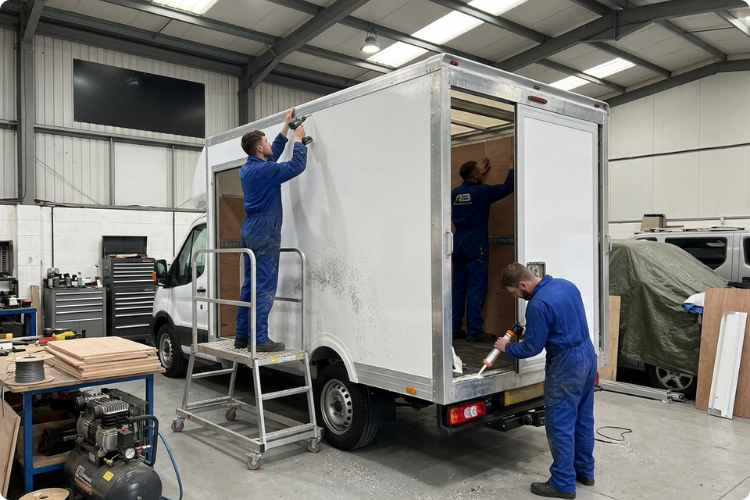
Box van conversions provide businesses with a larger enclosed load area compared with a standard panel van, making them ideal for transporting goods, equipment and specialist items.
Unlike a standard van, box bodies offer increased internal volume and can be customised with additional features to improve efficiency and practicality.
Box vans are commonly used by:
- Delivery companies
- Logistics businesses
- Retailers
- Furniture suppliers
- Trade businesses
- Distribution companies
Typical box van conversion features include:
- Increased load capacity
- Tail lift installation
- Internal lining
- Shelving and storage systems
- Load restraint solutions
- Rear access improvements
- Security upgrades
Box vans are particularly useful for businesses that need to transport large quantities of goods while keeping cargo protected from the weather.
Popular base vehicles include:
- Peugeot Boxer
- Citroën Relay
- Man TGE
- Ford Transit
- Renault Master
- Mercedes-Benz Sprinter
- Vauxhall Movano
For businesses operating delivery fleets, a box van conversion can provide a practical alternative to larger vans while maintaining the flexibility of a commercial vehicle.
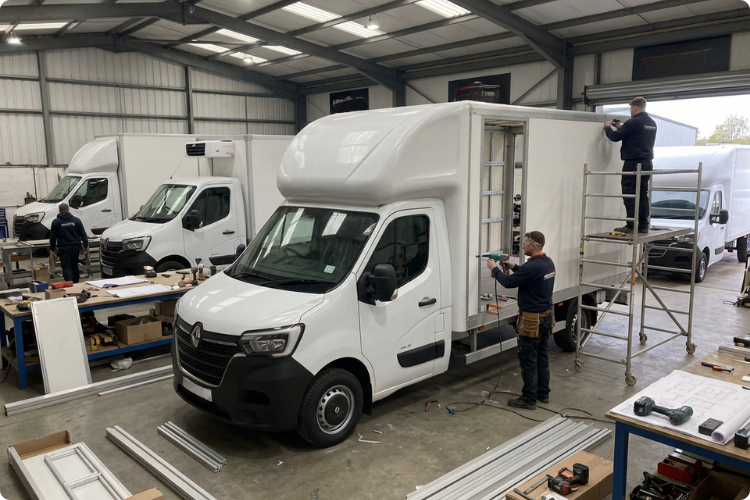
Luton Van Conversions
Luton conversions are designed to maximise available load space by extending the body over the cab area.
The additional storage space above the driver’s cab makes Luton vehicles extremely popular for businesses that need maximum carrying capacity.
Common users include:
- Removal companies
- Furniture businesses
- Courier operators
- Retail delivery services
- Logistics companies
Benefits of a Luton conversion include:
- Large enclosed load area
- Protection from weather conditions
- Increased carrying capacity
- Improved suitability for bulky goods
Many Luton vehicles can also be equipped with:
- Tail lifts
- Internal lighting
- Load securing systems
- Shelving
- Ply lining
- Security features
For businesses moving larger items regularly, such as furniture or appliances, a Luton conversion can provide the extra capacity needed without moving into a larger commercial vehicle category.
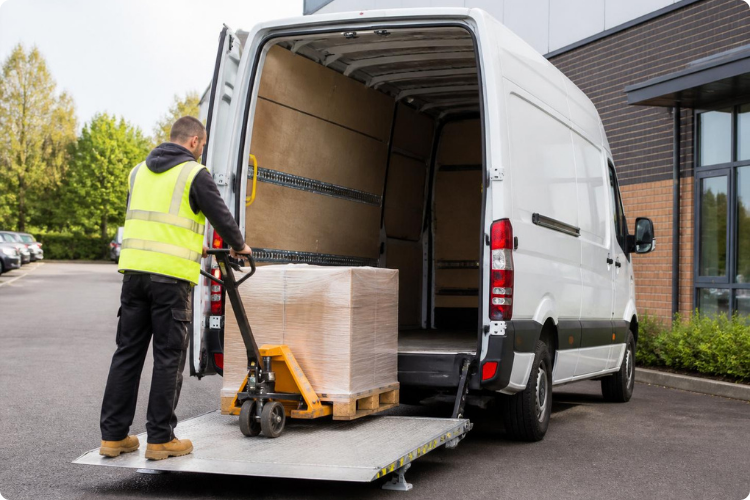
Tail Lift Commercial Vehicle Conversions
Tail lift conversions allow businesses to load and unload heavy or bulky items safely and efficiently without requiring additional lifting equipment.
A tail lift can be fitted to many commercial vehicles, including vans, box vans and larger chassis cab conversions.
They are commonly used by:
- Logistics companies
- Delivery businesses
- Furniture suppliers
- Mobility equipment providers
- Retail businesses
- Distribution companies
- Heavy goods operators
Benefits of a tail lift conversion include:
- Easier loading and unloading
- Reduced manual handling
- Improved driver safety
- Ability to transport heavier items
- Greater operational flexibility
Common tail lift applications include:
- Furniture deliveries
- Catering supplies
- Medical equipment transport
- Pallet deliveries
- Commercial distribution
Businesses operating vehicles with tail lifts must also ensure equipment is inspected and maintained correctly. Regulations such as LOLER (Lifting Operations and Lifting Equipment Regulations) and PUWER (Provision and Use of Work Equipment Regulations) may apply depending on the equipment and its use. Read our article: Tail Lift Regulations: Understanding LOLER and PUWER Compliance
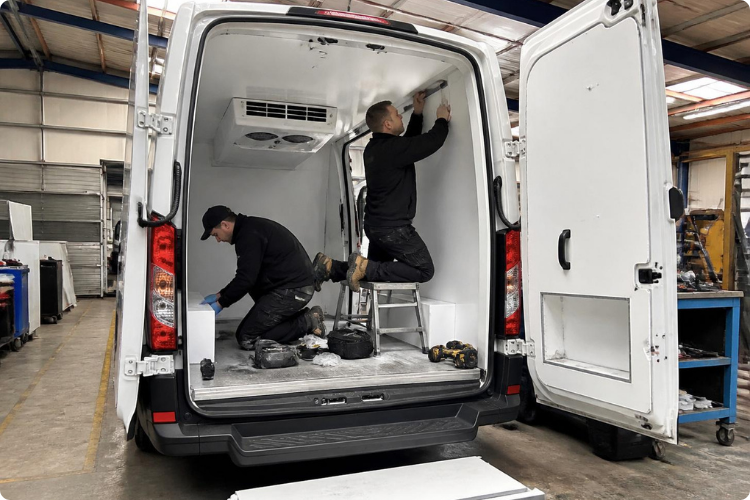
Refrigerated Van Conversions
Refrigerated vans are essential for businesses that need to transport goods at controlled temperatures.
Temperature-controlled vehicles help maintain product quality and ensure businesses meet industry regulations when transporting sensitive goods.
Common industries using refrigerated conversions include:
- Food suppliers
- Catering companies
- Restaurants
- Pharmaceutical businesses
- Florists
- Healthcare providers
Refrigerated conversions can be designed for different temperature requirements, including:
- Chilled transport
- Frozen transport
- Multi-temperature compartments
Features can include:
- Refrigeration units
- Temperature monitoring systems
- Insulated panels
- Easy-clean interiors
- Temperature displays
- Security alarms
For businesses operating in sectors where temperature control is essential, a refrigerated vehicle provides reliability and peace of mind.
You can also read more in our guide:
The Complete Business Guide to Refrigerated Vans
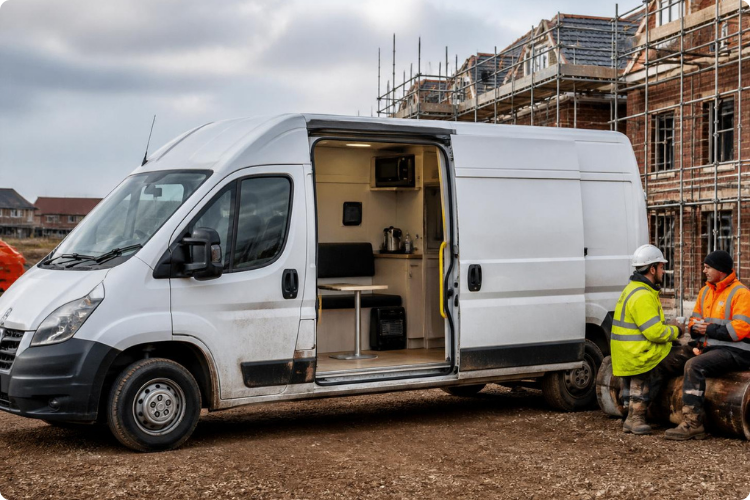
Welfare Van Conversions
Welfare vehicles provide businesses with a mobile facility where employees can take breaks, access welfare facilities and work safely away from permanent locations.
They are particularly important for industries where teams operate on remote sites.
Common users include:
- Construction companies
- Utility providers
- Highways contractors
- Rail companies
- Infrastructure businesses
A welfare conversion can include:
- Seating areas
- Tables
- Heating systems
- Hot water facilities
- Wash stations
- Toilets
- Microwaves
- Refrigerators
- Drying areas
- Storage compartments
Welfare conversions can also include drying rooms, changing areas and hot water facilities for workers operating in challenging environments.
Under UK workplace regulations, employers must provide suitable welfare facilities for workers. Mobile welfare units help businesses meet these requirements when working on temporary or remote sites.
Modern welfare conversions can be built around different vehicle sizes, from compact vans through to larger chassis cab-based units.
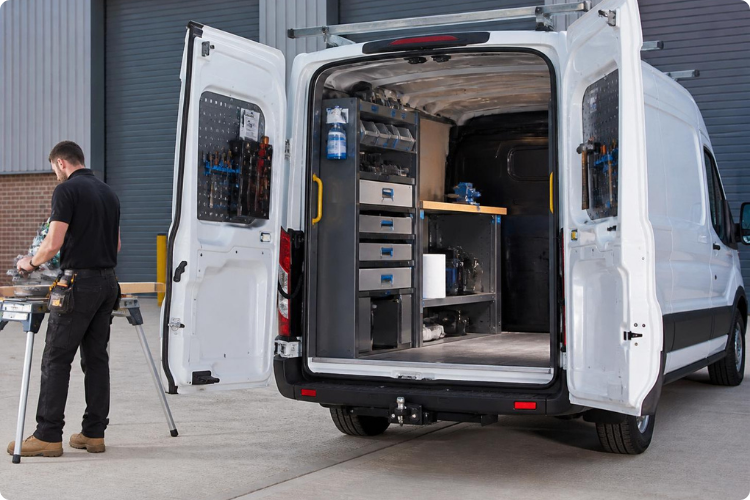
Mobile Workshop Van Conversions
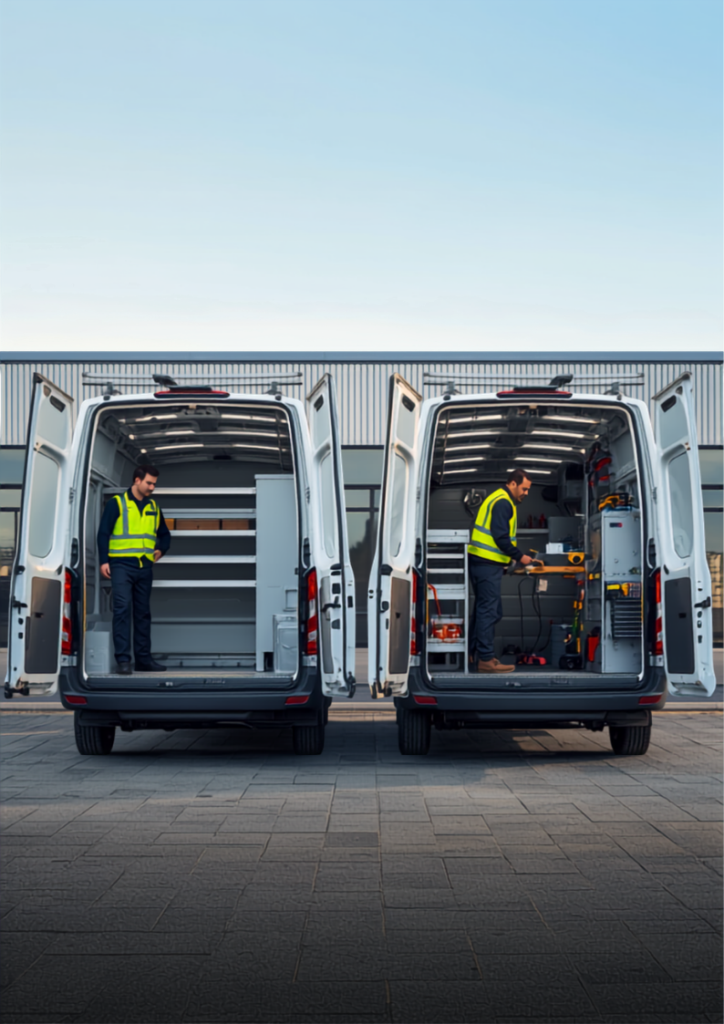
A mobile workshop conversion transforms a commercial van into a fully equipped working environment.
For many tradespeople and engineers, the vehicle becomes an extension of their workplace, allowing them to carry tools, equipment and spare parts wherever they are needed.
Mobile workshops are commonly used by:
- Electricians
- Plumbers
- Engineers
- Maintenance companies
- Telecommunications businesses
- Mechanical specialists
Popular features include:
- Specialist shelving
- Drawer systems
- Secure tool storage
- Workbenches
- Vices
- Internal lighting
- Power inverters
- Battery systems
- Compressors
- Charging points
A well-designed mobile workshop helps improve productivity by ensuring engineers have everything required to complete jobs efficiently.
For businesses with multiple engineers, standardising vehicle layouts across a fleet can also improve consistency, safety and stock management.
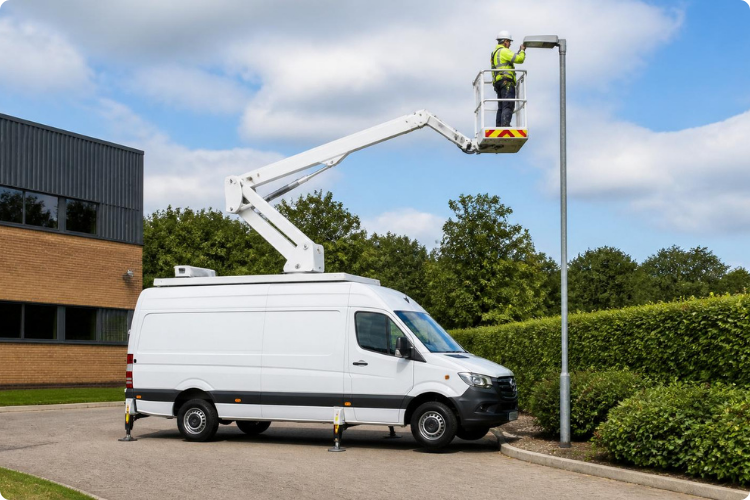
Cherry Picker Platform Conversions
Cherry picker conversions provide businesses with safe access equipment for working at height.
These vehicles combine a commercial vehicle with an elevated working platform, allowing operators to complete maintenance and installation tasks without requiring separate access equipment.
Common users include:
- Electrical contractors
- Telecommunications companies
- Street lighting providers
- Tree surgeons
- Sign installation companies
- Local authorities
Typical applications include:
- Streetlight maintenance
- Cable installation
- Tree maintenance
- Building inspections
- Sign repairs
Features may include:
- Hydraulic access platforms
- Stabiliser systems
- Safety harness points
- Tool storage
- Warning beacons
- High-visibility markings
Cherry picker conversions help businesses improve efficiency by providing a mobile solution that can travel directly to each job location.
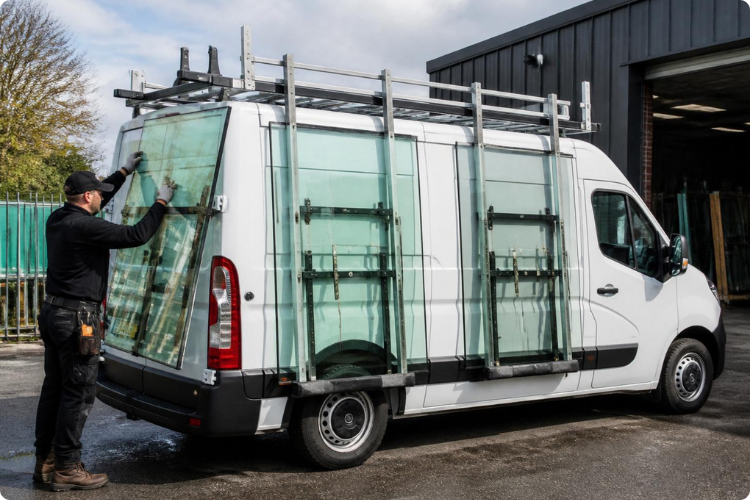
Glass Frail and Glass Rack Conversions
Glass rack conversions, sometimes referred to as glass frails or glass carriers, are designed specifically for businesses transporting large sheets of glass and fragile materials safely.
They are widely used by:
- Glaziers
- Window installers
- Construction companies
- Architectural businesses
Glass racks can be fitted internally or externally depending on the vehicle design and operational requirements.
Benefits include:
- Safer transportation of glass
- Improved load organisation
- Reduced risk of damage
- Easier access when loading and unloading
Typical features include:
- Protective padding
- Secure mounting systems
- Weather-resistant finishes
- Internal storage solutions
For glazing companies, a properly converted vehicle helps protect expensive materials while improving efficiency on site.
Specialist Conversion Planning
Every business has different requirements, meaning the best conversion depends on factors such as:
- Type of work carried out
- Equipment transported
- Payload requirements
- Number of employees using the vehicle
- Daily mileage
- Storage requirements
- Future business growth
Choosing the correct base vehicle is just as important as selecting the right conversion.
A vehicle that is too small may restrict operations, while an oversized vehicle could increase running costs unnecessarily.
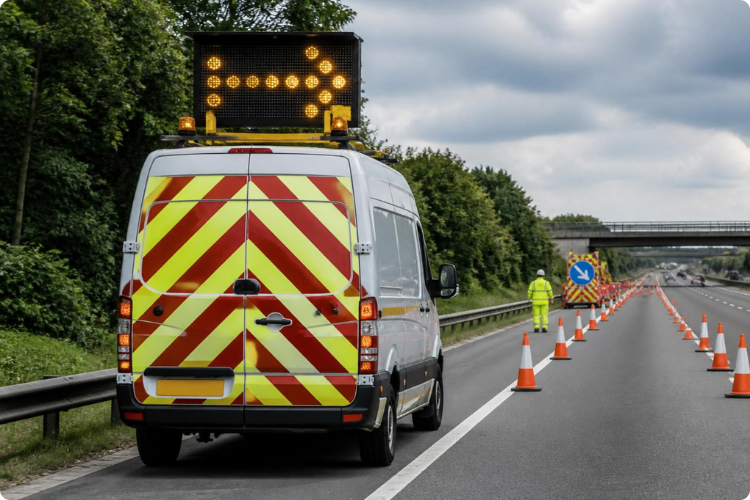
Traffic Management Vehicle Conversions
Traffic management vehicles are specialist commercial vehicles designed to support road safety, highway maintenance and infrastructure projects.
These vehicles are commonly used by:
- Highway contractors
- Local authorities
- Utility companies
- Road maintenance providers
- Construction companies
- Traffic management specialists
A traffic management conversion can be tailored to carry essential equipment while ensuring the vehicle meets visibility and safety requirements.
Typical features include:
- Chapter 8 reflective chevrons
- High-visibility markings
- Beacons and light bars
- Work lights
- Cone storage
- Barrier storage
- Sign storage
- Equipment compartments
- Internal shelving and racking
Chapter 8 of the Traffic Signs Manual provides guidance on the requirements for vehicles working on or near public roads, particularly regarding visibility and safety markings.
For businesses operating in high-risk roadside environments, a correctly specified traffic management vehicle helps protect workers while improving efficiency.
Popular base vehicles include:
- Ford Transit
- Mercedes-Benz Sprinter
- Renault Master
- Volkswagen Crafter
- Vauxhall Movano
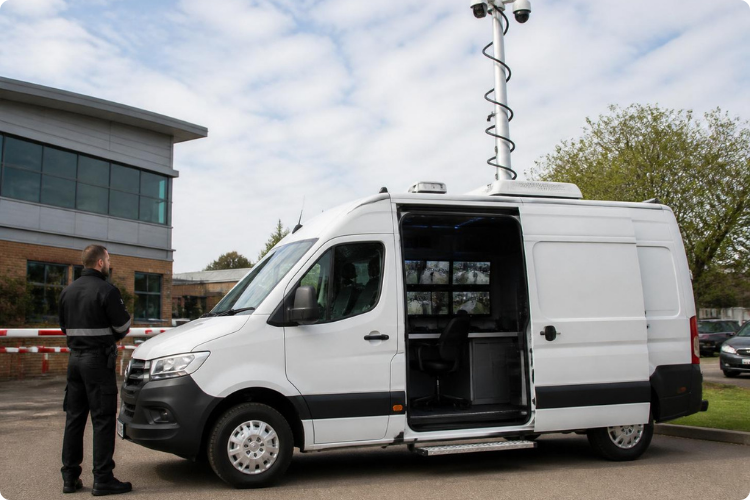
CCTV, Surveillance and Mobile Security Vehicle Conversions
CCTV and surveillance vehicle conversions provide businesses and organisations with mobile monitoring solutions that can operate in a wide range of environments.
These specialist vehicles allow security teams, local authorities and event operators to deploy monitoring equipment wherever it is needed.
Common users include:
- Security companies
- Local authorities
- Event organisers
- Construction companies
- Parking enforcement providers
- Private estates
- Industrial sites
A CCTV vehicle conversion may include:
- Roof-mounted camera systems
- Mast-mounted CCTV equipment
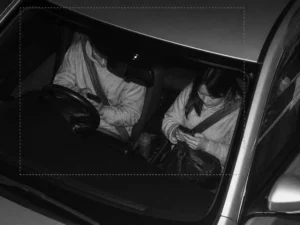
- ANPR (Automatic Number Plate Recognition) technology
- Secure equipment storage
- Power management systems
- Battery solutions
- Solar charging options
- Internal workstations
- Monitoring screens
Mobile surveillance vehicles are particularly useful where permanent CCTV installation is not practical or where temporary monitoring is required.
Applications include:
- Construction site security
- Public events
- Infrastructure projects
- Remote locations
- Traffic monitoring
- Crime prevention initiatives
As technology continues to develop, CCTV vehicles are becoming increasingly advanced, combining high-resolution cameras, remote monitoring and intelligent detection systems.
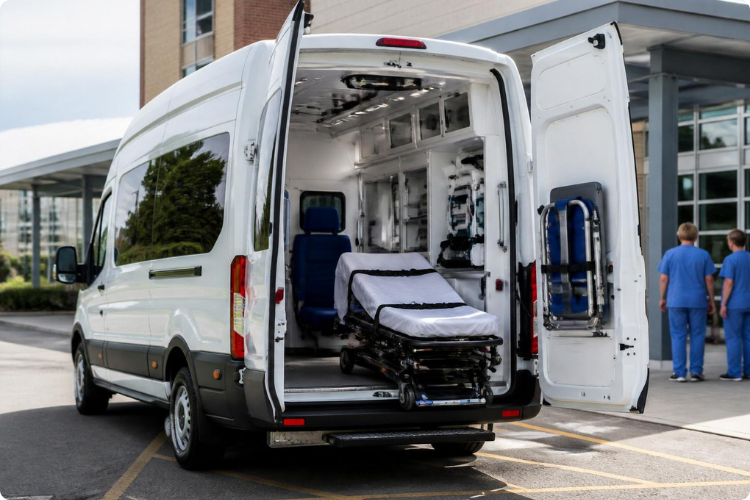
Ambulance and Patient Transport Vehicle Conversions
Ambulance and patient transport conversions provide specialist transport solutions for healthcare providers and emergency services.
These vehicles are designed to safely transport patients while providing the equipment and accessibility required for medical journeys.
They are used by:
- NHS providers
- Private healthcare companies
- Community transport organisations
- Patient transport services
- Care providers
Conversions can include:
- Stretcher mounting systems
- Wheelchair accessibility
- Patient seating
- Medical storage areas
- Privacy screens
- Handrails
- Specialist flooring
- Easy-clean interiors
- Medical equipment storage
Patient transport vehicles can also be converted for wheelchair users, assisted transport and community healthcare services.
Non-emergency patient transport vehicles play an important role in helping people access healthcare appointments, rehabilitation services and community support.
The design of each vehicle can be tailored depending on whether it is required for:
- Wheelchair users
- Assisted passenger transport
- Medical transfers
- Community healthcare services
Reliability, safety and accessibility are key considerations when specifying these vehicles.
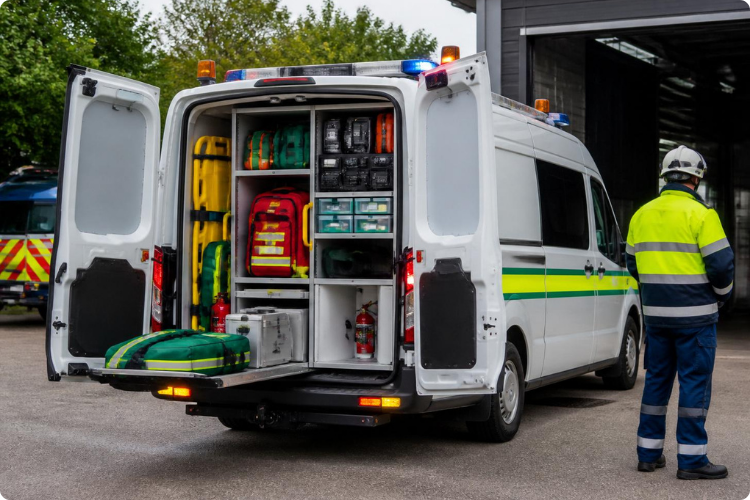
Emergency Response Vehicle Conversions
Emergency response vehicles are designed to provide mobile support during incidents where specialist equipment and rapid deployment are required.
These vehicles are used by a range of organisations, including:
- Utility companies
- Local authorities
- Emergency contractors
- Infrastructure providers
- Environmental services
Typical emergency response conversions include:
- Mobile command units
- Incident support vehicles
- Repair response vehicles
- Utility emergency units
- Flood response vehicles
Features may include:
- Specialist storage
- Power generation
- Lighting systems
- Communications equipment
- Workstations
- Tool storage
- Safety equipment
These vehicles allow teams to respond quickly to incidents while carrying the equipment required to restore services or manage emergencies.
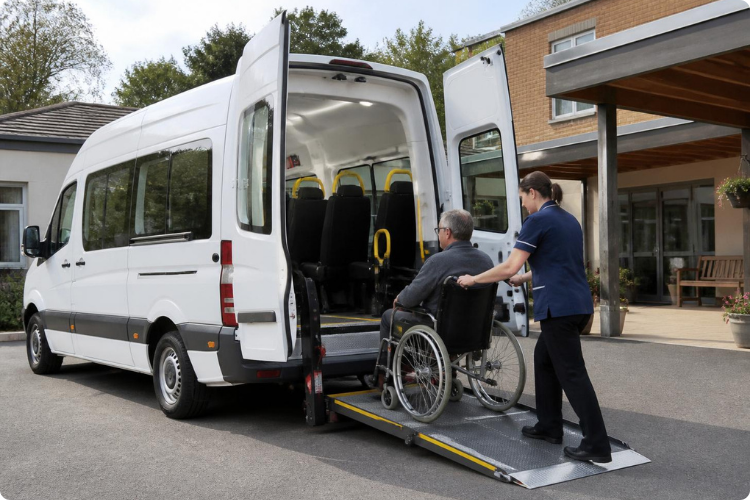
Minibus and Wheelchair Accessible Vehicle Conversions
Minibus conversions allow organisations to adapt passenger vehicles, creating accessible transport solutions for passengers, staff and service users.
These specialist conversions are commonly used by:
- Schools and colleges
- Sports and leisure organisations
- Care providers
- Charities
- Community transport organisations
- Local authorities
- Healthcare providers
- Hotels and hospitality businesses
- Tour operators
- Religious organisations
- Youth groups and community organisations
A standard minibus can be converted into a wheelchair-accessible vehicle (WAV) by adding features designed to improve accessibility and passenger safety.
Common modifications include:
- Wheelchair ramps or passenger lifts
- Wheelchair restraint systems
- Lowered floors
- Additional grab handles and handrails
- Accessible seating layouts
- Improved entry and exit access
- Specialist flooring and interior finishes
Wheelchair-accessible minibuses provide an important transport solution for organisations that need to safely transport passengers with reduced mobility while maintaining comfort and independence.
Minibus conversions can be tailored around different passenger requirements, from smaller accessible vehicles to larger 17-seat minibuses with wheelchair accommodation.
Popular base vehicles for minibus conversions include:
- Ford Transit
- Mercedes-Benz Sprinter
- Renault Master
- Volkswagen Crafter
For organisations requiring accessible passenger transport, a professionally converted minibus can provide a reliable, practical and compliant solution.
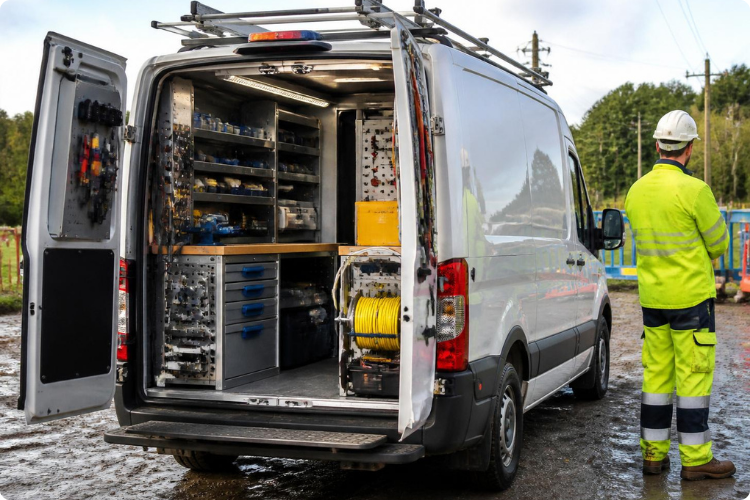
Utility Vehicle Conversions
Utility companies often require vehicles that can operate in challenging environments while carrying specialist equipment.
Industries that commonly use utility conversions include:
- Electricity providers
- Water companies
- Telecommunications businesses
- Rail operators
- Gas companies
- Local authorities
A utility vehicle conversion can include:
- Tool storage
- Shelving systems
- Roof racks
- Ladder storage
- Work lighting
- Safety equipment storage
- Generator systems
- Secure compartments
Common vehicle types include:
- Panel vans
- Pickups
- Chassis cabs
- 4×4 vehicles
For utility businesses, having a vehicle designed specifically around operational requirements can reduce downtime and improve response times.
Mobile Maintenance and Engineering Vehicles
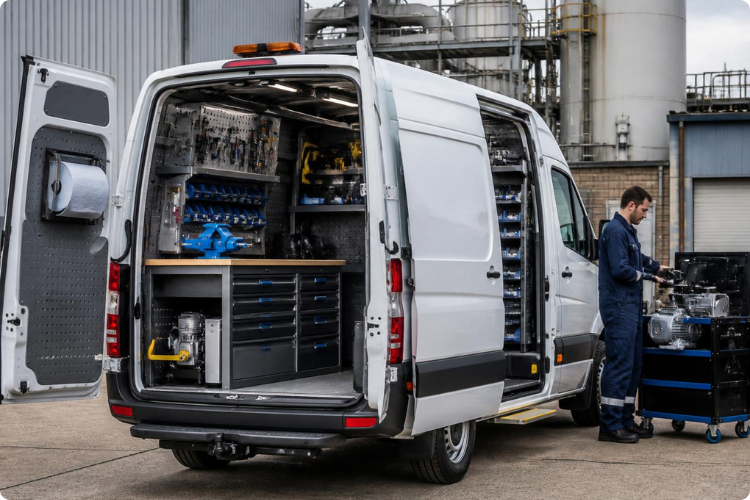
Many businesses require vehicles that allow engineers and technicians to carry out repairs away from their main premises.
Mobile maintenance vehicles are commonly used by:
- Manufacturing companies
- Facilities management providers
- Mechanical engineers
- Lift engineers
- HVAC specialists
- Industrial maintenance teams
A typical engineering vehicle may include:
- Heavy-duty shelving
- Drawer systems
- Secure tool storage
- Bench areas
- Internal lighting
- Power supply solutions
- Parts storage
The objective is to create a safe and efficient mobile workspace where technicians have everything they need to complete repairs and servicing.
Pickup Truck Conversions
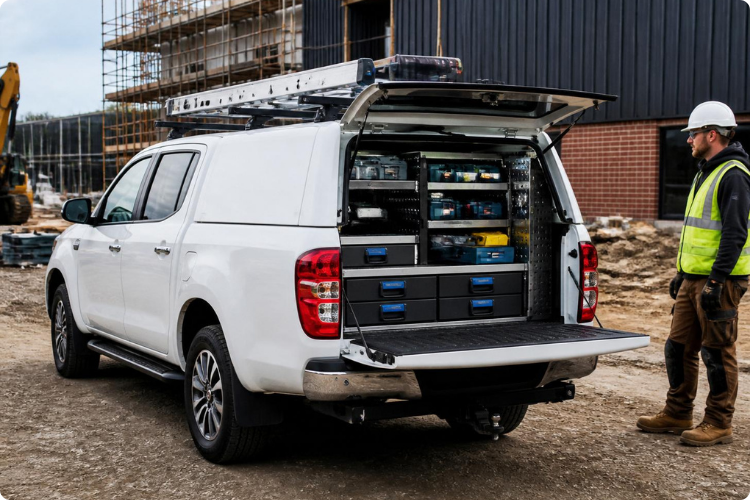
Pickup trucks have become increasingly popular with businesses that require a combination of practicality, off-road capability and everyday usability.
Popular commercial pickups include:
- Ford Ranger
- Ford Ranger PHEV
- Toyota Hilux
- Isuzu D-Max
- KGM Musso
- BYD Shark
- Maxus T90 EV
Pickup conversions allow businesses to adapt their vehicles for specific working environments.
Common upgrades include:
Hardtop Canopies
Hardtops provide secure covered storage while protecting equipment from weather conditions.
Benefits include:
- Lockable storage
- Improved security
- Weather protection
- Professional appearance
Roller Shutters and Load Covers
Roller shutter systems provide quick access to the load area while keeping equipment secure.
They are popular with:
- Tradespeople
- Contractors
- Field engineers
Pickup Storage Systems
Drawer systems and tool storage solutions help businesses organise equipment efficiently.
Benefits include:
- Better organisation
- Faster access to tools
- Improved security
- Reduced movement of equipment
Roof Racks and Ladder Carriers
Roof storage solutions allow businesses to transport longer items while keeping the load bed available.
Common uses include carrying:
- Ladders
- Pipes
- Timber
- Specialist equipment
Pickup Conversion Accessories
Other popular additions include:
- Tow bars
- Side steps
- Bed liners
- Work lights
- Beacons
- Vehicle branding
For businesses requiring a flexible work vehicle, a converted pickup can provide the perfect balance between transport capability and everyday usability.
Commercial Vehicle Accessories to Enhance Your Conversion
A successful commercial vehicle conversion is not only about the main body or specialist equipment fitted. The right accessories can further improve practicality, safety, security and efficiency.
Many businesses combine multiple upgrades to create a vehicle that is completely tailored to their daily operations.
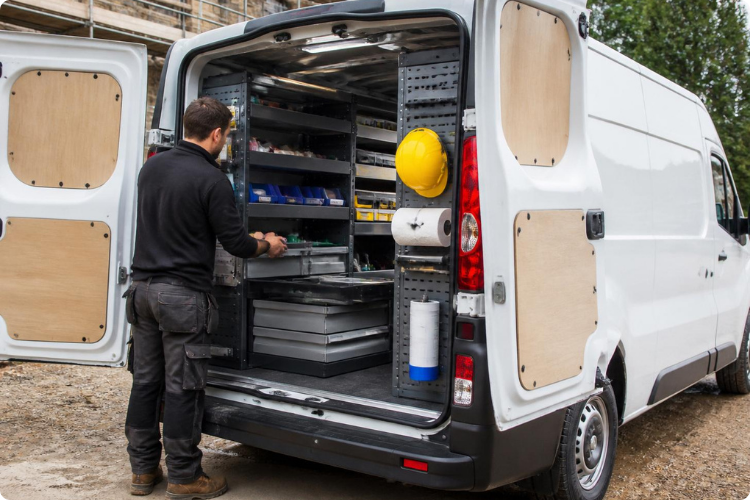
Shelving and Racking Systems
Shelving and racking are among the most popular commercial vehicle upgrades, helping businesses organise tools, equipment and materials.
Common users include:
- Electricians
- Plumbers
- Builders
- Maintenance contractors
- Service businesses
Benefits include:
- Improved organisation
- Faster access to equipment
- Better use of available space
- Increased workplace safety
Professional storage solutions can be designed around the specific equipment carried, ensuring every item has a secure location.
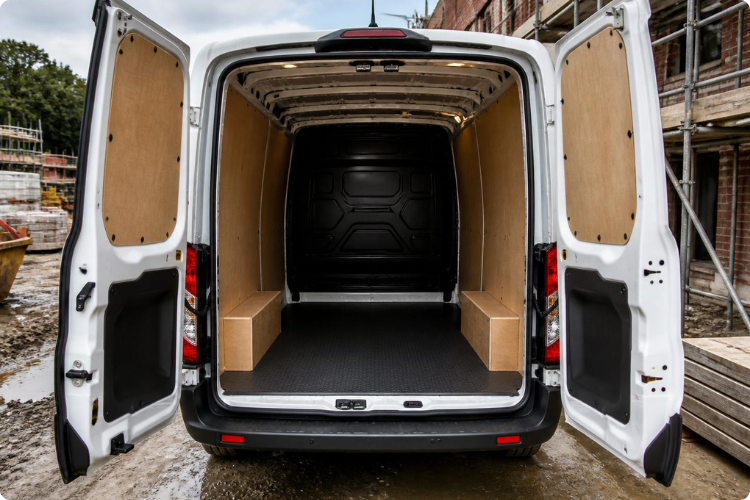
Ply Lining and Protective Flooring
Ply lining protects the interior of commercial vehicles from everyday wear and tear.
It is particularly useful for businesses transporting:
- Tools
- Building materials
- Equipment
- Heavy goods
Benefits include:
- Protecting the vehicle’s interior panels
- Reducing damage caused by cargo movement
- Improving durability
- Helping maintain resale value
Many businesses combine ply lining with:
- Rubber flooring
- Wheel arch protection
- Load restraint systems
- Shelving installations
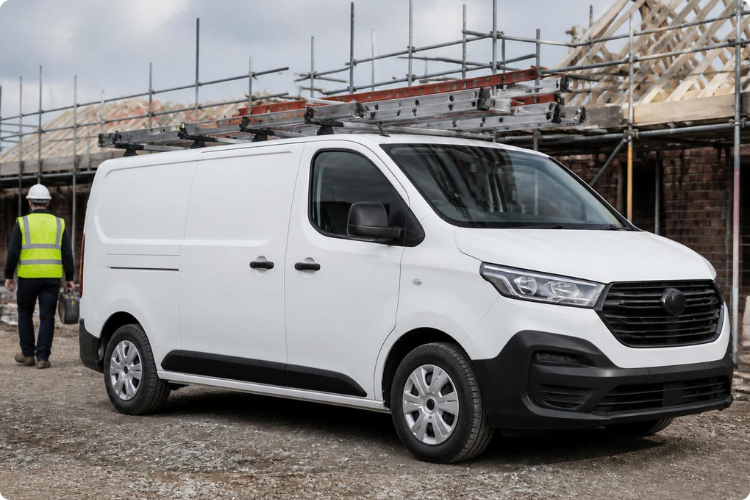
Ladder Racks and Roof Bars
Roof-mounted storage solutions allow businesses to transport long items safely without reducing internal load space.
Common users include:
- Builders
- Roofers
- Window installers
- Electricians
- Maintenance companies
Typical items transported include:
- Ladders
- Pipes
- Timber
- Roof materials
- Specialist equipment
Benefits include:
- Increased carrying capacity
- Better organisation
- Improved accessibility
- More efficient use of vehicle space
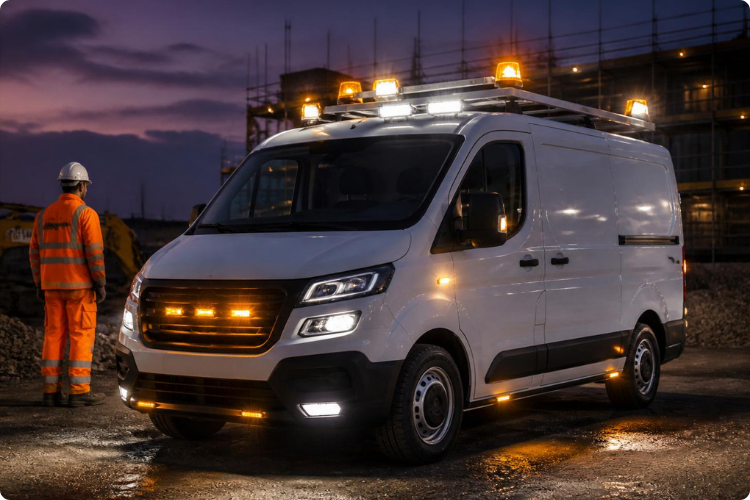
Beacons, Light Bars and Work Lighting
Additional lighting solutions improve safety and visibility, particularly for businesses operating in challenging environments.
They are commonly used by:
- Highway contractors
- Utility companies
- Recovery operators
- Construction businesses
- Maintenance teams
Options include:
- Amber beacons
- LED light bars
- Work lights
- Rear loading lights
- Interior LED lighting
Improved lighting allows employees to work more effectively during early mornings, evenings or low-light conditions.
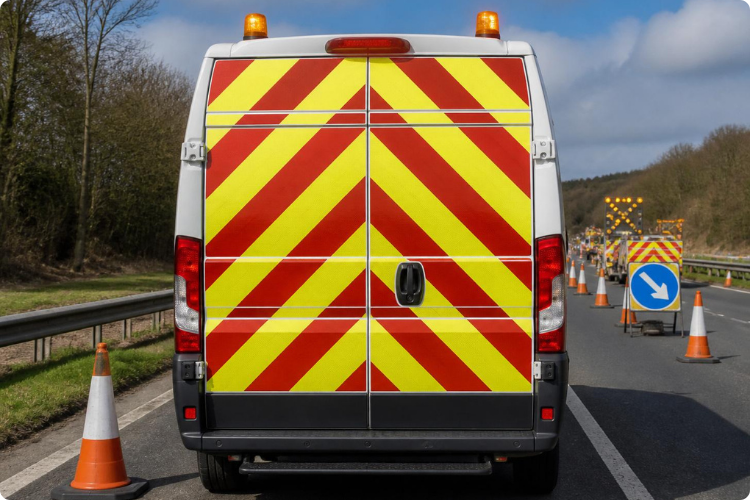
Chapter 8 Chevrons and Vehicle Safety Markings
Chapter 8 markings help improve visibility for vehicles operating on or near public roads.
They are commonly fitted to:
- Traffic management vehicles
- Utility vehicles
- Highway maintenance vehicles
- Construction support vehicles
Features can include:
- Reflective chevron kits
- High-visibility markings
- Safety decals
- Company identification graphics
For businesses working in roadside environments, visibility is a crucial safety consideration.
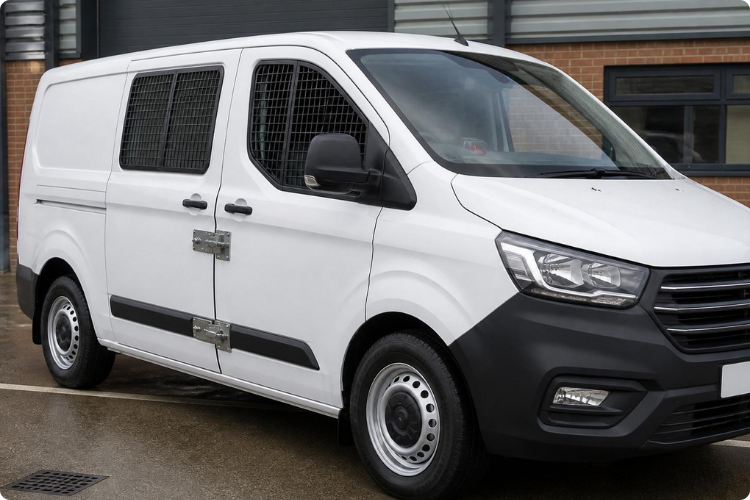
Van Security Upgrades
Commercial vehicles often carry valuable tools and equipment, making security an important consideration.
Security upgrades can include:
- Security gates
- Lock protection systems
- Alarm systems
- Tracking devices
- Additional locking solutions
These upgrades help businesses reduce theft risks and provide greater confidence when vehicles are left unattended.
Vehicle Branding and Signwriting
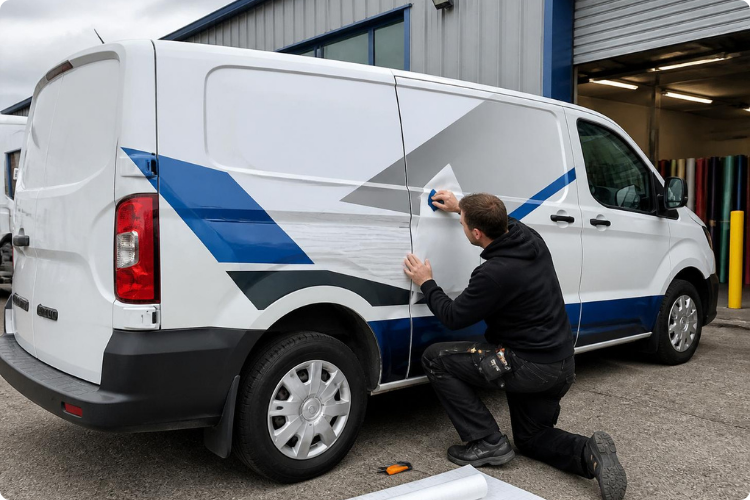
A commercial vehicle is more than just a method of transport—it is also a mobile advertising opportunity.
Vehicle graphics and signwriting allow businesses to promote their services wherever they travel.
Benefits include:
- Increased brand awareness
- Professional appearance
- Local marketing opportunities
- Improved customer recognition
Businesses can choose from:
- Simple logo application
- Contact information
- Full vehicle wraps
- Fleet branding packages
For companies operating multiple vehicles, consistent branding creates a professional and recognisable fleet image.
Commercial Vehicle Accessories vs Full Conversions
Commercial Vehicle Accessories vs Full Conversions
Not every business requires a full vehicle conversion. Some operations only need additional equipment fitted to improve storage, security or practicality.
| Accessories | Full Conversions |
|---|---|
| Shelving | Refrigerated bodies |
| Roof bars | Tipper bodies |
| Ladder racks | Dropside conversions |
| Ply lining | Welfare units |
| Lighting | Mobile workshops |
| Security upgrades | Specialist vehicles |
Accessories are usually ideal for businesses looking to improve an existing van, while conversions are designed for companies requiring a vehicle built around a specific operational purpose.
Accessories include:
Whereas, conversions involve larger structural changes.
Choosing the Right Commercial Vehicle Conversion
Selecting the right conversion requires careful planning.
Before deciding on a specification, businesses should consider:
Vehicle Size
The vehicle must provide enough capacity without becoming unnecessarily expensive to operate.
Consider:
- Payload requirements
- Parking restrictions
- Daily mileage
- Driver requirements
Payload and Weight Limits
Every conversion adds additional weight, so it is important to ensure the finished vehicle remains within legal limits.
Consider:
- Equipment weight
- Tools carried
- Materials transported
- Passenger requirements
Overloading a commercial vehicle can create safety risks and may result in penalties.
Industry Requirements
Different industries require different solutions.
For example:
A plumber may require:
- Shelving
- Tool storage
- Pipe carriers
A catering business may need:
- Refrigeration
- Temperature monitoring
A highways contractor may require:
- Chapter 8 markings
- Beacons
- Specialist storage
The best conversion is one designed around how the vehicle will actually be used.
Future Business Growth
Businesses should consider future requirements when specifying vehicles.
A conversion that works today should also support growth over the coming years.
Questions to consider:
- Will more equipment be needed?
- Could the business expand into new services?
- Will additional employees use the vehicles?
- Will the fleet need standardisation?
Can You Lease a Converted Commercial Vehicle?
Yes, many converted commercial vehicles can be leased.
Leasing a converted vehicle allows businesses to access a fully prepared vehicle without the upfront cost of purchasing the vehicle and conversion separately.
Benefits include:
Improved Cash Flow
Instead of paying a large upfront amount, businesses can spread the cost through fixed monthly payments.
A Vehicle Ready From Day One
Professionally converted vehicles can be delivered ready for work, reducing downtime and eliminating the need for businesses to arrange modifications themselves.
Easier Fleet Management
Businesses can combine vehicle finance and conversion costs into a single solution, making fleet planning simpler.
Access to Specialist Expertise
Working with a commercial vehicle leasing provider experienced in conversions helps ensure the correct vehicle and specification are selected.
Why Choose Commercial Vehicle Contracts for Converted Vehicles?
Commercial Vehicle Contracts helps UK businesses source, finance and customise commercial vehicles to meet their operational requirements.
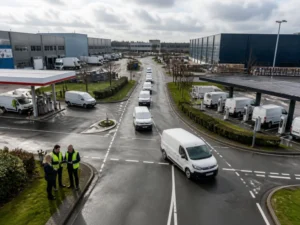
Unlike standard leasing providers, we can help coordinate both the vehicle supply and specialist conversion process, ensuring vehicles arrive ready for work.
Our commercial vehicle solutions include:
- Van leasing
- Pickup leasing
- Minibus leasing
- Fleet solutions
- Electric commercial vehicles
- Specialist conversions
- Vehicle accessories
- Bespoke modifications
From refrigeration and shelving to welfare vehicles and specialist fleet solutions, we help businesses create vehicles designed around their needs.
A commercial vehicle conversion involves modifying a standard van, pickup or chassis cab to create a vehicle designed for a specific business purpose.
Yes. Many commercial vehicle conversions can be included as part of a leasing agreement, allowing businesses to spread the cost through monthly payments.
Popular conversion vehicles include the Ford Transit, Mercedes-Benz Sprinter, Renault Master, Volkswagen Crafter, Iveco Daily and various pickup trucks.
Yes, many electric vans can be adapted with accessories and specialist equipment, although payload, weight and technical considerations must be reviewed.
Factory-approved and professionally completed conversions can help maintain vehicle reliability and warranty protection.
Timescales depend on the complexity of the conversion. Simple accessory installations may take a short time, while specialist builds can require additional planning and manufacturing.
Yes. Many businesses choose to have conversions, accessories and branding completed before receiving their vehicle.
Converted vehicles are used by:
- Construction companies
- Engineering firms
- Healthcare providers
- Utilities
- Logistics businesses
- Emergency services
- Tradespeople
- Local authorities
Yes, conversions can often be arranged before delivery as part of a leasing agreement, ensuring the vehicle arrives ready for business use.
Yes. Many businesses operate fleets of converted vehicles with standardised layouts to improve efficiency, safety and maintenance.
 Call our expert team on