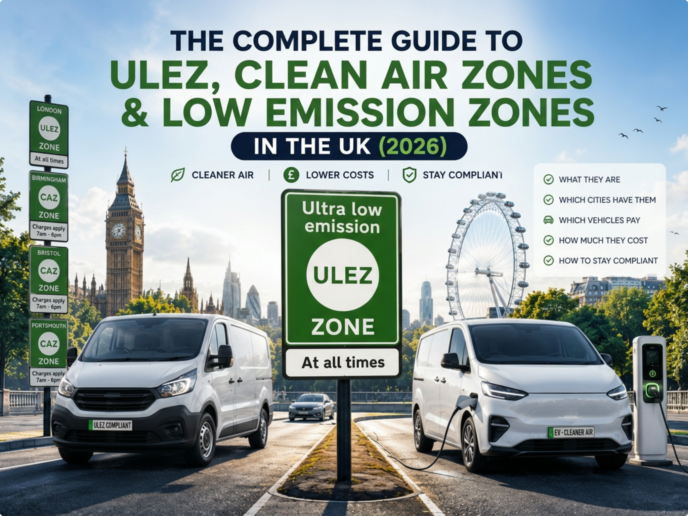
As the UK continues its journey towards cleaner air and lower vehicle emissions, businesses and motorists face an increasingly complex landscape of charging zones, environmental regulations and vehicle compliance requirements. Whether you operate a single company van or manage an entire fleet, understanding Ultra Low Emission Zones (ULEZ), Clean Air Zones (CAZs) and Low Emission Zones (LEZs) is essential for controlling costs and avoiding unexpected charges.
With more towns and cities introducing measures to improve air quality, choosing the right vehicle has become more important than ever. For many businesses, upgrading to a newer Euro 6 diesel, petrol vehicle or electric vehicle (EV) can significantly reduce daily operating costs while helping meet wider environmental goals.
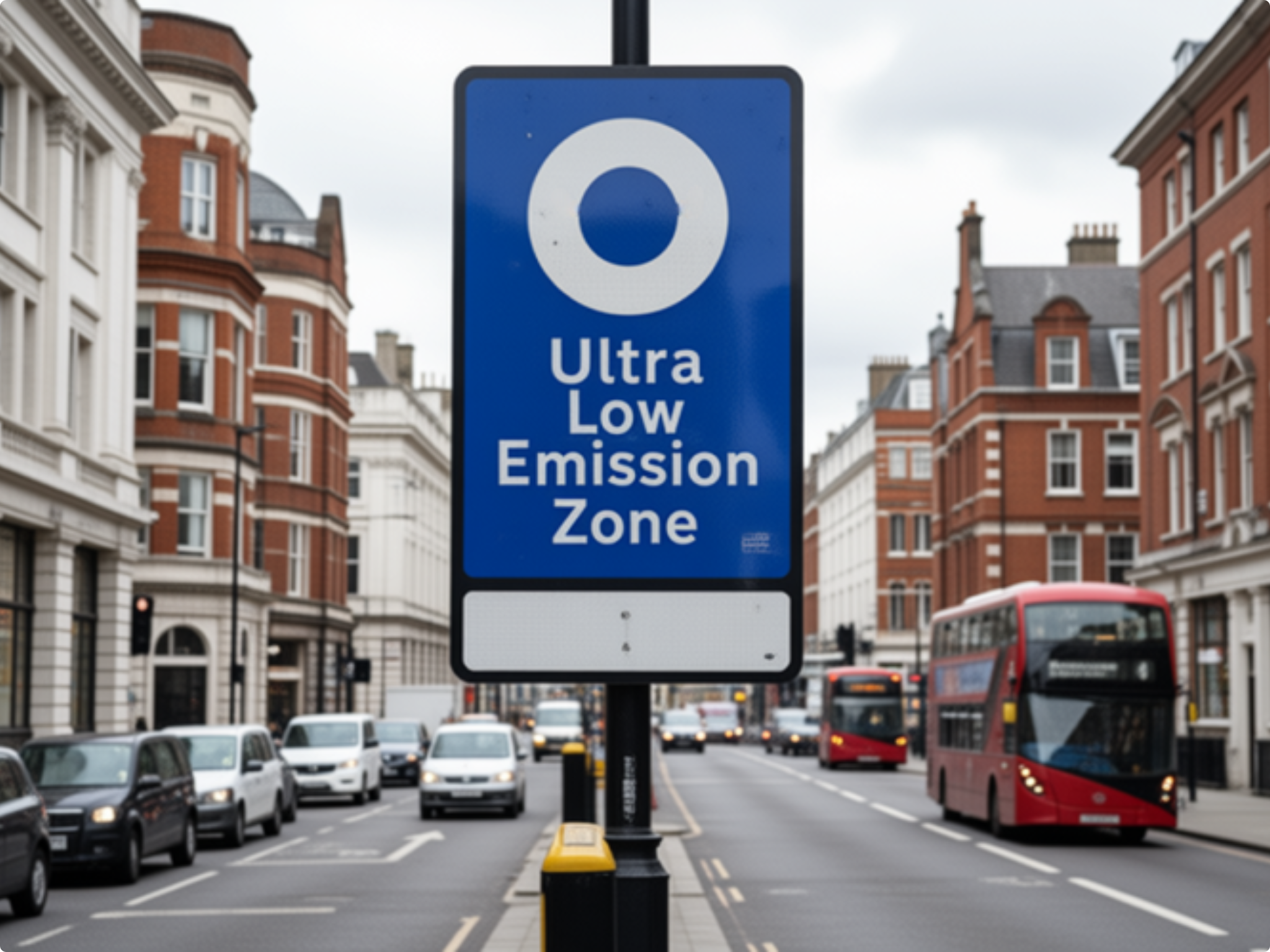
In this guide, we’ll explain everything you need to know about ULEZ, Clean Air Zones and Low Emission Zones in the UK, including how they work, which vehicles are affected, current charges and how businesses can prepare for the future.
What Is ULEZ?
ULEZ stands for Ultra Low Emission Zone. It is an emissions-based charging scheme designed to improve air quality by encouraging drivers to use cleaner, lower-emission vehicles.
Unlike the Congestion Charge, which is designed to reduce traffic volumes, ULEZ specifically targets vehicle emissions. If your vehicle does not meet the required emissions standards, you’ll need to pay a daily charge to drive within the zone.
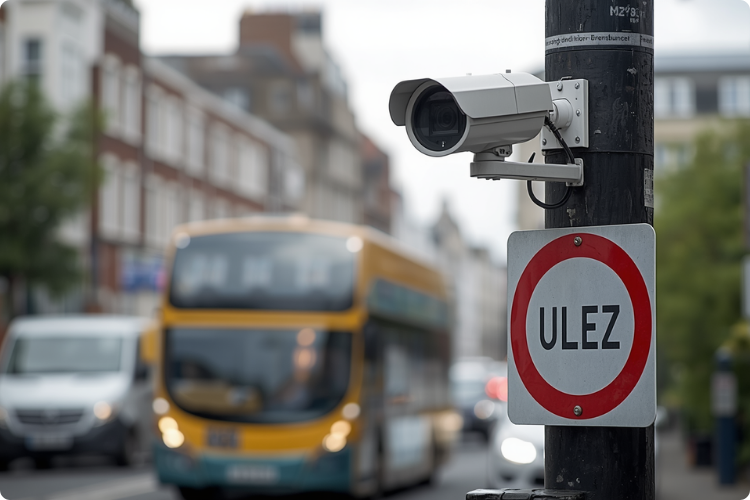
The scheme operates using Automatic Number Plate Recognition (ANPR) cameras, which identify vehicles entering the zone and determine whether a charge applies.
Why Was ULEZ Introduced?
Road transport remains one of the largest contributors to urban air pollution. Nitrogen oxides (NOx) and particulate matter (PM) emitted by older diesel and petrol vehicles have been linked to respiratory illnesses, cardiovascular disease and reduced air quality.
ULEZ aims to:
- Reduce harmful vehicle emissions
- Encourage cleaner transport
- Improve public health
- Support the UK’s wider net-zero ambitions
What Is a Clean Air Zone (CAZ)?
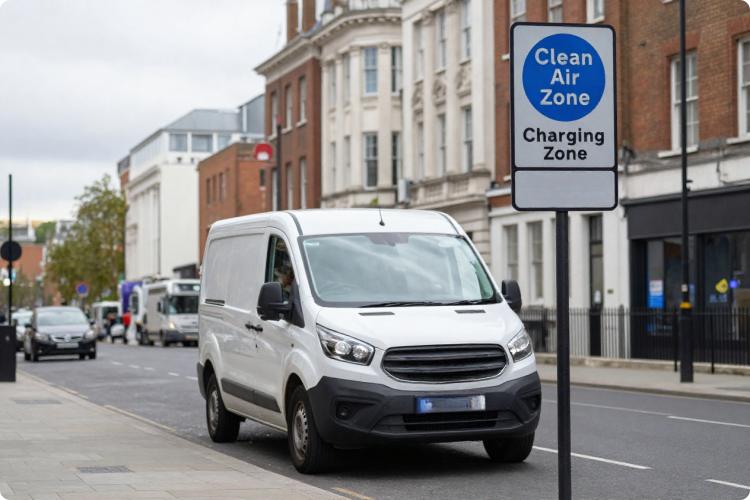
Outside London, many cities operate Clean Air Zones (CAZs). These zones work in a similar way to ULEZ but are managed by individual local authorities.
Each Clean Air Zone is designed to improve local air quality by discouraging the use of the highest-polluting vehicles.
Unlike ULEZ, every Clean Air Zone can have slightly different rules depending on local air quality requirements.
The Four Types of Clean Air Zone
Class A
Charges apply to:
- Buses
- Coaches
- Taxis
- Private hire vehicles
Class B
Includes everything in Class A plus:
- Heavy Goods Vehicles (HGVs)
Class C
Includes:
- Buses
- Coaches
- Taxis
- HGVs
- Light Goods Vehicles (LGVs) and vans
Class D
The most comprehensive category.
May include:
- Cars
- Vans
- Taxis
- Private hire vehicles
- Buses
- Coaches
- HGVs
Each local authority determines which vehicle categories are charged.
What Is a Low Emission Zone (LEZ)?
A Low Emission Zone (LEZ) is another emissions-control scheme, although its scope differs from ULEZ.
London’s LEZ primarily targets larger commercial vehicles, including:
- Heavy Goods Vehicles
- Lorries
- Coaches
- Large buses
- Certain specialist vehicles
Smaller vans and cars are generally governed by ULEZ rather than LEZ requirements.
ULEZ vs LEZ vs Clean Air Zones
Although these schemes share the same goal of improving air quality, they operate differently.
Drivers in London should also be aware that emissions charging schemes operate alongside other measures, including changes to the Congestion Charge. Read our guide on London’s Congestion Charge changes for more information.
| Scheme | Location | Main Vehicles Affected | Purpose |
|---|---|---|---|
| ULEZ (Ultra Low Emission Zone) | London | Older cars, vans and motorcycles | Reduce urban emissions |
| LEZ (Low Emission Zone) | London | Heavy commercial vehicles | Improve heavy vehicle emissions |
| CAZ (Clean Air Zone) | Various UK cities | Depends on the local authority | Improve local air quality |
Which UK Cities Have Clean Air Zones?
Several UK cities now operate Clean Air Zones or similar emissions charging schemes.
These include:
- London (ULEZ and LEZ)
- Birmingham
- Bath
- Bradford
- Bristol
- Portsmouth
- Sheffield
- Newcastle and Gateshead
As environmental legislation evolves, additional towns and cities may introduce similar measures in the future.
Businesses operating nationally should regularly review the latest local authority guidance before planning journeys.
Which Vehicles Are ULEZ Compliant?
Compliance depends on your vehicle’s emissions standard rather than its age alone.
Petrol Vehicles
Generally, petrol vehicles meeting Euro 4 emissions standards or newer comply.
In many cases, this includes vehicles first registered from around 2006 onwards.
Diesel Vehicles
Most diesel vehicles must meet Euro 6 standards.
Typically, this applies to vehicles first registered from September 2015 onwards, although there are exceptions.
Electric Vehicles
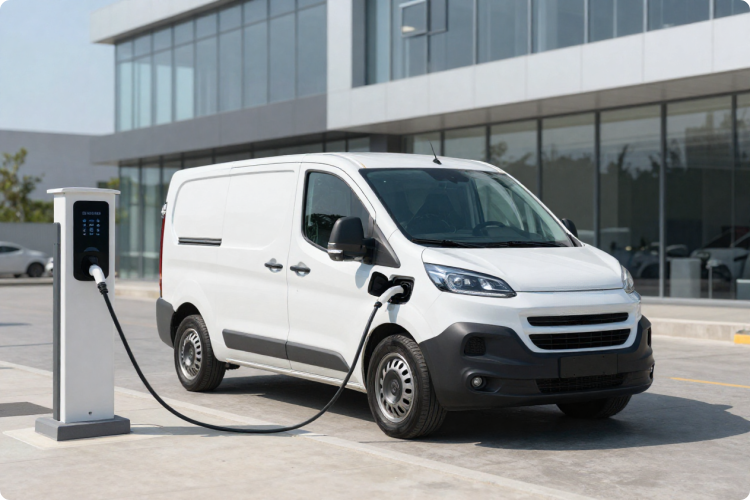
Battery electric vehicles produce zero tailpipe emissions and generally comply with ULEZ requirements.
Hybrid Vehicles
Hybrid vehicles are assessed according to their emissions standard, not simply because they are hybrids.
Which Vans Must Pay ULEZ Charges?
Commercial vehicles are assessed using exactly the same emissions standards.
Older diesel vans remain the most likely to incur daily charges.
Businesses operating:
- Euro 5 diesel vans
- Older commercial vehicles
- Legacy fleet vehicles
may find daily charges quickly accumulate over time.
For organisations making regular trips into cities, replacing older vehicles can often become more economical than continuing to pay daily fees.
How Much Are ULEZ Charges?
Charges vary depending on the scheme and vehicle type.
If your vehicle does not meet the required emissions standards, you’ll usually need to pay a daily charge whenever driving within the designated zone.
Failure to pay can result in Penalty Charge Notices (PCNs).
As charging structures may change over time, drivers should always check the latest published charges before travelling.
How Can I Check If My Vehicle Is Compliant?
Fortunately, checking compliance is straightforward.
You’ll typically need:
- Your vehicle registration number
- Vehicle registration document (V5C)
- Manufacturer emissions information (if required)
Most official checking services allow drivers to enter a registration number and instantly determine whether charges apply.
Are Electric Vehicles Exempt?
Electric vehicles remain one of the easiest ways for businesses to avoid emissions charging schemes.
Benefits include:
- Zero tailpipe emissions
- ULEZ compliance
- Lower servicing requirements
- Reduced fuel costs
- Potential tax advantages
- Improved environmental credentials
As the UK’s charging infrastructure continues to expand, many businesses are transitioning towards fully electric fleets. Businesses considering the switch can learn more in our guide to electric vehicle charging, including charging options, infrastructure and practical considerations.
Should Businesses Upgrade Their Vans?
For businesses regularly entering cities with emissions charging schemes, upgrading vehicles can often make financial sense.
Consider an older diesel van entering a charging zone five days each week.
Over the course of a year, daily charges alone could amount to several thousand pounds, before fuel, servicing and maintenance costs are even considered.
By comparison, a newer Euro 6 diesel or fully electric van may eliminate these charges entirely while also offering:
- Lower running costs
- Better fuel efficiency
- Manufacturer warranty
- Improved reliability
- Enhanced driver comfort
- Lower maintenance costs
Businesses considering electric alternatives can explore our guide to the best small electric vans available today for an overview of suitable models for commercial use.
Vehicle leasing can also help businesses spread costs through predictable monthly payments rather than large upfront purchases. For companies considering this route, there are also potential advantages explained in our guide to leasing through a limited company.
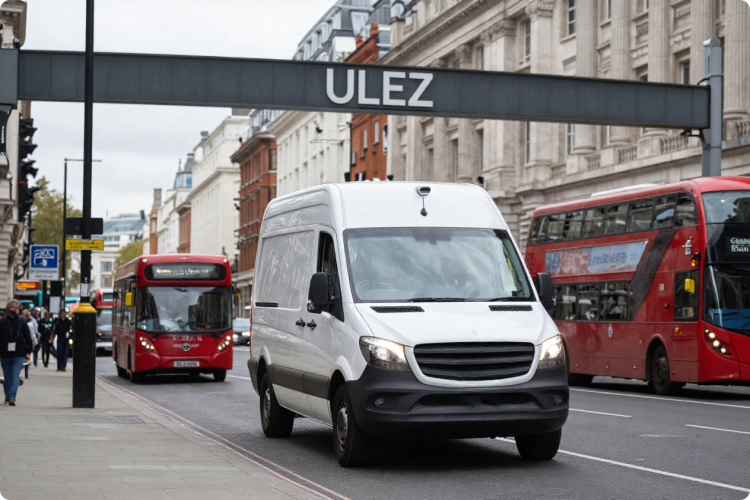
Benefits of Leasing a ULEZ-Compliant Vehicle
Many organisations are choosing vehicle leasing as a practical way to remain compliant with evolving environmental regulations. For new companies, our guide on How to Lease a Van as a New Business explains the process, costs and key considerations.
Benefits include:
Predictable Monthly Costs
Fixed monthly payments make budgeting easier, which is why many businesses choose Business Contract Hire (BCH) as a flexible way to access newer, compliant vehicles.
Access to the Latest Technology
Newer vehicles often include:
- Advanced safety systems
- Better fuel economy
- Improved connectivity
- Lower emissions
Reduced Maintenance Concerns
Many leasing agreements include maintenance packages, helping minimise unexpected repair bills.
Easier Fleet Upgrades
Businesses can regularly refresh their fleet as emissions standards evolve.
How Clean Air Zones Affect Fleet Operators
Fleet operators face unique challenges when managing multiple vehicles across different regions. These considerations apply to company cars as well as commercial vehicles. Businesses can explore their options in our complete guide to business car leasing.
Important considerations include:
- Route planning
- Driver awareness
- Vehicle compliance
- Operating costs
- Fleet replacement cycles
Modern fleet management software can help identify which vehicles remain compliant while reducing unnecessary journeys through charging zones.
Preparing Your Business for the Future
Environmental regulations are unlikely to become less demanding in the coming years. Instead, businesses should expect continued investment in cleaner transport, electric vehicle infrastructure and emissions reduction initiatives.
Planning ahead can help organisations minimise disruption while controlling long-term operating costs.
Businesses should consider:
- Reviewing fleet emissions regularly
- Replacing older vehicles before they become expensive to operate
- Exploring electric, hybrid and alternative fuel options through resources such as our guide to Driving an Electric or Hydrogen Vehicle
- Considering business leasing and understanding your vehicle finance options to spread costs
- Monitoring changes to local Clean Air Zones
Forward planning not only reduces exposure to daily charging schemes but can also improve operational efficiency and support wider sustainability objectives.
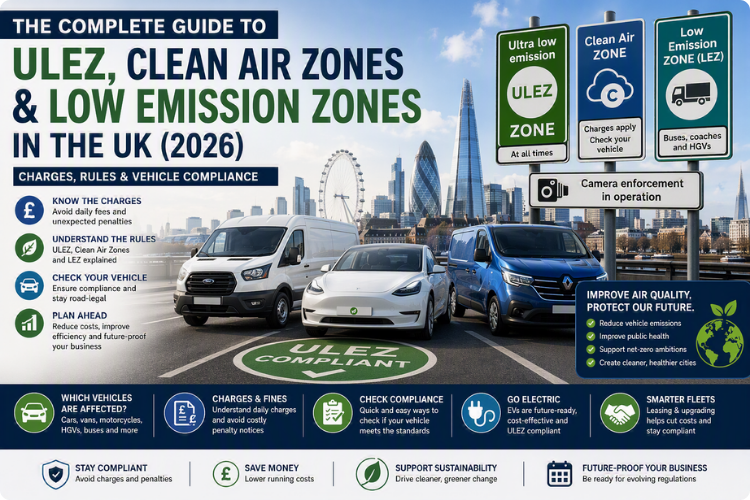
Find Your Next ULEZ-Compliant Business Vehicle
Choosing the right vehicle is becoming increasingly important as businesses adapt to changing emissions regulations, rising operating costs and new clean air requirements across the UK.
Whether you are replacing older vans, expanding your fleet or looking for a more efficient business vehicle, selecting a model that meets current emissions standards can help improve reliability, reduce running costs and support long-term fleet planning.
The way you fund your vehicles is also an important consideration. Many businesses choose leasing as a flexible way to access newer, compliant vehicles while managing monthly budgets effectively. Learn more about the benefits of leasing through a limited company and how it can support your wider vehicle strategy.
With more organisations looking to reduce emissions and improve sustainability, electric vehicles are becoming an increasingly popular choice for business fleets. Switching to electric can help businesses prepare for future regulations while benefiting from lower running costs and improved environmental credentials.
Driver safety and compliance should also remain a priority for every organisation operating company vehicles. Maintaining responsible driving practices, keeping vehicles well-maintained, and ensuring drivers understand their responsibilities all contribute to safer and more efficient fleet operations.
ULEZ stands for Ultra Low Emission Zone. It is an emissions-based charging scheme designed to improve air quality by encouraging the use of cleaner, lower-emission vehicles.
No. ULEZ and the Congestion Charge are separate schemes.
The Congestion Charge is designed to reduce traffic congestion, while ULEZ focuses on reducing vehicle emissions. Depending on your vehicle and where you drive, you may need to pay one charge, both, or neither.
You can check your vehicle’s compliance by entering your registration number into the official ULEZ vehicle checker. Compliance is based on your vehicle’s emissions standard rather than its age.
Most diesel vehicles must meet the Euro 6 emissions standard to comply with ULEZ requirements. In many cases, this includes vehicles first registered from September 2015 onwards, although there are exceptions.
Most petrol vehicles must meet the Euro 4 emissions standard or newer. This generally includes vehicles first registered from around 2006 onwards.
Battery electric vehicles produce zero tailpipe emissions and generally comply with ULEZ requirements, meaning they do not pay the ULEZ charge when driven within the zone.
Not necessarily. Hybrid vehicles are assessed based on their emissions standard rather than the fact they are hybrid. If they meet the required standard, they can travel within the ULEZ without paying the daily charge.
Yes, if they do not meet the required emissions standards. Vans are assessed using the same emissions criteria as cars, so older diesel vans are the most likely to incur charges.
Yes. Motorcycles must meet the required emissions standards to avoid paying the ULEZ charge. Older motorcycles that do not comply may be subject to daily charges.
Drivers should always check the latest operating days and hours before travelling, as these may change over time.
If you fail to pay the required charge, you may receive a Penalty Charge Notice (PCN). Paying promptly can help avoid additional enforcement action or increased penalties.
Several cities currently operate Clean Air Zones or similar emissions charging schemes, including Birmingham, Bath, Bradford, Bristol, Portsmouth, Sheffield, Newcastle and Gateshead, alongside London’s ULEZ and LEZ.
Yes, if your vehicle meets the relevant emissions standards for that particular zone. Non-compliant vehicles may need to pay a daily charge.
It’s possible. As air quality and environmental policies continue to evolve, additional local authorities may introduce Clean Air Zones or similar emissions schemes where needed.
For businesses and drivers who regularly enter charging zones, upgrading to a ULEZ-compliant petrol, Euro 6 diesel or electric vehicle can often prove more cost-effective over time than paying daily charges. The best option depends on how frequently you drive within emissions charging zones and your overall running costs.
Explore a wide range of cars, vans, pickups, electric vehicles, and commercial vehicles from leading manufacturers to find the right solution for your business. Whether you need a single vehicle or a complete fleet upgrade, choosing the right vehicle today can help your business stay compliant and prepared for the future.
 Call our expert team on