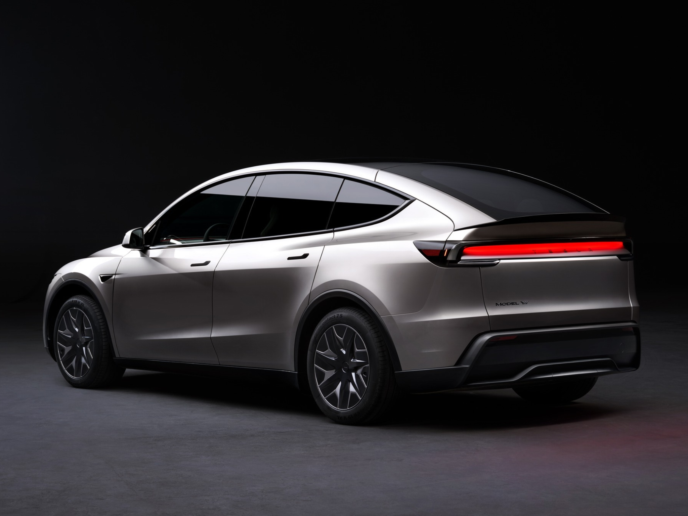
Tesla has dropped the Full Self-Driving name for its driver assistance technology across European markets, including the UK, following concerns that the branding could give motorists an inaccurate impression of how much control the system actually has over a vehicle.
The technology, previously marketed as Full Self-Driving (FSD), is now being presented as Tesla Assisted Driving on the manufacturer’s European websites. The change reflects growing regulatory scrutiny of how manufacturers describe advanced driver assistance systems (ADAS), particularly where product names could suggest that a vehicle is capable of operating without human supervision.
For UK motorists and businesses considering vehicles with increasingly sophisticated driving technology, the distinction is important. Despite the name change, drivers must continue to monitor the road, remain attentive and take responsibility for controlling their vehicles.
Why Has Tesla Changed Its Full Self-Driving Name?
The rebranding follows concerns raised by German transport authorities about the potential for the Full Self-Driving name to mislead consumers.
Although Tesla’s technology can assist with several driving functions, including steering, acceleration and braking, it does not remove the driver’s responsibility to supervise the vehicle.
Germany’s transport ministry reportedly considered the previous branding misleading because it could suggest that the technology was capable of undertaking the entire driving task independently.
Tesla subsequently agreed to adopt the revised terminology for its European offering. The new Tesla Assisted Driving name has appeared across several European markets, including the UK.
The change also comes as manufacturers face increasing pressure to communicate the capabilities and limitations of vehicle technology more clearly.
It is particularly relevant as advanced driver assistance systems become more widely available, with features such as adaptive cruise control, lane-keeping assistance, automatic emergency braking and traffic-aware driving support increasingly appearing across passenger cars and commercial vehicles.
What Does Tesla Assisted Driving Actually Do?
Tesla Assisted Driving is intended to support the person behind the wheel rather than replace them.
Its technology combines several driver assistance functions designed to help with aspects of vehicle movement and control. Depending on the vehicle, software version, market approval and operating conditions, these can include:
- Steering assistance: Helps maintain the vehicle’s position within its lane.
- Acceleration and braking: Assists with controlling speed and responding to traffic conditions.
- Traffic-aware driving: Helps the vehicle respond to surrounding traffic when the relevant functions are available.
- Driving assistance: Supports the driver during certain manoeuvres and driving situations.
However, these capabilities should not be confused with fully autonomous driving.
The driver must remain attentive, monitor the road and be ready to intervene whenever necessary. The technology does not transfer legal responsibility for driving away from the person behind the wheel.
This distinction is important for businesses operating company cars and vans, particularly where employees may assume that increasingly advanced technology means they can become less involved in monitoring their vehicles.
CVC has previously explored how manufacturers are developing these systems in its guide to Ford BlueCruise technology in the UK, which provides another example of how assisted driving is developing across the automotive market.
UK Government Introduces Tighter Rules On Self-Driving Terminology
Tesla’s decision comes at a significant time for the UK automotive industry, with the Government preparing new restrictions on how manufacturers and businesses can market automated driving technology.
Under the Automated Vehicles Act 2024, the Government is introducing specific protections around terminology used to describe vehicles capable of driving themselves.
The marketing restrictions are scheduled to come into force on 7 January 2027.
The intention is to prevent manufacturers from using language that could lead motorists to believe a vehicle can operate independently when it still requires continuous human supervision.
The protected terminology includes:
- Self-driving
- Driverless
- Drive itself
- Automated driving
- Autonomous driving
- Driving autonomously
The restrictions also cover relevant grammatical variations of these expressions.
Importantly, the legislation is not intended to prevent manufacturers from developing or advertising driver assistance technology. Instead, it establishes a clearer distinction between systems that support a human driver and vehicles that have been authorised or listed as capable of driving themselves safely and legally.
Certain established descriptions of individual vehicle functions, such as autonomous emergency braking, are treated differently from claims that an entire vehicle is autonomous.
The Government’s position is that a vehicle should only be described as self-driving where it meets the relevant legal requirements and does not depend on a person monitoring the road with a view to immediate intervention.
Businesses and manufacturers will therefore need to consider their vehicle marketing, product descriptions and promotional material ahead of the January 2027 implementation date.
What Does This Mean For Businesses And Fleet Operators?
The growing availability of driver assistance technology has implications for businesses managing company cars, vans and larger vehicle fleets.
Features designed to reduce driver workload can offer practical benefits, particularly for employees who spend significant time travelling between customer appointments, delivery locations and business premises.
However, the introduction of more sophisticated technology does not remove the need for appropriate driver training, vehicle policies and ongoing safety management.
Fleet operators should consider several areas:
Driver awareness and training
Employees need to understand what their vehicle’s assistance systems can and cannot do. Drivers should know when a system is active, its limitations and when manual intervention is required.
Company vehicle policies
Businesses should ensure their policies clearly explain driver responsibilities when using vehicles equipped with advanced assistance technology. This includes maintaining attention, responding to warnings and never assuming that a vehicle can safely manage every driving situation independently.
Vehicle specification
When selecting new company cars and vans, fleet managers should consider which safety and assistance features are included as standard, which are optional and whether they are appropriate for the vehicles’ intended use.
Risk assessments and compliance
The introduction of additional technology should not replace established fleet safety procedures. Employers still need to consider driver behaviour, vehicle suitability, road conditions and the risks associated with business journeys.
CVC’s company vehicle policy guide provides further information about establishing clear rules for employees using business vehicles. Fleet operators can also refer to the fleet risk assessment guide when reviewing their approach to vehicle safety and driver responsibilities.
The Wider Move Towards Autonomous Vehicles
Tesla’s rebranding highlights a wider challenge facing the automotive industry as manufacturers continue investing in increasingly advanced driving technology.
There is a significant difference between systems that assist drivers and vehicles capable of completing journeys without human intervention.
The distinction is particularly important as autonomous vehicle development moves beyond controlled testing environments and towards commercial applications.
Companies including Waymo, Toyota and other automotive technology developers are exploring how autonomous vehicles could eventually support passenger transport, mobility services and business operations.
For example, Toyota and Waymo’s autonomous vehicle collaboration demonstrates how manufacturers and technology companies are working together to develop future self-driving capabilities.
Meanwhile, developments involving Wayve and Uber’s autonomous vehicle plans illustrate the potential for driverless technology to influence commercial transport and fleet operations.
However, regulatory approval, safety testing and public confidence remain essential before these technologies can become widely established.
CVC has also examined the potential implications in its guide to autonomous vehicles and the impact on UK fleet leasing.
For businesses, the longer-term question is how these developments could influence vehicle purchasing and leasing decisions, operating costs, insurance requirements and the responsibilities of fleet managers.
What Should UK Drivers Expect Next?
Tesla’s decision to replace Full Self-Driving with Tesla Assisted Driving is part of a broader move towards clearer terminology and more transparent descriptions of vehicle technology.
With the UK’s new marketing restrictions due to take effect in January 2027, manufacturers will need to ensure their descriptions accurately reflect what their vehicles are legally permitted and technically capable of doing.
For drivers, the message remains straightforward: driver assistance technology can support the driving process, but it does not mean that the vehicle can take responsibility for the journey.
As vehicle technology continues to develop, understanding the difference between assistance and genuine autonomous driving will become increasingly important for motorists, employers and fleet operators.
 Call our expert team on