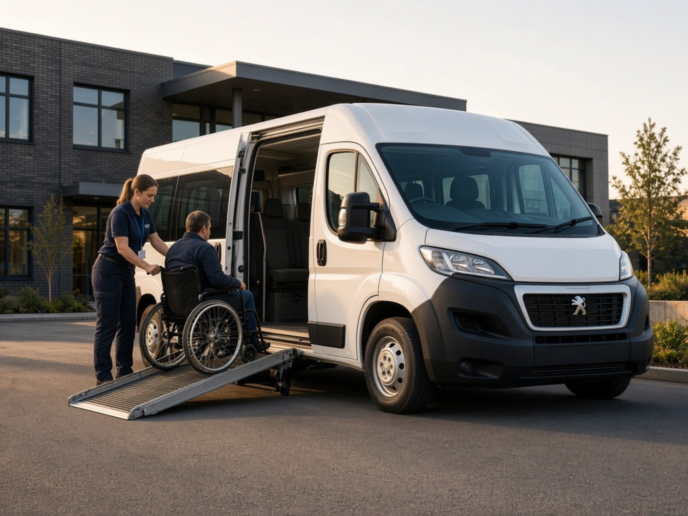
Businesses and organisations that transport groups of passengers may need a vehicle that combines generous seating capacity with practical accessibility features. The Peugeot Boxer 17-seat minibus with a wheelchair-accessible ramp offers a solution worth considering for passenger transport operators, care providers, educational establishments and other organisations with specific transport requirements.
For businesses looking to lease a 17-seat minibus with wheelchair access, choosing the right vehicle means considering passenger capacity, accessibility, luggage requirements and day-to-day operating costs. The right specification can help organisations transport passengers more conveniently while making better use of their available vehicle budget.
Commercial Vehicle Contracts (CVC) provides minibus finance across the UK, helping businesses compare vehicles and finance options to suit their requirements.
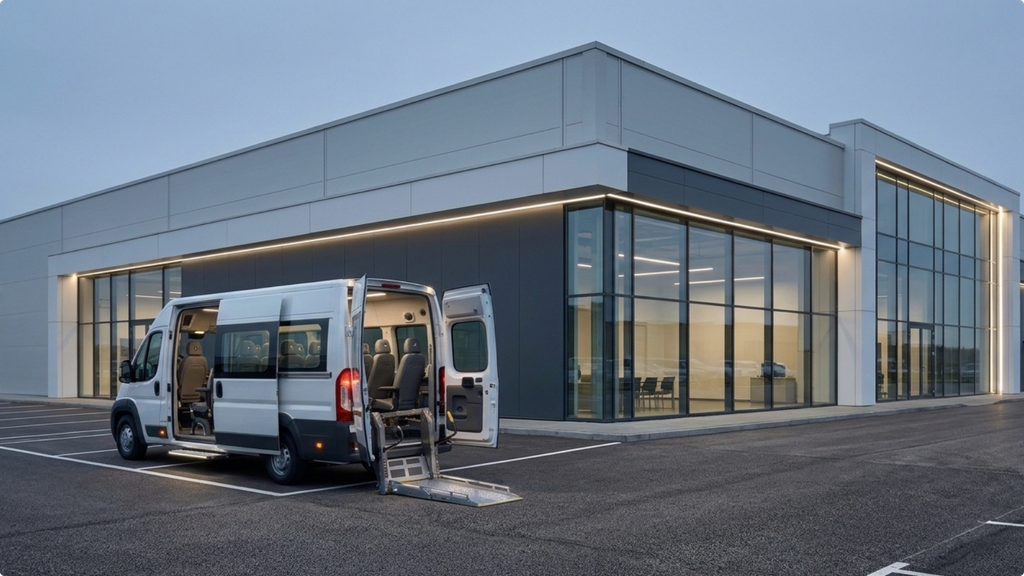
Peugeot Boxer 17-Seat Minibus With Wheelchair Access
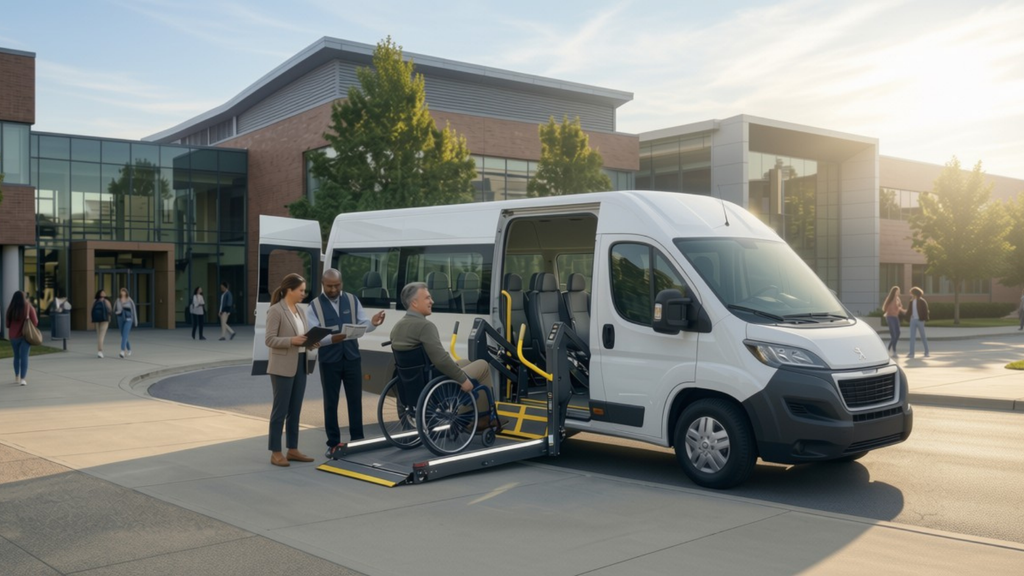
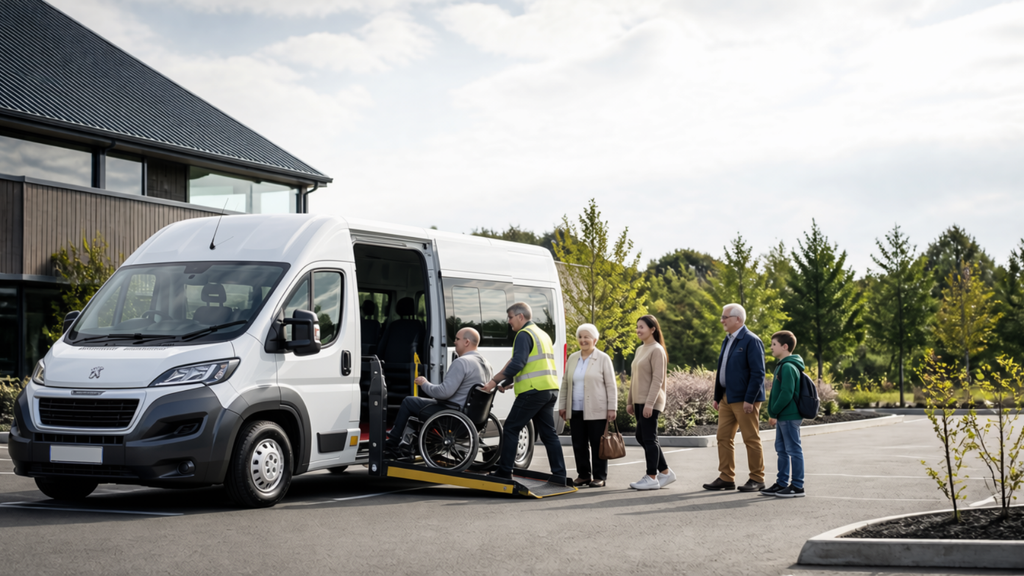
The Peugeot Boxer is a large commercial vehicle platform used for a variety of transport and conversion applications. In this configuration, the vehicle combines a 17-seat minibus layout with a wheelchair-accessible ramp, bringing passenger transport and accessibility together in one vehicle.
This makes it a potential option for organisations that need to accommodate larger passenger groups while also considering the needs of wheelchair users.
Rather than arranging separate transport for every passenger, a suitably configured accessible minibus can help organisations coordinate group journeys more effectively.
Before choosing a vehicle, businesses should confirm the approved seating arrangement, the number of wheelchair positions available, the ramp specification and the vehicle’s permitted passenger capacity. These details are particularly important when planning regular passenger transport.
For organisations comparing different vehicle sizes and configurations, CVC’s minibus lease deals provide a starting point for exploring available options.
Who Could Benefit From A 17-Seat Accessible Minibus?
A 17-seat minibus with a wheelchair ramp may suit a range of organisations, depending on its precise configuration and intended use.
Care Providers And Assisted Transport Services
Care providers and organisations arranging transport for people with mobility requirements may need a vehicle that supports group travel while accommodating wheelchair users.
An accessible minibus could be considered for planned journeys to activities, appointments, community facilities or other destinations, subject to the vehicle’s approved configuration and the organisation’s operating requirements.
When comparing vehicles, consider how passengers enter and leave the vehicle, the space available for mobility equipment and whether the seating arrangement suits the people who will regularly travel in it.
Schools, Colleges And Educational Transport
Educational establishments may need minibuses for transporting students between sites, attending events or travelling to organised activities.
A higher-capacity vehicle can help accommodate larger groups, while wheelchair accessibility may be an important consideration for inclusive transport provision.
Schools and colleges should assess passenger numbers, luggage or equipment requirements, journey distances and the relevant driver and operator requirements before selecting a vehicle.
CVC also provides minibus leasing options for different passenger capacities, which can help organisations compare alternatives if a 17-seat configuration is not the best fit.
Community And Passenger Transport Operators
Community transport providers and passenger transport businesses may need vehicles that accommodate different passenger requirements throughout the working week.
A wheelchair-accessible minibus can be particularly relevant where the service needs to accommodate wheelchair users alongside other passengers, provided the approved configuration allows for this.
Operators should consider the types of journeys they undertake, passenger turnover, luggage requirements and how frequently the ramp will be used.
Charities and non-profit organisations have additional considerations when choosing passenger vehicles. CVC covers these in its dedicated guide to minibus leasing for charities and community organisations.
Hotels, Leisure Businesses And Group Transport
Hotels, leisure businesses and organisations arranging group transport may also require larger passenger vehicles.
For these operators, the key considerations include passenger numbers, journey lengths, luggage space and whether wheelchair access is needed for their customers.
Businesses should establish whether the proposed vehicle layout accommodates both the required passengers and any luggage or equipment carried during normal operation.
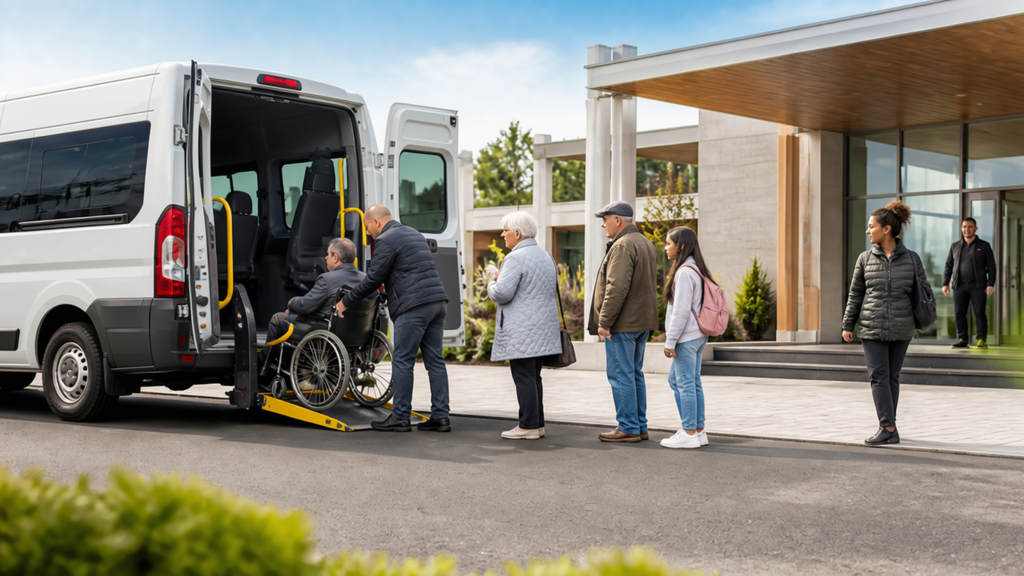
Why Choose A Wheelchair-Accessible Minibus?
Accessibility should be considered at the beginning of the vehicle selection process rather than treated as an optional extra after a minibus has been chosen.
A wheelchair-accessible configuration may help an organisation accommodate passengers who would otherwise require a different transport arrangement.
Important considerations include:
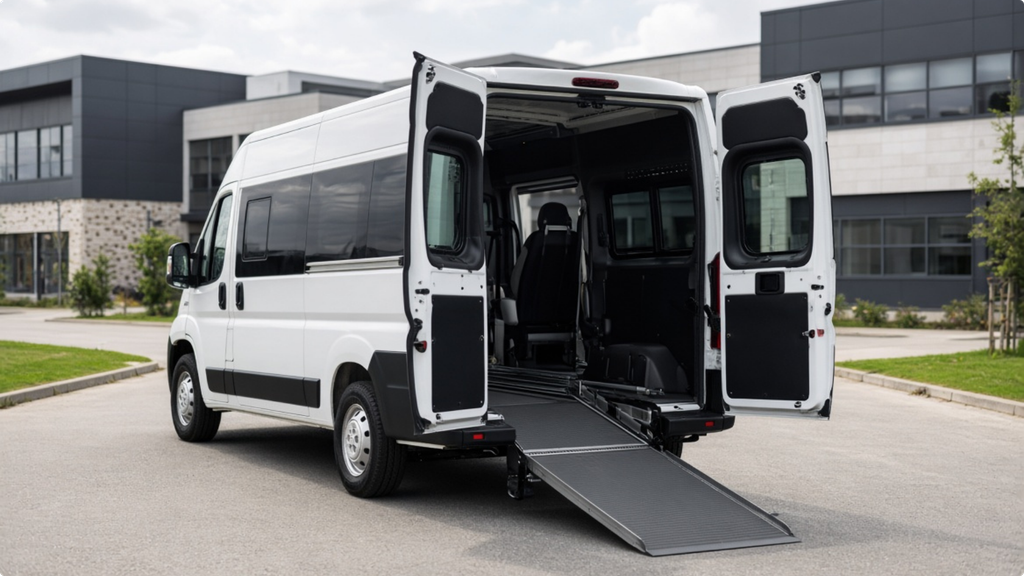
- Ramp access: Check the ramp design, operating method, permitted load and suitability for the intended passengers and wheelchair types.
- Wheelchair accommodation: Confirm the number of wheelchair positions and the seating arrangements available when those positions are occupied.
- Passenger access: Consider the ease of boarding and leaving the vehicle, including the needs of passengers with reduced mobility.
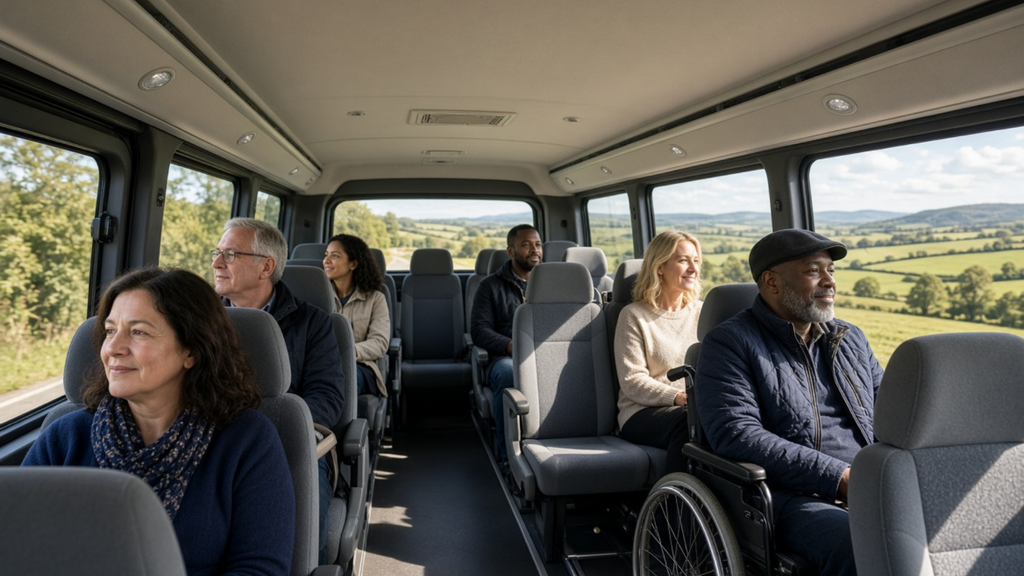
- Interior layout: Check that the configuration provides suitable space for passengers, mobility equipment and any necessary restraints.
- Practical operation: Establish how the ramp will be deployed, stored and maintained during routine use.
The precise accessibility features will depend on the vehicle’s conversion and specification. Businesses should obtain confirmation of these details before committing to a lease.
For organisations that require a bespoke passenger vehicle, CVC’s commercial vehicle conversions guide explains some of the considerations involved in selecting converted vehicles.
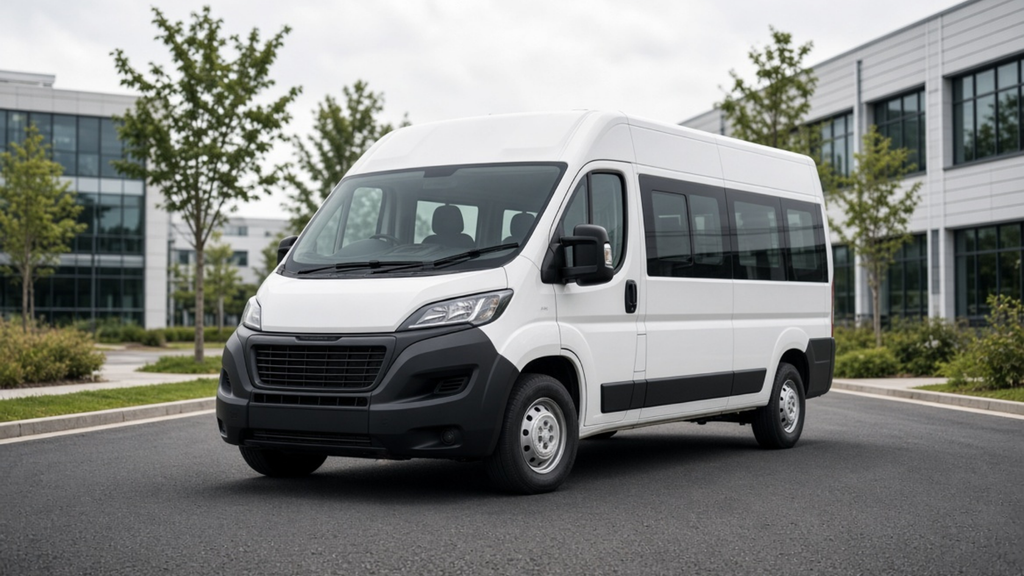
Is A 17-Seat Minibus The Right Size For Your Business?
Passenger capacity is one of the most important factors when selecting a minibus, but the largest vehicle is not automatically the most suitable.
Businesses should consider the number of passengers carried on a typical journey, how often the vehicle reaches full capacity and whether wheelchair users or additional equipment need to be accommodated.
A 17-seat vehicle may be appropriate for regular group transport, but the wheelchair-accessible configuration must be checked carefully. The usable passenger capacity may differ depending on how the wheelchair positions and seats are arranged.
If your organisation does not regularly carry larger groups, a smaller passenger vehicle may offer a more appropriate solution.
CVC’s minibus leasing page covers a range of passenger vehicle options, from smaller minibuses to larger configurations.
Leasing A Peugeot Boxer Minibus For Business Use
Leasing can provide an alternative to buying a minibus outright, allowing an eligible business to use a vehicle under an agreed finance arrangement.
For organisations that depend on passenger transport, this can help with vehicle planning and budgeting, provided the agreement is matched to the expected use of the vehicle.
Potential benefits include:
- Managing initial expenditure: Leasing can reduce the need for a large upfront vehicle purchase, although an initial rental and other charges may apply.
- Planning monthly costs: Agreed rentals can make expenditure easier to forecast over the contract term.
- Choosing a suitable specification: Businesses can identify a vehicle that meets their passenger capacity and accessibility requirements.
- Planning vehicle replacement: An agreed contract term provides a point at which the organisation can review its transport requirements.
- Considering maintenance options: Depending on the agreement, a maintenance package may be available to cover specified servicing and repairs.
The overall suitability of leasing depends on the business’s finances, intended vehicle use and the terms offered by the finance provider.
CVC explains the main considerations in its guide to business vehicle leasing finance.

Hire Purchase: Spreading The Cost Of Vehicle Ownership
Different finance agreements have different terms, payment structures and ownership arrangements.
Hire Purchase allows businesses to spread the cost of purchasing a vehicle through an agreed deposit and fixed monthly payments over an agreed period. Once all payments have been made, including any applicable final payment, ownership of the vehicle transfers to the business.
This can be particularly suitable for organisations looking to invest in a specialist vehicle, such as an accessible minibus, and retain it for long-term use.
Read CVC’s guide to Hire Purchase for vans for more information.
CVC’s complete guide to finance lease explains the key considerations.
The finance options available for a particular accessible minibus will depend on the vehicle and the finance provider. Confirm the available arrangements when requesting a quote.
What Does It Cost To Lease A 17-Seat Minibus?
The cost of leasing a Peugeot Boxer 17-seat minibus with a wheelchair ramp will depend on the specific vehicle, conversion, finance terms and availability.
Rather than relying on a headline monthly rental alone, businesses should compare the full terms of the proposed agreement.
Factors that can affect the cost include:
- Vehicle specification: The base vehicle, seating configuration and wheelchair-accessible conversion.
- Initial rental: The amount payable at the beginning of the agreement.
- Contract length: The agreed duration of the lease.
- Annual mileage: The expected distance travelled throughout the contract.
- Maintenance: Whether servicing and other specified maintenance costs are included.
- Delivery arrangements: The availability of the vehicle and any relevant delivery requirements.
- End-of-contract responsibilities: Potential excess mileage, damage or other charges under the agreement.
It is also worth considering the wider cost of operating the minibus, including fuel, insurance, cleaning, driver costs and any necessary accessibility equipment or training.
CVC’s guides to mileage allowances in vehicle leasing and excess mileage charges explain why it is important to select a realistic mileage allowance.
Maintenance, Insurance And Vehicle Responsibilities
A minibus used regularly for passenger transport needs appropriate maintenance and insurance arrangements.
Before leasing an accessible Peugeot Boxer, establish which servicing and maintenance responsibilities remain with your organisation and whether an additional maintenance package is available.
CVC’s guide to maintenance versus warranty explains the difference between a manufacturer’s warranty and a maintenance agreement.
You should also confirm that the insurance policy covers the intended passenger transport activity, the vehicle’s seating configuration and any relevant accessibility modifications. The requirements may differ depending on whether the vehicle is used for private business transport, passenger services or another purpose.
CVC provides further background in its guide to insuring a leased vehicle. Check the precise requirements for your minibus with your insurer before it enters service.
At the end of the agreement, the vehicle will also need to meet the applicable return conditions. CVC’s fair wear and tear guide explains the importance of understanding the condition standards that apply to leased vehicles.
Driver Requirements And Accessible Minibus Compliance
The driver’s licence requirements for a minibus depend on factors including the vehicle’s authorised seating capacity, maximum authorised mass, the driver’s circumstances and the nature of the journey.
Businesses should not assume that a standard car driving licence automatically permits every driver to operate a 17-seat minibus.
Check the applicable DVLA requirements and whether any additional driver entitlement, medical or operator requirements apply before putting the vehicle into service. Organisations providing passenger transport should also establish whether they need any relevant permits or operator licences.
The vehicle’s approved configuration and maximum authorised mass are especially important for an accessible minibus. Do not assume that a wheelchair ramp automatically changes the vehicle’s permitted seating capacity or the licence category required.
CVC’s vehicle leasing FAQs and vehicle leasing eligibility requirements provide further information on general leasing questions and eligibility.
Operating A Minibus In Towns And Cities
Where a minibus operates can influence which vehicle is most suitable.
Businesses carrying passengers in urban areas should consider congestion, parking, access restrictions and any applicable emissions-zone requirements.
Before choosing a vehicle, check the rules affecting the locations where it will operate. Requirements can vary between zones, and compliance should be confirmed for the exact vehicle.
CVC’s UK ULEZ and Clean Air Zones guide explains the main considerations for businesses operating vehicles in affected areas.
For organisations operating across multiple towns, cities or regions, CVC also provides information on vehicle leasing locations across the UK.
Managing Minibus Requirements Across A Fleet
Some organisations need only one accessible minibus, while others operate several passenger vehicles across different sites.
Where multiple vehicles are involved, planning replacement dates, maintenance, mileage and driver arrangements can help keep transport operations organised.
A wider fleet strategy can also help businesses determine which vehicles need wheelchair access, where larger passenger capacities are required and whether different vehicle configurations are appropriate for different routes.
CVC provides one-stop fleet solutions for businesses looking to coordinate their vehicle requirements.
Organisations that want additional support with vehicle administration can also explore the vehicle lease management portal.
Why Choose Commercial Vehicle Contracts?
Commercial Vehicle Contracts helps UK businesses compare vehicle leasing options and identify vehicles suited to their operational requirements.
With more than 25 years of experience, CVC is an independent leasing broker and a member of the BVRLA. It is also FCA authorised and regulated.
Whether you need one accessible minibus or are reviewing a wider fleet, the team can discuss your requirements and help you explore suitable options, subject to vehicle availability and finance approval.
You can learn more about CVC on the About Us page, or read about the team and its approach to customer support on the Meet The Team page.
If you are comparing a quotation for an eligible vehicle, CVC’s Price Match Promise is also worth reviewing.
Request A Quote For The Peugeot Boxer 17-Seat Accessible Minibus
If your business needs a larger passenger vehicle with wheelchair access, the Peugeot Boxer 17-seat minibus with ramp could be worth considering.
Before requesting a quote, it helps to have the following information available:
- The number of passengers you need to carry.
- Whether wheelchair access is required on every journey.
- The number of wheelchair positions you need.
- Your estimated annual mileage.
- Your preferred contract length.
- Whether you need maintenance included.
- Your required delivery date.
- The type of passenger transport service you operate.
These details will help the team understand your requirements and establish whether the vehicle’s configuration is suitable.
You can also explore the wider range of minibus leasing options across the UK or contact the team to discuss your specific passenger transport requirements.
Current Offer: Peugeot Boxer 17-Seat Minibus Lite WAV With Ramp – as of 02/11/2026
Current Mileage: 3012
Finance Type: Hire Purchase
Monthly Payment: £423.75 PCM
Initial Payment: £5,000
Final Payment: £10,000
Agreement Length: 60 Months
Annual Mileage: 10,000 Miles
To discuss leasing a Peugeot Boxer 17-seat minibus with wheelchair access, call Commercial Vehicle Contracts on 01424 863456 or visit the CVC minibus leasing page.
 Call our expert team on