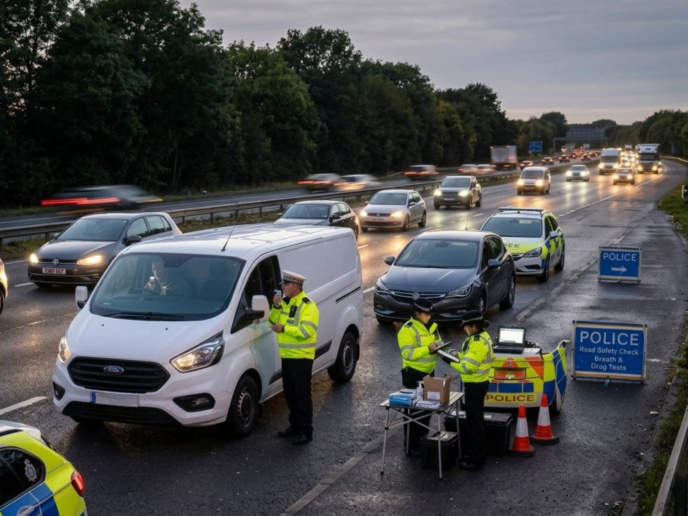
The legal drink-driving limit in England and Wales could come under renewed scrutiny as MPs prepare to examine whether existing road safety legislation and enforcement measures are strong enough to reduce casualties on Britain’s roads.
The House of Commons Transport Committee is continuing its investigation into the Government’s Road Safety Strategy, with an evidence session scheduled for Wednesday 11 November 2026. The hearing will cover drink- and drug-driving, policing resources, traffic enforcement and potential changes to motoring penalties.
The discussions come amid growing concerns about driver behaviour, workplace road safety and the effectiveness of existing measures to prevent dangerous driving.
For businesses operating company cars and commercial vehicles, any changes could have implications for driver policies, fleet compliance and employer responsibilities.
Could England And Wales Introduce A Lower Drink-Driving Limit?
England and Wales currently operate a higher legal blood alcohol limit than Scotland. This difference has prompted questions about whether the existing threshold provides sufficient protection for motorists and other road users.
The Government has previously consulted on proposals to introduce a reduced alcohol limit for newly qualified drivers as part of wider plans to change penalties for motoring offences.
MPs are expected to consider whether further restrictions should be introduced and whether a lower limit should eventually apply more widely across England and Wales.
The debate is particularly relevant to businesses operating across different parts of the UK, where drivers may regularly travel between regions with different motoring regulations.
Our guide to commercial vehicles in Scotland and the regulations affecting Scottish businesses provides further information for organisations managing vehicles across the country.
The wider investigation forms part of the Government’s ambition to reduce deaths and serious injuries on Britain’s roads, with questions being raised about whether existing legislation, enforcement and public awareness campaigns are delivering sufficient results.
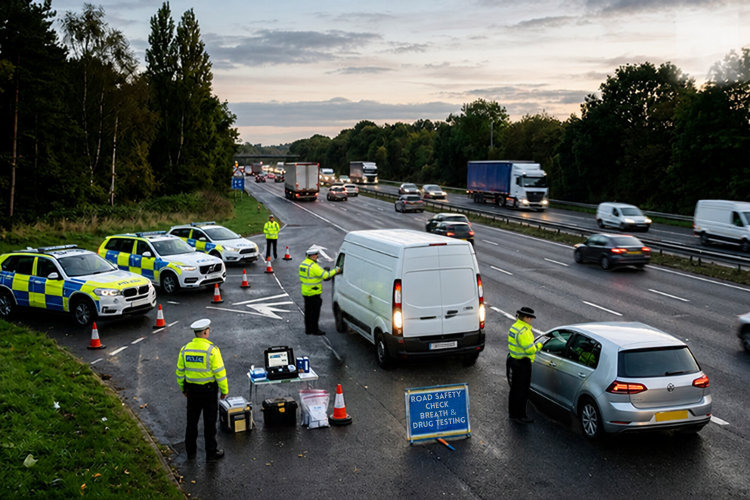
Growing Concerns Over Drug-Driving
Drug-driving is another major focus of the Transport Committee’s investigation.
Convictions for drug-driving have increased substantially over the past decade, raising questions about the effectiveness of existing testing arrangements and whether enforcement has kept pace with the scale of the problem.
Witnesses will include Professor Kim Wolff, who chaired the Department for Transport’s expert panel responsible for a 2013 report that helped shape the UK’s current drug-driving legislation.
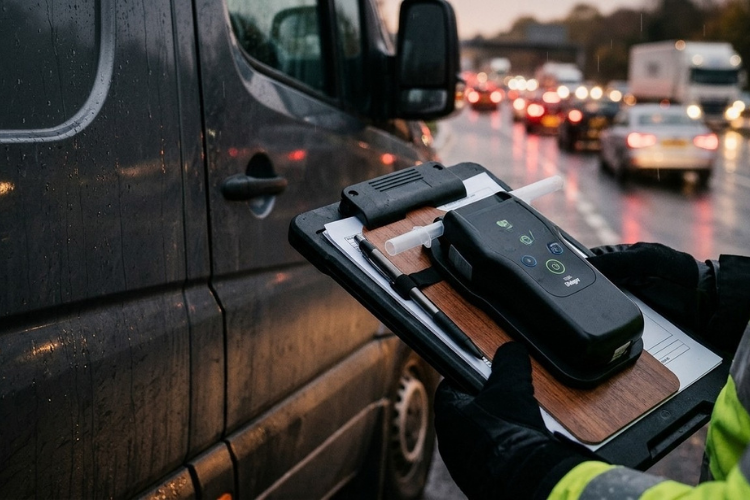
MPs are expected to examine how the situation has developed since those recommendations were made, including whether the Government has sufficient information about the prevalence of drug-driving and the effectiveness of current enforcement measures. Potential changes to roadside testing, penalties and deterrents are also expected to form part of the discussion.
For businesses operating company cars, vans and other commercial vehicles, drug-driving presents risks that extend beyond individual prosecutions. Employers need to understand how substance misuse can affect driver safety, workplace responsibilities and fleet compliance. Our guide to drink and drug-driving risks for UK fleets examines the implications for businesses and the steps fleet operators can take to manage those risks.
The issue has also been highlighted through targeted road safety campaigns. Our coverage of the summer drug-driving campaign and its message for fleet drivers examines the dangers of driving after taking illegal drugs and why professional drivers need to take the warning seriously.
Drink- and drug-driving are not the only risks facing employers. Driver behaviour, fatigue, distraction and other unsafe practices can all contribute to workplace road incidents, making regular driver communication and safety procedures important parts of fleet management.
The National Work-Related Road Safety Charter provides further guidance on the responsibilities businesses should consider when managing employees who drive for work.
Organisations should also recognise the importance of driver wellbeing, including the potential impact of stress and mental health on concentration and driving performance. Our guide to driver mental health and fleet support explores this wider issue.

Police Resources And Road Traffic Enforcement Under Scrutiny
The committee’s second evidence session will widen the discussion to road traffic enforcement across England and Wales.
Areas expected to be examined include:
- Police capacity and funding: Whether forces have sufficient resources to tackle road traffic offences effectively.
- Speed enforcement: The role of enforcement in reducing speeding and associated collisions.
- Dangerous driving: Whether existing measures provide an adequate deterrent.
- Uninsured driving: How authorities can improve detection and enforcement.
- Inter-agency cooperation: The effectiveness of information-sharing between police forces, the DVLA and local authorities.
MPs will also consider whether the Government’s road casualty reduction ambitions are realistic without a substantial improvement in the resources and effectiveness of roads policing.
The ability of different organisations to work together is another important issue, particularly where limited resources, operational pressures and difficulties sharing information can restrict enforcement activity.
For businesses, enforcement is only one part of the wider road safety picture. Employers also need to understand their responsibilities when allowing staff to operate company vehicles, including checking driving entitlements and ensuring appropriate procedures are in place when incidents occur.
Regular company vehicle licence checks can help businesses verify that employees hold the appropriate driving entitlement for the vehicles they operate.
Vehicle condition is equally important. Carrying out daily van checks can help identify potential safety issues before vehicles are used on public roads.
Businesses should also establish clear company vehicle accident procedures so employees understand what to do following a collision or other road incident.
What Could This Mean For Business Fleets?
Drink- and drug-driving legislation has implications beyond individual motorists. Businesses operating cars, vans and larger commercial fleets have responsibilities when it comes to driver safety, workplace transport risks and managing employees who drive as part of their job.
Employers should ensure that their company vehicle policies clearly explain expectations around alcohol, drugs and driving. These policies should also establish appropriate procedures for reporting concerns, dealing with potential breaches and responding to road incidents.
Driver awareness, regular communication and suitable fleet management arrangements can all help organisations reduce risks associated with work-related journeys.
Businesses should also consider carrying out a fleet risk assessment to identify potential weaknesses in their existing safety procedures and establish where improvements may be needed.
Effective fleet management also requires clear communication between employers and drivers, with everyone understanding their responsibilities for vehicle use, safe driving and compliance with relevant motoring laws. Our guide to leased vehicle driver responsibilities explains some of the key considerations.
Employers should ensure that drivers understand their responsibilities and that appropriate procedures are followed consistently across the fleet.
For organisations operating larger fleets, effective oversight becomes increasingly important. A structured approach to fleet management solutions can help businesses coordinate vehicles, drivers, maintenance and day-to-day operational requirements.
Vehicle technology can also play a role in improving oversight. Vehicle telematics and fleet tracking can provide businesses with greater visibility of vehicle movements and driving activity, supporting more informed fleet management decisions.
CVC also provides access to its Fleet Source UK customer portal, supporting businesses with fleet administration and vehicle management.
Any future changes to drink-driving legislation could mean businesses need to review their driver guidance and internal policies to ensure they remain aligned with the law.
For fleet operators, road safety is not simply a matter of regulatory compliance. Preventing avoidable collisions can help protect employees, other road users and the wider public while reducing vehicle downtime and disruption to business operations.
When Will MPs Discuss The Proposals?
The Transport Committee’s evidence session is scheduled for Wednesday 11 November 2026 at 9.15am at Westminster.
The hearing will feature two panels of witnesses, covering drink- and drug-driving before moving on to wider road traffic enforcement.
The session can be watched live through Parliament TV.
 Call our expert team on