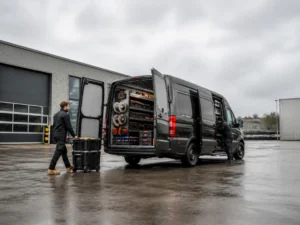
Vehicle delivery is an important part of managing a business fleet, yet it is often an aspect that receives less attention than vehicle selection, leasing costs and ongoing maintenance.
Whether a business is taking delivery of a new company car, replacing several commercial vehicles or moving vehicles between different locations, the process needs to be reliable, properly managed and supported by clear communication. Businesses arranging a new vehicle should also understand what to expect during the handover process, including the practical arrangements involved in taking delivery. Our guide to vehicle delivery information explains more.
However, the vehicle delivery industry faces a number of challenges, including driver shortages, increasing operating pressures, rising claims and growing expectations around service quality.
A new white paper from the Vehicle Remarketing Association (VRA), titled The Future of Trade Plate Vehicle Delivery, examines these issues and considers how the industry could improve.
For businesses operating cars and vans, the findings highlight why vehicle delivery should be considered more than simply getting a vehicle from one address to another.
What Is Trade Plate Vehicle Delivery?
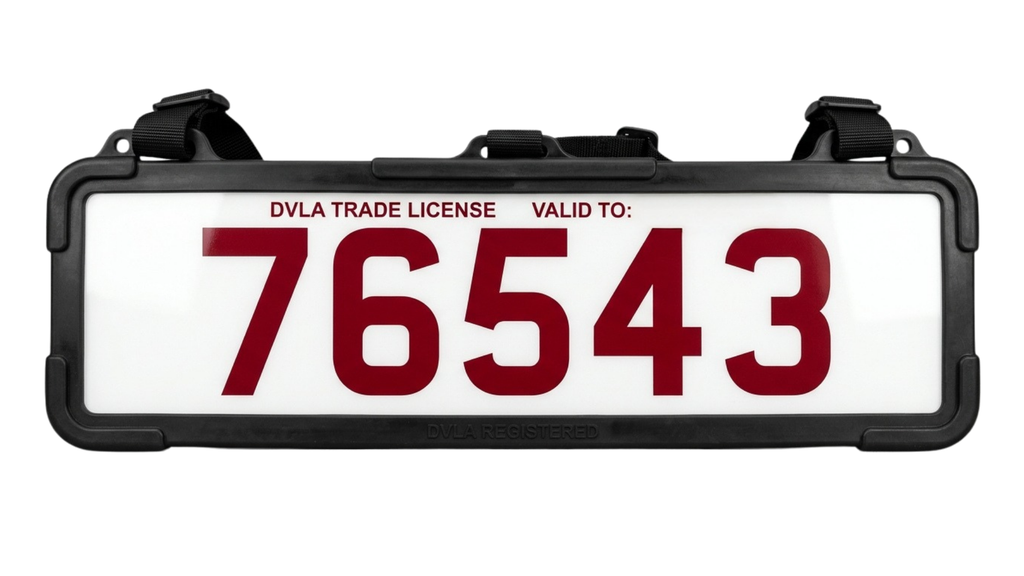
Trade plate vehicle delivery involves professional drivers moving vehicles between locations using trade licence plates rather than relying on individual vehicle tax arrangements for each movement.
It is commonly used across the automotive industry by manufacturers, dealerships, leasing companies, fleet operators and vehicle remarketing businesses.
For example, when a business takes delivery of a newly leased van, a vehicle may need to be collected from a manufacturer, dealer or preparation centre before being delivered to the customer’s premises.
Trade plate drivers can also be involved in moving vehicles between dealerships, transporting vehicles for inspection or taking them to locations where further work is required.
The DVLA permits trade plates to be used for specific purposes, including delivering vehicles to the place where the buyer intends to keep them. Vehicles must still meet the relevant roadworthiness and insurance requirements.
Businesses can find further information in the GOV.UK guidance on trade licence plates.
The Challenges Facing The Vehicle Delivery Industry
The VRA’s latest white paper identifies several structural problems affecting the trade plate vehicle delivery sector.
Although the industry moves hundreds of thousands of vehicles every year, the association argues that increasing pressure on costs is affecting the way delivery services operate.
1. Driver Shortages And Workforce Pressures
Finding and retaining experienced drivers is an ongoing challenge for vehicle delivery operators.
The growth of the gig economy has changed the way some delivery services recruit and manage their workforce. Digital platforms can connect drivers with individual jobs, but this approach can also make it harder to establish consistent service standards and retain experienced personnel.
Professional vehicle delivery requires more than the ability to drive. Drivers need to handle different types of vehicles, follow collection and handover procedures, communicate effectively and take responsibility for vehicles while they are in their care.
For fleet operators, the experience and professionalism of the person delivering a vehicle can influence the overall customer experience.
2. Pressure To Keep Delivery Costs Down
Cost remains an important consideration when arranging vehicle movements, particularly for businesses managing larger fleets.
However, the VRA argues that the trade plate delivery market has increasingly become driven by price rather than the overall value of the service.
Digital aggregation platforms have contributed to this trend by making it easier to compare and allocate delivery work, but they can also make services appear increasingly interchangeable.
When providers are competing primarily on price, there may be less room to invest in driver training, technology, customer service and robust delivery procedures.
For businesses arranging regular vehicle movements, the cheapest quote may not necessarily represent the best overall value.
3. Increasing Vehicle Damage Claims
Vehicle condition is another important consideration during collection and delivery.
A vehicle may be in the hands of several different parties before reaching its intended driver or business location. Without clear records of its condition at each stage, establishing when damage occurred can become difficult.
This can lead to disagreements between delivery providers, dealerships, leasing companies and customers.
The VRA’s white paper highlights concerns about customers attempting to pass claims further down the supply chain, potentially leaving delivery operators exposed to financial risks.
For businesses, this reinforces the importance of having a clear process for recording vehicle condition and reporting any damage.
4. Declining Service Quality And Customer Satisfaction
Delivery is often one of the first direct experiences a customer has with a newly supplied vehicle.
A late arrival, poor communication or an unclear handover process can create frustration before the vehicle has even entered service.
For businesses replacing several vehicles, inconsistent delivery standards can also create additional administrative work for fleet managers.
Delays may affect driver schedules, vehicle allocation and operational planning, particularly where vehicles are required for specific jobs or customer commitments.
Reliable communication and realistic delivery arrangements are therefore important parts of the overall vehicle supply process.

Why Vehicle Condition Checks Matter
One of the most practical ways to reduce disagreements during vehicle delivery is to ensure that its condition is properly recorded.
A clear handover process should establish the vehicle’s condition before it leaves the collection point and again when it reaches its destination.
Depending on the arrangements in place, this can include:
- Photographic evidence: Taking clear photographs of the vehicle before collection and after delivery.
- Exterior inspections: Checking the bodywork, paintwork, bumpers, wheels, glass and mirrors for visible damage.
- Interior checks: Recording the condition of seats, dashboard, trim and other interior components.
- Existing damage: Making sure any marks, scratches or defects are documented before the vehicle is moved.
- Mileage records: Recording the odometer reading at collection and handover.
- Sign-off procedures: Ensuring the relevant parties acknowledge the vehicle’s condition and any issues identified.
Photographic evidence can be particularly useful when a vehicle passes through several locations before reaching its final destination.
It provides a reference point if a disagreement arises and helps establish whether damage was already present or occurred during transportation.
Businesses should also understand who is responsible for reporting damage, how quickly it must be reported and what evidence is required under the relevant delivery agreement. Once a vehicle has been handed over, businesses should also make sure drivers understand their responsibilities when operating and looking after it. Our guide to leased vehicle driver responsibilities provides further information.
The Importance Of Choosing The Right Vehicle Delivery Provider
Businesses arranging vehicle movements should consider more than the initial delivery price.
The suitability of a provider will depend on the type of vehicles being moved, the distance involved, the frequency of deliveries and the level of service required.
Some important considerations include:
Insurance cover: Check that appropriate insurance is in place for the type of vehicle movement being undertaken and understand any relevant exclusions or limitations.
Driver experience: Consider whether drivers have the necessary experience and procedures in place to handle the vehicles being transported.
Condition reporting: Establish whether photographic inspections and documented handover records are included.
Communication: Find out how collection and delivery times are confirmed and how delays or problems are communicated.
Claims procedures: Understand how damage is reported, investigated and resolved, including the timescales involved.
Service consistency: For businesses moving several vehicles, consider whether the provider can deliver a consistent standard across different locations and movements.
These checks can help businesses make more informed decisions and reduce the likelihood of avoidable disputes. Businesses operating multiple vehicles may also benefit from establishing clear procedures covering vehicle allocation, inspections, reporting damage and driver responsibilities. Our company vehicle policy guide explores what an effective policy should include.
Technology And The Future Of Vehicle Delivery
Technology is expected to play an increasingly important role in improving vehicle delivery processes.
Digital systems can help coordinate collections, allocate drivers, track vehicle movements and provide updates to customers.
Photographic condition reports and electronic handover records can also make it easier to establish a vehicle’s condition at different stages of its journey.
For fleet managers, better access to delivery information can reduce the need for repeated telephone calls and manual administration. Digital fleet management tools can also help businesses keep track of vehicle information and simplify administration. CVC’s Fleet Source UK customer portal provides further information about this approach.
It can also provide a clearer record of vehicle movements, helping businesses manage their fleets more effectively.
However, technology alone cannot resolve every issue. It needs to be supported by properly trained drivers, clear operating procedures and a commitment to customer service.
The VRA believes that professional standards, evidence-based delivery and stronger customer relationships will be important in shaping the industry’s future.
What Does This Mean For Businesses Leasing Cars And Vans?
For businesses leasing vehicles, delivery is an important part of the wider vehicle acquisition process.
A new vehicle may represent a significant investment in a company’s day-to-day operations, particularly when it is being added to a working fleet.
Commercial vehicles, for example, may need to be available for specific employees, operational locations or customer-facing activities. Delays can therefore have consequences beyond the inconvenience of waiting for a vehicle.
Fleet managers should consider delivery arrangements when planning vehicle replacements and new additions, rather than treating delivery as an afterthought. Understanding the different stages involved can help businesses plan ahead, from selecting a suitable vehicle and arranging funding to agreeing delivery details. Read our guide to the vehicle leasing process for more information.
This is particularly important for businesses taking several vehicles at once, where coordinating collection dates, delivery locations and driver availability can become more complicated.
Effective fleet management involves looking at the entire vehicle lifecycle, from selecting the right vehicles and arranging funding through to delivery, maintenance and eventual replacement. Understanding each stage can help businesses plan vehicle acquisitions, manage costs and coordinate replacements more effectively. Our guide to fleet lifecycle management explores this in greater detail.
Businesses looking for a more coordinated approach to managing their vehicles can also explore CVC’s Fleet Management Solutions and One-Stop Fleet Solutions. For a broader overview of the responsibilities involved, our fleet management guide covers the key considerations for businesses operating company cars and commercial vehicles.
For companies managing leased vehicles across multiple locations, having access to clear vehicle information and administration tools can also help simplify ongoing fleet management. CVC’s Vehicle Lease Management Portal provides further information about managing vehicle leasing arrangements.
Ultimately, vehicle delivery should form part of a well-planned fleet acquisition process, with clear expectations around timing, communication and vehicle condition.
 Call our expert team on