Businesses could face more consistent expectations around driver training, vehicle checks and journey risk management if proposals for mandatory work-related road safety standards are adopted. The recommendations would cover company vehicles, employees using their own cars for work and drivers operating in the gig economy.
The proposals form part of a wider call for action from road safety organisations, which argue that employers have an important role to play in reducing deaths and serious injuries on UK roads. The issue is particularly relevant to businesses that rely on cars, vans and other vehicles to carry out daily operations.
A report titled Road Safety Matters: Safety Crisis Looming for Road Users, produced by Drivetech, the AA and Brake, sets out six national priorities for improving road safety. It was launched during Road Safety Week 2026, which runs from 15 to 21 November.
One of its central recommendations is to introduce mandatory work-related road safety standards across commercial fleets, grey fleets and gig economy operations. This would build on existing employer responsibilities and encourage a more consistent approach to managing the risks associated with driving for work.
The proposals also renew attention on the National Work-Related Road Safety Charter, which provides a framework for organisations seeking to improve safety for employees who drive as part of their job.
Government Road Safety Targets Put Employers In Focus
The Government has set a target to reduce the number of people killed or seriously injured on Britain’s roads by 65% by 2035. This represents a renewed national commitment to reducing road casualties, with employers and fleet operators forming an important part of the wider effort.
Department for Transport figures show that 1,538 people were killed on Britain’s roads in 2025. Under the established measure for collisions involving a working driver, 445 people died in these incidents, representing around 29% of all road fatalities. The figures underline the scale of the relationship between work-related driving and road safety, although they do not mean that every person killed was themselves driving for work. The Department for Transport has also published a newer experimental approach to measuring work-related road casualties, which produces a different estimate.
For businesses, the figures highlight why road safety cannot be treated solely as an individual driver’s responsibility. Employers influence the vehicles being used, the journeys being undertaken, the schedules drivers are expected to meet, and the training and support available to them.
The Health and Safety at Work etc. Act 1974 and associated health and safety requirements already apply to work activities on the road. These responsibilities can extend to employees using company vehicles, privately owned vehicles for business journeys and relevant self-employed or gig economy arrangements. Ordinary commuting to a usual place of work is treated differently.
Six National Priorities Proposed To Reduce Road Casualties
The report identifies six areas where national action could help improve road safety. Together, they cover enforcement, road infrastructure, emerging transport technology, driver behaviour and the responsibilities of employers.
- More roads policing: Increase the number of dedicated roads policing officers by at least 1,000 to improve enforcement and deter dangerous driving.
- Mandatory work-related road safety standards: Introduce consistent requirements for commercial fleets, grey fleets and gig economy operations.
- Safer road infrastructure: Improve roads identified as dangerous, with a focus on reducing the risk of serious collisions.
- Clearer guidance for emerging transport: Provide Government guidance covering e-scooters, e-bikes and autonomous vehicles as their use increases.
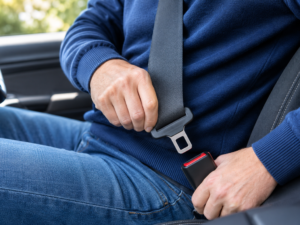
- Stronger seatbelt enforcement: Make seatbelt offences endorsable and support this with targeted campaigns, particularly aimed at younger drivers and passengers.
- Action against dangerous driving: Address high-risk behaviours commonly associated with serious collisions, including speeding, drink- and drug-driving, distraction and failure to wear a seatbelt.
The recommendations are intended to work together rather than as isolated measures. Better enforcement may discourage dangerous behaviour, but the report also recognises the need for safer roads, improved driver education and stronger organisational controls.
Why Work-Related Driving Needs Greater Attention
Driving for work can involve risks that are not always present during occasional private journeys. Employees may spend long periods behind the wheel, travel unfamiliar routes, carry equipment or goods, work to demanding schedules or drive at times when fatigue is more likely.
Pressure to reach appointments, complete deliveries or maintain productivity can also influence driver behaviour. If journey times are unrealistic, employees may feel encouraged to speed, take fewer breaks or continue driving when tired.
Businesses should therefore consider the way work is organised, not just whether an individual holds a valid driving licence. A robust approach to fleet risk assessment can help identify hazards associated with vehicles, routes, driver experience and working practices.
Driver behaviour is another important consideration. Speeding, mobile phone use and other forms of distraction can increase the likelihood and severity of collisions. CVC’s guide to fleet driver safety, speeding and distracted driving examines some of the common risks facing businesses.
Mobile phone use remains a particular concern because even a brief distraction can take a driver’s attention away from the road. Businesses can also refer to the guidance on higher penalties for using a mobile phone while driving when reviewing driver policies and communicating expectations.
What Mandatory Fleet Safety Standards Could Mean For Employers
The recommendation to mandate work-related road safety standards does not mean that every business would necessarily be subject to identical requirements. Different organisations have different vehicle types, operating environments, journey patterns and levels of exposure to road risk.
However, a national framework could establish clearer minimum expectations. Depending on how any future standards were designed, businesses might be expected to demonstrate that they have suitable procedures covering:
- Driver suitability: Confirming that employees are legally entitled and appropriately qualified to drive the vehicles they use.
- Licence monitoring: Carrying out proportionate checks and reviewing changes to driving entitlements or endorsements.
- Driver training: Providing suitable induction, refresher training and additional support where risks are identified.
- Vehicle condition: Ensuring vehicles are maintained, inspected and safe for their intended use.
- Journey planning: Setting realistic schedules and making appropriate allowances for breaks, traffic and changing conditions.
- Incident reporting: Recording collisions, near misses and safety concerns, then using the information to improve procedures.
- Risk assessments: Reviewing work-related driving risks regularly and when working practices change.
A clear company vehicle policy can help explain the responsibilities of both employers and drivers. It should set out expectations around vehicle use, reporting damage, maintenance, roadworthiness and acceptable driving behaviour.
Businesses should also consider employees who use their own vehicles for work. This is commonly known as grey fleet driving, and it can create additional management challenges because the employer does not own or lease the vehicle. A structured grey fleet management guide can help organisations understand the checks and controls involved.
Employers should not assume that responsibility ends when a vehicle is leased or when an employee uses their own car. The responsibilities of drivers using leased vehicles also need to be clearly understood, particularly where vehicle condition, servicing, damage and reporting procedures are concerned.
Driver Licence Checks, And Authorisation Remain Essential
Before an employee drives on company business, employers should establish that they hold the correct driving entitlement for the vehicle concerned. This is particularly important for businesses operating different vehicle categories or employing staff who may drive vans, cars or larger specialist vehicles.
Driving licence checks should not simply be treated as a one-off recruitment exercise. Entitlements can change, endorsements can be added and employees may become subject to restrictions that affect their ability to drive for work.
A documented process for company vehicle licence checks can help employers identify issues and ensure that drivers remain authorised.
The process should sit alongside a wider driver management policy. Businesses may also need to consider age, experience, previous incidents, the type of vehicle being driven and whether additional training is appropriate for particular roles.
Driver Training Should Be An Ongoing Process
The report argues that safe driving depends on more than knowing the Highway Code or completing a one-off training course. Drivers need to maintain visual, physical and cognitive skills, while recognising how factors such as fatigue, stress, distraction and health can affect their performance.
This is particularly relevant for employees who drive regularly as part of their job. A driver who has completed training several years ago may now face different routes, vehicle types, working pressures or responsibilities.
Employers should consider whether training is appropriate when someone joins the business, changes role, starts using a different vehicle or is involved in an incident. Refresher sessions can also help reinforce expectations and address emerging risks.
Driver wellbeing should form part of the same approach. Stress, fatigue and poor mental health can affect concentration, decision-making and reaction times. CVC has previously examined driver mental health and fleet support and the relationship between work-related driver stress and the demands placed on people who drive for a living.
A supportive approach is important. Employees should feel able to raise concerns about tiredness, workload or unsafe schedules without fearing that doing so will automatically be treated as a performance issue.
Drink-Driving, Drug-Driving And Seatbelt Compliance Remain Concerns
The report also highlights dangerous driving behaviours that continue to contribute to serious road casualties. These include drink- and drug-driving, speeding, distraction and failing to wear a seatbelt.
It notes that drug-driving now results in more driving endorsements than drink-driving, underlining the importance of employers making clear that driving under the influence of drugs is unacceptable. Businesses should ensure their policies explain the consequences of impaired driving and provide clear procedures for reporting concerns.
CVC’s guide to drink- and drug-driving risks for fleets looks at the implications for employers and drivers.
Seatbelt use is another basic but essential safety requirement. The report recommends making seatbelt offences endorsable and supporting stronger enforcement with targeted campaigns. Recent CVC coverage of seatbelt offences and fleet safety considers the scale of the issue and why businesses should reinforce the requirement for drivers and passengers to wear seatbelts.
Employers should make these expectations explicit in driver policies and training. Managers should also ensure that safety messages apply to every journey, including short trips and journeys between nearby sites.

Vehicle Maintenance And Daily Safety Checks
Driver behaviour is only one part of work-related road safety. Vehicles must also be suitable for their intended use and maintained in a roadworthy condition.
Defective tyres, lights, brakes, steering components and other safety-critical parts can increase the risk of a collision. Businesses operating vans and cars should have clear processes for reporting faults, arranging repairs and taking unsafe vehicles out of service.
Drivers should understand their responsibility to carry out appropriate checks before using a vehicle. CVC’s guide to daily van checks and business legal responsibilities explains why these inspections matter.
Tyre condition deserves particular attention because tread depth, pressure and visible damage can affect braking and handling. Our article on fleet tyre safety and illegal tyres explores the risks associated with poor tyre maintenance.
A planned approach to fleet maintenance can help businesses keep vehicles in suitable condition and reduce the likelihood of faults being overlooked. Technology can also support this process, with vehicle telematics and fleet tracking providing information that may help managers monitor vehicle use, driving patterns and operational risks.
Managing Accidents And Work-Related Incidents
Even with suitable policies and preventative measures, collisions and near misses can still happen. Businesses should have a clear process for responding to incidents, supporting drivers and recording what happened.
An effective procedure should explain who needs to be contacted, what information should be collected, how vehicles should be recovered or repaired and when an incident needs to be escalated. It should also make clear how the business will investigate the circumstances and identify any lessons.
CVC’s guidance on company vehicle accident procedures provides a useful starting point for businesses reviewing their arrangements.
More serious incidents may require additional planning, particularly where there are injuries, significant vehicle damage or disruption to business operations. A documented fleet response plan for serious road incidents can help ensure that responsibilities and communication channels are understood before an emergency occurs.
Incident records should also be reviewed over time. Repeated accidents involving particular routes, vehicle types or working practices may indicate a wider issue that needs to be addressed.
What Fleet Operators Can Do Now
Although the report’s recommendations do not automatically create new legal requirements, businesses do not need to wait for a Government decision before reviewing their approach to road safety.
Fleet operators can take practical steps to understand their current position and identify areas where improvements may be needed.
- Review existing policies: Check that company vehicle and driver policies reflect current operations and clearly explain responsibilities.
- Assess work-related journeys: Consider route risks, journey lengths, time pressures, breaks and the suitability of vehicles.
- Check driver records: Confirm that employees are authorised to drive the vehicles they use and that licence checks are carried out at appropriate intervals.
- Improve training: Identify where induction, refresher or additional driver training may be beneficial.
- Strengthen vehicle checks: Make sure daily inspections, defect reporting and maintenance arrangements are understood and followed.
- Record incidents and near misses: Look for patterns and use the findings to improve safety procedures.
- Consider driver wellbeing: Review workloads and schedules, and make it easier for employees to report fatigue, stress or other concerns.
- Audit fleet arrangements: Carry out regular reviews to establish whether policies are being followed and whether controls remain effective.
A structured fleet audit can help identify gaps between written policies and day-to-day practice. Businesses looking for a broader overview of the responsibilities involved can also refer to CVC’s fleet management guide.
Will The Government Introduce Mandatory Fleet Safety Standards?
The recommendations in Road Safety Matters: Safety Crisis Looming for Road Users are calls for action rather than confirmation that new legislation has been introduced.
Any move towards mandatory standards would require the Government to consider how the requirements should be designed, which organisations and drivers they should cover, and how compliance would be monitored. It would also need to take account of the different circumstances facing large commercial fleets, smaller businesses, fleet operators and gig economy platforms.
The existing legal framework already places health and safety responsibilities on employers in relation to work activities on the road. The central question raised by the report is whether clearer national standards could make those responsibilities more consistent and effective across different sectors.
For fleet operators, the recommendations provide a reason to review current procedures and identify where improvements could be made. Driver training, vehicle maintenance, licence checks and realistic journey planning are all areas that can be addressed without waiting for further regulation.

 Call our expert team on