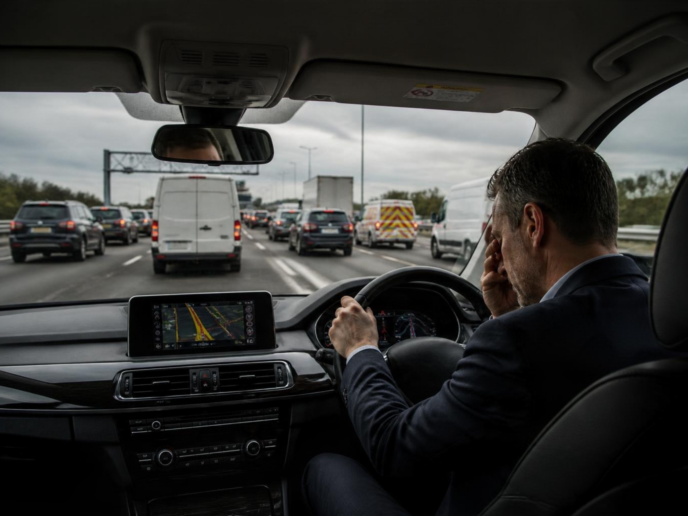
Almost one in five business drivers experience stress every time they get behind the wheel, highlighting the pressures facing employees who rely on cars and vans as part of their working day.
Research by Alphabet GB found that 19% of business drivers experience driving-related stress on every journey, while 42% encounter it at least once a week. Just 6% said they never experience stress when driving.
The findings raise important questions for UK businesses that depend on employees travelling between customers, sites and appointments, particularly in sectors where tight schedules and daily mileage are part of the job.
For fleet operators, the issue extends beyond driver comfort. Congestion, difficult road conditions and pressure to arrive on time can all affect the working experience of employees who spend significant amounts of time behind the wheel.
Congestion Is The Biggest Cause Of Driving Stress
Heavy traffic and congestion were identified as the leading causes of driving-related stress, with 33% of respondents naming them as their biggest concern.
Other factors highlighted by the research included:
| Cause Of Driving Stress | Percentage Of Drivers |
|---|---|
| Heavy traffic and congestion | 33% |
| Poor road conditions | 22% |
| Aggressive or inconsiderate behaviour from other drivers | 15% |
| Employer pressure to meet tight schedules or arrive on time | 10% |
The findings illustrate how pressures outside a driver’s direct control can influence the working day.
Congestion can make journey times unpredictable, while potholes and other road defects can create additional challenges for drivers and potentially contribute to vehicle damage, repair costs and downtime.
For businesses whose employees travel between multiple appointments, delays can also create pressure later in the day. A driver held up in traffic may arrive late at one destination and then feel compelled to make up time on the next journey.
Employers cannot eliminate congestion or guarantee favourable road conditions. However, realistic scheduling and clear expectations can help reduce the additional pressure placed on drivers when journeys do not go to plan.
42% of Business Drivers Experience Weekly Stress
The research found differences in how frequently driving-related stress was experienced across different groups.
Women were more likely than men to report feeling stressed behind the wheel at least once a week, at 48% compared with 40%.
Younger drivers aged 18 to 24 reported the highest frequency of weekly driving stress, at 52%.
There were also differences between regions. The East Midlands recorded the highest proportion of drivers experiencing stress at least once a week, at 55%, while Northern Ireland recorded the lowest, at 17%.
Occupational differences were also apparent, with manufacturing workers most likely to report weekly driving stress.
| Industry | Experiencing Driving Stress At Least Weekly |
|---|---|
| Manufacturing | 50% |
| Delivery services | 48% |
| Logistics | 45% |
These figures are particularly relevant to businesses that depend on employees travelling as part of their everyday responsibilities.
Delivery drivers may face pressure to complete multiple stops, while manufacturing and logistics employees can be required to coordinate vehicle movements with wider operational schedules.
However, the figures describe the experiences reported by survey respondents. They do not establish that any particular occupation, age group or region is inherently more prone to driving stress.

Employer Pressure Can Add To The Problem
Although congestion and road conditions were the leading concerns, 10% of respondents identified pressure from their employer to meet tight schedules or arrive at destinations on time as their biggest source of driving stress.
This is an area where businesses can review their own practices.
Journey schedules need to reflect realistic travel times, including the possibility of delays, difficult parking, roadworks and changing traffic conditions. Where employees have several appointments in a day, allowing sufficient time between visits can help prevent one delay from affecting the entire schedule. Electricians, plumbers, builders, landscapers and other tradespeople can spend significant amounts of time travelling between jobs, often while working to demanding schedules.
Businesses should also ensure that employees do not feel expected to drive unsafely to recover lost time.
A delayed arrival may be inconvenient, but it should not create pressure to speed, take unnecessary risks or continue driving when tired or otherwise unfit to do so.
Clear communication is important, too. Drivers should know that reporting delays is preferable to rushing, and managers should have procedures for rearranging appointments when circumstances change.
For businesses reviewing the wider demands of operating company vehicles, our article on why fleet management is becoming more demanding for UK businesses examines the growing responsibilities involved in managing vehicles, costs, compliance and drivers.
How Businesses Can Help Reduce Driver Stress
Alphabet GB suggested several practical ways drivers can make journeys less stressful, including planning ahead, becoming familiar with the vehicle, making use of driver assistance technology, creating a calm environment and taking regular breaks.
Employers can support these measures by considering how their own working practices affect people on the road.
1. Allow Realistic Journey Times
Scheduling should take account of typical traffic conditions and the distance between appointments. Building reasonable flexibility into the working day can reduce pressure when unexpected delays occur.
2. Encourage Appropriate Breaks
Drivers who spend long periods on the road need opportunities to stop and rest. Breaks can help manage fatigue and provide time away from the demands of driving.
Employers should ensure that schedules allow drivers to take appropriate breaks rather than creating incentives to skip them.
3. Make Sure Drivers Know Their Vehicles
Employees may use different vehicles across a fleet, particularly where pool vehicles or replacement vans are involved.
Taking time to familiarise drivers with vehicle controls, visibility, parking systems and driver assistance features can help them feel more confident and reduce avoidable distractions.
4. Use Driver Assistance Technology Appropriately
Depending on the vehicle, driver assistance systems may help with tasks such as maintaining a safe following distance, monitoring blind spots or providing parking support.
Businesses should ensure drivers understand how these systems work and their limitations. Such technology supports the driver but does not replace concentration, judgement or responsibility behind the wheel.
5. Encourage Open Communication
Drivers should be able to tell managers when schedules are unrealistic, journeys are becoming difficult or they are struggling with stress or fatigue.
A supportive approach can help identify problems before they affect safety or employee wellbeing.
6. Review Vehicle Suitability
The right vehicle for the job can make a difference to day-to-day working conditions. Businesses should consider factors such as journey length, driving position, visibility, parking requirements, load space and the equipment employees need to carry.
Choosing a vehicle based on its suitability for the work, rather than price alone, can help businesses make more informed fleet decisions.

Driving Stress Is Part Of The Wider Driver Wellbeing Picture
Stress behind the wheel should not be considered in isolation from other aspects of driver health.
Fatigue, poor sleep, mental health concerns and demanding working patterns can all affect how employees feel and perform during the working day. Businesses that rely on regular driving therefore have a practical interest in understanding the wider pressures their employees face.
Our article on Driver Health Week 2026 explores why driver wellbeing, fatigue and health are becoming increasingly important considerations for UK fleets.
Businesses should also recognise that occasional frustration in traffic is not the same as persistent driving anxiety. Employees who regularly experience significant fear or anxiety behind the wheel may need different support from someone who finds congestion frustrating.
For further guidance on the causes of anxiety while driving and ways to manage it, read our guide to driving anxiety in the UK and how to overcome it.
What The Findings Mean For Fleet Operators
The Alphabet GB research provides a reminder that the demands placed on business drivers deserve attention alongside vehicle costs, maintenance and compliance.
For smaller businesses, an unwell or fatigued driver can have a significant impact on daily operations. If a key member of a small team is unable to work, customer appointments, deliveries and other commitments may be affected. Driver wellbeing should therefore form part of fleet management, even for businesses operating just one or two vans.
Businesses looking to simplify vehicle management can consider a one-stop fleet solution, bringing vehicle leasing and fleet support together while reducing the need to coordinate multiple suppliers.
Businesses can start by reviewing whether their schedules are realistic, whether drivers have sufficient opportunities to rest and whether employees feel comfortable reporting problems. They can also consider whether their vehicles are appropriate for the journeys and tasks being undertaken.
Fleet management is not simply about ensuring that vehicles are available when needed. It also involves creating the conditions in which employees can use those vehicles safely and effectively.
For organisations that need support with vehicle sourcing, leasing and the wider demands of running a fleet, a coordinated approach can help reduce administrative complexity and make it easier to review operational requirements.
Maintenance, ongoing management and eventual replacement all form part of the vehicle lifecycle. Our guide to fleet lifecycle management explains how businesses can take a more structured approach to managing their commercial vehicles.
Ultimately, businesses cannot control every road condition or traffic delay. They can, however, take steps to ensure that employees are not placed under unnecessary pressure when driving is an essential part of their job.

 Call our expert team on