Fleet operators are being urged to prepare for serious road traffic incidents by establishing clear reporting procedures, arranging appropriate legal support and ensuring drivers receive the assistance they need. The response in the immediate aftermath of a collision can influence how information is gathered, how insurance claims are managed and how quickly businesses understand the potential operational and financial consequences.
For businesses operating cars and vans, a serious collision can extend well beyond vehicle damage. There may be injuries, police investigations, insurance claims, vehicle downtime and disruption to customer commitments. In the most serious cases, employers may also need to consider their health and safety responsibilities and the possibility of legal proceedings.
Risk management specialists have highlighted the importance of obtaining appropriate legal assistance promptly after a major incident. However, preparation needs to start well before a collision occurs, with documented procedures, clear responsibilities and access to the right contacts when an incident happens.
Why The Immediate Response Matters
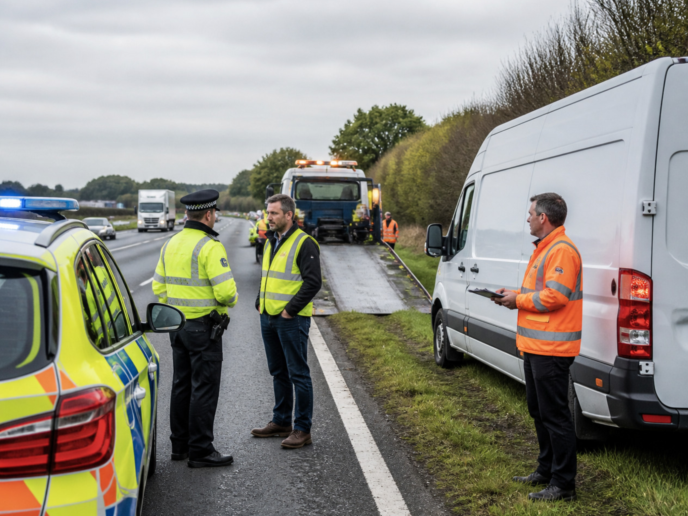
The first priority following a serious road traffic collision is the safety of everyone involved. Drivers should contact the emergency services where necessary, follow police instructions and avoid putting themselves or others at further risk.
Once immediate safety concerns have been addressed, the collection and preservation of accurate information becomes important. Details about the circumstances of a collision, witness accounts, vehicle damage and communications can help inform subsequent investigations and claims handling.
The importance of acting promptly has been highlighted by McCarron Coates, a transport insurance and risk management specialist, who has reported on its arrangement providing clients with access to 24-hour legal roadside assistance through LMP Legal.
According to the firm, the service has supported operators following serious incidents, including collisions involving fatalities or potentially high-value claims. Its experience illustrates why access to specialist advice may be particularly valuable when the circumstances of an incident are complex, or the potential consequences are significant.
The term “golden minutes” is used to describe the importance of obtaining appropriate support during the earliest stages of an incident. While the precise response required will depend on the circumstances, businesses should avoid assuming that having a general emergency contact number is sufficient preparation for every eventuality.
How Specialist Legal Support Can Help
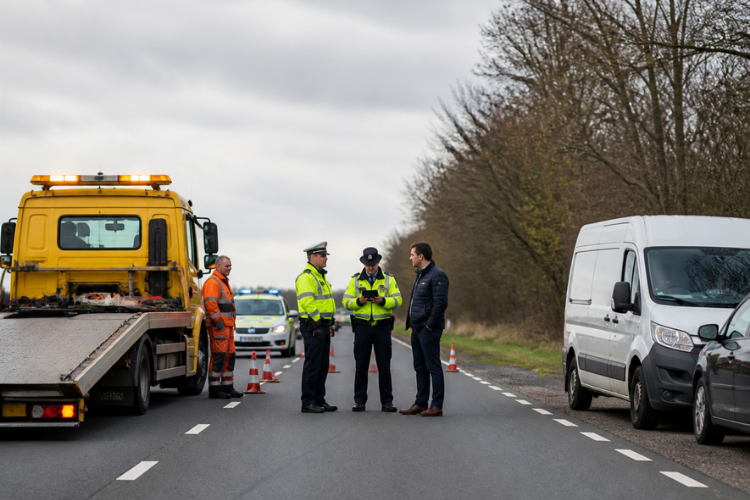
Following a serious collision, police may need to secure the scene, interview those involved and gather evidence as part of their investigation. Depending on the circumstances, a driver may require legal advice, while the fleet operator will need to manage its own reporting and insurance obligations.
Specialist legal representation can help drivers understand their position and ensure they receive appropriate advice during relevant police procedures. Where representatives can attend the scene, they may also be able to help establish an early account of events, subject to the circumstances and any restrictions imposed by the authorities.
For fleet operators, obtaining reliable information at an early stage can help them understand what has happened, communicate with relevant parties and make informed decisions about the next steps.
However, legal representation does not replace the role of the police, emergency services or insurers. Nor does it guarantee a particular claims outcome. Its value depends on the circumstances of the collision and the advice or representation required.
Businesses should therefore consider in advance when specialist legal assistance may be appropriate, who is authorised to arrange it and how it fits into their existing insurance and incident-management arrangements.
What Fleet Operators Should Have In Place
A serious collision is not the ideal time to establish who should be contacted, where insurance details are held or how an incident must be reported. Fleet operators should have a documented procedure that drivers and managers can follow under pressure.
The following checklist highlights the key areas businesses should consider when preparing their incident-response arrangements.
| Area | What Fleet Operators Should Prepare | Why It Matters |
|---|---|---|
| Emergency response | Clear instructions for contacting emergency services and securing the scene | Helps prioritise safety and prevent further harm |
| Driver support | A process for checking driver welfare and arranging appropriate assistance | Supports drivers following a potentially traumatic incident |
| Legal assistance | Contact details and an escalation process for accessing specialist legal advice when appropriate | Helps drivers obtain timely advice in serious cases |
| Incident reporting | A standard process for notifying managers, insurers and relevant parties | Reduces the risk of missed notifications and incomplete records |
| Evidence and records | Guidance on recording factual details, witness information and relevant photographs where appropriate | Helps preserve information for subsequent investigations and claims |
| Claims management | Named responsibilities for insurer communications and tracking outstanding actions | Helps maintain oversight of potentially complex claims |
| Business continuity | Plans for vehicle recovery, replacement transport and alternative arrangements | Helps limit disruption to deliveries and customer commitments |
| Incident reviews | A process for reviewing collisions and near misses and implementing improvements | Helps identify recurring risks and prevent future incidents |
This checklist is a practical fleet-management aid, not a substitute for legal advice, emergency-service instructions or specific insurance policy requirements.
A documented company vehicle accident procedure can help businesses establish these arrangements and give employees a clear understanding of the steps they should take following a collision.
Why Company Vehicle Policies Matter
Incident procedures should form part of a wider approach to managing vehicles used for work. Drivers need to understand their responsibilities before an incident occurs, rather than having to interpret unfamiliar instructions in a stressful situation.
A company vehicle policy can set out expectations covering vehicle use, driver responsibilities, accident reporting and escalation arrangements. It should also explain how employees can obtain help if they are involved in a serious collision while carrying out their duties.
The Health and Safety Executive (HSE) states that employers must manage health and safety risks associated with driving for work. Its guidance covers company vehicles and grey fleet vehicles, where employees use their own vehicles for business journeys.
Businesses should consider the risks associated with the driver, the vehicle and the journey, alongside their arrangements for responding when something goes wrong. Vehicle roadworthiness is another important consideration, as defects and inadequate maintenance can create safety risks for drivers and other road users. CVC’s guide to fleet compliance, faulty brakes and tyres explains why regular checks and clear defect-reporting procedures matter for businesses operating commercial vehicles.
Policies should be reviewed periodically to ensure they remain appropriate for the size and nature of the operation.
Employers should also make sure that drivers understand the procedures that apply to their vehicles. Businesses using leased cars and vans can reinforce this through guidance on leased vehicle driver responsibilities, including relevant reporting and notification requirements.
Managing The Insurance Claims Process
A serious collision can create a complex claims process, particularly where several vehicles are involved, injuries have occurred, or the circumstances remain unclear.
Fleet managers may need to coordinate information between drivers, insurers, repair providers, recovery services and other parties. They may also need to assess the effect of vehicle downtime on deliveries, customer appointments or other essential business activities. CVC’s article on business drivers and pothole-related downtime explores how vehicle disruption can affect business operations.
Having a clear allocation of responsibilities can help prevent delays and reduce the risk of important information being overlooked. Businesses should establish who will maintain the incident record, communicate with the insurer and monitor outstanding actions.
Where appropriate, claims reviews with insurers and risk management specialists can also help operators understand recurring issues and identify opportunities to improve their approach.
The objective should not simply be to close individual claims. It should be to understand the circumstances, fulfil the relevant obligations and use the information available to strengthen future risk management.
Learning From Collisions And Near Misses
An incident response plan should extend beyond the immediate aftermath of a collision. Reviewing what happened can help businesses identify underlying risks and determine whether changes to training, procedures or vehicle management are necessary.
The HSE recommends that employers investigate work-related road incidents and near misses, monitor performance and check that their policies are effective. The Fleet Operator Recognition Scheme (FORS) also provides guidance on documenting and investigating collisions, incidents and near misses, including identifying contributory causes and taking action to prevent recurrence.
Reviews may identify patterns involving particular routes, working pressures, driver behaviour, vehicle condition or other operational factors. The appropriate response will depend on the evidence rather than assumptions about who was responsible. Where a review identifies recurring vehicle defects or maintenance issues, businesses should check whether their inspection and servicing arrangements need to change. CVC’s guide to fleet vehicle servicing and maintenance provides further information on managing vehicle maintenance as part of wider fleet operations.
Regular fleet audits can help operators review their arrangements, identify gaps and check whether documented procedures are being followed.
Businesses should also consider driver wellbeing following a serious collision. A driver may need time and appropriate support before returning to work, and a decision about fitness to drive should take account of the circumstances rather than being based solely on whether the vehicle remains operational. CVC’s guide to driver mental health and fleet support provides further guidance on wellbeing as part of wider driver-management responsibilities.
The Wider Role Of Fleet Management
Managing serious incidents is one part of a fleet operator’s wider responsibilities. Businesses also need to coordinate vehicle maintenance, driver safety, compliance, insurance arrangements and day-to-day operational requirements. Incident planning should also sit alongside longer-term decisions about vehicle maintenance, replacement and operational requirements. CVC’s guide to fleet lifecycle management explains how businesses can manage vehicles throughout their working lives and plan for future fleet requirements.
For smaller organisations, these tasks may sit alongside other management responsibilities. Larger fleets may have dedicated transport or risk management teams, but they still need clear procedures and reliable communication between the people involved. Clear administrative processes and defined responsibilities can help businesses coordinate vehicle-related tasks. CVC’s fleet administration and account support provides further information on managing these responsibilities.
A structured approach to fleet management solutions can help businesses coordinate vehicle-related responsibilities and maintain oversight of their operations.
Operators can also refer to CVC’s fleet management guide to review the wider considerations involved in managing vehicles, drivers and associated processes.
The key is to make incident management part of routine fleet planning, rather than treating it as a separate task that only becomes relevant after a serious collision.
Frequently Asked Questions About Serious Road Incidents
The immediate priority is to ensure the safety of everyone involved and contact the emergency services where necessary. Drivers should follow police instructions, report the incident to their employer as soon as it is safe to do so, and avoid admitting liability at the scene. Fleet operators should follow their accident reporting procedures and notify their insurer in line with policy requirements.
Businesses should have a clear process for accessing appropriate legal support following a serious vehicle accident, particularly where someone has been seriously injured, or a fatality has occurred. Drivers should know who to contact, while employers should ensure that legal assistance complements, rather than replaces, police procedures and insurance requirements.
Where it is safe and appropriate, drivers should record the date, time and location, details of the vehicles and people involved, witness contact details and any relevant photographs. They should also report the incident promptly through their employer’s established procedures. Drivers must prioritise safety and follow police instructions rather than attempt to gather evidence in unsafe circumstances.
Fleet operators can reduce avoidable disruption by maintaining a documented accident response procedure, ensuring drivers know how to report incidents, and establishing clear contacts for insurers, recovery providers and vehicle replacement arrangements. Reviewing incidents afterwards can also help identify improvements to driver training, vehicle policies and operational planning.
 Call our expert team on