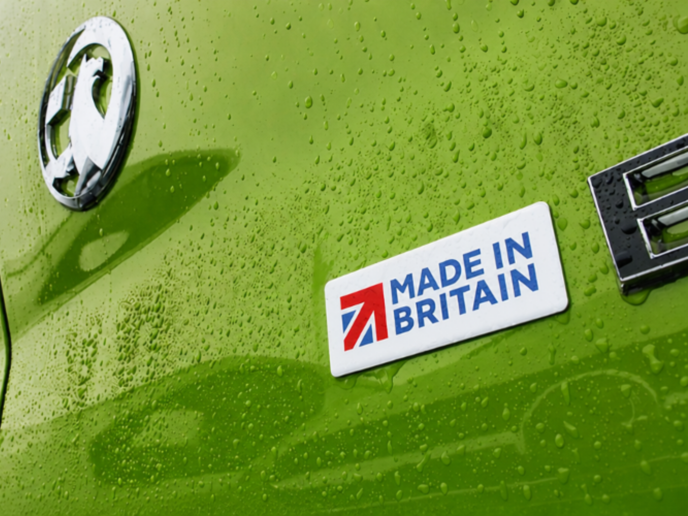
Vauxhall is strengthening its association with British manufacturing by introducing the official Made in Britain trademark to its UK-produced electric commercial vehicles, recognising the contribution of its Ellesmere Port factory to the country’s automotive industry.
The trademark will appear on the rear of the Vauxhall Combo Electric, which is manufactured at the company’s Cheshire facility. The badge previously featured on the Vauxhall Vivaro between 2016 and 2025.
The decision forms part of Vauxhall’s wider Brit’s What We Do campaign, celebrating its British heritage, manufacturing workforce and continued investment in domestic vehicle production.

Ellesmere Port Factory Undergoes Major Transformation
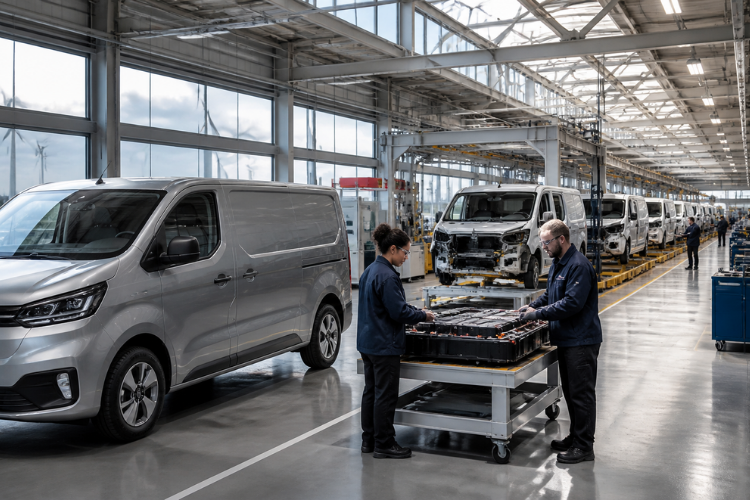
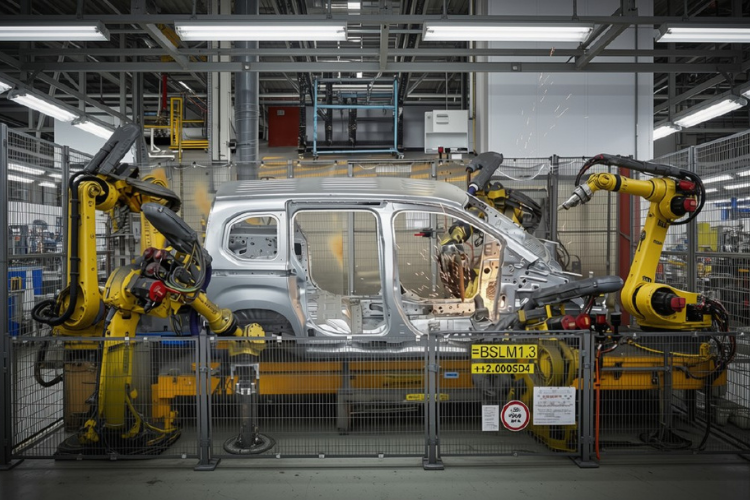
Vauxhall’s Ellesmere Port manufacturing facility has been producing vehicles since 1964. However, a £100 million investment programme completed in 2023 fundamentally changed the site’s role, transforming it into the UK’s first volume automotive manufacturing plant dedicated exclusively to electric vehicles.
The redevelopment introduced specialist battery pack assembly facilities alongside a substantially modernised general assembly line, allowing the factory to support the growing demand for electric commercial vehicles.
Further improvements have focused on reducing energy consumption and improving manufacturing efficiency. These include an energy-efficient paint application process and an on-site combined heat and power (CHP) facility.
Vauxhall also has longer-term ambitions to reduce the site’s carbon footprint through renewable energy generated by solar and wind power, alongside the potential use of hydrogen supplied through the HyNet North West Hydrogen Pipeline.
An additional assembly line for medium-sized vans is also under construction, providing further production capacity as the commercial vehicle manufacturer develops its future model range.
The investment reflects wider changes across the UK commercial vehicle industry, where manufacturers are adapting production facilities, technologies and supply chains to accommodate the transition towards electrification.
British Manufacturing And The Electric Commercial Vehicle Market
The introduction of the Made in Britain trademark comes at a time when manufacturers are facing increasing pressure to expand their electric vehicle offerings and meet government zero-emission vehicle requirements.
Producing electric vans in the UK provides Vauxhall with an opportunity to demonstrate the capabilities of its domestic manufacturing operations while maintaining an established presence in the commercial vehicle market.
As manufacturers expand their electric vehicle ranges and businesses prepare for changes to emissions standards and vehicle technology, fleet planning is becoming increasingly important. Businesses need to consider how these developments could affect vehicle replacement schedules, operating costs and long-term fleet requirements. Read our guide to fleet management priorities for UK businesses in 2027.
The Ellesmere Port facility employs more than 1,000 people, supporting local employment, manufacturing expertise and the wider regional economy.
Its coastal location also offers logistical advantages. A dedicated shipping route connecting Ellesmere Port with mainland Europe is expected to remove approximately 14,700 lorry journeys from UK roads, delivering an estimated 30% reduction in associated CO2 emissions.
The development of domestic manufacturing capacity is particularly significant as the UK market moves towards greater electric van adoption. Businesses considering their next fleet replacement are increasingly assessing the availability, suitability and operating costs of electric alternatives.
Businesses should also consider whether their existing vehicles remain economical to operate, particularly as maintenance costs, reliability and changing emissions requirements influence replacement decisions. Our guide explains when businesses should replace fleet vehicles.
CVC has previously examined the challenges and opportunities surrounding electric van adoption among UK business fleets, including the practical considerations involved in moving away from conventional diesel vehicles.
The wider market is also developing rapidly, with manufacturers introducing new models and expanding their electric commercial vehicle portfolios. Our coverage of UK electric van sales explores the changing demand for zero-emission commercial vehicles.
Consumer Confidence In British-Made Products
The Made in Britain trademark is also intended to give consumers greater visibility of where products are manufactured.
A 2026 YouGov survey commissioned by Made in Britain found that 70% of British consumers were more likely to purchase a product displaying the organisation’s official trademark. This compared with 44% in 2025.
For Vauxhall, displaying the trademark provides a recognisable connection between its electric van range and the people responsible for designing and manufacturing its vehicles in the UK.
The initiative also highlights the importance of domestic production as the automotive industry undergoes significant technological change.
Manufacturing investment is not limited to vehicle assembly, with battery production and supply chains also becoming increasingly important. Our report on UK electric vehicle battery manufacturing investment examines the importance of developing domestic capabilities to support the country’s electric vehicle industry.
Meanwhile, discussions surrounding the future of British-built vehicles and international manufacturing standards continue to evolve, particularly in relation to Made in Europe proposals and their implications for UK-built vehicles.
What Does This Mean For Businesses Considering Electric Vans?
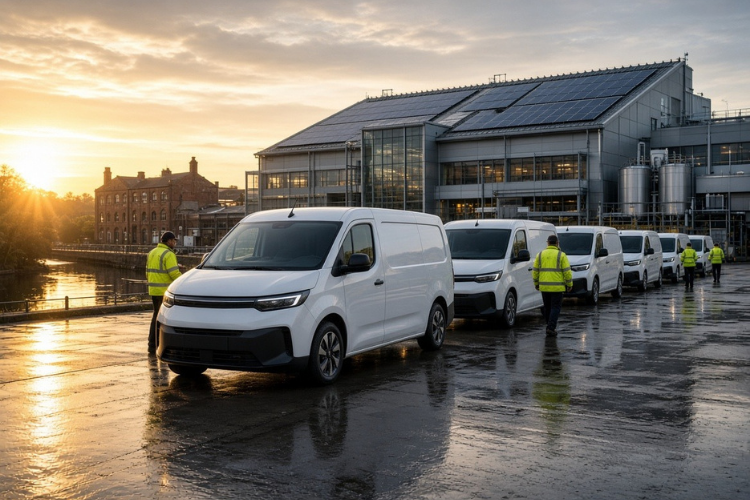
For businesses reviewing their commercial vehicle requirements, the development reinforces the growing availability of electric vans produced within established UK manufacturing operations.
However, choosing an electric commercial vehicle involves more than considering its country of manufacture. Businesses must also assess vehicle range, payload capacity, charging arrangements, daily mileage requirements and overall operating costs.
Clean air zone charges are another consideration when reviewing commercial vehicle requirements. Older, non-compliant vans can attract additional daily charges when entering certain towns and cities, increasing fleet operating costs. Our guide to van clean air zone charges explains the potential costs for van operators and why emissions compliance should form part of vehicle selection.
Technology is also giving fleet managers new ways to understand and control vehicle expenditure. AI-powered fleet analysis can help businesses examine leasing costs, fuel and charging expenditure, maintenance, mileage and vehicle utilisation to identify potential inefficiencies. Our guide explains how AI can help fleet managers reduce costs and total cost of ownership.
Charging infrastructure remains an important consideration, particularly for businesses operating multiple vehicles or those without access to suitable depot facilities. Introducing electric vehicles can also mean reviewing existing driver procedures, vehicle suitability and workplace safety arrangements. Businesses should consider factors such as vehicle size, payload, charging locations and the risks associated with new operating procedures. Our guide to fleet risk assessments explains how businesses can identify potential hazards and put appropriate controls in place.
For businesses planning to replace several diesel vans, the transition to electric vehicles needs to be carefully managed. Factors such as daily mileage, vehicle range, charging access, driver requirements and contract renewal dates all influence how and when electric vans can be introduced. Our guide to the electric van fleet transition.
Our guide to how EV charging works for businesses explains the different charging arrangements available to commercial operators.
Businesses should also consider the wider financial implications of changing their fleet. Factors such as electricity prices, maintenance requirements, vehicle downtime and residual values can all influence the long-term cost of operating electric vans.
Our guide to the total cost of ownership of business vehicles explains why looking beyond the initial monthly rental or purchase price is important when comparing different vehicle options.
Vehicle choice is only one part of improving fleet performance. Reviewing vehicle utilisation, mileage, downtime, maintenance requirements and operating expenditure can help businesses identify opportunities to improve efficiency. Our fleet efficiency business guide looks at ways to manage vehicles and resources more effectively.
For organisations considering a move towards electric commercial vehicles, electric van leasing can provide an alternative to purchasing vehicles outright, with agreements structured around an agreed contract period and mileage allowance.
Businesses can also explore the different considerations involved in business van leasing before deciding which funding arrangement and vehicle specification best suit their requirements.
 Call our expert team on