Van operators across the UK are facing mounting costs from clean air zones, with new research highlighting how much drivers can spend each year simply accessing some of the country’s busiest towns and cities.
For businesses that rely on vans every day, the cost of operating a commercial vehicle extends well beyond fuel and insurance. Clean air zone charges, parking costs, maintenance and other running expenses can all add to the overall cost of keeping a van on the road.
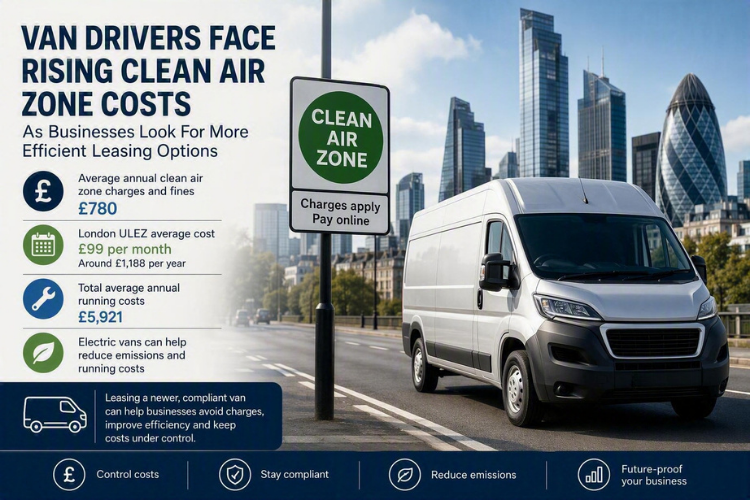
New research from Peugeot suggests that van drivers are paying an average of £780 a year in clean air zone charges and fines, while drivers entering some of the UK’s most expensive zones can face significantly higher costs.
London Van Drivers Face The Highest Costs
London represents one of the biggest financial challenges for operators using older, non-compliant vans.
According to the research, van drivers entering London’s Ultra Low Emission Zone (ULEZ) spend an average of £99 per month, equivalent to almost £1,200 over a year. London’s wider road-charging landscape is also changing, with the Congestion Charge now applying to electric vehicles, although electric vans continue to receive a discounted rate.
Drivers operating in the Tyneside Clean Air Zone, covering Newcastle and Gateshead, also face substantial costs, with the research putting the average monthly expense at around £82.
These costs can quickly become significant for tradespeople, delivery businesses, contractors and other operators who need to enter urban areas regularly as part of their work. Businesses looking for a vehicle suited to their particular trade can also benefit from considering industry-specific van leasing options, particularly where payload, storage and equipment requirements vary between different types of work.
With clean air restrictions becoming an increasingly important consideration when choosing a commercial vehicle, businesses need to think about more than just the initial cost of their van.
Many Van Drivers Are Already Compliant
The research also highlights that a large proportion of van drivers are already using vehicles that meet the required emissions standards.
Around 66% of those surveyed said their van was compliant with the relevant clean air and low-emission zone requirements.
That figure rises to approximately 80% among drivers in London.
However, 15% said their van was not compliant, while a further 19% were unsure whether their van met the necessary requirements.
For businesses operating across different parts of the country, knowing whether a van meets the relevant standards is becoming increasingly important.
A vehicle that is suitable for one area may not necessarily be the best option for a business regularly travelling into another city with different restrictions.
The Wider Cost Of Running A Van
Clean air zone charges are only one part of the financial picture for van operators, with vehicle maintenance also playing an important role in controlling long-term running costs.
The Peugeot research found that drivers also face significant annual costs across other areas.
| Cost | Average Annual Cost |
|---|---|
| Clean air zone charges and fines | £780 |
| Servicing and maintenance | £715 |
| Parking and parking fines | £632 |
| Insurance | £626 |
| Fuel | £2,112 |
| Food and drink while working | £1,056 |
For London van drivers, the reported average ULEZ cost of £99 per month works out at approximately £1,188 over a year.
When these costs are combined, the overall cost of running a van can be substantial.
For small businesses and self-employed operators in particular, controlling these running costs can make a meaningful difference to profitability.
Could Leasing Help Businesses Manage Van Costs?
The changing cost of van ownership is also one reason why commercial vehicle leasing can be an attractive option for businesses.
Rather than continuing to operate an ageing van that could face increasing maintenance costs or restrictions in urban areas, businesses can consider moving into a newer vehicle that better suits their current requirements.
Modern vans offer improvements in fuel efficiency, emissions, technology, safety and reliability, while electric vans can provide another option for businesses looking to reduce their reliance on conventional fuels.
Business van leasing can also provide businesses with a clearer monthly vehicle cost, making it easier to factor their van into wider operating budgets.
For companies that regularly work in cities affected by emissions restrictions, choosing the right vehicle at the start of a lease can be particularly important.
Electric Vans Could Become Increasingly Relevant
The continued expansion of clean air measures is also likely to keep the spotlight on electric commercial vehicles.
For businesses whose daily mileage and charging requirements make an electric van practical, moving away from petrol or diesel could help reduce exposure to some of the challenges associated with emissions-based restrictions.
The UK’s electric van market is also continuing to develop, with manufacturers offering an increasingly wide range of models and body styles for different types of businesses.
This means operators no longer necessarily have to compromise on practicality when considering an electric commercial vehicle.
Choosing The Right Van For Your Business
Clean air zones are unlikely to be the only factor businesses consider when replacing a van, but they are becoming an increasingly important part of the decision.
For operators regularly travelling into urban areas, checking emissions compliance before choosing a vehicle could help prevent unexpected charges further down the line.
At Commercial Vehicle Contracts, businesses can compare a wide range of commercial vehicle leasing options, including the latest petrol, diesel and electric vans.
Whether the priority is keeping monthly costs under control, reducing running costs, accessing clean air zones or moving towards an electric fleet, selecting the right vehicle can make a significant difference to the overall cost of running a business.
As emissions regulations and urban driving restrictions continue to evolve, choosing a newer, suitable vehicle through commercial vehicle leasing could give businesses greater confidence that their vans are ready for the roads they need to use today — and into the future.
ULEZ stands for Ultra Low Emission Zone. It is an emissions-based charging scheme designed to improve air quality by encouraging the use of cleaner, lower-emission vehicles.
No. ULEZ and the Congestion Charge are separate schemes.
The Congestion Charge is designed to reduce traffic congestion, while ULEZ focuses on reducing vehicle emissions. Depending on your vehicle and where you drive, you may need to pay one charge, both, or neither.
You can check your vehicle’s compliance by entering your registration number into the official ULEZ vehicle checker. Compliance is based on your vehicle’s emissions standard rather than its age.
Most diesel vehicles must meet the Euro 6 emissions standard to comply with ULEZ requirements. In many cases, this includes vehicles first registered from September 2015 onwards, although there are exceptions.
Most petrol vehicles must meet the Euro 4 emissions standard or newer. This generally includes vehicles first registered from around 2006 onwards.
Battery electric vehicles produce zero tailpipe emissions and generally comply with ULEZ requirements, meaning they do not pay the ULEZ charge when driven within the zone.
Not necessarily. Hybrid vehicles are assessed based on their emissions standard rather than the fact they are hybrid. If they meet the required standard, they can travel within the ULEZ without paying the daily charge.
Yes, if they do not meet the required emissions standards. Vans are assessed using the same emissions criteria as cars, so older diesel vans are the most likely to incur charges.
Yes. Motorcycles must meet the required emissions standards to avoid paying the ULEZ charge. Older motorcycles that do not comply may be subject to daily charges.
Drivers should always check the latest operating days and hours before travelling, as these may change over time.
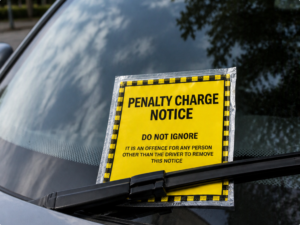
If you fail to pay the required charge, you may receive a Penalty Charge Notice (PCN). Paying promptly can help avoid additional enforcement action or increased penalties.
Several cities currently operate Clean Air Zones or similar emissions charging schemes, including Birmingham, Bath, Bradford, Bristol, Portsmouth, Sheffield, Newcastle and Gateshead, alongside London’s ULEZ and LEZ.
Yes, if your vehicle meets the relevant emissions standards for that particular zone. Non-compliant vehicles may need to pay a daily charge.
It’s possible. As air quality and environmental policies continue to evolve, additional local authorities may introduce Clean Air Zones or similar emissions schemes where needed.
For businesses and drivers who regularly enter charging zones, upgrading to a ULEZ-compliant petrol, Euro 6 diesel or electric vehicle can often prove more cost-effective over time than paying daily charges. The best option depends on how frequently you drive within emissions charging zones and your overall running costs.
Explore a wide range of cars, vans, pickups, electric vehicles, and commercial vehicles from leading manufacturers to find the right solution for your business. Whether you need a single vehicle or a complete fleet upgrade, choosing the right vehicle today can help your business stay compliant and prepared for the future.
 Call our expert team on