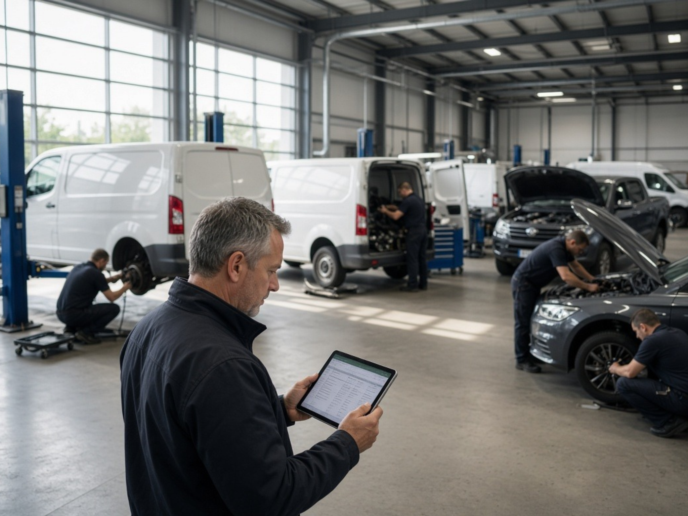
Maintaining company cars, vans and pickups is an important part of running a business fleet. Missed servicing, unexpected repairs and poorly managed vehicle defects can lead to avoidable costs, operational disruption and potential safety risks.
For businesses operating several vehicles, maintenance needs to be more than a series of individual servicing appointments. A structured fleet maintenance plan helps managers keep track of vehicle requirements, organise inspections and repairs, monitor expenditure and reduce the likelihood of unexpected downtime.
The right approach will depend on the size of the fleet, the types of vehicles operated, annual mileage and how they are used. This guide explains how UK businesses can organise fleet maintenance, manage costs and keep their vehicles suitable for business use.
Why Is Fleet Maintenance Planning Important?
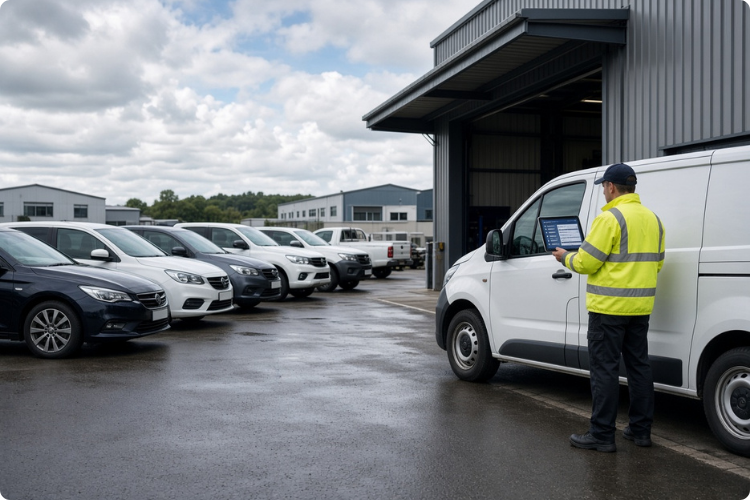
Fleet maintenance planning helps businesses manage the condition and availability of their vehicles throughout their working lives. Rather than waiting for a fault or breakdown, managers can establish when servicing is due, monitor recurring issues and arrange work before problems become more disruptive.
There are several reasons why this matters.
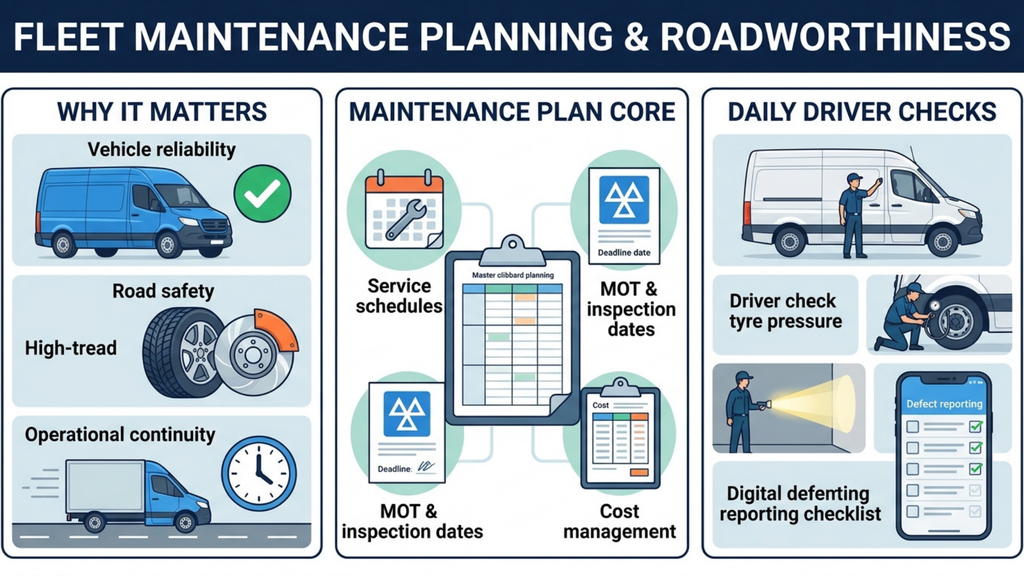
- Vehicle reliability: Regular servicing and timely repairs can help identify developing problems and reduce the risk of avoidable breakdowns.
- Driver and road safety: Defects involving tyres, brakes, lights and other safety-critical components need to be identified and addressed promptly.
- Operational continuity: A vehicle off the road can affect deliveries, customer appointments, site visits and employees’ ability to carry out their work.
- Cost management: Recording servicing and repair expenditure makes it easier to identify recurring faults and understand the cost of keeping individual vehicles operational.
- Vehicle replacement planning: Maintenance records can help businesses identify vehicles that are becoming increasingly expensive or unreliable to operate.
Maintenance should also form part of a wider approach to managing business vehicles. CVC’s Fleet Management Guide explains how maintenance fits alongside vehicle selection, driver responsibilities, compliance, cost control and replacement planning.
Businesses should also consider maintenance when carrying out a fleet risk assessment, particularly where vehicle condition, driver checks or operational pressures could create risks.
What Should A Fleet Maintenance Plan Include?
A fleet maintenance plan should establish what needs to be checked, when work is due, who is responsible and how defects are reported and resolved.
It does not need to be complicated, but it should provide managers with a consistent way to oversee every vehicle.
A practical plan should include:
- Vehicle details: Registration numbers, make, model, fuel type, mileage and the date each vehicle entered the fleet.
- Service schedules: Manufacturer servicing requirements, relevant mileage intervals and planned service dates.
- MOT and inspection dates: Applicable MOT expiry dates and any additional inspections required for the vehicle or its use.
- Driver checks: Procedures for checking vehicle condition and reporting defects.
- Repair records: Details of faults, work completed, costs and any repeat problems.
- Maintenance responsibilities: The person or department responsible for arranging servicing, approving repairs and following up outstanding work.
- Vehicle availability: Details of planned workshop appointments, periods off the road and any replacement transport arrangements.
- Replacement considerations: Vehicles approaching the point where repair costs, reliability or operational suitability need to be reviewed.
Businesses can use spreadsheets, fleet management systems or a dedicated administration process to maintain this information. The important thing is that records are accurate, accessible to the appropriate people and updated when work is completed.
For organisations managing a larger number of vehicles, a fleet audit can help establish whether maintenance records, inspection arrangements and vehicle information are being managed consistently.
Scheduled Servicing And Preventative Maintenance
Scheduled servicing is one of the foundations of fleet maintenance. Each vehicle should be maintained in accordance with its manufacturer’s requirements and the conditions in which it operates.
Service intervals can vary according to the vehicle, engine, mileage and usage. A van completing high annual mileage or regularly carrying heavy loads may experience different operating demands from a company car used mainly for shorter journeys.
Businesses should therefore avoid relying on one generic service interval for every vehicle. Maintenance schedules should reflect the requirements of each model and the manufacturer’s recommendations.
A planned servicing process should cover:
- Monitoring mileage and service intervals.
- Booking vehicles into approved or appropriate repair facilities.
- Allowing enough time for servicing and any additional work identified.
- Keeping records of completed services.
- Following up advisory items or recommended repairs.
- Checking whether a vehicle is due for other inspections or an MOT.
Preventative maintenance also involves responding to smaller issues before they develop into more serious problems. Unusual noises, warning lights, fluid leaks, changes in braking performance and repeated tyre damage should not be ignored.
CVC’s guide to vehicle maintenance explains how maintenance arrangements work under vehicle leasing agreements, including the types of servicing and repairs that may be covered by a maintenance package.
It is also important to understand the difference between routine maintenance and manufacturer warranty protection. Our guide to maintenance versus warranty explains how the two arrangements differ and why businesses should check what is included.
Daily Vehicle Checks And Driver Responsibilities
Drivers are often the first people to notice a change in a vehicle’s condition. Businesses should therefore establish clear procedures for checking vehicles and reporting defects.
The checks required will depend on the vehicle, its use and the risks involved. Commercial vehicle operators may have specific inspection and recording requirements, while businesses operating cars and lighter vans should still have suitable arrangements for identifying safety-related defects.
Checks may include:
- Tyres, including visible damage, tread condition and inflation.
- Brakes and any warning indicators.
- Headlights, brake lights, indicators and other lighting.
- Windscreen, mirrors and wipers.
- Seatbelts and other safety equipment.
- Fluid leaks or visible damage.
- Warning lights and unusual noises.
- The security of loads, tools and equipment where relevant.
Drivers should know how to report defects, who to contact and whether a vehicle can continue to be used. Safety-critical defects must be dealt with before the vehicle is returned to use.
A written company vehicle policy can help businesses set out driver responsibilities, inspection procedures, defect reporting and the process for arranging repairs.
Businesses should also make sure drivers understand their responsibilities when using leased vehicles. CVC’s guide to leased vehicle driver responsibilities provides a related resource for employers and employees.
MOTs, Inspections And Vehicle Roadworthiness
An MOT test is an important part of maintaining a vehicle where one is legally required, but it should not be treated as a substitute for ongoing maintenance.
For most cars and vans, the first MOT is required when the vehicle is three years old, followed by annual tests. Different rules can apply to particular vehicle types and uses, so businesses should check the requirements that apply to each vehicle.
A vehicle can also develop a defect after passing an MOT. Businesses should therefore maintain appropriate procedures for checking condition, arranging repairs and responding to driver reports throughout the year.
For commercial vehicle operators, additional inspection and maintenance requirements may apply depending on the vehicle and the nature of the operation. Businesses should understand the rules relevant to their vehicles rather than assuming that an MOT alone covers every requirement.
Tyres and brakes deserve particular attention because defects can have serious safety consequences. CVC’s article on fleet compliance, faulty brakes and tyres explains why businesses need effective inspection and defect-reporting procedures.
Where employees use their own vehicles for work, maintenance and roadworthiness should also be considered as part of the organisation’s grey fleet arrangements. Our Grey Fleet Management Guide explains the wider responsibilities involved.
Preventative Maintenance Vs Reactive Repairs
Businesses generally need to manage a combination of planned maintenance and repairs arising from unexpected faults or damage. However, relying heavily on reactive repairs can make it more difficult to manage vehicle availability and expenditure.
Preventative maintenance involves arranging servicing, inspections and relevant work in advance. It can help identify developing issues and give managers more control over when vehicles are taken off the road.
Reactive maintenance takes place after a fault, breakdown or defect has occurred. It may be unavoidable, but unexpected repairs can create additional pressure if a vehicle is essential to daily operations.
For example, a delivery van that develops a tyre, braking or engine problem during a working day may need to be taken out of service. The business may then need to rearrange deliveries, move work to another vehicle or arrange temporary transport.
Potholes and poor road surfaces can also contribute to vehicle damage, particularly tyre and wheel problems. CVC’s guide to how potholes and tyre costs affect business fleets explores the impact these issues can have on fleet expenditure and availability.
The objective is not to eliminate every unexpected repair. Instead, businesses should use servicing schedules, inspections and maintenance records to reduce avoidable problems and identify patterns that may need attention.
How To Manage Fleet Maintenance Costs
Maintenance expenditure can vary considerably across a fleet. Vehicle age, mileage, operating conditions, manufacturer requirements and the type of work undertaken can all influence how much a business spends.
Managers should look beyond individual repair invoices and assess the overall cost of maintaining each vehicle.
Useful information to monitor includes:
- Servicing expenditure: Routine service costs and any additional work identified during appointments.
- Repair costs: The frequency, type and value of repairs carried out on each vehicle.
- Tyre expenditure: Replacement tyres, punctures, wheel damage and other related costs.
- MOT and inspection costs: Testing fees and repairs required to address identified defects.
- Downtime: Time spent off the road and the operational consequences.
- Maintenance administration: The time spent arranging appointments, approving work and managing records.
Reviewing this information can help businesses identify vehicles with unusually high repair costs or recurring faults. It can also highlight whether maintenance expenditure is increasing as vehicles age or accumulate mileage.
Maintenance costs should be considered alongside other vehicle expenses, including rentals, fuel, insurance and taxation. CVC’s guide to the total cost of ownership of business vehicles explains why assessing the wider cost of operating a vehicle can provide a more useful comparison than looking at one expense in isolation.
Businesses can also use the van running cost guide and fuel cost calculator to help assess other areas of vehicle expenditure.
The aim should be to understand where costs are arising and whether changes to vehicle selection, maintenance arrangements or replacement timing could improve the overall position.
Reducing Vehicle Downtime And Business Disruption
A vehicle that is unavailable can affect more than the cost of the repair itself. It may prevent employees from completing jobs, delay deliveries or require managers to rearrange work at short notice.
Businesses should consider vehicle downtime when planning maintenance, particularly where cars or vans are essential to specific roles.
Practical steps include:
- Plan appointments in advance: Schedule routine servicing around operational requirements where possible.
- Coordinate vehicle availability: Avoid taking several vehicles out of service at the same time if this would affect the business.
- Prioritise safety-related repairs: Do not delay work needed to make a vehicle safe and roadworthy.
- Understand repair timescales: Ask repairers for an estimated completion date and follow up if work is delayed.
- Consider replacement transport: Establish whether alternative vehicles are available if a vehicle is likely to be off the road for an extended period.
- Review recurring downtime: Identify vehicles that repeatedly require repairs or spend significant periods unavailable.
Businesses should also consider whether their vehicles remain suitable for the work they undertake. Repeated overloading, unsuitable vehicle specifications or demanding operating conditions may contribute to maintenance problems.
CVC’s guide to van payload explains why businesses need to consider the weight a vehicle can legally and safely carry. For organisations requiring specialist equipment or adaptations, the commercial vehicle conversions guide provides further information.
When Should A Business Repair Or Replace A Fleet Vehicle?
There comes a point when continuing to repair a vehicle may no longer be the most practical or economical decision. However, age or mileage alone should not determine when a business replaces a company car, van or pickup.
Managers should consider the vehicle’s maintenance history, reliability, condition, repair costs and whether it remains suitable for the work required.
Warning signs may include:
- Increasingly frequent repairs.
- Repeated breakdowns or extended periods off the road.
- Rising maintenance expenditure.
- Difficulty sourcing parts or arranging repairs.
- Changes in business requirements that make the vehicle unsuitable.
- Safety or reliability concerns that cannot be resolved economically.
A vehicle that remains reliable and inexpensive to maintain may still be suitable for continued use. Conversely, repeated repairs and operational disruption may make replacement worth considering.
CVC’s guide to when businesses should replace fleet vehicles explains how to compare repair and replacement costs and assess the wider implications for company cars and vans.
Businesses should also consider replacement timing as part of their wider fleet lifecycle management strategy. Reviewing vehicles before they become unreliable can give organisations more time to assess suitable replacements and plan funding arrangements.
How Vehicle Leasing Can Support Fleet Maintenance
Vehicle leasing can provide businesses with a structured way to access cars and commercial vehicles while planning for future replacement requirements.
Depending on the agreement and provider, businesses may also be able to include a maintenance package for an additional monthly cost. This can change how servicing and certain repair expenses are managed during the contract.
Before choosing a maintenance-inclusive agreement, businesses should check exactly what is covered. Items such as routine servicing, mechanical repairs, tyres and replacement vehicles may be treated differently depending on the provider and contract.
Questions worth asking include:
- Are scheduled services included?
- Which mechanical and electrical repairs are covered?
- Are tyres included, and are there any restrictions?
- Is roadside assistance provided?
- Are replacement vehicles available if a vehicle cannot be repaired promptly?
- Are there exclusions for accident damage, misuse or driver negligence?
- How should drivers arrange authorised maintenance and repairs?
A maintenance package can make certain costs easier to plan, but it should not be assumed to cover every repair or vehicle-related expense. Businesses should compare the monthly cost and coverage against their expected maintenance requirements.
CVC’s vehicle maintenance guide provides further information about maintenance packages, including common exclusions.
Businesses considering leasing should also understand the available funding arrangements. Our guides to business vehicle leasing and finance and Business Contract Hire explain some of the options available.
The vehicle leasing process also explains the steps involved in arranging a vehicle through CVC.
How To Introduce A Fleet Maintenance Plan
Businesses that do not currently have a formal maintenance process can introduce one in stages.
1. Build An Accurate Vehicle Register
Record the vehicles in the fleet, including registration numbers, mileage, model details, acquisition or lease dates and the people or departments responsible for them.
2. Review Existing Maintenance Records
Collect available service histories, repair invoices, inspection records and MOT information. This will help identify overdue work, recurring faults and gaps in the records.
3. Set Maintenance Schedules
Use manufacturer recommendations and the vehicles’ operating requirements to establish servicing dates and mileage-based reminders. Include relevant inspections and MOT expiry dates.
4. Establish Driver Reporting Procedures
Explain what drivers need to check, how defects should be reported and who is responsible for deciding whether a vehicle can continue to be used.
5. Allocate Responsibility For Maintenance
Identify who arranges servicing, authorises repairs, monitors outstanding work and updates vehicle records. Drivers should know who to contact when a fault develops.
6. Monitor Costs And Downtime
Record maintenance expenditure and periods when vehicles are unavailable. Review the information regularly to identify recurring problems and vehicles that may need closer attention.
7. Review The Plan Regularly
Update maintenance arrangements when vehicles are added or removed, business mileage changes, or new operational requirements arise. Use the information gathered to inform future vehicle selection and replacement decisions.
For businesses looking to improve their wider fleet administration, CVC’s fleet management solutions provide further information about the support available. The vehicle lease management portal is also relevant for businesses looking to manage aspects of their vehicle leasing administration.

 Call our expert team on