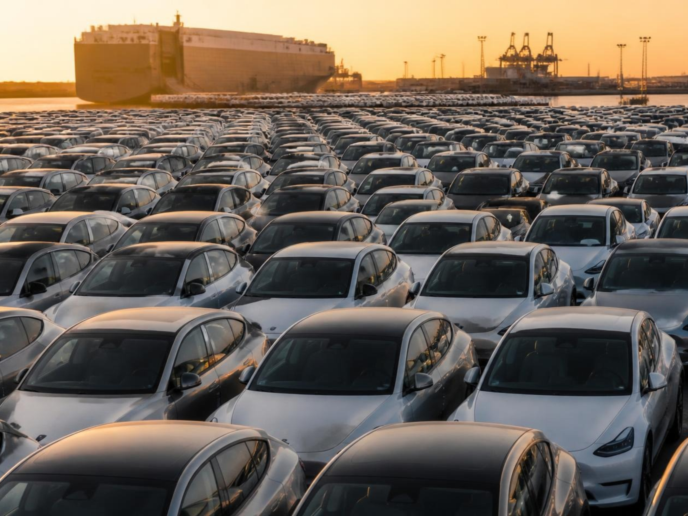
The UK Government is reportedly resisting calls to introduce additional import tariffs on Chinese electric vehicles, potentially preserving access to competitively priced models for motorists, businesses and fleet operators.
Business Secretary Jonathan Reynolds has stressed that any decision on trade restrictions must reflect the UK’s own economic interests, rather than pressure from overseas governments. His comments come amid growing debate over Chinese manufacturers’ expanding presence in the British automotive market and the implications for domestic vehicle production.
For businesses considering their next fleet replacement, the outcome could be significant. Higher import duties could increase the cost of some electric cars, potentially affecting leasing prices and the financial calculations behind switching from petrol and diesel vehicles.
UK Government Prioritises Domestic Automotive Interests
The debate over Chinese vehicle imports has intensified as manufacturers from China continue to expand their presence in the UK, offering an increasingly broad range of electric vehicles at competitive prices.
The European Union has already introduced additional countervailing duties on Chinese-made electric cars, with combined import charges reaching as high as 45.3% for certain manufacturers. The UK, by comparison, currently applies its standard 10% import duty to Chinese-made cars.
The difference reflects separate approaches to protecting domestic automotive industries while maintaining competition and consumer choice.
Reynolds reportedly told The Guardian that the Government would make decisions on trade defence measures according to the UK’s interests. He also highlighted the export-led nature of the British automotive sector, indicating that the wider implications for manufacturers would need to be considered.
Although the possibility of future sanctions has not been ruled out, the latest comments suggest the Government is not prepared to introduce additional tariffs simply because other countries have taken that approach.
The position follows earlier reports that the UK was considering possible measures amid concerns about the competitive pressure facing established manufacturers.
For businesses, the distinction matters because additional tariffs could affect the relative cost of vehicles from different manufacturers, although the precise impact would depend on the measures introduced and how manufacturers and leasing providers responded.
Chinese Car Manufacturers Continue To Expand In The UK
Chinese automotive brands have become an increasingly important part of the UK market, with new entrants competing across several vehicle categories.
Their growing presence has helped broaden the choice available to buyers, particularly in the electric vehicle segment, where manufacturers are competing on price, equipment, driving range and technology.
CVC has previously examined the growth of Chinese car manufacturers in the UK market and the increasing influence of these brands on the industry. Further analysis of Chinese car brands gaining UK market share highlights the scale of the change.
This expansion has created more choice for businesses comparing electric vehicles, including models that may offer an alternative to established European, Japanese and South Korean manufacturers.
The wider market is also changing as manufacturers introduce new models and adjust their pricing strategies. CVC’s coverage of the changing UK vehicle market and the impact of greater choice explores how increased competition can affect the options available to buyers and leasing customers.
However, the growing popularity of Chinese vehicles has also raised questions about the long-term competitiveness of domestic production, the effect of international trade policy and the support available to manufacturers operating in different markets.
Any UK decision on tariffs would therefore need to balance the interests of vehicle producers with those of consumers and businesses that benefit from a competitive supply of vehicles.
Could Higher Import Duties Increase Electric Vehicle Leasing Costs?
For fleet operators, one of the main concerns is whether additional tariffs would make electric vehicles more expensive to acquire or lease.
Chinese manufacturers have introduced models that compete aggressively on price, helping expand the range of electric cars available to businesses. If import duties were increased, some manufacturers could absorb part of the additional cost, while others might pass more of it on to customers.
The effect on leasing prices would not necessarily be immediate or uniform. Contract costs can also depend on manufacturer support, vehicle residual values, funding rates, contract length, initial rentals and annual mileage allowances.
Nevertheless, if the underlying cost of a vehicle increased, it could put upward pressure on the leasing deals available for some models.
Businesses looking to compare their options can explore electric cars available to lease and review the wider considerations involved in business car leasing in the UK.
It is also worth considering the total cost of ownership rather than concentrating exclusively on the monthly payment. Energy costs, servicing, maintenance, insurance, depreciation and charging arrangements can all influence the overall financial case for an electric vehicle.
CVC has explored whether electric vehicles can be cheaper to run than petrol cars, highlighting why the purchase or leasing price is only one part of the calculation.
For businesses working within strict vehicle budgets, any increase in contract costs could affect which models are affordable and how quickly electric vehicles can be introduced across their fleets.

Fleet Operators Warn Against Making Electrification More Expensive
Industry representatives have warned that additional tariffs could make electric vehicles less affordable for businesses attempting to transition their fleets. Siyi Mi, an electric vehicle specialist at BloombergNEF, cautioned that fleet operators could be disproportionately affected by higher import duties.
Businesses account for a substantial proportion of UK new-car sales and have played an important role in driving electric vehicle adoption. Operators covering higher annual mileages can also benefit from lower energy and maintenance costs, depending on their vehicles and operating arrangements.
Mi highlighted the UK’s relatively favourable conditions for battery-electric vehicle ownership, with comparatively high fuel prices strengthening the potential running-cost advantage of electric motoring.
However, if tariffs significantly increased the cost of some competitively priced electric cars, the financial case for switching could weaken, particularly for operators that are highly sensitive to total cost of ownership.
Paul Hollick, chair of the Association of Fleet Professionals, also acknowledged the argument for protecting the domestic automotive industry. However, he warned that restricting access to lower-cost electric vehicles could reverse some of the progress made through increased competition.
For businesses already managing rising operating costs, additional pressure on vehicle budgets could make replacement decisions more difficult.
CVC’s article on leasing providers and their role in helping fleets electrify examines the support businesses may need when assessing the financial and practical implications of the transition.
The challenge for policymakers is to support UK manufacturing without unnecessarily limiting access to affordable vehicles that could help businesses reduce emissions and running costs.
What Could Tariffs Mean For Electric Van Fleets?
Although the current debate centres on Chinese-made cars, the wider implications of trade policy are relevant to businesses planning the electrification of their commercial vehicles.
Electric vans are becoming an increasingly important option for businesses operating in urban areas, particularly where emissions requirements, fuel costs and sustainability targets influence fleet decisions.
However, affordability remains a key consideration. Businesses need vehicles that meet their payload, range and operational requirements while remaining financially viable.
CVC’s coverage of electric van adoption among UK business fleets examines the factors influencing the transition, while its guide to leasing an electric vehicle as fuel prices rise considers how operating costs can affect the decision to switch.
Tariffs on passenger cars would not automatically apply in the same way to every commercial vehicle. The effect would depend on the specific trade measures, vehicle classification, country of manufacture and any applicable exemptions or separate arrangements.
Businesses should therefore assess the vehicles relevant to their operations rather than assume that every Chinese-made car or van would face the same additional costs.
The Wider Impact On UK Electric Vehicle Competition
The tariff debate comes at a time when the UK electric vehicle market is evolving rapidly.
Manufacturers are expanding their electric line-ups, established brands are responding to new competition, and businesses have more models to consider when planning vehicle replacements.
CVC’s analysis of the UK electric vehicle market provides further context on the changing market, while its coverage of electric vehicle choice in the UK highlights the breadth of models available to buyers.
Government incentives and charging costs also influence affordability. Businesses considering an electric fleet can review the latest relevant information on the government’s electric car grant and the factors affecting electric vehicle charging costs for businesses.
Any additional tariffs would need to be considered alongside these wider factors, rather than in isolation.
For fleet managers, the key question is whether a vehicle delivers the right balance of cost, capability and suitability over the period it will be operated. Comparing multiple manufacturers and funding arrangements can help businesses understand the options available if pricing changes.
Businesses can also explore CVC’s business vehicle leasing and finance options to compare different ways of funding their next vehicle or fleet replacement.
What Should Businesses Do While The Government Reviews Its Position?
With the Government yet to announce additional tariffs, businesses should avoid making vehicle decisions based solely on speculation about future trade restrictions.
Instead, fleet managers can continue comparing available models, assess their expected mileage and charging requirements, and review the total cost of operating each vehicle.
It is also worth considering how vehicle choice fits into a longer-term fleet strategy. A combination of suitable electric, hybrid and conventional vehicles may be appropriate for some businesses, depending on their operational requirements and the economics of each option.
CVC’s guide to fleet planning and leasing explores the importance of aligning vehicle selection and replacement decisions with business needs. For organisations managing multiple vehicles, fleet management solutions can also help bring vehicle requirements and ongoing fleet administration together.
The Government’s position may evolve as the debate over international competition and domestic manufacturing continues. Until any formal policy changes are announced, however, the extent to which tariffs could affect individual vehicles and leasing costs remains uncertain.
 Call our expert team on