Euro NCAP’s updated safety testing procedures are highlighting differences in how Chinese and European manufacturers design vehicle interiors, with some touchscreen-heavy models scoring poorly for essential driving controls despite achieving five-star safety ratings. The findings raise questions for drivers, fleet managers and businesses choosing their next leased vehicles.
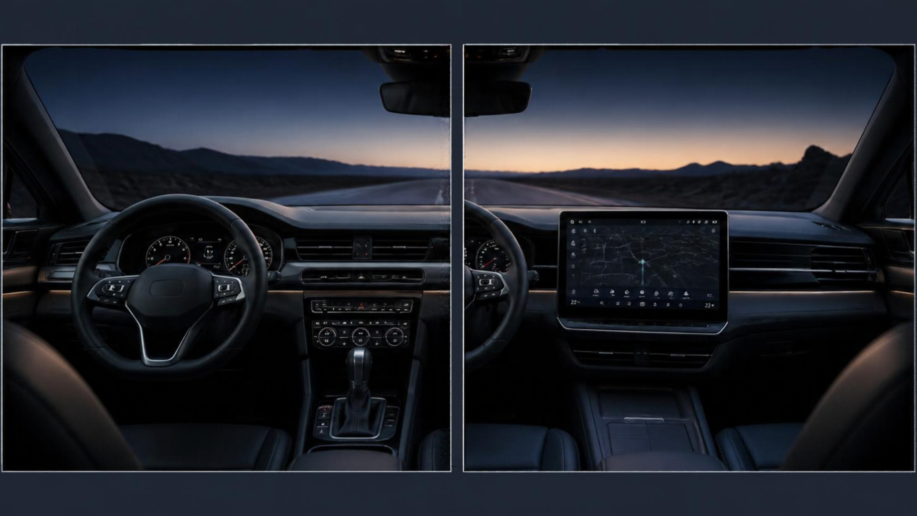
Physical buttons for indicators, headlights and windscreen wipers are becoming less common as manufacturers move more functions onto central touchscreens. However, the latest Euro NCAP assessments place greater emphasis on the accessibility of key controls, bringing a new dimension to the way modern vehicle safety is evaluated.
For businesses considering new cars or vans, the results underline why headline safety ratings are only one part of the decision. Driver familiarity, ease of use and the layout of essential controls can also influence the suitability of a vehicle for everyday work.
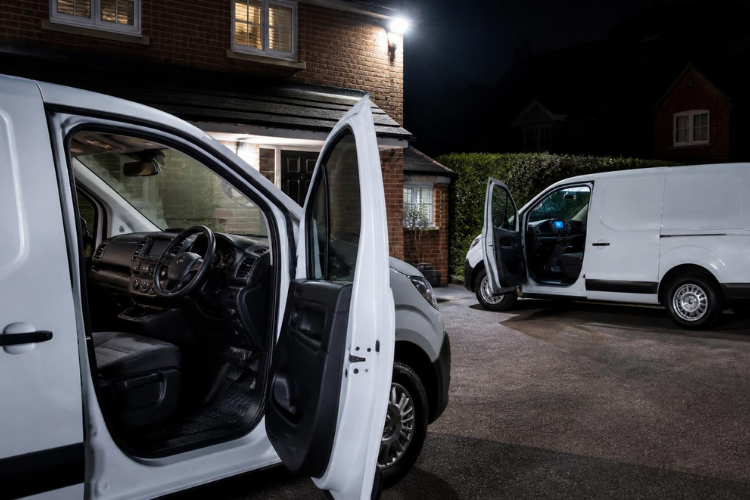
Euro NCAP Puts Greater Emphasis On Physical Controls
Euro NCAP, the European vehicle safety assessment organisation, has updated its testing procedures to place greater emphasis on the usability of essential driving functions.
The approach reflects concerns that drivers may need to navigate touchscreen menus to operate controls that were traditionally accessible through dedicated buttons or switches. Depending on the vehicle and the function involved, this could require drivers to look away from the road for longer than they would when using a familiar physical control.
The assessment considers how easily drivers can operate important functions, including indicators, headlights, windscreen wipers, washers and mirror adjustment. Physical controls can make these tasks more straightforward because drivers may be able to locate and operate them without navigating multiple screen menus.
The updated approach also considers comfort and infotainment functions, such as heated seats and radio controls. These are assessed separately from essential driving tasks, recognising that some functions have a more direct relationship with driving.
The development is relevant to the wider debate around modern vehicle technology, cameras, data and the right to repair, as manufacturers increasingly integrate more functions into electronic systems and digital interfaces.
Chinese And European Models Show A Noticeable Difference
The results reported in October 2026 highlight a difference between several Chinese models and selected European vehicles, although the findings should not be interpreted as a blanket judgement on either region’s automotive industry.
The Audi Q7 achieved a reported score of 100% for essential driving tasks and 80% for comfort and infotainment, giving it a combined result of 90% across these categories.
By comparison, the XPENG X9 scored 20% for essential driving controls and 80% for comfort and infotainment. The difference reflects the way certain functions are accessed rather than establishing that the XPENG is inherently less safe in every respect.
According to the reported results, Euro NCAP identified clear differences between some European manufacturers and Chinese carmakers in their approach to physical controls.
The findings come as Chinese brands continue to expand in the UK, offering buyers and business customers more choice across electric cars, SUVs and other vehicle categories. Our guide to Chinese car manufacturers and their growth in the UK automotive market examines the changing market, while our coverage of Chinese EV brands entering the UK fleet market explores the growing relevance of these manufacturers to business vehicle decisions.
Which Cars Scored Best For Essential Driving Controls?
The reported 2026 results show a considerable spread between models. The following figures relate to the assessment of essential driving tasks and comfort and infotainment, rather than the vehicles’ overall Euro NCAP safety ratings.
| Vehicle | Essential driving tasks | Comfort and infotainment | Combined category score |
|---|---|---|---|
| Audi Q7 | 100% | 80% | 90% |
| BMW iX3 | 100% | Not specified here | Not specified |
| Cupra Raval | 80% | Not specified here | Not specified |
| XPENG X9 | 20% | 80% | 50% |
| Zeekr 7GT | 20% | Not specified here | Not specified |
| Aion UT | 20% | Not specified here | Not specified |
| Leapmotor B05 | 0% | Not specified here | Not specified |
| Geely EX2 | 80% | Not specified here | Not specified |
Source: Results reported by Carwow on 12 October 2026. Unspecified category scores have been left blank rather than estimated. The combined score shown for the Audi Q7 and XPENG X9 is the simple average of their two reported category scores, not an independently verified overall Euro NCAP rating.
The BMW iX3 and Audi Q7 reportedly achieved 100% for essential driving controls, while the Cupra Raval and Geely EX2 scored 80%. Several other Chinese models recorded 20%, with the Leapmotor B05 scoring 0% in this category.
These results demonstrate that the country of origin alone does not determine a vehicle’s score. The Geely EX2, for example, performed considerably better than several other Chinese models in the same assessment.
For anyone comparing vehicles, Euro NCAP’s official website is the appropriate place to check individual model assessments and understand how different categories contribute to the overall rating.
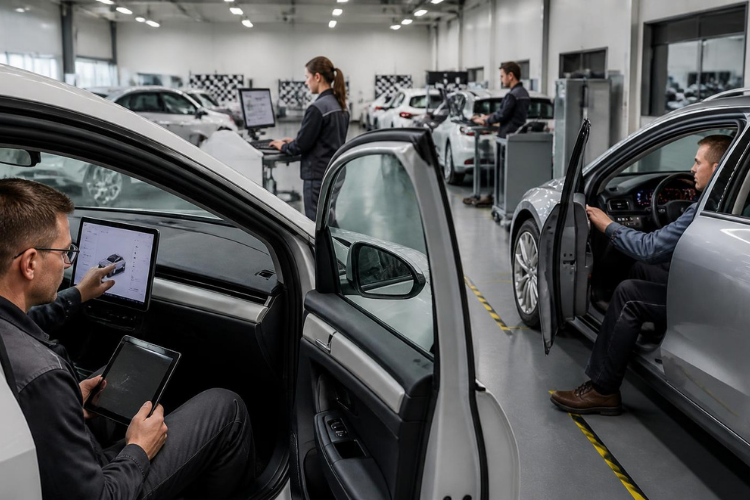
Why Five-Star Safety Ratings Do Not Tell The Whole Story
One of the most significant aspects of the findings is that the vehicles discussed still achieved five-star Euro NCAP safety ratings, despite their widely differing results for essential driving controls.
That is not necessarily contradictory. A vehicle’s overall safety rating incorporates several areas of assessment, including crash protection, the protection of vulnerable road users, crash avoidance and post-crash safety. Strong performance in other areas can offset a weaker result in one category.
The XPENG X9, for example, reportedly performed well in crash avoidance and post-crash safety. The Leapmotor B05 also achieved a reported 92% for crash protection, despite scoring 0% for essential driving controls.
This distinction matters because a five-star rating should not be interpreted as evidence that every aspect of a vehicle’s design performs equally well.
Businesses comparing new vehicles should therefore consider the individual assessment results alongside their intended use, rather than relying exclusively on the headline star rating.
Our article on whether electric cars are safer than petrol cars explores another aspect of vehicle safety, while our coverage of proposed changes to UK vehicle safety and type-approval rules provides further context on the development of vehicle standards.
Could Touchscreen Controls Increase Driver Distraction?
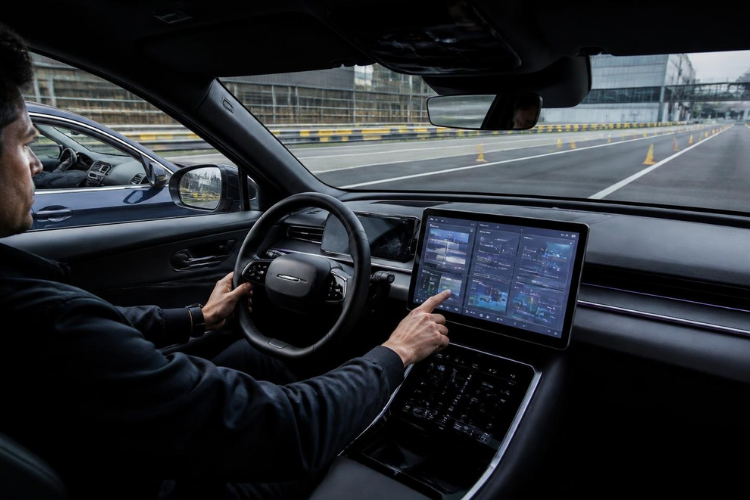
Touchscreens have become a defining feature of many modern vehicles. They can consolidate navigation, media, climate settings and vehicle functions into a single interface, reducing the number of physical switches needed across the dashboard.
However, there is a trade-off between a streamlined interior and straightforward operation.
A physical button can often be located through touch and operated with a single movement. A touchscreen function may require a driver to identify the correct menu, locate the relevant icon and confirm the selection. The complexity varies between vehicles and functions, but the additional steps can make some tasks less intuitive.
This is particularly relevant when operating functions such as windscreen wipers or lights in changing weather conditions. Drivers should be able to concentrate on the road rather than searching through menus to find a basic control.
The issue also connects to wider discussions around driving anxiety and how to overcome it, and driver mental health and fleet support. These subjects are distinct from Euro NCAP’s scoring system, but they reinforce the importance of considering the driver’s experience when choosing and operating a vehicle.
It would be inaccurate to suggest that every touchscreen is inherently unsafe or that physical buttons automatically eliminate distraction. The important consideration is how well the interface allows drivers to operate essential functions without unnecessary visual or mental demands.
What The Results Mean For Business Fleets
For fleet managers, the assessment raises a practical question: how well will a vehicle suit the people expected to drive it?
Businesses frequently compare vehicles on acquisition costs, leasing payments, energy consumption, range, payload, reliability and safety ratings. The layout of the dashboard may receive less attention, even though drivers interact with these controls throughout their working day.
A vehicle that works well for one driver may not be as intuitive for another, particularly where staff regularly switch between different makes and models.
This is relevant to organisations reviewing their fleet management solutions or planning a replacement programme through fleet planning and leasing. Selecting a vehicle involves more than finding a suitable specification and competitive price: the vehicle must also be appropriate for the people using it.
There are several practical steps businesses can take when assessing their options.
- Check the individual safety assessment. Review the vehicle’s detailed Euro NCAP results, including the assessment of essential driving controls, rather than relying on its star rating alone.
- Arrange a demonstration or test drive. Ask drivers to locate and operate common functions, including indicators, lights, wipers, demisting and climate controls, before committing to a vehicle.
- Consider driver familiarity. Where employees regularly change vehicles, a consistent and intuitive layout can help reduce the learning curve.
- Include usability in fleet policy. Alongside cost, emissions and vehicle suitability, establish whether the controls and interface meet the needs of the intended drivers.
- Provide vehicle familiarisation. Make sure employees understand how to operate unfamiliar vehicles before using them for work.
These considerations can be incorporated into a wider fleet audit or fleet lifecycle management strategy, helping businesses assess vehicles throughout the selection, operation and replacement process.
Why The Issue Matters As Chinese Brands Expand In The UK
Chinese manufacturers have become an increasingly important part of the UK vehicle market, particularly in the electric car segment. Their growing presence gives businesses more options when evaluating vehicle technology, equipment, range and running costs.
However, the Euro NCAP findings suggest that buyers should look beyond headline specifications and consider how a vehicle works in practice.
A model may offer an impressive digital display, advanced connectivity and a competitive equipment list, but those features do not necessarily mean its essential driving controls are the easiest to use.
Equally, the findings should not discourage businesses from considering Chinese vehicles as a whole. The variation between the reported scores demonstrates that assessments should be made model by model.
Our coverage of the changing UK vehicle market and the growing choice available to buyers provides useful background, while our article on the growth of Chinese car brands in the UK looks at the market’s changing competitive landscape.
For businesses comparing electric models, our guides to the best electric cars to lease and business car leasing in the UK can also help frame the wider vehicle-selection decision.
What Businesses Should Consider Before Leasing A New Vehicle
The updated testing approach provides another reason to take a structured approach to vehicle selection. A vehicle that looks attractive on paper should also meet the practical requirements of its drivers and the organisation.
Businesses considering a new car or commercial vehicle can start by defining their operational requirements, then comparing suitable models on safety, comfort, running costs and usability.
For commercial operators, that means assessing more than dashboard design. Payload, load space, vehicle dimensions, annual mileage and the type of work undertaken remain important considerations. Our guide to choosing the right business van to lease explains how to match a vehicle to business needs, while our business van leasing guide covers the wider leasing decision.
Businesses should also compare the available funding arrangements. Depending on their circumstances, options may include business contract hire, finance lease or hire purchase for vans.
The right option will depend on the business’s financial circumstances, vehicle requirements and approach to ownership. The aim should be to select a vehicle and agreement that work together, rather than making a decision based on one specification or headline figure.
Commercial Vehicle Contracts provides business vehicle leasing and finance options for organisations reviewing their vehicle requirements.
 Call our expert team on