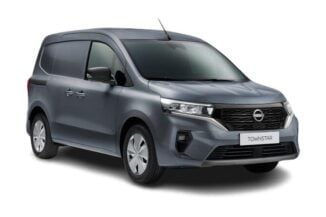
Van leasing over £500 per month opens up options for businesses that need more than a basic commercial vehicle. From electric large vans and extended load areas to specialist conversions and high-specification models, this budget can accommodate vehicles designed around demanding working requirements.
Commercial Vehicle Contracts (CVC) helps businesses compare van leasing options from leading manufacturers, with contract choices tailored to vehicle requirements, annual mileage and business use. Whether you need an electric van for urban deliveries, a high-capacity vehicle for transporting equipment or a specialist conversion, the right lease should reflect how your business operates.
For this guide, “vans over £500 per month” refers to advertised business leasing rentals above £500 per month, excluding VAT. These figures are examples rather than guaranteed prices: the initial rental, contract duration and agreed annual mileage all affect the monthly payment. Check the full terms of each deal before comparing quotes.
Explore the featured examples below, compare the available options and speak to our team for a quotation based on your requirements.
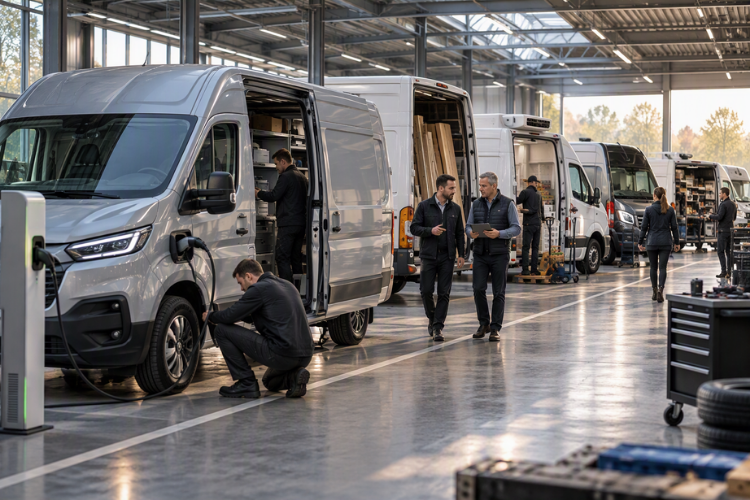
Why Choose Van Leasing Over £500 Per Month?
A higher monthly budget can give businesses access to larger battery-powered vans, extended-wheelbase models and vehicles configured for specialist work. However, the best option depends on the job the van needs to do rather than its price alone.
More capacity for demanding work
Businesses moving bulky goods, heavy equipment or large volumes of stock may need a longer load area, a higher roof or a vehicle designed for a particular application. Choosing the right configuration can help make daily loading and transport more practical.
Electric van options
Electric large vans can be worth considering if your business has predictable routes and access to suitable charging facilities. Depending on the model and usage, they may help reduce local exhaust emissions and some running costs. Assess real-world range, payload, charging downtime and electricity costs before making a decision.
Businesses considering an electric van should also review electric vehicle charging options for homes, workplaces and employees before deciding whether the switch is practical.
Specialist equipment and conversions
A standard panel van may not suit every operation. Refrigeration, tail lifts, racking, shelving and bespoke body conversions can make a vehicle more suitable for deliveries, trades, removals and other specialist work. These requirements should be discussed when requesting a quote, as modifications affect the overall cost and specification. For tailored requirements, explore our bespoke van leasing and conversion services.
Read our guide to commercial vehicle conversions for more information about adapting a van to specific business requirements.
More predictable budgeting
Leasing provides an agreed payment structure over the contract term, helping businesses plan vehicle expenditure. Optional maintenance may also be available, although it is important to check exactly what a package covers.
A van costing more than £500 per month is not automatically better value than a cheaper alternative. Compare the full specification, contract terms and suitability for your workload before choosing.
Featured Premium & Luxury Van Lease Offers
The examples below include commercial vans advertised at more than £500 per month, excluding VAT. Monthly rentals depend on factors such as the initial rental, contract length and annual mileage, so compare the full agreement details rather than the monthly figure alone.
Van Leasing Deals Over £500 Per Month
| Vehicle | Type | Advertised monthly rental, excluding VAT |
|---|---|---|
| Nissan Interstar R35 L4H2 2.3 dCi Acenta TRW | Extra-long-wheelbase diesel van | £548.68 |
| Citroën ë-Relay 35 L3H2 110kWh Enterprise Edition | Electric large van | £558.26 |
| Ford E-Transit 350 L4H3 68kWh Leader Auto | Extra-long electric van | £566.38 |
| Peugeot e-Boxer 435 L3H2 110kWh Professional | Electric large van | £594.87 |
| Renault Master E-Tech MM35 87kWh Advance | Electric large van | £697.58 |
Prices are indicative advertised monthly rentals excluding VAT, not guaranteed quotations. Availability, vehicle specification, initial rental, contract duration and annual mileage can affect the price. Confirm the current offer and terms on each individual vehicle page.
Which Van Could Suit Your Business?
Nissan Interstar: for additional load capacity
An extra-long-wheelbase van may suit businesses that regularly transport bulky equipment, building materials or large quantities of goods. Check the permitted payload and internal dimensions against the loads you actually carry. A longer vehicle can also affect parking, access and manoeuvrability.
Citroën ë-Relay: for businesses considering electric operation
An electric large van may be appropriate for regular local deliveries, urban work or routes that return to a depot for charging. Before committing, estimate your daily mileage, likely payload and charging requirements. Consider whether the vehicle can complete a typical working day without disrupting operations.
Ford E-Transit: for larger electric-van requirements
The E-Transit range provides an electric alternative for businesses that need substantial van capacity. The specific L4H3 version listed above is an extended, high-roof configuration, making dimensions, parking access and loaded range important considerations. Check the individual specification before comparing it with shorter models.
Peugeot e-Boxer: for larger electric loads
The e-Boxer is another option for businesses considering an electric large van. Compare the usable cargo area, payload, charging capability and range with your existing vehicle. The right choice depends on how much you carry, how far you travel and where charging can take place.
Renault Master E-Tech: for businesses evaluating electric fleet options
The electric Master may be worth comparing if you want a large van for regular commercial use. Consider whether your routes and charging arrangements suit an electric vehicle, and compare the full contract cost with an equivalent diesel model.
These examples are not a ranking: the most suitable vehicle will depend on your business, and prices can change. You can also browse all van leasing deals and large van leasing options to compare other models.
Business Benefits of Leasing a Premium Van
For a business that relies on its commercial vehicles every day, choosing the right van is an operational decision as much as a financial one.
Cash-flow planning:
Leasing spreads the cost of using a vehicle over an agreed term rather than requiring the business to purchase it outright. The initial rental and monthly payments still need to fit the budget, so compare the total commitment rather than looking at the monthly figure alone.
Vehicle suitability:
A suitable van can help staff transport equipment, complete deliveries and carry out work efficiently. Choosing the correct body style and payload is particularly important for specialist trades and businesses with heavy or bulky loads.
Fleet planning:
Businesses operating several vehicles can coordinate replacement cycles and review their fleet requirements over time. CVC also provides fleet management solutions for businesses that need broader support with their vehicles.
Maintenance options:
Maintenance can often be added to a lease for an additional cost. Check whether the package includes servicing, tyres, MOTs and repairs, and understand any exclusions. A manufacturer’s warranty is not the same as a maintenance agreement.
Our guide to maintenance versus warranty explains the difference between these two types of cover.
Tax and VAT considerations:
The tax treatment of a leased commercial vehicle depends on the agreement and the business’s circumstances. VAT recovery is subject to eligibility and use, while lease payments may be treated differently for tax purposes depending on the vehicle and arrangement. Seek advice from your accountant rather than assuming that every business can reclaim all VAT or deduct every payment.
How to Choose the Right Premium Van Lease
Before requesting a quote, establish what the vehicle needs to carry, where it will travel and how intensively it will be used. These details help narrow the options and avoid paying for a specification your business does not need.
- Set your payload and load-space requirements. Check the vehicle’s payload after accounting for occupants, equipment and any conversion. Do not assume that a larger van automatically has a higher usable payload.
- Choose the right powertrain. Diesel may suit some high-mileage or long-distance operations, while electric models can work well for suitable routes with reliable charging access. Compare your actual usage rather than relying on headline figures.
- Compare the contract terms. Review the initial rental, monthly payment, contract length and annual mileage. Read our guide to excess mileage charges so you understand what could happen if you exceed your agreed allowance. It is also worth understanding the rules on fair wear and tear on a leased van before the vehicle is returned.
- Allow for equipment and conversion costs. If you need refrigeration, racking, a tail lift or another modification, specify it at the quotation stage.
- Consider maintenance and downtime. Look at servicing arrangements, warranty cover, vehicle availability and how your business would manage an unexpected period off the road.
- Check delivery expectations. Delivery times can vary by model, specification and availability. Confirm the expected timescale before making plans around a replacement vehicle.
If you are new to leasing, our guide to the van leasing process explains the main steps from choosing a vehicle through to delivery. Businesses can also compare business van leasing options.
Need help choosing a van for your business? Contact Commercial Vehicle Contracts to discuss your load-space requirements, mileage, preferred contract terms and any specialist equipment you need. Our team can help you compare suitable options and request a quotation.

 Call our expert team on