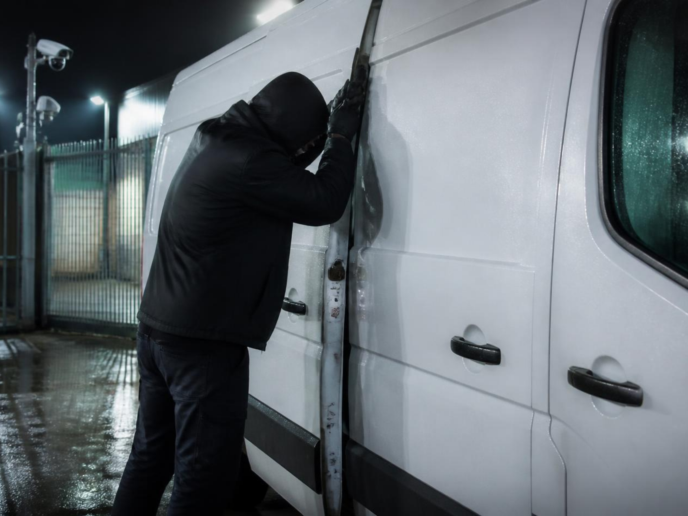
Van theft remains a concern for UK businesses, with the Ford Transit recording the highest number of reported thefts during the first seven months of 2026. However, new figures suggest the wider trend is moving in a more positive direction, with the total number of stolen vans continuing to fall.
Data from the DVLA, obtained by finance provider Anglo Scottish, recorded 1,307 Ford Transit thefts between 1 January and 31 July 2026. The smaller Ford Transit Custom followed closely behind, with 1,279 reported thefts over the same period.
Both models are among the UK’s most popular commercial vehicles, making their theft figures particularly relevant to businesses that depend on vans for daily operations. Security is also worth considering when choosing a replacement vehicle, particularly for businesses carrying tools or valuable equipment. Our guide to the most secure vans on the UK market explores security considerations for commercial vehicle operators.

Ford Transit And Transit Custom Dominate Theft Rankings
The Ford Transit narrowly took the top position, despite the Transit Custom having outsold its larger sibling for several years. However, the figures cover vehicles of different ages, meaning current new van sales do not necessarily reflect the number of vehicles at risk of theft across the UK.
The difference between the two models has also narrowed compared with previous years. In 2024, there were 3,427 reported Ford Transit thefts, compared with 2,185 Transit Customs.
The Mercedes-Benz Sprinter ranked third in the latest figures, while the Vauxhall Vivaro and Peugeot Boxer completed the top five.
The UK’s Most-Stolen Vans: January To July 2026
| Rank | Van model | Reported thefts |
|---|---|---|
| 1 | Ford Transit | 1,307 |
| 2 | Ford Transit Custom | 1,279 |
| 3 | Mercedes-Benz Sprinter | 493 |
| 4 | Vauxhall Vivaro | 215 |
| 5 | Peugeot Boxer | 210 |
| 6 | Ford Transit Connect | 177 |
| 7 | Citroën Relay | 171 |
| 8 | Renault Trafic | 112 |
| 9 | Citroën Berlingo | 102 |
| 10 | Volkswagen Transporter | 101 |
The figures highlight how thefts are concentrated among a relatively small number of popular van models. For operators running several vehicles of the same type, a theft can have consequences beyond the cost of replacing the vehicle, potentially disrupting deliveries, delaying work and affecting customer commitments.
UK Van Theft Figures Show Signs Of Improvement
Although the number of thefts involving individual models remains significant, the overall figures point towards a decline in van theft across the UK.
According to the data obtained by Anglo Scottish, 11,393 vans were stolen in 2024, falling to 9,585 in 2025. Based on the figures available for the first seven months of 2026, the projected full-year total is 8,806 thefts.
If that projection proves accurate, it would represent a further reduction compared with the previous two years. However, the 2026 figure remains an estimate rather than a confirmed annual total.

For businesses operating commercial vehicles, the downward trend is encouraging, but it does not remove the need to protect vehicles against theft. A single stolen van can leave a business without essential transport, equipment or tools, potentially creating additional costs while alternative arrangements are made.
How Businesses Can Reduce The Risk Of Van Theft
Vehicle security should form part of a business’s wider fleet management approach, particularly for companies operating multiple vans or carrying valuable equipment. Combining preventative measures can make vehicles more difficult to steal and improve the chances of recovering them if a theft occurs.
Practical measures businesses can consider include:
- Steering wheel locks and pedal clamps: Additional physical barriers can make unauthorised access and vehicle theft more difficult.
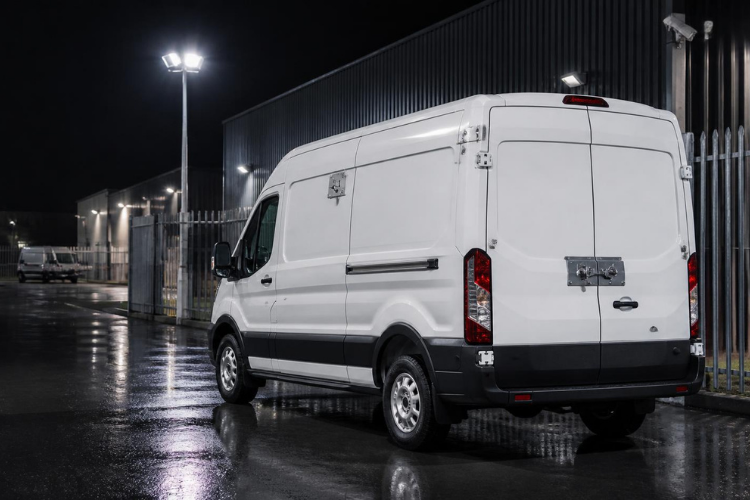
- Reinforced doors and body panels: Internal shielding, upgraded locks and anti-peel brackets can help protect vulnerable areas of a van against common break-in methods.
- Keyless entry protection: Where vehicles use keyless entry, disabling the feature when it is not needed, if supported by the vehicle, can help reduce exposure to relay attacks.
- GPS tracking: A suitable tracking system can assist with locating a stolen vehicle, although it should complement rather than replace other security measures.
- Secure parking: Where possible, vehicles should be parked in well-lit, controlled or locked areas, particularly overnight.
- Driver awareness: Employees should be encouraged to secure vehicles, avoid leaving tools or valuable equipment on display and report suspicious activity promptly.
For businesses looking to improve security at their premises, van security gates can provide an additional barrier against unauthorised access to van contents. They are worth considering alongside other vehicle security measures, particularly for businesses that leave vans parked overnight at a depot or business premises.
For tools and smaller equipment, van storage systems and secure storage boxes can help businesses organise their load area and keep valuable items in designated storage spaces. Lockable storage may provide an additional layer of protection, depending on the system selected, alongside wider van security measures.
Businesses should also review their insurance arrangements and any security requirements that apply to their vehicles. Our guide to insuring a lease van explains the insurance considerations businesses should understand when leasing a commercial vehicle. Businesses should also consider key management as part of their security procedures. Keeping a spare key securely stored can help reduce disruption if the main key is lost or damaged. Read our guide to the risks of relying on a single van key for further advice. Security equipment must be suitable for the vehicle and used in accordance with manufacturer guidance and the terms of the relevant policy.

Why Van Security Matters For Fleet Operators
For businesses that rely on vans to generate revenue, vehicle theft can create a wider operational problem. Lost working time, missed appointments, replacement transport and delays to customer projects can all add to the financial impact. A fleet audit can help businesses review vehicle suitability, utilisation, operating costs and fleet requirements.
Regularly reviewing vehicle security, driver procedures and fleet requirements can help businesses identify potential weaknesses before an incident occurs. A fleet management solution can also help businesses take a more structured approach to vehicle operations and the responsibilities associated with running a fleet.
It is equally important to ensure drivers understand their obligations when using company vehicles. CVC’s guide to leased vehicle driver responsibilities provides further information on the considerations involved in operating a leased vehicle.

 Call our expert team on