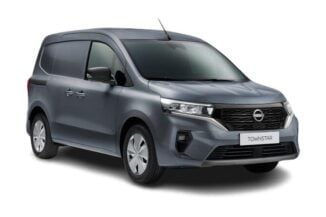
Looking for a van that fits your business requirements and budget? Our van leasing deals between £350 and £500 per month offer a range of options for businesses that need dependable commercial vehicles, additional load space or specialist working capabilities.
Whether you’re a sole trader upgrading your work van, a growing business adding another vehicle or a fleet manager reviewing your current vehicles, this price range opens up a variety of possibilities. The right choice depends on how you work, what you need to carry and the mileage your business covers.
At Commercial Vehicle Contracts, we help businesses compare vehicle leasing options and find vans suited to their operational needs. Explore our van leasing deals or speak to our team for help finding a suitable vehicle.

Vans Between £350 and £500 Per Month: Featured Deals
A monthly budget of £350–£500 plus VAT opens up a wide range of commercial vehicles, from medium-sized panel vans and large-capacity work vans to electric models and specialist conversions. The right choice will depend on your payload requirements, load space, annual mileage and the type of work you undertake.
Here are some examples of vans advertised within this monthly rental range. Prices are indicative starting rentals and are subject to the vehicle specification, initial rental, contract length, mileage allowance and availability.
| Vehicle | Type | Monthly rental |
|---|---|---|
| Peugeot Expert Professional 2.0 BlueHDi 145 | Medium panel van | £356.22 + VAT |
| Toyota Proace LWB 2.0 Diesel 145PS Icon | Long-wheelbase panel van | £363.94 + VAT |
| Volkswagen Crafter MWB CR35 2.0 TDI 140 High Roof | Large panel van | £454.75 + VAT |
| Volkswagen Crafter LWB CR35 2.0 TDI 140 High Roof | Long-wheelbase panel van | £466.95 + VAT |
| Ford E-Transit 350 L2H2 68kWh Leader | Electric large van | £407.19 + VAT |
| Vauxhall Vivaro Electric L2H1 75kWh Prime | Electric medium van | £441.55 + VAT |
| Citroën Relay L4 Luton with Tail Lift | Luton van | £386.61 + VAT |
| Renault Master Luton Box Van with Tail Lift | Luton van | £435.22 + VAT |
| Peugeot Boxer L3 Refrigerated Van | Refrigerated van | £401.24 + VAT |
| Ford Transit Custom PHEV 320 L1H1 Limited Auto | Plug-in hybrid van | £373.37 + VAT |
Prices shown are advertised monthly rentals excluding VAT and are subject to the vehicle specification, initial rental, contract length, annual mileage allowance and availability. Check the individual vehicle offer for full terms and a current quotation.
These examples illustrate the variety of vehicles that may fit your budget, but they are not like-for-like comparisons. A standard panel van, an electric van and a specialist conversion have different capabilities and running-cost considerations.
You can browse the full range of van leasing deals or compare specific manufacturers, including Peugeot vans, Volkswagen vans, Ford vans and electric vans.
Before requesting a quotation, check the initial rental, contract term, annual mileage allowance and whether the advertised vehicle is available in the required specification. Specialist conversions may also have different lead times and costs.
Why Lease a Van Between £350–£500 Per Month?
A monthly budget of £350–£500 can provide scope to consider different van sizes, specifications and equipment levels. Depending on the model, contract terms and current offers, you may be able to choose a practical medium-sized van, a larger panel van or a vehicle with features that make everyday working life easier.
For tradespeople, a suitable van needs enough space for tools, materials and equipment. Delivery businesses may prioritise load capacity and fuel economy, while businesses transporting bulky goods might need a longer wheelbase or higher roof.
Leasing can also help businesses plan their vehicle expenditure through agreed monthly rentals over a fixed contract period, rather than purchasing a vehicle outright. You can choose a vehicle to suit your requirements and review your options when the agreement ends.
The important thing is to compare the whole deal rather than the monthly payment alone. Initial rentals, contract length, annual mileage, maintenance arrangements and vehicle availability can all affect the overall value of a lease.
Understanding the full cost of operating a commercial vehicle can help you make a more informed decision. Read our guide to the true cost of running a van for more on the expenses businesses should consider when budgeting for a work vehicle.
Your budget should also account for fuel or charging, insurance, servicing not covered by a maintenance package, and any equipment needed to prepare the van for work. Estimate your annual mileage carefully, as it can affect the agreed rental and any excess mileage charges at the end of the contract. Our guide to van and car lease mileage allowance explains how to choose a suitable mileage allowance.
Compare Van Lease Offers: £350–£500 Per Month
The most suitable van will depend on your business, the work you undertake and the equipment you carry. Use this price bracket as a starting point when comparing available vehicles.
The following categories highlight the types of vans worth considering. Actual monthly rentals depend on current offers, vehicle specifications and the terms of the agreement.
| Van type | Best suited to | What to compare |
|---|---|---|
| Medium panel vans | Tradespeople, maintenance teams and local deliveries | Load length, payload and manoeuvrability |
| Large panel vans | Construction, logistics and bulky deliveries | Load volume, roof height and payload |
| Long-wheelbase vans | Businesses carrying longer items or larger loads | Internal dimensions and turning circle |
| High-roof vans | Contractors and businesses carrying bulky equipment | Standing room, access and load volume |
| Crew vans | Teams needing passenger seats alongside cargo space | Seating layout, remaining load space and payload |
| Electric vans | Urban deliveries and businesses with suitable charging | Usable range, charging access and payload |
Check Payload Before Choosing Your Van
Load space is only one part of choosing a commercial vehicle. Payload determines how much weight your van can carry, including tools, materials, equipment, passengers and any additional storage fitted to the vehicle. A van with a large load area may not necessarily offer the payload your business needs.
Before choosing a van, compare its payload with the weight of your typical load and consider how optional equipment or conversions could affect its carrying capacity. Our guides to van payload and safely carrying cargo and passengers, the best medium vans for payload, and choosing the right business van to lease can help you compare vehicle types and find a van suited to your business’s operational requirements.
If you’re unsure which size or configuration will suit your work, our guide to choosing the right van explains the main commercial vehicle types and their practical uses.
Consider Your Business As It Grows
It is worth thinking beyond your immediate requirements when choosing a van to lease. If your business is taking on additional work or you expect your transport needs to increase, choosing a vehicle with some additional load space or payload capacity could help you avoid outgrowing it too quickly.
The same applies to specialist requirements. If your work involves transporting temperature-sensitive goods, you may need a refrigerated van. Businesses that need an on-site workspace may benefit from a welfare van conversion, while tipper bodies, Luton bodies and other modifications may require a specialist commercial vehicle conversion.
Considering these needs before requesting a quotation can help you compare suitable vehicles and account for any additional costs within your leasing budget.
Browse the available options:
- Explore our van leasing deals to compare commercial vehicles for your business.
- View our pickup truck leasing options if you need a vehicle with an open load bed and different working capabilities.
- Explore electric pickup leasing if an electric pickup could suit your business.
For a current quotation, check the latest vehicle offers and confirm the rental, initial payment, mileage allowance and availability with our team. This helps ensure you’re comparing like-for-like agreements rather than relying on headline prices alone.

Choosing a Van Within Your Budget
The best van for your business will depend on the work you undertake, the equipment you carry and the journeys you make. A medium-sized panel van may suit tradespeople and local delivery businesses, while a larger van may offer the load volume needed for bulky goods or equipment.
Businesses with specialist requirements may also need to consider vehicle conversions or additional equipment, such as shelving and racking, ply lining, tail lifts or refrigerated load areas. These requirements can affect the vehicle specification and overall cost, so it is worth discussing them before requesting a quotation.
Browse our industry-specific commercial vehicle leasing guides for advice tailored to different types of businesses, or contact our team to discuss suitable vans and current offers.
Our team can help you compare available vehicles and identify suitable offers within your budget. Contact us for current pricing and availability before making a decision.
Business Van Leasing: Solutions for Small Businesses
For small businesses, choosing a van is about more than finding a vehicle with the right dimensions. It also means managing cash flow, maintaining productivity and making sure the vehicle can handle the demands of the job.
Manage Your Vehicle Budget
Business van leasing provides an agreed rental structure over a set period, helping you plan vehicle expenditure. The initial rental, monthly payments, mileage allowance and any optional maintenance package should all be considered when calculating affordability.
Remember that the lowest monthly rental is not necessarily the best overall deal. A van that is too small, has an unsuitable payload or cannot accommodate your equipment could create additional costs and inconvenience.
Choose the Right Contract
Business customers may have different leasing requirements depending on their circumstances, how the vehicle will be used and their preferred approach to vehicle ownership.
Before choosing an agreement, it’s worth understanding how the process works. Our guide to the vehicle leasing process explains the main stages, from selecting a vehicle and arranging finance to delivery. It’s also worth comparing the available funding arrangements. Our guide to vehicle finance options explains the different ways businesses can fund their commercial vehicles and the considerations associated with each.
The type of agreement matters as much as the vehicle itself. Business Contract Hire is worth considering if you want to use a van for an agreed period and return it at the end, subject to the contract terms. Finance Lease offers a different funding structure and may suit businesses with different requirements around vehicle use and end-of-agreement arrangements. Compare the terms carefully, including any end-of-contract obligations, before deciding which option is appropriate for your business.
If you’re comparing finance options, our team can explain the available arrangements and help identify those appropriate to your business. Eligibility and acceptance are subject to the relevant finance provider’s criteria.
If you’re concerned about applying for finance, our guide to the credit score needed to lease a commercial vehicle explains some of the factors that may be considered. Acceptance is subject to the finance provider’s assessment and criteria.
Newly established businesses may also be able to lease a van, although finance providers may request additional information or a director’s guarantee depending on their lending criteria. Read our guide to leasing a van through a new limited company for more information about the application process and requirements for start-ups.
Consider Tax and VAT
The tax treatment of a leased van depends on factors including business use, VAT registration, the type of agreement and the vehicle’s use. Businesses should not assume that every rental or associated expense qualifies for the same tax treatment.
If you’re VAT-registered, the amount of VAT you can reclaim will depend on the circumstances and applicable HMRC rules. Speak to your accountant or tax adviser about the treatment of rentals, maintenance and other vehicle costs before committing to a contract. For a more detailed explanation of the rules, read our guide to reclaiming VAT on a business van or car lease, which explores the considerations for VAT-registered businesses.
If you operate through a limited company, it’s also worth understanding how leasing a business vehicle fits into your wider business arrangements. Read our guide to the benefits of leasing through a limited company for an overview, and speak to your accountant about the tax treatment relevant to your circumstances.
Plan for Business Growth
If you’re adding your first van or expanding an existing fleet, consider how your vehicle requirements might change over the contract period. Annual mileage, the number of drivers, equipment requirements and the possibility of adding more vehicles can all influence your decision.
For businesses with several vehicles, our fleet management solutions provide a starting point for exploring support with wider fleet requirements.
If you’re planning to add vehicles over time, it can help to consider replacement schedules, driver requirements, vehicle suitability and the likely cost of running the fleet as a whole. Our guide to fleet planning and leasing for UK businesses explores the wider considerations involved in choosing and managing vehicles as your business grows.
Electric & Low-Emission Vans in the £350–£500 Range
Electric vans are worth considering if your business regularly operates in urban areas, covers predictable daily routes or has access to convenient charging facilities.
An electric van can offer lower local running emissions and may reduce energy and routine maintenance costs in some circumstances. However, the overall financial benefits depend on electricity prices, mileage, charging arrangements, vehicle choice and the cost of the lease.
Before choosing an electric model, consider:
- Driving range: Check the manufacturer’s published range and allow for the effect of weather, payload, driving conditions and heating or air conditioning.
- Charging facilities: Consider whether you can charge at your business premises, at home or at suitable public charging points.
- Payload and load space: Make sure the vehicle can carry your usual equipment and goods within its permitted limits.
- Daily mileage: Compare the vehicle’s practical range with your normal routes, including any additional journeys.
- Total running costs: Compare charging costs, maintenance arrangements and the lease terms with those of a suitable petrol or diesel alternative.
Electric van availability and monthly rentals vary by model and specification, so not every vehicle will fall within the £350–£500 budget at any given time.
If you’re considering electrification, explore our electric van leasing options to compare available models. Monthly rentals and availability vary by vehicle and contract terms, so ask our team to confirm which options fit your budget and operational requirements.
How Van Leasing Works: What’s Included & Next Steps
Arranging a van lease starts with identifying the vehicle that suits your business and agreeing on the terms that meet your requirements.
Step 1: Choose your van.
- Consider the size, payload, load volume, fuel type and specification you need for the work you undertake.
Step 2: Set your budget and mileage.
- Decide how much you can spend each month, how much you’re prepared to pay initially and the approximate annual mileage you expect.
Step 3: Compare leasing options.
- Review the available contract types, agreement lengths, rentals and maintenance arrangements. Our team can help you understand the options available for your circumstances.
Step 4: Complete the finance process.
- Once you’ve selected a suitable vehicle, the relevant finance provider will assess your application against its criteria.
Step 5: Arrange delivery.
- Following approval and completion of the required documentation, delivery arrangements can be confirmed according to the vehicle’s availability and agreed terms.

How Does the Van Leasing Process Work?
Leasing a van is straightforward once you have identified a vehicle that suits your business needs and budget. You can request a quotation based on your preferred contract terms before deciding whether to proceed.
The process typically involves:
- Choose your van – Select a vehicle that suits your work, payload requirements and budget.
- Agree on your contract requirements – Consider the contract length, annual mileage and initial rental.
- Request a quotation – Receive a quotation based on your requirements and the vehicle’s availability.
- Complete the finance application – If you wish to proceed, complete the relevant business customer application. The finance provider will assess the application and its eligibility criteria.
- Vehicle order and preparation – Once finance is approved and the order is confirmed, arrangements progress towards delivery.
- Arrange delivery – Your van will be delivered in line with the agreed arrangements once it is ready.
The precise process and timescales can vary depending on the vehicle, finance provider and agreement type. Read our vehicle leasing process guide for further information.
What’s Included in a Van Lease?
The exact package depends on the agreement, but the following items are worth checking before you commit.
- Road tax: Road tax is included in CVC’s standard vehicle leasing arrangements, subject to the applicable terms.
- Delivery: Free mainland UK delivery is available through CVC’s standard arrangements, subject to the applicable terms.
- Initial rental and fees: Check the initial payment, documentation fee and any other applicable charges.
- Warranty: Check the manufacturer’s warranty coverage and duration for your chosen vehicle.
- Most leased vans come with a manufacturer warranty, which covers eligible faults and repairs subject to the manufacturer’s terms and conditions. Warranty coverage varies by vehicle and may exclude wear-and-tear items, so check the details before signing your agreement. Read our guide to van manufacturer warranties to understand what may be covered and what to check.
- Maintenance: Servicing, routine maintenance and certain repairs may be available through an optional maintenance package.
- It’s important to understand the difference between routine maintenance and warranty protection. Our guide to maintenance versus warranty explains how the two differ and what to check before entering a lease agreement.
- Insurance: Insurance is generally the customer’s responsibility and should be arranged in accordance with the agreement.
- You’ll also need to arrange suitable cover for your leased vehicle. Read our guide to insuring a lease van for more information about the insurance considerations for business users.
What Should You Check Before Your Van Lease Ends?
When comparing van leasing agreements, consider what happens at the end of the contract as well as the initial rental and monthly payments. Most agreements have requirements relating to the vehicle’s condition, agreed mileage and return arrangements.
- Mileage allowance: Estimate your annual mileage carefully and check how excess mileage is charged. Our guide to excess mileage charges explains why it is important to understand the terms before signing.
- Vehicle condition: Check the return standards and understand what may be considered acceptable wear and tear. Our van leasing fair wear and tear guide explains what to look out for.
- Driver responsibilities: Make sure drivers understand how to care for the vehicle and what is expected throughout the agreement. Read our guide to leased vehicle driver responsibilities for further information.
- Return arrangements: Check the return date, required documentation and collection arrangements with your finance provider well before the agreement ends. Read our Delivery Information page for relevant delivery guidance, and confirm the return process directly with your funder.
Understanding these requirements from the outset can help you budget more accurately and avoid surprises when it is time to return your van.
Ask for a full quotation so you can understand what is included in your chosen agreement and which costs you’ll need to budget for separately.
Why Choose Commercial Vehicle Contracts?
Commercial Vehicle Contracts helps businesses across the UK find vehicle leasing solutions to suit their requirements. With more than 25 years of experience, we’re an independent broker offering access to a broad choice of cars, vans and pickups.
We’re authorised and regulated by the Financial Conduct Authority (FCA) and are members of the British Vehicle Rental and Leasing Association (BVRLA). Our approach combines vehicle knowledge with support throughout the leasing process, helping you compare options and find a suitable solution for your business.
Our wider services include vehicle leasing, fleet support and van customisation, providing a single point of contact for businesses with different commercial vehicle requirements.
Whether you’re looking for your first work van or comparing options for an established fleet, we can help you understand the available choices.

Frequently Asked Questions About Van Leasing Between £350–£500 Per Month
Yes, vehicles may be available within this budget, depending on the model, specification, initial rental, contract length, annual mileage and current offers. Contact our team to confirm which vehicles meet your requirements.
Yes. Small businesses can apply for business van leasing, subject to the finance provider’s eligibility criteria and affordability assessment. The documentation required will depend on the applicant and the agreement.
Not necessarily. Maintenance is often available as an optional extra, so check whether servicing, routine maintenance and eligible repairs are covered by the specific quotation.
Potentially. Electric van offers vary according to the model, specification and contract terms. Check current availability and compare the vehicle’s practical range and charging requirements with your business needs.
Ending a lease early can involve additional charges and is subject to the agreement’s terms. Contact the finance provider before making any decision, and review the early termination provisions before signing a contract.
Delivery times vary according to the vehicle, specification, stock availability and any conversion or additional equipment required. Confirm the expected delivery date with the team before placing an order.
Insurance is generally not included in the lease rental. You should check the agreement’s requirements and arrange appropriate cover for your business and its drivers.
 Call our expert team on