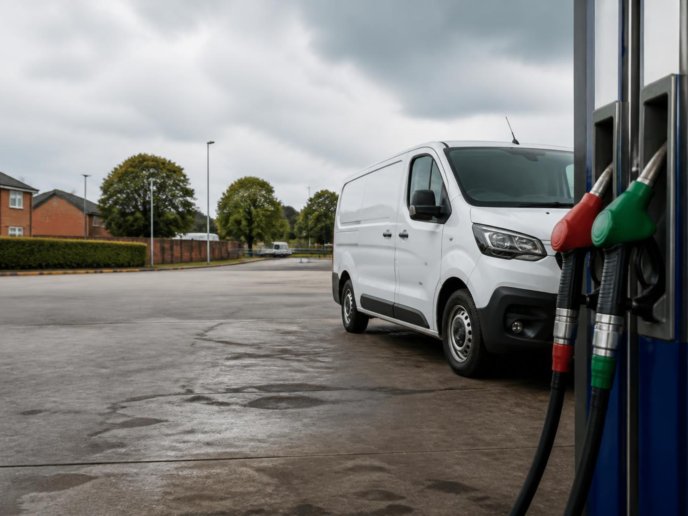
Petrol and diesel prices have climbed to their highest levels for around four years, increasing pressure on motorists, businesses and vehicle fleets as rising fuel costs begin to feed through into wider inflation.
The latest figures from the RAC show that the average UK petrol price reached 170.54p per litre on 15 September 2026, taking it above the £1.70-a-litre mark for the first time since August 2022.
Diesel has climbed even further, reaching 192.86p per litre, its highest average price since July 2022. The RAC has warned that diesel could potentially move beyond the £2-a-litre threshold if the current pressure on global oil supplies continues.
For businesses operating vans and other commercial vehicles, the increase could have a noticeable effect on running costs, particularly for high-mileage fleets that rely heavily on diesel. Understanding the true cost of running a van is therefore becoming increasingly important for businesses planning their transport budgets.
Fuel Prices Continue To Rise
The latest increase follows a particularly sharp rise since the beginning of September.
According to the RAC, filling an average family car now costs approximately £94 with petrol or £106 with diesel, with the cost of a tank of fuel having risen by almost £5 since the start of the month.
The organisation has attributed the latest increases partly to the cost of crude oil remaining above $100 a barrel amid disruption to global fuel supplies.
At current prices, the impact is considerably greater for commercial vehicles.
A van travelling tens of thousands of miles each year can consume significantly more fuel than the average private car, meaning relatively small movements in the price of a litre can translate into hundreds or even thousands of pounds in additional annual operating costs. For businesses looking to reduce that expenditure, understanding van fuel economy can be an important part of choosing the right vehicle.
For companies already managing rising wages, insurance premiums, servicing costs and other operating expenses, fuel is another variable that needs to be taken into account when calculating the total cost of running a vehicle.
Diesel Could Move Above £2 A Litre
Diesel currently sits below the £2-a-litre level, but the RAC says there is a possibility that the previous record average price of 199.05p per litre, recorded in June 2022, could be exceeded.
RAC head of policy Simon Williams said the latest increases were being driven by the cost of crude oil and warned that pump prices could continue rising if oil remains above $100 a barrel.
The prospect of diesel exceeding £2 a litre would be particularly significant for commercial operators.
Diesel remains widely used across the UK’s van and commercial vehicle sector, particularly among businesses covering long distances or carrying heavier loads. Higher fuel costs can therefore have a direct effect on the cost of completing jobs, making deliveries and maintaining regular routes.
Fuel Prices Are Adding To Inflation
The increase in petrol and diesel prices is also being reflected in the UK’s wider inflation figures.
The latest data from the Office for National Statistics (ONS) shows that Consumer Prices Index inflation increased to 3.1% in the 12 months to August 2026, up from 2.9% in July. The ONS inflation figures for August 2026 show that transport was particularly important in the latest figures, with motor fuels making the largest upward contribution to the monthly change in inflation.
The ONS reported that average petrol prices increased by 9.1p per litre between July and August 2026, while diesel prices increased by 14.2p per litre over the same period.
Average petrol prices reached 161.3p per litre in August, while diesel stood at 181.8p. Since those figures were collected, pump prices have continued to rise, with the RAC reporting significantly higher averages by 15 September.
Overall, motor fuel prices were 23% higher in August 2026 than a year earlier, according to the ONS.
That makes fuel one of the more significant areas of concern for motorists and businesses attempting to control transport expenditure. The relationship between fuel prices and business costs has also been highlighted in CVC’s earlier look at UK inflation and diesel prices.
What Does This Mean For Van Fleets?
The impact of higher fuel prices will vary considerably between businesses.
A small company operating one or two vans locally may see a relatively modest increase in annual fuel expenditure. For a business with a larger fleet covering hundreds of miles every week, however, the additional cost can become much more significant.
For example, a fleet covering high annual mileage will feel every additional penny added to the price of a litre of diesel.
Fuel consumption therefore remains an important consideration when choosing a new van. Factors such as engine efficiency, payload, mileage, driving conditions and the type of work being undertaken can all influence the overall running cost.
For businesses considering their next vehicle, looking beyond the monthly lease payment and considering the wider cost of operating the vehicle can provide a more complete picture of affordability. This broader approach is also important when considering fleet lifecycle management, particularly for businesses operating several vehicles.
This is also where fuel reimbursement calculations can become important for businesses where employees use vehicles for business journeys. CVC’s AER Reimbursement Calculator can be used to help calculate advisory fuel reimbursement rates for eligible journeys. Businesses should also keep up to date with HMRC advisory fuel rates when calculating business mileage reimbursement.
Fuel Duty Changes Add Another Consideration
The rise in pump prices comes at a time when the temporary reduction in fuel duty is also being unwound.
The Government introduced a temporary 5p-per-litre reduction in fuel duty in 2022, with the reduction subsequently being extended several times.
The latest Government legislation extended the 5p cut until 31 December 2026. The current legislation then provides for increases in fuel duty during 2027. The Government’s amended Fuel Duty rates for 2026 to 2027 set out the latest timetable.
Under the current arrangements, the main fuel-duty rate is due to increase by 3p per litre from 1 January 2027, followed by a further 2p-per-litre increase from 1 March 2027.
The Government has also said that the previously planned inflation-linked increase for 2026/27 will not take place.
For businesses operating commercial vehicles, the timing is significant because fuel costs could be affected by both movements in wholesale oil prices and changes to the amount of duty included in the pump price.
Hauliers And Businesses Call For Further Support
The rising cost of fuel has also prompted calls from the road transport sector for changes to fuel taxation.
The Road Haulage Association (RHA) says its latest polling found that 78% of respondents were concerned that rising fuel and transport costs would increase the price of food and household essentials.
The organisation reported that 80% of those surveyed wanted fuel duty either reduced or frozen, while around two-thirds said a 5p-per-litre increase would affect their household finances.
The RHA’s latest fuel-duty polling also sets out the organisation’s calls for changes to fuel taxation.
The RHA is calling for the planned fuel-duty increases to be scrapped and has also proposed an Essential User Rebate for commercial road transport operators, including businesses operating lorries, coaches and vans.
RHA managing director Richard Smith said higher diesel prices create additional costs throughout the supply chain because road transport is involved in moving a large proportion of goods sold in the UK.
These are the RHA’s policy proposals rather than current Government policy, and any future changes would depend on decisions taken at subsequent fiscal events.
Higher Fuel Costs Make Vehicle Efficiency More Important
With fuel prices approaching £2 per litre for diesel, vehicle efficiency is likely to remain an important consideration for businesses choosing their next van.
The cost of fuel is only one part of a vehicle’s overall running costs, but high annual mileage can make it particularly significant.
Businesses can therefore consider a range of factors when replacing a van, including fuel economy, annual mileage, payload requirements, vehicle size, expected residual value and the suitability of alternative powertrains.
Others may be able to consider petrol, hybrid or electric alternatives depending on their mileage, routes and access to charging. For businesses considering a switch away from diesel, CVC’s guide to switching to an electric vehicle looks at some of the practical considerations involved.
Electric vans, in particular, remove direct petrol or diesel expenditure and can offer businesses a different approach to managing energy costs. However, suitability depends on factors such as daily mileage, payload, charging access and the type of work being carried out. Electric vehicle charging is therefore another important consideration for businesses assessing whether an electric van fits their operation.
CVC provides a range of fleet management solutions designed to help businesses manage their vehicle requirements, whether they operate a single van or a larger commercial fleet.
For businesses looking for a broader approach to managing their company vehicles, CVC also provides one-stop fleet solutions covering a range of fleet requirements. Businesses can therefore consider a range of factors when replacing a van, including fuel economy, annual mileage, payload requirements, vehicle size, expected residual value and the suitability of alternative powertrains. Business van leasing can provide businesses with a way of spreading the cost of replacing vehicles while selecting a contract suited to their expected mileage and usage.
What Happens Next For Fuel Prices?
The immediate direction of pump prices will depend heavily on developments in the global oil market.
If crude oil prices remain elevated and disruption to international fuel supplies continues, petrol and diesel prices could remain under pressure.
The situation is particularly important for commercial vehicle operators because fuel expenditure is directly connected to mileage. Businesses covering large distances cannot easily avoid the effect of higher pump prices. Fuel is not the only running-cost consideration, however, with businesses also needing to account for charges that can affect vehicles operating in urban areas. CVC’s complete guide to ULEZ, Clean Air Zones and Low Emission Zones explains the rules and charges that can affect commercial vehicle operators.
The next major domestic consideration will be the Government’s Autumn Budget on 28 October 2026, when the future of fuel duty and other measures affecting motorists and businesses will receive further attention. The RHA has already called for action ahead of the Budget.
For van operators, the combination of higher pump prices, future fuel-duty changes and wider inflation means that understanding the complete cost of operating a vehicle is increasingly important when planning future fleet requirements.
 Call our expert team on