The UK’s inflation rate increased to 2.9% in July 2026, rising from 2.6% in June and moving further above the Bank of England’s 2% target.
The latest figures from the Office for National Statistics (ONS) highlight continued pressure from energy costs, although inflation has eased in some areas.
For businesses that rely on vans and other commercial vehicles, fuel prices remain an important concern. Although the rate at which pump prices are increasing has slowed, diesel remains considerably more expensive than it was a year ago.
With fuel representing a significant operating expense for many tradespeople, delivery businesses, contractors and fleet operators, the latest inflation figures could influence decisions around vehicle replacement, running costs and fleet management.
UK Inflation Rises From 2.6% To 2.9%
The ONS reported that Consumer Prices Index (CPI) inflation reached 2.9% in the 12 months to July 2026, compared with 2.6% in the year to June.
This puts inflation above the Bank of England’s 2% target and represents the highest rate recorded for four months.
One of the main factors behind July’s increase was a significant rise in gas prices. Food price inflation also eased, reaching its lowest rate since 2021.
The latest figures therefore present a mixed picture. While some costs are continuing to rise, the rate of increase has slowed in several areas.
For businesses, however, the headline inflation figure only tells part of the story.
Individual costs can have a much greater impact depending on the nature of the business, and fuel remains particularly important for companies that depend on commercial vehicles every day.
Diesel Prices Remain A Major Cost For Van Operators
Fuel can represent a significant operating expense for businesses that rely heavily on vans.
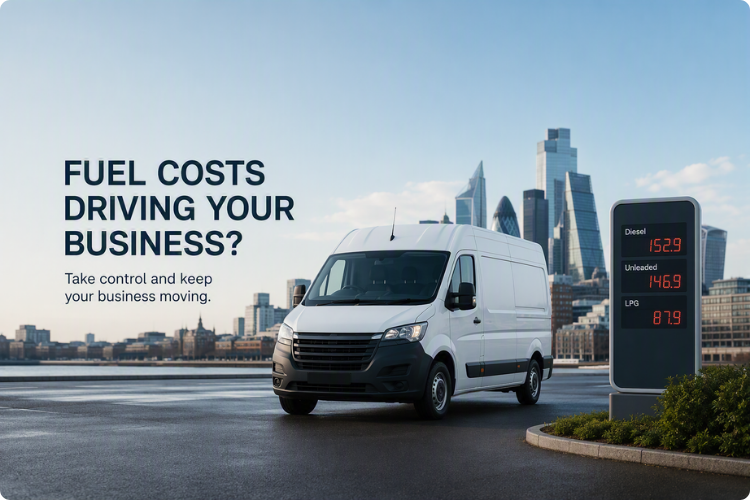
According to the latest fuel-price data, diesel averaged 167.6p per litre in July 2026, leaving pump prices significantly higher than they were a year earlier.
Although annual pump price inflation slowed during July, the comparison with 2025 shows that diesel remains substantially more expensive.
For a business operating several vans, even relatively small changes in the cost of fuel can quickly add up.
A van covering high annual mileage will naturally use considerably more fuel than one used for occasional journeys. Businesses covering long distances every day can therefore be particularly exposed to changes in pump prices.
For businesses operating high-mileage fleets, higher fuel costs can put additional pressure on operating margins and may ultimately feed into delivery costs or customer pricing.

What Does Higher Inflation Mean For Van-Running Businesses?
Inflation can affect commercial vehicle operators in several different ways.
Fuel is an obvious example, but it is far from the only consideration.
Depending on the business, inflationary pressure can also affect other areas of vehicle and fleet operation, including:
- Vehicle maintenance costs
- Insurance premiums
- Tyres and consumables
- Parts and repairs
- Driver wages
- Energy costs
- Business premises
- General operating expenses
When several of these costs increase at the same time, maintaining a fleet can become considerably more expensive.
For smaller businesses and sole traders, the impact can be particularly noticeable because there may be less scope to absorb additional costs.
This makes it increasingly important for businesses to understand the total cost of operating a vehicle, rather than focusing solely on the monthly finance payment or purchase price.
Could An Electric Van Help Reduce Running Costs?
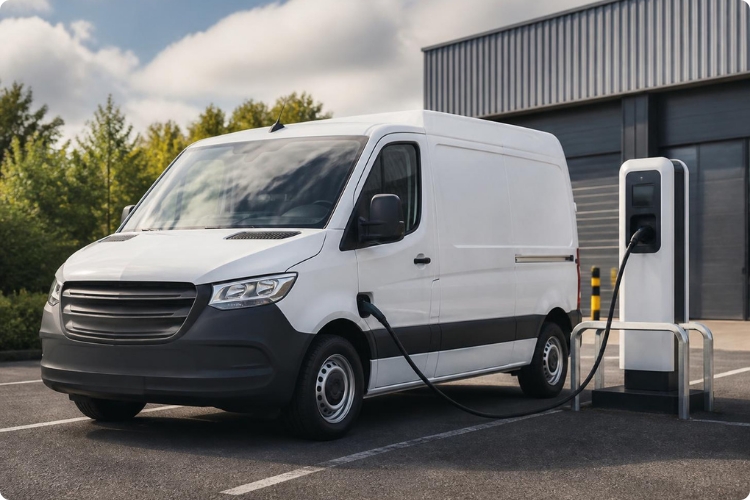
The continued cost of diesel is one reason some businesses are considering whether electric van leasing could make financial sense
Electric vans do not eliminate every running cost, and they are not suitable for every business. However, depending on mileage, charging arrangements and how a vehicle is used, electricity can potentially cost less per mile than conventional fuel.
Electric vans have fewer moving drivetrain components than conventional diesel vehicles, which can reduce some servicing requirements.
For businesses operating predictable daily routes, particularly those returning to a depot or workplace where charging is available, an electric van could therefore be worth considering.
The financial case will depend on the individual business.
Mileage, charging tariffs, vehicle choice, payload requirements, journey lengths and access to charging infrastructure all need to be considered before deciding whether switching from diesel to electric is appropriate.
Could Van Leasing Help Businesses Manage Rising Costs?
For some businesses, an agreed monthly vehicle payment can make vehicle budgeting easier, although other costs such as insurance, fuel or electricity, maintenance and taxation may still apply depending on the agreement.
Buying a new van outright requires a significant upfront investment, while van leasing and other forms of van finance allow businesses to spread the cost over an agreed period.
For some businesses, having a predictable monthly vehicle payment can make budgeting easier, particularly when other operating expenses are less predictable.
However, there is no single finance option that is right for every business. Our guide to Contract Hire vs Finance Lease explains the key differences between the two options and what businesses should consider when choosing between them.
Contract Hire, Finance Lease and other forms of vehicle finance have different structures, costs and ownership implications. Businesses should consider how long they intend to keep the vehicle, expected mileage, available budget and what they want to happen at the end of the agreement.
Other Costs Van Businesses Need To Consider
Businesses also need to consider changes to other vehicle-related costs and tax rules when assessing the cost of running a van.
From April 2026, HMRC’s approved mileage allowance payment rate for cars and vans increased to 55p per mile for the first 10,000 business miles, with the rate above 10,000 miles remaining at 25p per mile.
For company vans, the van benefit charge for the 2026/27 tax year also increased to £4,170, while the van fuel benefit charge rose to £798.
These costs are separate from inflation, but they form part of the wider financial picture for businesses providing or operating commercial vehicles.
What Should Businesses Do About Rising Vehicle Costs?
The latest inflation figures are another reminder that running a commercial vehicle involves much more than the initial cost of acquiring it.
Businesses should consider the full cost of operating their vans, including fuel, servicing, insurance, tyres, taxation and finance.
For high-mileage operators, fuel efficiency can make a significant difference over the lifetime of a vehicle. It may also be worth comparing conventional diesel vans with electric alternatives to determine whether an EV could work financially and operationally.
When replacing a vehicle, businesses should also look beyond the headline monthly payment and consider the overall cost of the agreement.
 Call our expert team on