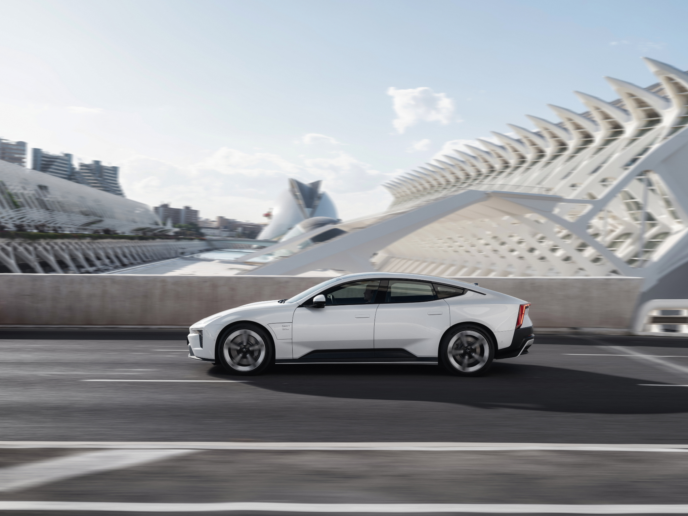
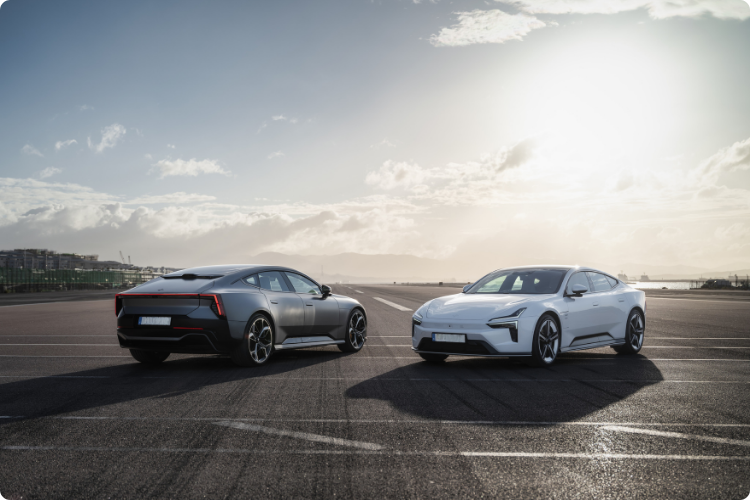
The Polestar 5 marks an ambitious move into the premium electric grand touring market for the Swedish manufacturer. Combining high-performance electric powertrains, a substantial battery and distinctive Scandinavian styling, the new flagship is designed to challenge established names in the executive car segment.
Positioned above the existing Polestar range, the five-door electric GT is aimed at buyers who want the refinement and comfort of a luxury executive car without compromising on performance. It enters a competitive market alongside the Porsche Taycan, Audi e-tron GT and Mercedes-AMG’s electric performance models.
With prices starting at £89,500, the Polestar 5 is firmly positioned in the luxury car market. However, its impressive performance figures, advanced 800V electrical architecture and claimed driving range suggest it has plenty to offer businesses considering a high-specification electric company car.
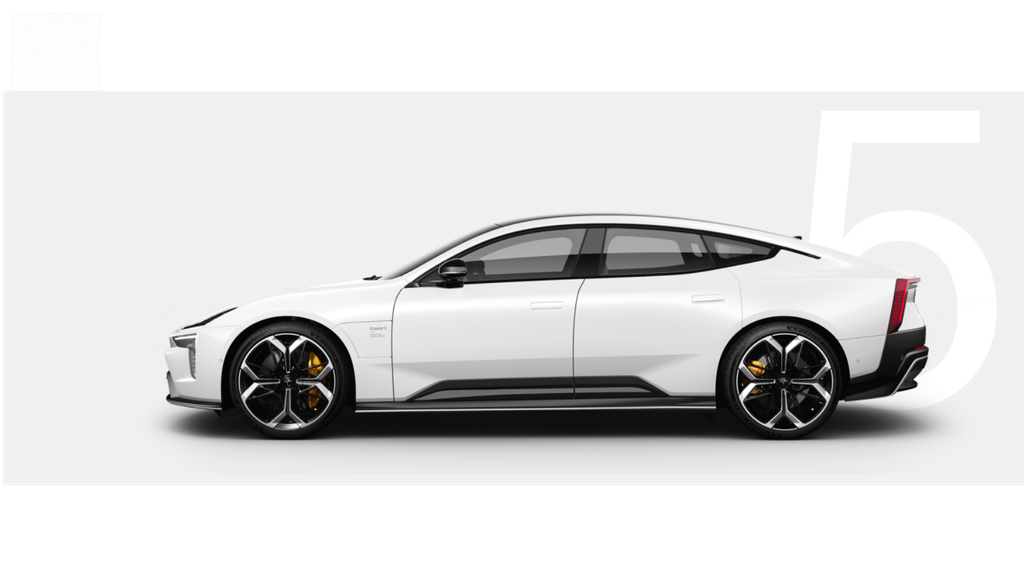
Polestar 5: Power, Performance And Driving Range
Two versions of the Polestar 5 are available: Dual Motor and Performance. Both use a 112kWh battery and 800V electrical architecture, but there are notable differences in power output, acceleration and overall driving range.
The Polestar 5 Dual Motor produces 748hp and 812Nm of torque, delivering acceleration from 0–62mph in 3.9 seconds. Despite its considerable performance credentials, it also offers the longest claimed driving range in the line-up, with a WLTP figure of up to 416 miles.
For drivers who prioritise outright performance, the Polestar 5 Performance increases power to 884hp and torque to 1,015Nm. This reduces the 0–62mph acceleration time to just 3.2 seconds. However, the additional performance comes with a reduction in maximum claimed range to 351 miles.
Both models support DC rapid charging at up to 350kW. Under suitable conditions, charging from 10% to 80% can take approximately 22 minutes, making the car better suited to longer journeys where charging stops need to be kept relatively short. Understanding charging speeds and the different charging options available is important when assessing an electric vehicle for business use. Our guide to how EV charging works for businesses explains the charging options available to businesses and what to consider when introducing electric vehicles.
The headline WLTP figures provide an indication of the Polestar 5’s long-distance potential, although real-world range will depend on factors such as speed, temperature, driving conditions and driving style. More enthusiastic driving during testing demonstrated how quickly consumption can increase, particularly when making use of the available performance. Charging habits are another consideration for electric vehicle owners. Our guide on whether you should charge an electric vehicle to 100% explains the differences between everyday charging and charging fully when longer journeys require additional range.
For business drivers regularly travelling between meetings or covering substantial motorway mileage, the Dual Motor’s additional range could prove more useful than the Performance model’s extra power.
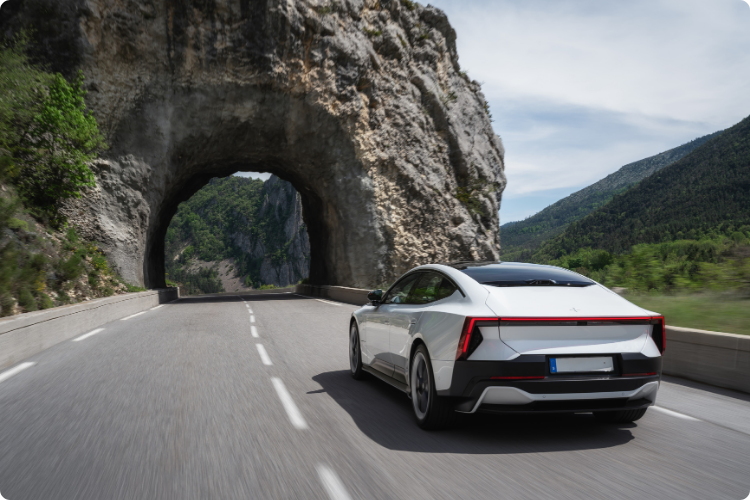
Driving Experience: Comfort Meets Serious Performance
The Polestar 5 has the performance figures to compete with some of the quickest electric cars on the market, but its appeal is not limited to straight-line acceleration.
An important part of its character is the balance between performance and long-distance comfort. The car’s advanced suspension technology is designed to manage its considerable weight and power, helping maintain composure over different road surfaces.
The Performance version features an active damping system and 21-inch Performance wheels, compared with the 20-inch Aero wheels fitted to the Dual Motor. Interestingly, the more powerful model also delivered a noticeably more comfortable ride during testing.
This gives the Performance version an advantage beyond its improved acceleration, although it is worth considering whether the additional expense is justified for drivers who are unlikely to regularly exploit its full capabilities.
The Polestar 5 feels particularly well suited to longer journeys, where a combination of refinement, stability and effortless acceleration is more important than outright speed alone.
For executive drivers spending considerable time behind the wheel, these characteristics could make it an attractive alternative to more traditional luxury performance cars.
However, the standard Dual Motor should not be overlooked. With 748hp available, it offers more than enough performance for everyday driving, alongside a longer claimed range and a lower starting price.
Interior, Technology And Everyday Practicality
Inside, the Polestar 5 continues the manufacturer’s minimalist design approach. The dashboard is uncluttered, with a contemporary layout that places considerable emphasis on digital technology and touchscreen controls.
The overall presentation is modern and understated, although it may not deliver the sense of traditional luxury that some buyers expect from a car costing close to six figures.
Drivers accustomed to the interiors of established German premium manufacturers may find the Polestar’s approach relatively simple. The infotainment system also requires some familiarisation, with certain functions accessed through touchscreen menus rather than conventional physical controls.
Storage is another area where the Polestar 5 makes some compromises. One unusual omission is a conventional glovebox, while the available storage beneath the front armrest offers limited compensation.
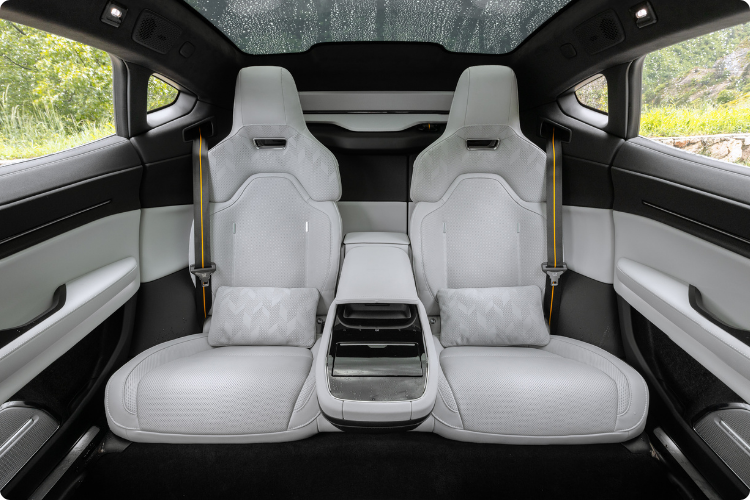
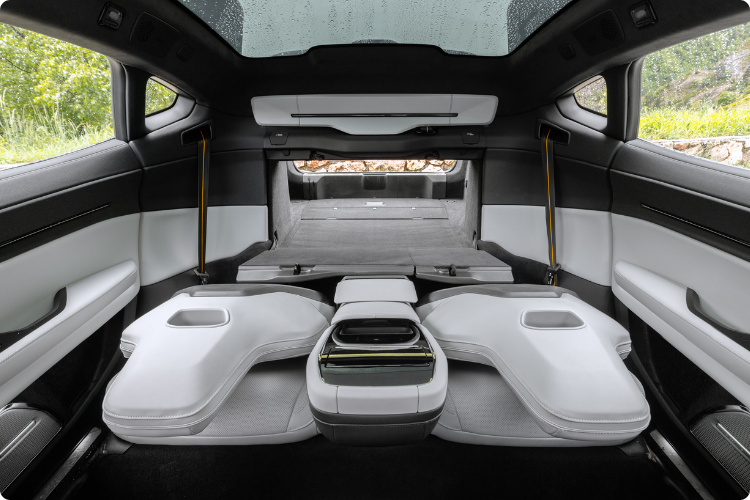
Boot capacity is also less impressive than the car’s substantial exterior dimensions might suggest. For an executive grand tourer intended to accommodate passengers and luggage over longer journeys, this is an area where the Polestar could have made better use of its available space.
These limitations will not necessarily be deal-breakers, particularly for drivers who prioritise design and performance. However, businesses assessing the vehicle for regular executive use should consider whether its storage and luggage arrangements meet their requirements.
Is The Polestar 5 Suitable As An Electric Company Car?
The Polestar 5 is an interesting addition to the premium electric company car market, particularly for businesses looking to offer senior employees something beyond the more familiar executive models.
Its combination of distinctive styling, substantial performance and long-distance electric capability makes it a potential option for directors and senior management teams. Businesses comparing the wider Polestar range can also consider the Polestar 2 Electric 299hp 82kWh Long Range Single Motor Prime and the Polestar 4 Electric 400kW 100kWh Long Range Dual Motor Prime. These provide alternatives at different points in the range, allowing businesses to compare vehicle size, performance and leasing requirements.
The Dual Motor is likely to be the more practical fleet proposition. Its 416-mile claimed WLTP range provides greater flexibility between charging stops, while its 748hp output already places it firmly in high-performance territory. Businesses considering this premium electric model can view the Polestar 5 Grand Tourer Special Edition Launch Edition on CVC, where they can find further vehicle details and leasing information.
The Performance version will appeal to drivers who want the additional acceleration and enhanced suspension technology. However, its higher purchase price and reduced range make it a more specialised choice. Businesses planning to introduce electric vehicles may also need to consider the cost of installing workplace charging facilities. Our guide to EV charger grants for businesses and fleets covers the available support for installing charging infrastructure.
Businesses should also consider the financial implications of adding a vehicle at this price point to their company car policy. The P11D value, applicable benefit-in-kind rate, employee tax liability and overall leasing costs will all influence whether the Polestar 5 represents an appropriate choice. Businesses considering a leased company car should also understand the VAT implications. Our guide to reclaiming VAT on a car or van lease explains the circumstances in which VAT can be reclaimed on business vehicle leasing agreements.
Businesses considering the transition to electric company cars can also read our guide to electric vehicle leasing in the UK for further information.
It is also worth considering how company car tax affects the overall cost of providing a premium electric vehicle to employees. Our guide to company car tax statistics provides further information on the tax implications of company cars. Businesses can also use our company car tax calculator to estimate the potential tax liability associated with providing an electric company car.
Polestar 5: Key Specifications And Prices
The following table highlights the main differences between the two Polestar 5 versions.
| Specification | Dual Motor | Performance |
|---|---|---|
| Power | 748hp | 884hp |
| Torque | 812Nm | 1,015Nm |
| 0–62mph | 3.9 seconds | 3.2 seconds |
| Battery capacity | 112kWh | 112kWh |
| Maximum WLTP range | 416 miles | 351 miles |
| Maximum DC charging | 350kW | 350kW |
| Approx. 10–80% charging | 22 minutes | 22 minutes |
| Starting price | £89,500 | £104,900 |
Prices and technical specifications are based on the supplied model information. Charging times are dependent on battery temperature, charger capability and other conditions. Actual driving range will vary.
How Does The Polestar 5 Compare With Its Rivals?
The premium electric grand touring market is becoming increasingly competitive, with established manufacturers targeting buyers who want luxury, performance and the advantages of electric power.
Some of the Polestar 5’s principal competitors include:
Porsche Taycan
The Taycan has established itself as a major contender in the high-performance electric car market. It combines strong acceleration with sophisticated handling and the appeal of the Porsche badge. It is an obvious alternative for drivers who place considerable importance on sporting characteristics.
Audi e-tron GT
Audi’s e-tron GT combines striking styling with quattro all-wheel drive technology and a premium interior. Its blend of performance and executive comfort makes it another natural competitor for the Polestar 5. Businesses considering other premium electric SUVs can also compare the Audi Q4 e-tron 63kWh 204PS S line Auto available through CVC.
Mercedes-AMG GT 4-Door Coupé
Mercedes-AMG has also entered the high-performance electric market with its new all-electric GT 4-Door Coupé. Featuring an 800V electrical architecture and a three-motor powertrain, it provides another high-performance alternative for buyers considering a premium electric executive car.
The Polestar 5 takes a different approach, placing considerable emphasis on Scandinavian design, minimalist interior styling and advanced electric architecture. For buyers who want something less conventional than the established German alternatives, that distinction could be an important part of its appeal.
 Call our expert team on