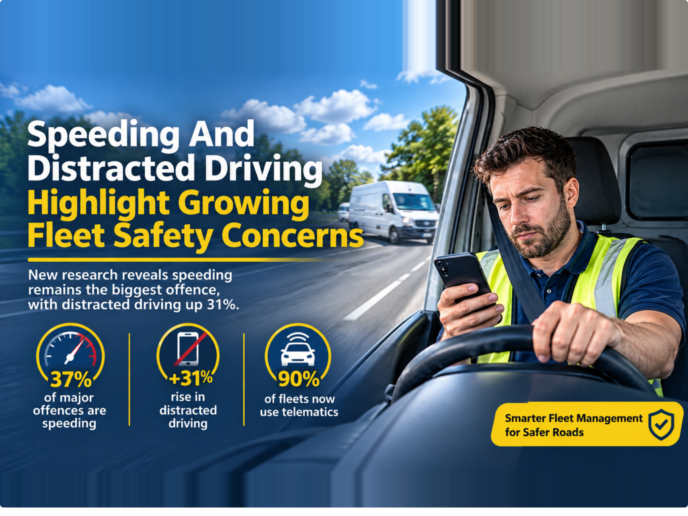
Commercial fleet operators are facing continued pressure to improve driver safety, with speeding remaining the most common major driving offence and distracted driving incidents increasing significantly, according to new industry research.
The findings highlight the importance of effective driver monitoring, regular training and a more proactive approach to managing occupational road risk. They also suggest that although many businesses have invested in vehicle telematics, opportunities remain to make better use of the information these systems provide.
Research published in SambaSafety’s 2026 UK Driver Risk Report identifies several areas of concern for fleet managers, including speeding, driver distraction and the gap between collecting driver behaviour data and using it to improve road safety.
Speeding Remains The Biggest Driver Offence
Speeding accounts for 37% of major driver offences recorded in the report, making it the largest single category of driving violation.
However, the research also highlights considerable differences between industries. Construction fleets recorded median severe speeding rates more than five times higher than those seen in transportation fleets.
The figures suggest that businesses operating commercial vehicles across different sectors may face very different driver safety challenges. Vehicle types, working environments, journey requirements and operational pressures can all influence driver behaviour.
For employers, addressing speeding requires more than simply setting driving policies. Monitoring driver behaviour, communicating expectations and providing appropriate training can all contribute to reducing risk.
Businesses should also ensure employees understand the different UK speed limit rules for vans, as commercial vehicles can be subject to different restrictions from cars depending on their classification and the roads being used.
Drivers who exceed speed limits may face penalty points, fines or further consequences depending on the circumstances. Our guide to speed awareness courses versus penalty points explains some of the potential implications for motorists.

Distracted Driving Offences Increase By 31%
While speeding remains the leading concern, distracted driving is emerging as another significant issue for commercial fleet operators.
The report found that distracted-driving offences increased by 31% over a two-year period. More than 40% of recorded fleet distracted-driving events took place between 6am and midday.
This highlights the importance of considering when incidents occur, as well as how frequently they happen. Early morning journeys, demanding working patterns and operational pressures may all present challenges for businesses managing drivers on the road.
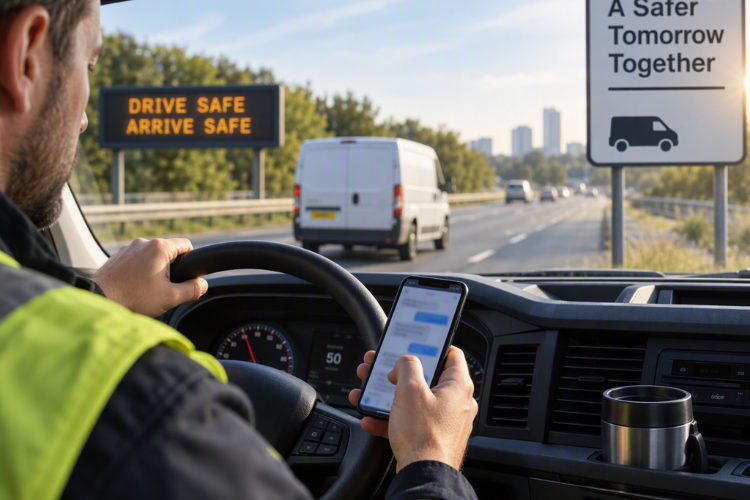
Distractions can take many forms, including mobile phone use, interacting with vehicle technology and taking attention away from the road. Even brief lapses in concentration can have serious consequences, particularly when driving larger commercial vehicles.
The risks associated with mobile phone use are particularly important for employers. Our article on higher fines for using a mobile phone while driving explores the consequences of illegal phone use and the importance of keeping attention on the road.
Businesses should establish clear rules covering mobile phones, in-vehicle technology and other potential distractions. These expectations should be communicated to employees and reinforced through regular driver training.
Telematics Investment Is Not Always Translating Into Better Driver Safety
Vehicle telematics has become an increasingly important part of fleet management, giving businesses access to information about vehicle use, driver behaviour and journey patterns.
According to the research, almost 90% of surveyed fleets now use telematics. However, only 26% use the information collected to allocate driver training.
The findings suggest that some businesses could be missing an opportunity to turn valuable vehicle data into practical improvements.
Among fleets that combine telematics information with driver training:
- 78% reported fewer accidents or insurance claims.
- 89% reported improvements in driver safety.
This demonstrates the potential benefits of using technology as part of a wider approach to fleet risk management, rather than simply collecting information for monitoring purposes.
Telematics can help identify recurring behaviours such as harsh braking, excessive acceleration and speeding. When these patterns are recognised, fleet managers can provide targeted guidance to individual drivers and address potential problems before they contribute to more serious incidents.
Artificial intelligence is also creating further opportunities for businesses to analyse vehicle and driver information. Our guide to AI fleet management and its potential business benefits explores how emerging technology can support better operational decisions, improve visibility and identify opportunities to manage costs.
Businesses can also benefit from introducing a structured Fleet Risk Assessment, helping identify potential hazards and establish appropriate measures to protect employees and other road users.
Regular fleet audits can provide an additional opportunity to review vehicle usage, driver responsibilities, maintenance arrangements and existing safety procedures.
Driver Safety Data Could Play A Bigger Role In Insurance Renewals
The research also highlights a potential disconnect between fleet operators, insurance brokers and insurers when it comes to sharing vehicle telematics information.
Around 35% of surveyed fleets said they share telematics data with their insurer or broker.
Among businesses that do not share this information, 64% said they had never been asked to provide it, while 31% felt there was insufficient value or benefit in doing so.
This could represent a missed opportunity for businesses that have invested in driver monitoring technology.
Being able to demonstrate consistent improvements in driver behaviour, effective risk management and ongoing safety training may help fleet operators present a stronger picture of their risk profile when discussing insurance arrangements.
However, sharing telematics information does not guarantee lower premiums. Insurance pricing continues to depend on a range of factors, including claims history, vehicle types, operating activities and the overall risk presented by a fleet.
Kristy Kennah, head of insurance at SambaSafety, highlighted the importance of turning collected information into meaningful action, explaining that organisations using driver behaviour insights to support proactive training are reporting stronger safety outcomes.
For businesses operating leased vans, understanding their insurance responsibilities is equally important. Our guide to insuring a leased van explains the considerations involved in arranging appropriate cover.
Work-Related Driving Continues To Present A Serious Safety Risk
The importance of improving commercial driver safety is reinforced by wider UK road casualty statistics.
Department for Transport figures show that 445 people were killed in road collisions involving someone driving for work in 2025. This represented approximately 29% of all road fatalities during the period.
The figures underline the risks associated with occupational driving and the responsibility businesses have to manage employees who regularly use the road as part of their work.
For companies operating vans, pickups and company cars, driver safety should be treated as an ongoing operational responsibility.
A comprehensive approach can include:
- Regular driver licence checks and assessments.
- Clear policies covering speeding, mobile phone use and distracted driving.
- Driver training and refresher courses.
- Monitoring vehicle and driver behaviour through telematics.
- Regular vehicle maintenance and safety inspections.
- Reviewing incidents, near misses and insurance claims.
Employers should also ensure they understand their responsibilities when employees use company vehicles. Having a documented company vehicle policy can help establish clear expectations around vehicle use, driver conduct, reporting procedures and safety requirements.
Regular company vehicle licence checks are another important part of managing fleet risk, helping businesses establish whether employees remain legally entitled to drive their allocated vehicles.
If an accident does occur, having a clear reporting and response process is essential. Our guide to company vehicle accident procedures explains the steps businesses should consider when dealing with incidents involving their vehicles.
Employers should also consider how working schedules, journey distances and delivery expectations affect drivers. Unrealistic deadlines and excessive working pressures can contribute to unsafe behaviour, making operational planning an important part of managing road risk.
Driver wellbeing should not be overlooked either. Our article on driver mental health and fleet support explores why supporting employees is an important consideration for businesses with work-related driving responsibilities.
Rising Repair Costs Continue To Challenge Fleet Operators
Alongside driver safety concerns, the report highlights the financial pressures facing the UK motor insurance market.
Although insurance conditions have become more favourable for some well-managed risks, claims inflation continues to create challenges for businesses and insurers.
During the first quarter of 2026, UK motor insurers paid out £2.9 billion in claims, with £1.9 billion allocated to vehicle repairs.
Repair costs can have a considerable impact on fleet operating budgets, particularly where businesses operate multiple vehicles and rely on them to maintain day-to-day operations.
Accidents can also create additional expenses through vehicle downtime, replacement transport, missed appointments and disruption to customer services.
Reducing preventable incidents is therefore important not only for protecting drivers and other road users, but also for controlling the wider costs associated with running a commercial fleet.
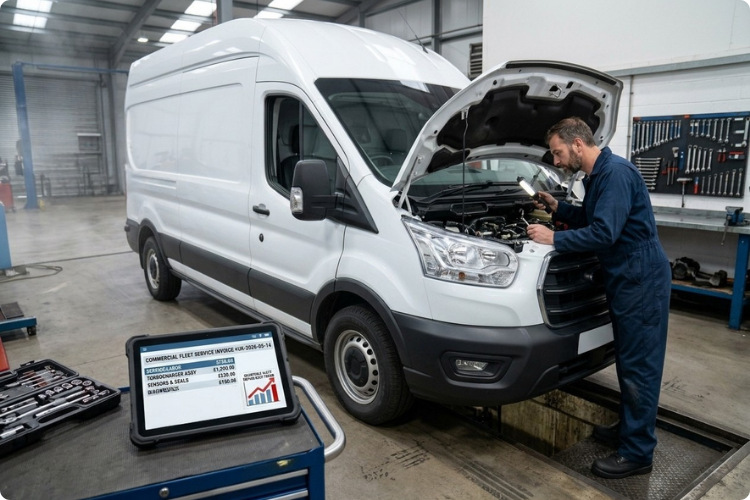
Preventative maintenance also has an important role to play. Regular inspections and servicing can help identify potential mechanical problems before they become more serious, reducing the likelihood of avoidable breakdowns and vehicle downtime.
Our guide to fleet maintenance planning explores how businesses can organise servicing schedules and maintain vehicle reliability. We also explain the importance of vehicle maintenance for leased vehicles and the differences between maintenance and warranty cover.
For businesses looking to understand the wider financial impact of operating company vehicles, our Total Cost of Ownership guide examines the various expenses that contribute to the overall cost of running a fleet.
Making Better Use Of Fleet Management Technology
The findings from SambaSafety’s report suggest that investing in technology is only part of the solution. Businesses also need to consider how information is used to influence driver behaviour and improve operational performance.
Telematics, driver training and regular risk assessments can work together to provide fleet managers with a clearer understanding of potential problems.
For businesses looking to improve their approach, effective fleet management solutions can help bring vehicle administration, driver oversight and operational requirements together.
Having access to accurate vehicle information can also make it easier to monitor fleet requirements, review vehicle costs and manage contracts throughout their duration. CVC’s Vehicle Lease Management Portal provides an additional resource for businesses looking to manage their leased vehicles.
A more joined-up approach to fleet management can also help organisations review their vehicle requirements, plan replacement cycles and make informed decisions about future leasing arrangements. Our fleet lifecycle management guide explains how businesses can manage vehicles throughout their operational life.
SambaSafety’s 2026 UK Driver Risk Report draws on more than 500 million miles of proprietary telematics data, covering over 135 million driver behaviour events. It also incorporates survey responses from 740 fleet, broker and insurance professionals, alongside third-party research into road safety and commercial motor insurance.
The report is available through SambaSafety’s website.

 Call our expert team on