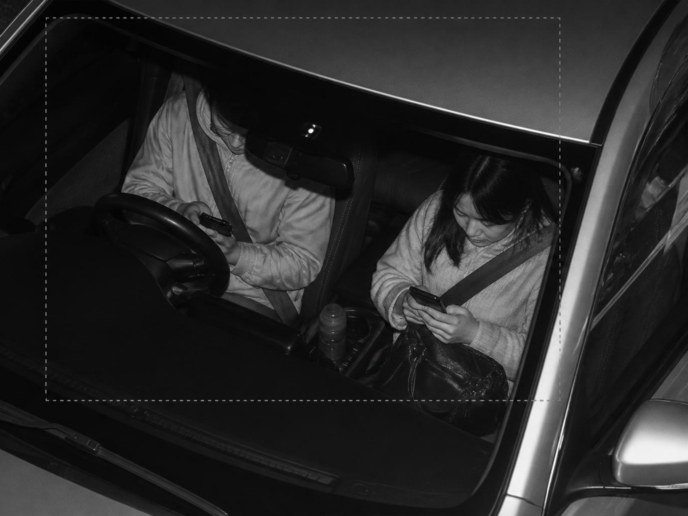
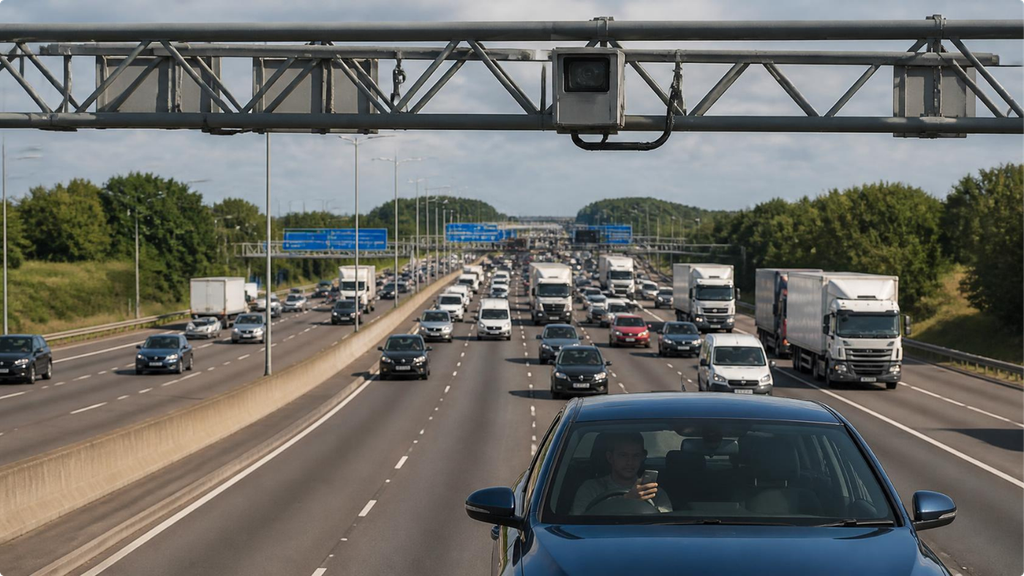
Almost 19,000 potential seatbelt and mobile phone offences were identified during a two-week trial of artificial intelligence (AI) road safety cameras in Birmingham and Wolverhampton. The findings highlight the scale of dangerous driving behaviour that continues to put motorists, passengers and other road users at risk.
The trial took place in March 2026, with cameras using AI technology to scan passing vehicles for drivers using handheld mobile phones and occupants travelling without seatbelts. The results are being assessed to help determine how the technology could support future police enforcement.
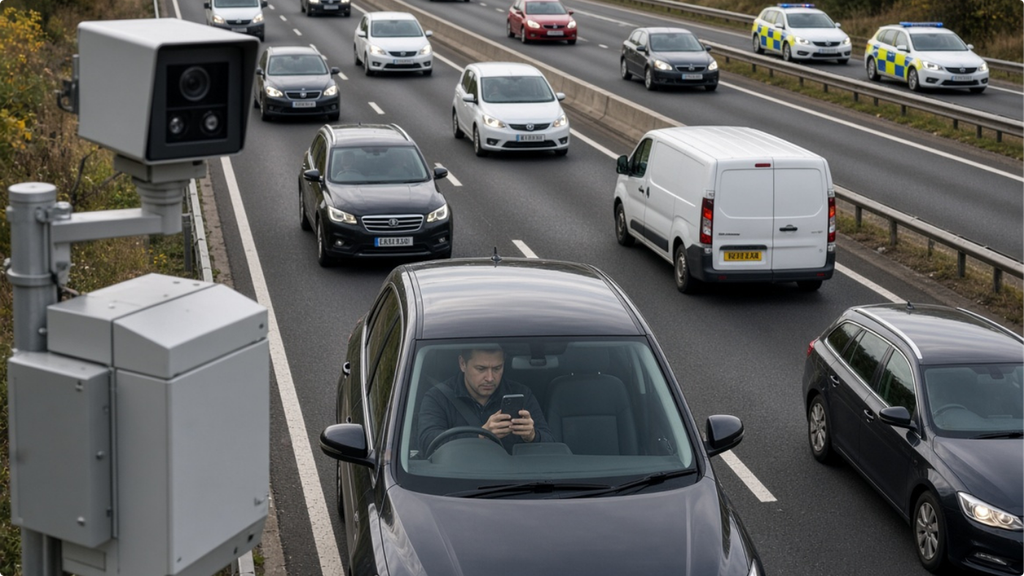
Thousands of Potential Offences Identified
The two cameras flagged thousands of suspected offences during the trial.
In Birmingham, the technology identified 11,144 potential seatbelt offences and 1,163 possible mobile phone offences. The camera in Wolverhampton recorded a further 6,081 potential seatbelt offences and 757 suspected mobile phone offences.
Combined, the figures amount to 17,225 potential seatbelt offences and 1,920 possible mobile phone offences.
The images also revealed examples of particularly dangerous behaviour. These included a front-seat passenger holding a young child on their lap without a seatbelt, as well as a driver holding a mobile phone with both hands while looking at the screen instead of the road.
The technology was developed and supplied by AECOM/Acusensus. Human operators checked a sample of 8,024 images to help assess the accuracy of the system’s detections.
However, the suspected offences did not result in enforcement action during this trial. The cameras were being used to gather evidence about the scale of the problem and help authorities decide whether the technology should be deployed more widely.
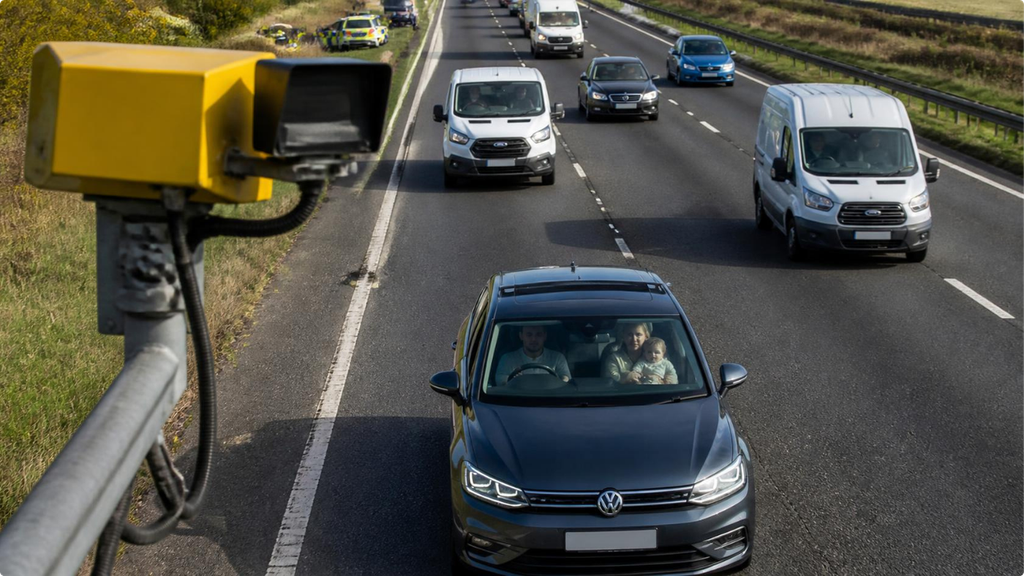
Police and Authorities Assess Future Camera Deployment
The West Midlands Combined Authority funded the project in collaboration with local police and fire services.
West Midlands Mayor Richard Parker described the findings as shocking, particularly the number of people putting children and other passengers at risk. He also highlighted the lasting impact that serious road collisions can have on families.
West Midlands Police and Crime Commissioner Simon Foster said the initial results were concerning, adding that the authorities would evaluate the findings to consider how the technology could be used in future enforcement.
AI cameras can analyse images of passing vehicles to identify potential offences involving handheld mobile phones and seatbelts. Suspected violations can then be reviewed by human operators, providing an additional way for road safety teams to identify dangerous behaviour. The growing use of cameras and data in motoring also raises wider questions about vehicle technology and access to information, as explored in our article on modern cars, vans, cameras and the right to repair.
Sussex Trial Also Highlights Driver Safety Concerns
The West Midlands project follows other trials of AI-powered road safety cameras elsewhere in the UK. In Scotland, similar technology has been trialled to detect mobile phone use and seatbelt offences, highlighting growing interest in automated systems to help identify dangerous driving.
Earlier in 2026, Sussex Police’s Road Safety Team used the technology to monitor seatbelt compliance and handheld mobile phone use.
During the first seven days of that trial, the cameras recorded 620 potential seatbelt offences, 110 possible mobile phone offences and 17 cases involving both. A further incident was identified involving a driver apparently failing to maintain proper control of their vehicle, with neither hand on the steering wheel.
The findings demonstrate how automated image detection could help road safety teams identify behaviour that might otherwise be difficult to monitor consistently.
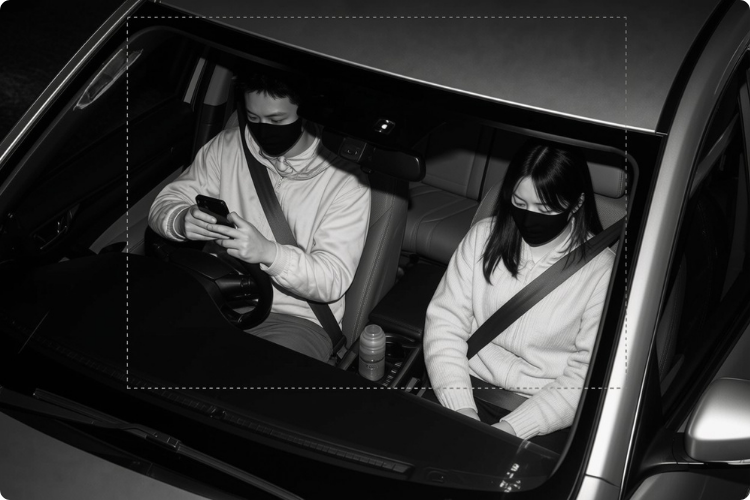
What the Findings Mean for Business Drivers and Fleet Operators
For businesses operating cars, vans and larger fleets, the findings reinforce the importance of clear driver safety policies and ensuring employees understand their responsibilities behind the wheel. Driver behaviour is also a wider fleet safety concern, as explored in our article on the risks of drug driving for fleet drivers.
Using a handheld mobile phone while driving is illegal in the UK in most circumstances, including when a vehicle is stationary in traffic. Drivers caught committing the offence can receive six penalty points and a £200 fixed penalty, with more serious cases potentially resulting in court proceedings and higher fines. Drivers concerned about the consequences of motoring offences can also read our guide to speed awareness courses versus penalty points.
Failing to wear a seatbelt where required also carries legal consequences. Employers should ensure their drivers understand the rules and follow safe driving practices throughout every journey. Businesses can reinforce these expectations by making sure employees understand their responsibilities when driving a leased vehicle.
Fleet managers can support safer driving by providing regular training, establishing clear expectations around mobile phone use and reviewing driving policies with employees. Effective fleet management can help businesses coordinate their vehicle operations, maintain consistent standards and support safer working practices across their fleets. Driver briefings can also reinforce the importance of ensuring that passengers, particularly children, use appropriate restraints.
For businesses that depend on their vehicles every day, preventing avoidable incidents can help protect employees and the public while reducing disruption, vehicle downtime and associated costs.
 Call our expert team on