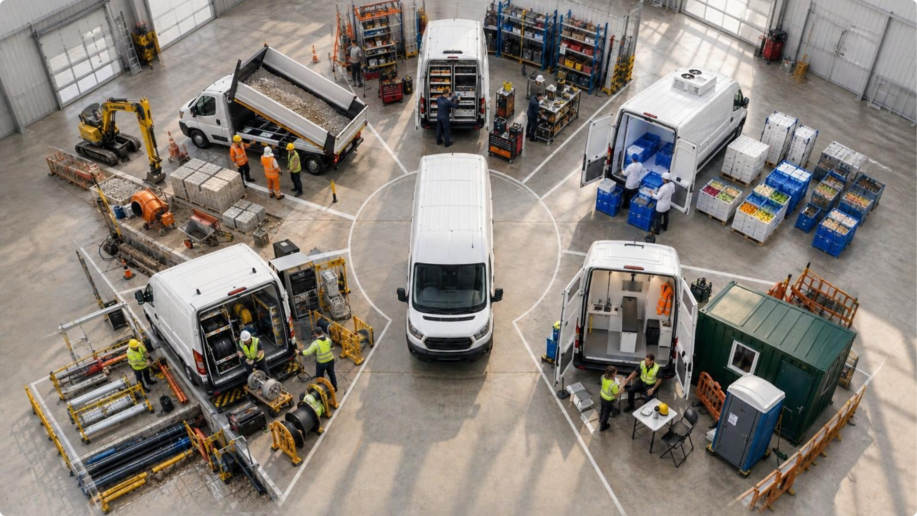
A standard panel van is not always the right solution for a business. Depending on the work you carry out, you may need additional storage, specialist equipment, temperature-controlled space, a mobile welfare facility or a vehicle built around a particular operational requirement.
Conversion van leasing gives businesses a way to put a vehicle to work that is designed around those requirements, without necessarily having to purchase the van and fund the entire conversion themselves. If you’re looking for a standard commercial vehicle rather than a specialist conversion, you can also explore our wider range of van leasing options.
At Commercial Vehicle Contracts, we can help businesses look at the base vehicle, conversion requirements and leasing solution together. Whether you need a practical dropside, a tipper, a welfare van, a refrigerated vehicle or a more bespoke specialist conversion, the right specification starts with understanding how the van will actually be used.
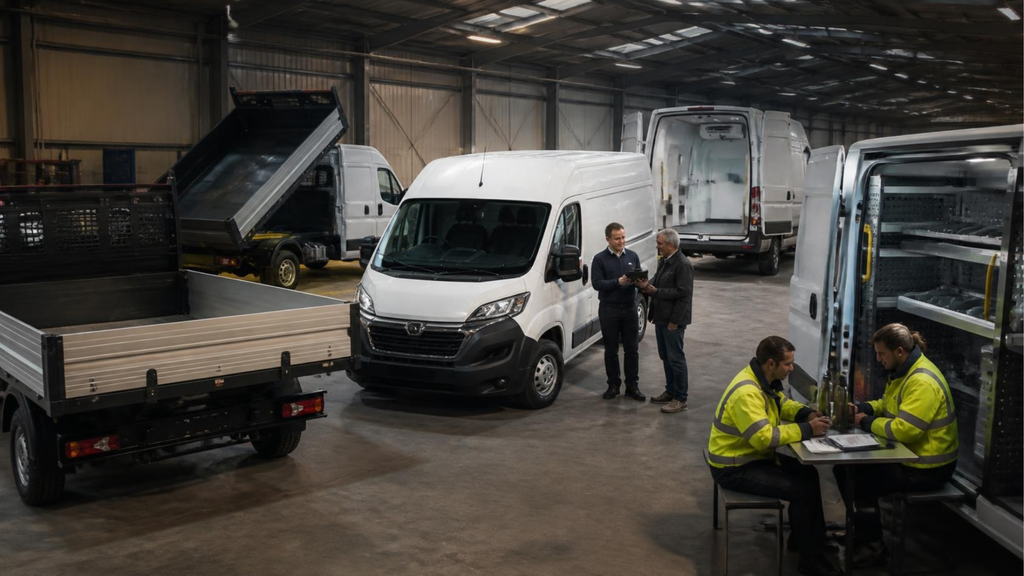
What Is A Conversion Van Lease?
A conversion van is a commercial vehicle that has been modified or equipped for a particular purpose. You can read more about the different options in our commercial vehicle conversions guide.
While a conventional panel van provides a blank load area, a converted vehicle can be adapted to carry equipment, materials or people in a way that is more suitable for your business.
Examples include:
- Dropside and tipper conversions for construction, landscaping and building work.
- Welfare and mess vans for providing employees with facilities on site.
- Refrigerated vans for transporting temperature-sensitive goods.
- Racking and storage conversions for engineers, electricians, plumbers and maintenance teams.
- Specialist conversions for utilities, emergency services and other operational requirements.
- Bespoke commercial conversions designed around specific equipment or working practices.
With commercial van conversion leasing, the conversion forms part of the overall vehicle solution rather than simply choosing a standard van from a manufacturer showroom.
This can be particularly useful for businesses that need a vehicle to perform a specific role every day. Instead of adapting your operation around a standard van, the vehicle can be specified around what your business actually needs.
A custom van conversion lease can therefore provide a more practical alternative to purchasing a van outright and arranging a separate conversion yourself.
Types Of Conversion Vans Available
There is no single type of conversion van. The right solution depends on the work the vehicle needs to perform, the equipment it needs to carry and the environment in which it will operate.
| Conversion | Typical Business Applications | Key Considerations |
|---|---|---|
| Dropside | Construction, landscaping, building | Easy loading and access |
| Tipper | Groundworks, construction, landscaping | Loose materials and unloading |
| Welfare | Construction, utilities, site work | Staff welfare and facilities |
| Refrigerated | Food, catering, pharmaceutical | Temperature control |
| Racking | Engineering, maintenance, trades | Tools and equipment storage |
| Specialist | Utilities, emergency services, technical operations | Bespoke equipment and requirements |
Dropside And Tipper Conversions
Dropside and tipper vehicles are commonly used by businesses that regularly transport bulky, heavy or loose materials.
A dropside van provides easier access to the load area than a conventional enclosed van, while a tipper can make unloading materials considerably more straightforward.
They can be particularly useful for:
- Construction companies.
- Landscapers.
- Builders and contractors.
- Groundworks businesses.
- Local authorities and maintenance teams.
Payload is an important consideration when specifying these vehicles, particularly because the conversion itself adds weight. The base vehicle and final specification therefore need to be considered together to ensure the finished vehicle is appropriate for the intended workload.
Welfare And Mess Vans
A welfare van can provide a practical mobile facility for employees working away from a permanent site.
Depending on the specification, a welfare conversion may include seating, heating, lighting, cooking facilities, storage and other equipment needed to provide a suitable working environment.
They can be particularly useful for construction, utilities, highways and other businesses where employees regularly work at temporary or remote locations.
Refrigerated Vans
Businesses transporting food, catering products or other temperature-sensitive goods may require a refrigerated conversion rather than a standard load space.
The specification can vary depending on the goods being transported and the temperatures that need to be maintained.
For businesses operating refrigerated vehicles, payload, insulation, refrigeration equipment and the expected daily mileage all need to be considered when choosing the base vehicle and conversion.
Racking And Storage Solutions
Not every conversion needs to involve major structural changes to the vehicle.
A professional racking and storage system can transform the load area of a panel van, creating dedicated locations for tools, components and equipment.
This can be particularly valuable for:
- Electricians
- Plumbers
- Heating engineers
- Telecoms engineers
- Maintenance companies
- Facilities management businesses
- Mobile repair services
A well-planned racking system can also help keep equipment secure and organised, reducing the time employees spend looking for tools or materials.
Custom And Specialist Conversions
Some businesses require something that cannot be achieved with a standard conversion.
A specialist van conversion can be designed around particular equipment, working practices or industry requirements. This could involve additional storage, specialist electrical equipment, seating, workbenches or other bespoke features. Depending on the application, specialist equipment can also include features such as tail lifts, external carrying systems or additional vehicle storage.
Tail lifts can make loading and unloading heavier goods considerably easier, particularly where items need to be moved between ground level and the vehicle load area. Businesses specifying a tail lift should also consider the relevant lifting equipment and workplace safety requirements, including LOLER and PUWER compliance, to ensure the equipment is properly maintained, inspected and used safely.
The important point is to establish exactly what the vehicle needs to do before choosing the base van or final conversion specification.
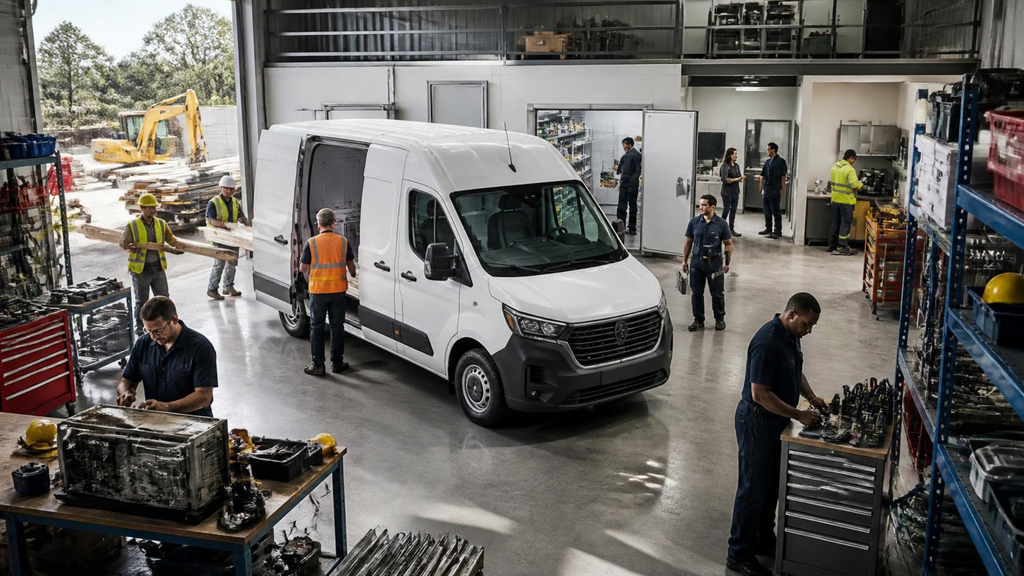
Benefits Of Leasing A Conversion Van
For many businesses, purchasing a converted vehicle outright can involve a significant upfront cost.
Business van conversion leasing can spread the cost of using the vehicle over an agreed contract period, helping businesses manage their cash flow while still accessing a vehicle suited to their requirements.
Other potential advantages include:
- Access to a newer base vehicle with the latest safety and technology features.
- Less initial capital tied up in the vehicle.
- A vehicle specified around the actual requirements of your business.
- The ability to consider maintenance as part of the overall leasing solution where appropriate.
- More predictable monthly vehicle costs.
- The opportunity to replace the vehicle at the end of the agreement rather than continuing to operate an ageing converted vehicle.
The tax and accounting treatment of leasing can vary depending on the business, finance arrangement and individual circumstances, so businesses should always take appropriate professional advice before making decisions based on tax treatment.
For businesses running several vehicles, conversion van leasing can also form part of a wider fleet management solution.
How Does Conversion Van Leasing Work?
The process can be more involved than leasing a standard panel van because there are two important elements to consider: the base vehicle and the conversion. For a broader explanation of how vehicle leasing works, our vehicle leasing process guide explains the main stages from enquiry through to delivery.
1. Discuss Your Requirements
The first step is understanding what the vehicle needs to do.
This could include the type of work, payload requirements, number of occupants, equipment carried, daily mileage and operating environment.
2. Choose The Right Base Vehicle
Once the requirements are understood, a suitable van can be identified.
Size, payload, body type, engine or powertrain, wheelbase and load capacity can all influence the final choice.
For businesses considering electrification, the vehicle’s expected daily mileage and charging arrangements should also be assessed before choosing an electric base vehicle.
3. Specify The Conversion
The conversion is then considered alongside the base vehicle.
This is where practical details become particularly important. Storage, racking, tipping equipment, refrigeration, welfare facilities and specialist equipment can all affect the final vehicle.
4. Arrange The Finance
Once the vehicle and specification have been established, the appropriate finance option can be considered.
Depending on your circumstances, options can include Contract Hire, Finance Lease or other forms of commercial vehicle finance.
The most suitable option depends on factors such as how you intend to use the vehicle, your business requirements and how you want to account for it.
5. Conversion And Delivery
The base vehicle and conversion are coordinated before the completed vehicle is prepared for delivery.
Lead times can vary considerably depending on the vehicle, conversion and availability of the required equipment. Bespoke conversions are likely to require more planning than standardised specifications. It’s also worth understanding your responsibilities throughout the lease, including the condition the vehicle is expected to be returned in. Our guide to insuring a lease van explains the insurance requirements, while our Van Leasing Fair Wear & Tear Guide explains what businesses should be aware of at the end of a lease.
Our vehicle delivery information explains more about the delivery process.
This is why it is important to discuss your requirements as early as possible.
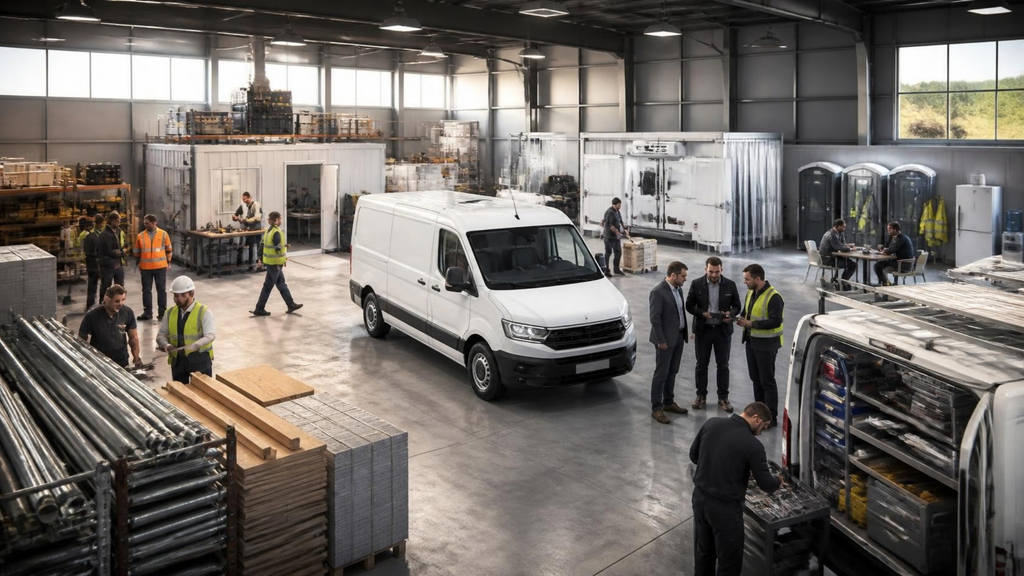
Choosing The Right Conversion Van For Your Business
The most expensive conversion is not necessarily the best one. The right vehicle is the one that performs the job your business needs it to do. If you’re still deciding what type of commercial vehicle is right for your business, our guide to choosing the right van provides further guidance on the key factors to consider.
Before choosing a conversion, consider:
- What will the vehicle carry?
- How much payload do you actually need?
- How many people will travel in the vehicle?
- How frequently will equipment be loaded and unloaded?
- Does the vehicle need refrigeration or temperature control?
- Will tools and equipment require dedicated storage?
- How many miles will the vehicle cover each day?
- Will it operate on construction sites, urban roads or motorways?
- Does the conversion need to be removed or changed in the future?
- Would an electric, hybrid or conventional powertrain be appropriate?
How many miles will the vehicle cover each day? Your expected mileage is important when agreeing to a lease, as it can influence the contract and potential end-of-lease charges.
It is also important to consider the finished vehicle rather than simply the base van. Adding a substantial conversion can affect payload, dimensions and how the vehicle drives.
For businesses operating multiple vehicles, standardising conversions where possible can also make fleet management, driver training and maintenance easier.
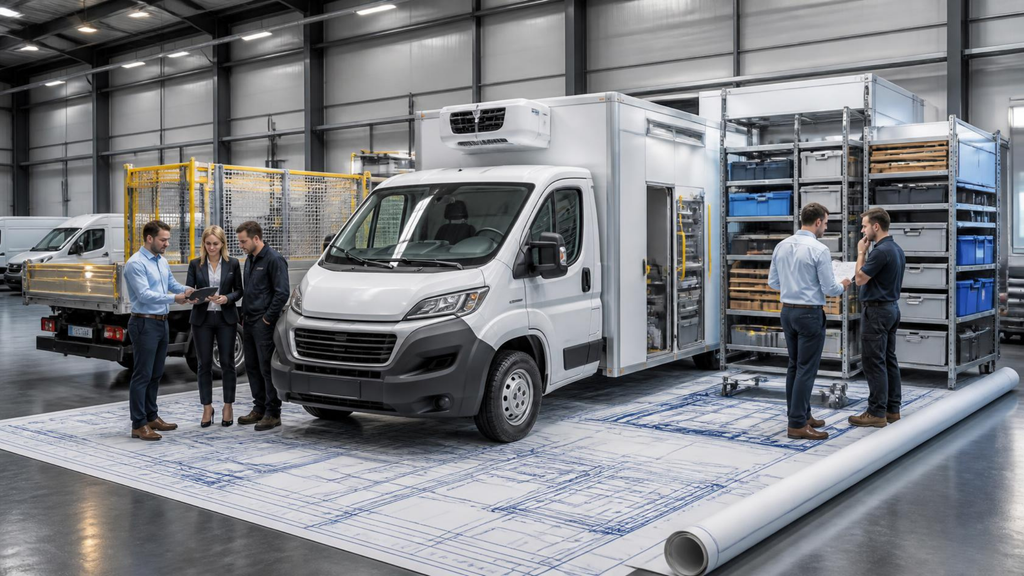
A conversion van is a commercial vehicle that has been modified or equipped for a specific business purpose. Conversions can include dropside and tipper bodies, welfare facilities, refrigeration, racking and storage, or specialist equipment designed around particular operational requirements.
Yes. Conversion vans can be available through business vehicle leasing, with the base vehicle and conversion considered as part of the overall vehicle solution. The finance options available will depend on the vehicle, conversion, funder and your individual business circumstances.
A wide range of conversion vans can be considered, including dropside vans, tipper vans, welfare vans, refrigerated vans, racking and storage vehicles and more specialist bespoke conversions. The most suitable option depends on what the vehicle needs to carry and how it will be used.
Potentially, yes. Bespoke conversions can be considered where a vehicle needs to accommodate particular equipment, storage, seating or other specialist requirements. Because bespoke specifications can affect the vehicle’s weight, dimensions and cost, the requirements need to be assessed before the lease is arranged.
Yes. A conversion adds weight to the base vehicle, which reduces the available payload. The finished vehicle therefore needs to be assessed as a complete specification to ensure that it remains suitable for the intended workload and legal weight limits.
Lead times vary depending on the base vehicle, conversion type, equipment required and vehicle availability. Standardised conversions may be quicker to arrange, while bespoke conversions can require additional planning and build time.
Depending on the leasing arrangement and vehicle, maintenance can potentially be included as part of the overall leasing solution. The options available will depend on the vehicle, finance agreement and your business requirements.
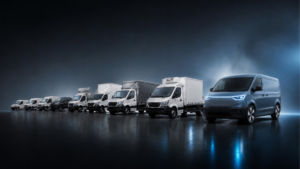
Yes. Conversion vans can form part of a wider business fleet alongside standard panel vans and other specialist vehicles. Managing different vehicle types together can help businesses consider vehicle utilisation, maintenance, replacement cycles and the specific requirements of different teams or jobs.
 Call our expert team on