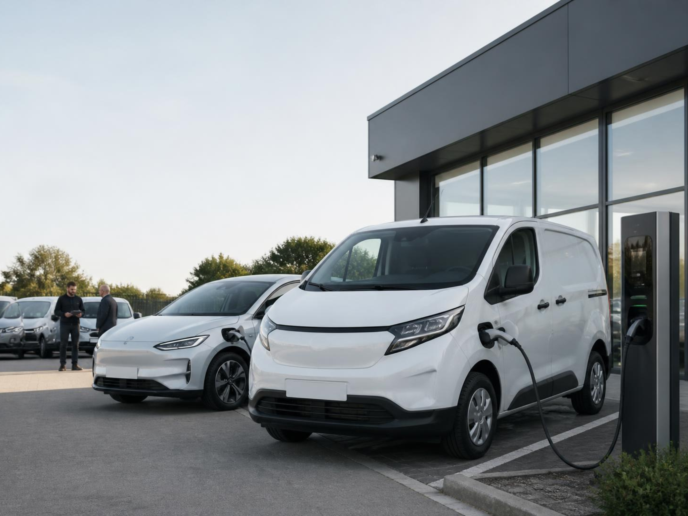
Used electric vehicles are continuing to strengthen in value, with three-year-old battery electric vehicles recording a 7.5% increase over the past five months as demand from buyers helps support the second-hand market.
The latest figures from vehicle data specialist Cazana show that the average retail value of a three-year-old battery electric vehicle (BEV) increased by around £130 during August alone.
That follows gains of more than £1,600 since April, highlighting a sustained improvement in the retail market for used electric vehicles.
For businesses running electric vehicle fleets, the latest figures provide an encouraging indication that demand for electric vehicles is strengthening beyond the new-car market.
Used EV Demand Continues To Build
The improvement in used EV values comes as retailers become increasingly confident in pricing electric vehicles, following wider changes in EV prices, alongside petrol and hybrid models.
Petrol vehicles increased in value by 0.5% during August, while hybrids recorded a 0.4% rise.
Diesel vehicles moved in the opposite direction, with values falling by 0.7% over the month.
This growing gap between diesel and electrified vehicles could be significant for fleet operators considering their future vehicle choices.
As more electric cars enter the second-hand market, stronger retail demand could help support their residual values and make them a more attractive option for businesses looking at whole-life vehicle costs.
PHEVs Also Performing Strongly
Plug-in hybrids (PHEVs) are also proving popular with used-car buyers.
Several of the fastest-selling vehicles during August were PHEVs, including the Cupra Formentor, Ford Kuga and Volvo XC90.
The performance of both BEVs and PHEVs suggests that demand for electrified vehicles is becoming increasingly established in the used market rather than being restricted to new-car buyers.
For fleet operators, this is particularly relevant as increasing numbers of electrified vehicles begin to reach the end of their initial contracts and enter the used market.
What Does This Mean For Fleet Operators?
Improving used EV values could be positive news for businesses concerned about the residual value of their vehicles.
While residual values are an important consideration, businesses should also assess the wider practicalities of running an electric vehicle, including range, charging requirements, running costs and potential breakdown or recovery requirements.
A stronger second-hand market means there is currently healthy demand for ex-fleet electrified vehicles, with retailers continuing to absorb incoming stock.
Cazana’s figures show that three-year-old ex-fleet supply has been increasing since March, with further volumes expected during the final quarter of the year.
Despite this increase in supply, current retail demand is keeping pace.
That could provide some reassurance for fleet operators approaching the end of vehicle contracts, particularly where electric vehicles form part of their fleet strategy.
However, residual values are not guaranteed to continue rising.
Could Used EV Values Come Under Pressure?
The used-car market could become more competitive as new vehicle registrations increase following the September registration plate change.
Cazana expects growing used-car volumes to potentially put some pressure on values, although this may not become apparent until October.
The increasing presence of Chinese manufacturers in the UK could also influence the market.
Competitive pricing on new vehicles could put pressure on used values if manufacturers increase registrations and more vehicles subsequently enter the second-hand market.
This means fleet operators should continue to monitor market conditions rather than assuming today’s residual values will remain unchanged.
Electric Vehicles Continue To Strengthen In The Used Market
Overall, the latest figures point towards a healthier second-hand market for electric vehicles.
Three-year-old BEVs have recorded a significant increase in value over the past five months, while PHEVs are also attracting strong buyer interest.
At the same time, diesel values have continued to weaken.
For businesses reviewing their next vehicle choices, improving EV residual values could help strengthen the overall case for business car leasing as they consider the wider costs and benefits of moving towards electrified vehicles.
With more EVs expected to move through the used market over the coming years, their ability to retain value will remain an important consideration for businesses, fleet managers and leasing customers.
For now, however, the latest data suggests that demand for used electric vehicles remains strong.
 Call our expert team on