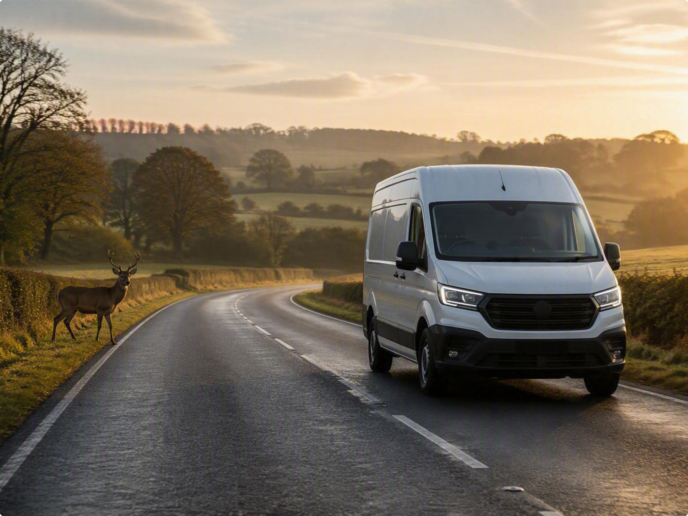
Deer collisions are creating a growing financial and operational risk for UK fleets, with new figures showing that wildlife-related incidents generated more than £455,000 in claims costs during 2025 and 2026 so far.
Analysis from AA Accident Management found that deer strikes resulted in £455,747 worth of claims costs across the period, with modern vehicles often requiring more complicated repairs following an impact.
For businesses operating vehicles across rural and semi-rural areas, a deer collision can mean more than just the cost of repairing bodywork.
Vehicles may be off the road for extended periods, creating vehicle downtime and additional disruption for the business.
When Are Deer Strikes Most Likely To Happen?
Deer activity tends to increase at particular times of the year, meaning fleet operators should be especially aware of the risks during the spring and autumn months.
The main periods associated with deer collisions are:
- May and June, when younger deer begin moving away from breeding areas.
- October and November, when deer activity increases during the rutting season.
- Around sunrise, when visibility can be reduced and deer may be active near roads.
- From sunset through to midnight, another period when the risk of encountering deer is higher.
This is particularly relevant for employees who regularly drive on rural roads, including delivery drivers, engineers, sales staff and other mobile workers.
Modern Cars Can Make Deer Collisions More Expensive
Vehicle technology has advanced considerably, but that can also mean a relatively straightforward collision results in a more involved repair.
Many modern cars and vans are fitted with parking sensors, cameras, radar systems and other driver assistance technology. Damage to these components can require specialist parts, diagnostic work and recalibration before a vehicle can safely return to the road.
As a result, the financial consequences of a wildlife collision can extend well beyond the initial visible damage.
For businesses, there is also the potential cost of vehicle downtime. If a company car or commercial vehicle is unavailable, another vehicle may need to be provided while repairs are completed. Regular vehicle maintenance can also help businesses keep their fleets in good condition and identify potential issues before they become more serious, potentially reducing disruption.
Swerving Can Increase The Severity Of An Accident
One of the biggest risks when encountering a deer is the instinctive reaction to swerve.
Drivers may attempt to avoid hitting the animal, but suddenly changing direction can result in a collision with another vehicle, a tree, barrier or roadside furniture.
In some cases, these secondary collisions can cause considerably more damage than hitting the deer itself.
Drivers should therefore avoid making sudden, dangerous manoeuvres and instead concentrate on maintaining control of the vehicle and reducing speed where it is safe to do so.
Fleet Drivers Need To Be Prepared
With deer numbers increasing and many businesses relying on vehicles to travel through rural areas, wildlife collisions should form part of a company’s wider fleet management strategy.
Driver awareness and training can play an important role in reducing the risk.
Businesses should remind drivers to take extra care when travelling through areas where deer are known to be present, particularly during the higher-risk periods of the year.
Reducing speed can provide drivers with additional time to react if an animal suddenly enters the road.
Drivers should also remain particularly alert around dawn and dusk, when deer are more likely to be active, and visibility can be challenging.
Driver Training Could Help Reduce Fleet Costs
Professional driver training can help employees recognise potential hazards earlier and respond appropriately, while ensuring drivers understand their wider responsibilities when using a leased vehicle.
For fleets with employees regularly travelling on rural and semi-rural roads, it can be worthwhile reviewing driver training before the autumn deer-strike season gets underway.
Even preventing a single serious collision could save a business thousands of pounds in repair costs, vehicle downtime and operational disruption.
For fleet operators, prevention is ultimately far cheaper than dealing with the consequences of a serious wildlife collision.
What Should Businesses Do About Deer Strike Risks?
Fleet operators can take several straightforward steps to reduce the likelihood and severity of deer-related accidents:
- Remind drivers about the increased risk during May and June and October and November.
- Encourage lower speeds on rural and semi-rural roads, particularly around dawn and dusk, while ensuring drivers understand UK speed limit rules for vans.
- Include wildlife hazards within regular driver safety training.
- Ask drivers to remain alert for deer warning signs and areas where animals are known to cross.
- Emphasise the importance of maintaining control rather than making sudden evasive manoeuvres.
- Review vehicle downtime procedures so replacement vehicles can be arranged quickly following an accident.
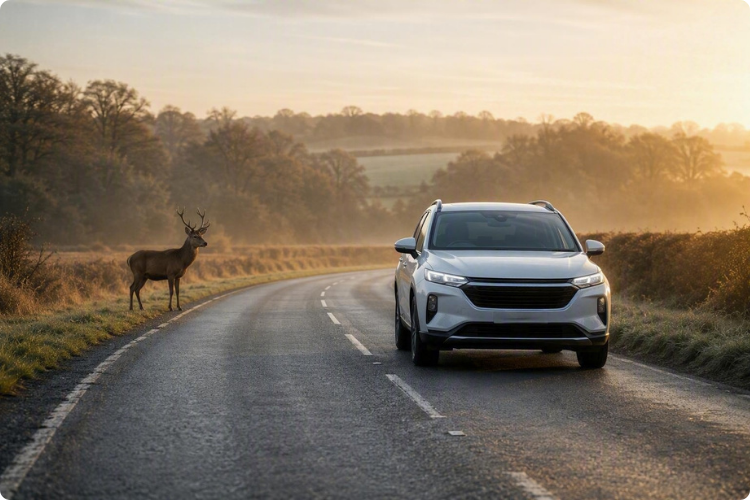
As vehicles become increasingly sophisticated, the cost of repairing even relatively minor accidents can continue to rise. Taking preventative action and ensuring drivers understand the risks can therefore protect both employees and fleet budgets.
For businesses operating cars and vans across the UK, deer strikes are an often-overlooked fleet risk that can have a significant financial and operational impact.
 Call our expert team on
  Drop us a message