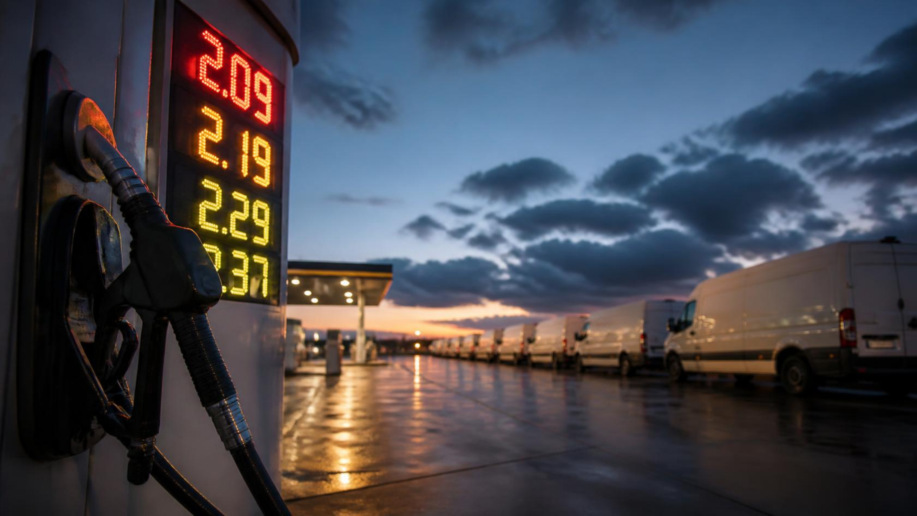
The average price of diesel at UK filling stations has passed £2 per litre for the first time, according to the latest figures from the RAC, adding further pressure to motorists and businesses that depend on diesel vehicles.
The RAC says the average UK diesel price reached 200.01p per litre on 2 October 2026, taking the cost of filling a typical 55-litre tank to around £110.01.
The increase comes after a period of rapidly rising fuel costs, with petrol and diesel prices already reaching four-year highs in September.
Petrol prices have also increased substantially over the same period. The RAC puts the current average price of unleaded at 174.71p per litre, compared with 132.83p at the end of February.
For a driver filling a 55-litre petrol tank, that means a current cost of approximately £96.09, around £23 more than at the end of February.
Diesel Reaches Record UK Pump Price
The latest figures mean diesel has now crossed a threshold that had previously seemed unlikely, with the national average breaking through the £2-per-litre mark.
The previous record stood at 199.09p per litre, recorded in June 2022. The latest figure therefore represents a new record for the average UK diesel pump price.
For businesses operating vans, cars and larger fleets, the impact can be considerably greater than it is for an occasional private motorist.
A vehicle covering tens of thousands of miles each year can consume hundreds or even thousands of litres of fuel, meaning relatively small movements in the price per litre can quickly translate into substantial additional operating costs. Businesses covering high annual mileages can therefore benefit from understanding van fuel economy when choosing their next vehicle.
The RAC has highlighted the particular pressure being placed on high-mileage drivers and businesses, including delivery companies, haulage operators, commuters and fleet operators.
How Much Does Diesel Now Cost Per Mile?
The rise in pump prices also has a direct effect on the cost of running a diesel vehicle.
According to the RAC, a diesel car returning around 45mpg would now cost approximately 20p per mile in fuel alone at the current average pump price.
At 10,000 miles per year, that equates to around £2,020 in diesel costs.
For commercial vehicles, the potential fuel bill can be significantly higher because vans often cover much greater annual mileages than privately owned cars. Fuel is only one part of the overall cost, however, with businesses also needing to consider insurance, maintenance, tyres, tax and downtime when calculating the true cost of running a van.
Fuel costs can also be relevant when businesses reimburse employees for business mileage. The HMRC AER Reimbursement Calculator can help businesses calculate mileage reimbursement using the applicable advisory rates.
A business operating several diesel vans could therefore see fuel become a much larger proportion of its overall running costs, particularly where vehicles are being used every day for deliveries, engineering work, construction, courier services or other high-mileage applications.
Why Are Diesel Prices Rising?
The latest increase follows a sharp rise in UK diesel prices throughout September, with the average price already reaching 198.32p per litre on 25 September.
The RAC has linked the recent rise in fuel prices to the ongoing conflict in the Middle East and concerns surrounding the movement of oil and other energy products through key international shipping routes.
There are also concerns that further restrictions affecting diesel exports could put additional pressure on supply.
The UK remains heavily dependent on imported energy, meaning changes in global oil markets can quickly feed through into domestic wholesale and forecourt prices.
This means that even businesses with carefully managed fuel budgets can find their costs changing considerably when international energy prices rise.

What Does This Mean For UK Van Fleets?
For UK businesses running diesel vans, the latest price increase highlights the importance of considering total vehicle running costs rather than looking solely at the monthly vehicle payment. Business van leasing can help spread the cost of replacing vehicles, but businesses should still consider fuel, mileage, maintenance and other operating costs when assessing the overall cost of a vehicle.
Fuel is one of the most significant ongoing costs associated with operating a commercial vehicle, particularly for businesses whose vans spend much of their working day on the road.
Higher diesel prices could also encourage some businesses to reassess their vehicle requirements when replacing older vans.
For some operators, switching to an electric vehicle may provide an opportunity to reduce day-to-day energy costs, particularly where vehicles return to base regularly and can be charged using a suitable charging installation.
However, the suitability of an electric van will depend on factors including annual mileage, payload requirements, journey lengths, charging availability and the type of work being carried out. Businesses considering the change should also consider electric vehicle charging, particularly if vans return to a depot or business premises each day.
For businesses that continue to rely on diesel, choosing the right van for the job can also help control running costs. Payload, fuel economy, vehicle size and expected mileage should all be considered alongside the initial leasing or purchase cost.
For businesses operating multiple vehicles, fleet management solutions can also help bring vehicle replacement, utilisation and operating costs together as part of a wider fleet strategy.
 Call our expert team on