Provisional figures from the Department for Transport show that the number of people killed or seriously injured on Britain’s roads rose by 2% to 30,274 in the year to June 2026. Fatalities stayed almost unchanged at 1,579, just two more than the previous 12 months.
Car occupants accounted for 42% of those deaths, with 658 people killed while travelling in cars. A further 43 people died in goods vehicles. Almost all of the rise in the overall killed-or-seriously-injured total came from serious injuries, which increased by 668 to an estimated 28,695. That figure remains 6% lower than the year ending June 2016.
The statistics have prompted renewed pressure from road-safety groups. The AA Charitable Trust is calling for penalty points to be attached to seatbelt offences, while the RAC is urging the Government to publish a clear timetable for delivering the casualty-reduction targets set out in its Road Safety Strategy.
Seatbelt Non-Compliance Remains a Stubborn Problem
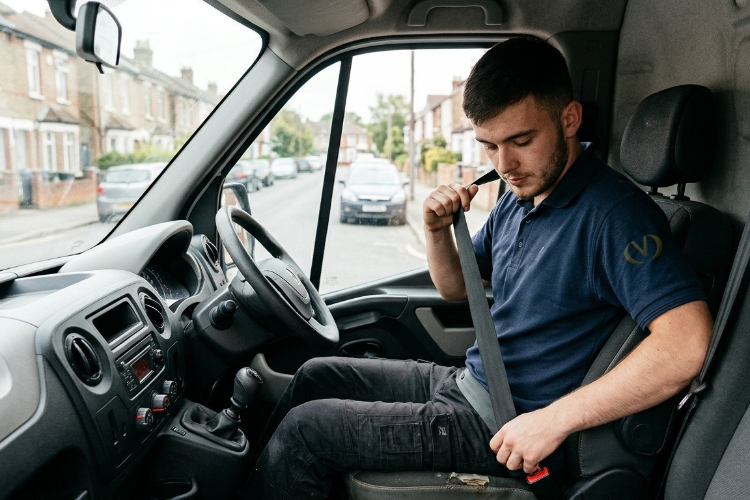
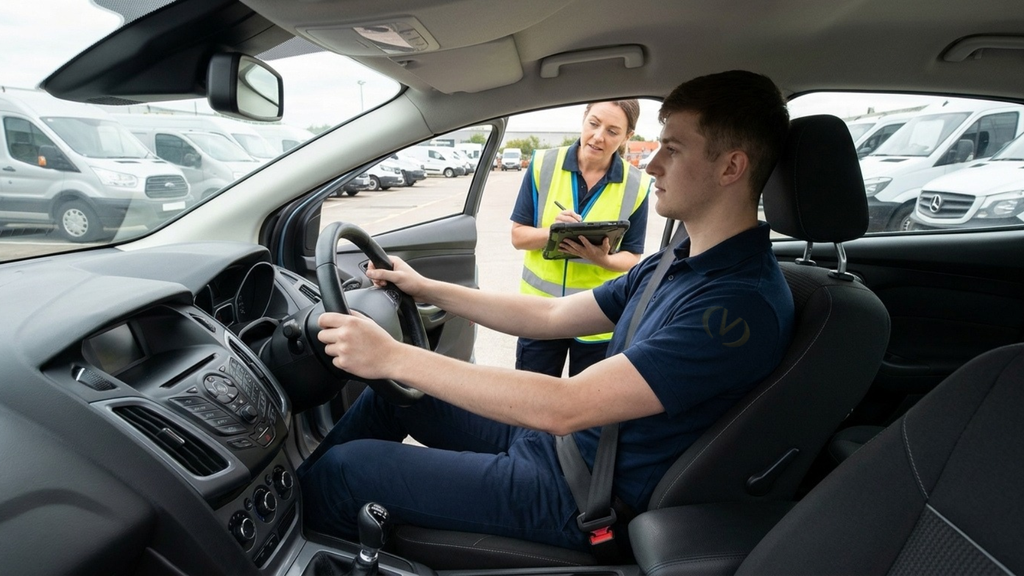
Seatbelt use is one of the basic checks highlighted in Health and Safety Executive guidance on driving for work. Employers are expected to ensure that drivers wear seatbelts whenever the law requires it and to provide appropriate training.
Younger drivers continue to feature heavily in the data. People aged 17 to 29 made up 22% of road deaths in the latest figures, and men accounted for 82% of fatalities in that age group. A separate five-year analysis by the AA Charitable Trust found that 36% of car occupants aged 17 to 29 who died were not wearing a seatbelt.
These findings sit alongside wider evidence of persistent non-compliance. Freedom of Information figures from 37 police forces recorded 107,969 seatbelt enforcement notices between 2023 and 2025, equating to almost 100 notices every day. CVC’s coverage of seatbelt offences and fleet safety examines the scale of the issue and why businesses should reinforce the requirement for drivers and passengers to belt up on every journey.
Scotland has also trialled AI-powered cameras to detect seatbelt and mobile-phone offences, underlining the continued focus on these high-risk behaviours. Details of the Scottish trial appear in our article on Scotland’s AI cameras monitoring mobile-phone use and seatbelt offences.
Drink- and Drug-Driving Still Feature Among Young Drivers
The Crime Survey for England and Wales found that 7.5% of drivers reported driving when they thought they might be over the alcohol limit in the year to March 2026, while 0.4% reported driving under the influence of illegal drugs. Drivers aged 20 to 24 were the most likely to report both behaviours.
Edmund King, director of the AA Charitable Trust, said the latest self-reported figures, combined with known seatbelt non-wearing rates, underline the need to tackle risky driving among young men in particular. The Trust recently launched Clickbait, a grime track and video aimed at encouraging younger drivers and passengers to wear seatbelts.
For fleet operators the implications are clear. Drink- and drug-driving risks for UK fleets remain a live concern, with young male drivers disproportionately represented in related data. Businesses are advised to maintain clear policies, communicate expectations, and ensure drivers understand that impaired driving is unacceptable whether the journey is for work or personal use.
RAC Presses for a Clear Roadmap to Cut Casualties
The Government’s Road Safety Strategy aims to reduce deaths and serious injuries on Great Britain’s roads by 65% by 2035, measured against a 2022–2024 baseline. Rod Dennis, senior policy officer at the RAC, argued that a published roadmap with firm actions and timescales is urgently needed if the country is to break the cycle of high casualty numbers.
Work-related driving forms a significant part of the overall picture. The Government estimates that approximately one in three road traffic fatalities in the UK involves someone driving or riding for work, highlighting the importance of stronger and more consistent work-related road safety standards. CVC’s guide to mandatory work-related road safety standards for fleets sets out the areas employers are being urged to address, including seatbelt compliance, impaired driving, distraction and journey planning.
The proposed National Work-Related Road Safety Charter is intended to give businesses a clearer framework for managing these risks across company vehicles and grey fleets.
What the Figures Mean for Fleet Operators
For organisations running cars, vans or mixed fleets, the latest casualty data reinforce the importance of practical controls. These include:
- Clear company vehicle policies that set expectations on seatbelts, mobile-phone use, alcohol and drugs
- Regular driver communication and training
- Structured fleet risk assessments that cover drivers, vehicles and journeys
- Prepared response plans for serious road incidents
- Ongoing attention to speeding, distraction and other high-risk behaviours highlighted in recent fleet driver safety analysis
Road Safety Week and related campaigns continue to provide useful moments for businesses to review arrangements and reinforce messages with drivers. Our overview of Road Safety Week 2026 for business fleets outlines practical steps organisations can take.
Reported road casualties in Great Britain, years ending June 2025 and June 2026
| Measure | Year to June 2025 | Year to June 2026 (provisional) | Change (people) | Change (%) |
|---|---|---|---|---|
| People killed | 1,577 | 1,579 | +2 | +0.1% |
| People seriously injured (adjusted) | 28,027 | 28,695 | +668 | +2.4% |
| People killed or seriously injured (adjusted) | 29,604 | 30,274 | +670 | +2.3% |
| Casualties of all severities | 127,992 | 127,890 | −102 | −0.1% |
Source: Department for Transport provisional road casualty statistics. Percentage changes calculated from the counts shown and rounded to one decimal place.

 Call our expert team on