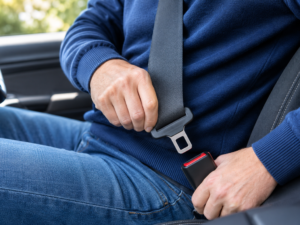
The RAC is calling on the Government to introduce alcohol ignition interlocks for repeat drink-driving offenders, arguing that lowering the legal drink-drive limit alone will not be enough to prevent habitual offenders from getting behind the wheel.
The motoring organisation has written to road safety minister Justin Madders with a review of international evidence highlighting the potential benefits of alcohol interlocks, commonly known as alcolocks. The technology prevents a vehicle from starting if a breath test detects alcohol above a pre-set threshold.
The intervention comes as the Government considers changes to drink-driving legislation in England and Wales, including a possible reduction in the legal alcohol limit. The RAC believes alcolocks could provide an additional preventative measure by restricting access to vehicles for convicted offenders who might otherwise continue to drive after drinking.

What Are Alcohol Ignition Interlocks?
Alcohol ignition interlocks are breathalyser devices connected to a vehicle’s ignition system. Before starting the engine, the driver must provide a breath sample through the device.
If the sample detects alcohol above the programmed limit, the vehicle will not start. The system is designed to prevent someone who has been drinking from driving, rather than relying entirely on penalties or the threat of prosecution.
Depending on the programme and device, further breath tests may also be required during a journey to ensure the driver has not consumed alcohol after starting the vehicle.
Alcolocks are already used in several countries, including France, Belgium, Canada, Australia and the United States. They are particularly associated with programmes targeting convicted drink-driving offenders, including people who have committed multiple offences.
The RAC believes introducing a properly designed programme in the UK could help tackle repeat offending while supporting rehabilitation.
Why Is The RAC Calling For Alcolocks In The UK?
The RAC’s latest intervention follows the Government’s wider review of road safety and proposed changes to motoring offences.
England and Wales currently have a higher legal drink-drive limit than Scotland. The Government has consulted on lowering the limit, including considering a stricter threshold for newly qualified drivers.
However, the RAC argues that changing the legal limit will not necessarily prevent people who repeatedly ignore drink-driving laws from continuing to offend.
According to the organisation, thousands of motorists have been convicted of drink-driving three or more times, highlighting the difficulty of tackling habitual offenders through existing penalties alone.
The RAC’s position is that alcolocks could address this problem by physically preventing a vehicle from being started when the driver has consumed too much alcohol.
This would provide a different form of intervention from fines, penalty points and driving disqualifications, which do not themselves prevent someone from accessing another vehicle or choosing to drive illegally.
The Government has already acknowledged the potential role of the technology. Its January 2026 Road Safety Strategy included consultation on alcohol ignition interlocks as part of wider measures to tackle drink-driving.
The Government’s consideration of alcolocks follows wider scrutiny of drink-driving legislation. Our article on the MPs’ review of drink-driving limits in England and Wales covers the calls for tougher measures and the debate surrounding potential changes to the law.
In November, the Government confirmed in a parliamentary response that it was analysing consultation responses and recognised that international evidence suggests alcolocks can reduce reoffending while installed.
What Does The International Evidence Say?
The RAC’s November 2026 review highlights evidence from several countries where alcohol ignition interlocks have been introduced as part of drink-driving rehabilitation programmes.
Some of the findings suggest the technology could have a meaningful impact on repeat offending and associated road casualties.
California Reports Fewer Repeat Offences And Crashes
Research from California found that fitting alcohol ignition interlocks within two years of drivers being arrested for drink-driving was associated with:
- 17% fewer repeat drink-driving offences.
- An estimated 26% reduction in associated crashes.
Researchers also concluded that the effectiveness of the programmes could increase further if more drink-driving offenders were required to have the devices installed.
The findings suggest that restricting access to a vehicle following a drink-driving offence could help prevent further incidents, particularly among motorists with a history of repeat offending.
France Reports Lower Reoffending Following Programmes
Evidence from France also highlighted potential longer-term benefits.
According to the RAC’s review, drink-driving reoffending rates following an alcolock programme were between 1.6% and 2.1%.
This compared with approximately 6% among drivers who had received a driving licence suspension instead.
The figures suggest that combining restrictions on vehicle use with a structured rehabilitation programme could offer advantages over relying on licence suspension alone.
Florida Findings Highlight Rehabilitation Benefits
The RAC also referenced evidence from Florida in the United States, where repeat drink-driving offending dropped by nearly a third among drivers who had participated in an alcolock programme compared with those who had not.
Taken together, these international findings provide support for the RAC’s argument that alcohol ignition interlocks could form part of a wider approach to tackling repeat drink-driving.
However, the results should not be interpreted as a guarantee that the same reductions would automatically be achieved in the UK. The effectiveness of any programme would depend on how it was introduced, who was required to participate and how rehabilitation was managed.

Could Alcolocks Be Introduced Under UK Drink-Driving Laws?
The Government has already considered alcohol ignition interlocks as part of its wider road safety consultations.
The Road Safety Strategy, published in January 2026, set out plans to reduce deaths and serious injuries on Britain’s roads by 65% by 2035.
As part of this approach, ministers consulted on several potential changes to drink-driving legislation, including:
- Lowering the legal drink-drive limit in England and Wales.
- Introducing an even lower limit for newly qualified drivers.
- Reviewing penalties and rehabilitation arrangements for drink-driving offences.
- Considering the use of alcohol ignition interlocks.
- Exploring additional powers to suspend licences in certain circumstances.
The Government’s position has developed further through parliamentary questions in November.
On 12 November 2026, road safety minister Justin Madders confirmed that ministers were analysing responses to the consultation on allowing alcohol ignition locks to be used as part of drink-drive rehabilitation.
The Government also confirmed that it would work with the Ministry of Justice on a Justice Impact Test to assess the implications for the justice system of any proposals taken forward.
This means alcolocks are being actively considered, but their introduction has not yet been confirmed.
There are also questions about how any UK programme would operate, including which offenders would be eligible, whether installation would be mandatory, how long devices would remain fitted and who would meet the costs.
Why Lowering The Drink-Drive Limit May Not Be Enough
Reducing the legal alcohol limit could help discourage motorists from drinking before driving and bring England and Wales closer to the approach already used in Scotland.
However, the RAC argues that a lower threshold alone will not address the behaviour of motorists who repeatedly ignore drink-driving laws.
A driver who has already been convicted several times may not be deterred by another change to the legal limit. This is where the RAC believes ignition interlocks could make a difference.
Rather than relying solely on drivers making the right decision, the technology introduces a physical restriction that prevents a vehicle from starting when alcohol is detected above the permitted threshold.
There is also an important distinction between preventing someone from driving while a device is installed and reducing the likelihood of reoffending after it has been removed.
The Government has previously highlighted evidence from a 2017 international review which found that alcolocks reduced reoffending while fitted, but that rates returned towards those of comparison groups after removal.
The RAC’s latest evidence points to more encouraging longer-term outcomes from some rehabilitation programmes, including those in France and Florida.
This highlights why the design of any UK scheme would be important. Simply fitting a device may not be enough; rehabilitation, monitoring and appropriate support could also play a role in achieving lasting improvements.
What Could Alcolocks Mean For Business Fleets?
Although the RAC’s proposals are primarily aimed at repeat drink-driving offenders, the wider debate is relevant to businesses operating company cars, vans and commercial vehicle fleets.
Employers already have responsibilities when employees drive as part of their work. These include managing work-related road risks, establishing suitable driver policies and ensuring that employees understand the importance of driving safely.
Drink-driving incidents involving employees can have serious consequences for businesses, potentially resulting in criminal proceedings, vehicle downtime, insurance complications, reputational damage and disruption to operations.
The Government’s proposed National Work-Related Road Safety Charter also highlights the importance of employers taking a more proactive approach to managing risks associated with business journeys.
Businesses should therefore ensure their existing arrangements cover alcohol and drug policies, driver responsibilities and procedures for dealing with potential breaches.
Drug-driving is another important consideration for employers managing company vehicles. Our article on the summer drug-driving campaign and the risks for fleet drivers looks at the dangers of drug-driving and why businesses should address substance-related risks as part of their wider driver safety policies.
Relevant considerations include:
- Clear driver policies: Employees should understand that driving under the influence of alcohol is prohibited and know the consequences of breaching company rules.
- Driver awareness: Regular communication and training can reinforce the risks associated with drink-driving.
- Incident procedures: Employers should have clear processes for reporting and investigating incidents involving company vehicles.
- Driver management: Businesses should ensure that appropriate checks and procedures are in place when employees are authorised to operate company vehicles.
Our guide to fleet driver safety and the risks associated with speeding and distracted driving explores the wider importance of monitoring driver behaviour and managing occupational road risks.
Businesses can also refer to our guide to leased vehicle driver responsibilities for further information about the obligations associated with operating leased vehicles.
Employers also need to consider their wider responsibilities for work-related road safety. Our guide to mandatory work-related road safety standards for fleets looks at the standards businesses should consider when managing employees who drive for work.
The Wider Importance Of Road Safety For Employers
The discussion around alcolocks forms part of a broader Government effort to improve road safety and reduce the number of people killed or seriously injured on UK roads.
According to the Department for Transport, approximately one in three road traffic fatalities involves someone driving or riding for work.
This makes workplace road safety an important consideration for organisations that depend on employees travelling between sites, visiting customers or operating commercial vehicles.
The proposed National Work-Related Road Safety Charter is intended to encourage businesses to review how they manage these risks, including driver competence, vehicle condition, journey planning and workplace safety policies.
Our coverage of the National Work-Related Road Safety Charter and what UK businesses need to know explains the initiative and its potential implications for employers.
There are also wider lessons from the Government’s consideration of drink-driving technology. Preventing unsafe driving requires more than changing legislation. Effective enforcement, driver education, appropriate rehabilitation and responsible employer policies all have a part to play.
For businesses operating fleets, maintaining clear expectations around driver conduct and regularly reviewing safety procedures remain important, regardless of whether alcolocks eventually become part of UK law.

 Call our expert team on