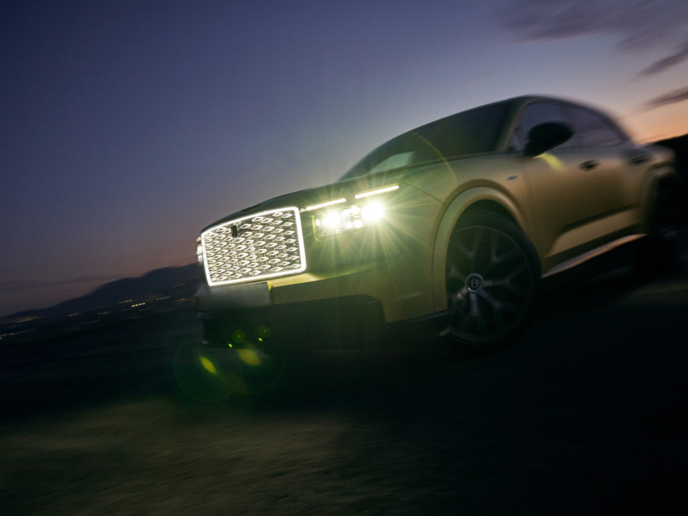
Bentley has entered the electric-car market with the launch of the Torcal, its first fully electric production model and a major step in the luxury manufacturer’s transition towards electrification.
The new five-seat SUV combines a large 113.2kWh battery with an 800V electrical architecture, ultra-rapid charging and twin electric motors. Depending on specification, it can deliver up to 888PS, while Bentley quotes a maximum WLTP range of around 375 miles.
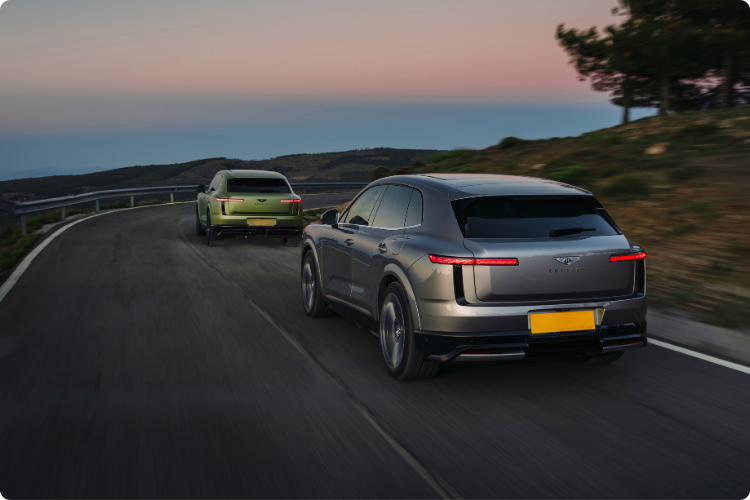
The Torcal becomes the fourth model line in Bentley’s range, joining the Continental GT, Flying Spur and Bentayga. It also introduces a new design direction for the Crewe-based manufacturer, with a lower and more streamlined SUV profile intended to distinguish it from the existing Bentayga.
Its arrival comes as the luxury electric SUV market becomes increasingly competitive. Models such as the Range Rover Electric and the forthcoming Genesis GV90 are also taking electric power into the upper end of the SUV market.
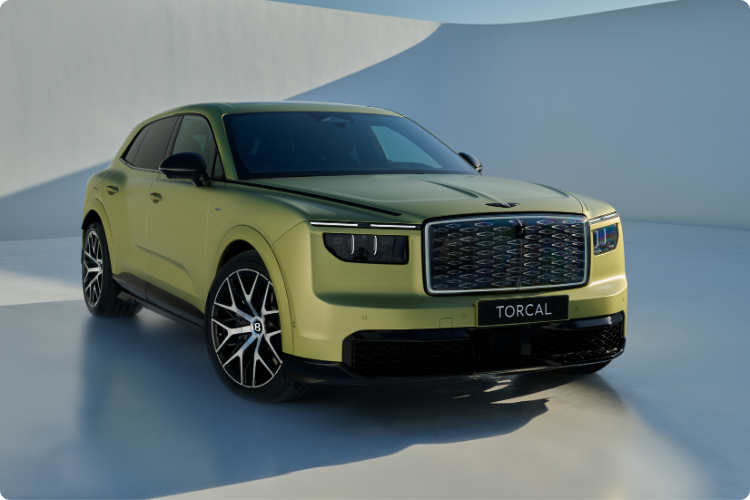
Bentley Torcal Electric Specifications
| Specification | Bentley Torcal | Bentley Torcal S |
|---|---|---|
| Power | 821 PS | Up to 888 PS |
| Torque | 1,155Nm | Up to 1,350Nm |
| Battery | 113.2kWh | 113.2kWh |
| Maximum WLTP range | Around 375 miles | Around 373 miles |
| 0-60mph | 3.3 seconds | 2.8 seconds |
| Top speed | 155mph | 162mph |
| Charging architecture | 800V | 800V |
| Maximum DC charging | Up to 400kW | Up to 400kW |
| 10-80% charging | Around 16 minutes | Around 16 minutes |
The standard Torcal produces 821PS and 1,155Nm of torque, giving it a 0-60mph time of 3.3 seconds and a top speed of 155mph.
For buyers wanting more performance, the Torcal S increases output to 888PS and 1,350Nm when Launch Control is active. It cuts the 0-60mph time to just 2.8 seconds and raises top speed to 162mph.
Bentley describes the Torcal S as the most powerful production Bentley ever built.
Up To 375 Miles Of Electric Range
The Torcal is powered by a 113.2kWh battery, with Bentley using an 800V electrical system to support both performance and rapid charging.
The manufacturer quotes a maximum driving range of around 375 miles, although the precise figure varies according to specification and market.
That range puts the Torcal firmly into the long-distance luxury EV category. Bentley has clearly designed the car to be used for more than short urban journeys, with the ability to cover substantial distances between charging stops.
Charging performance is equally important.
The Torcal can accept DC charging at up to 400kW, with Bentley quoting approximately 16 minutes for a 10-80% charge when connected to a suitably powerful charger.
That means the Torcal’s electric powertrain is designed around the same sort of long-distance usability that Bentley customers would expect from its petrol-powered models, rather than requiring owners to make significant compromises for the sake of electrification.
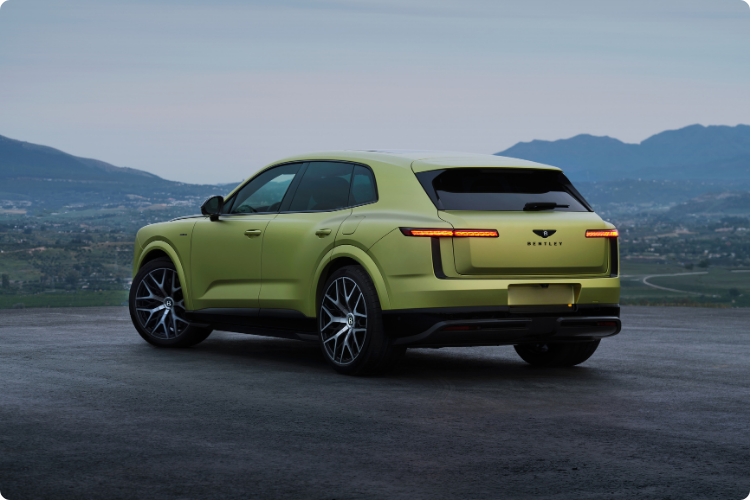
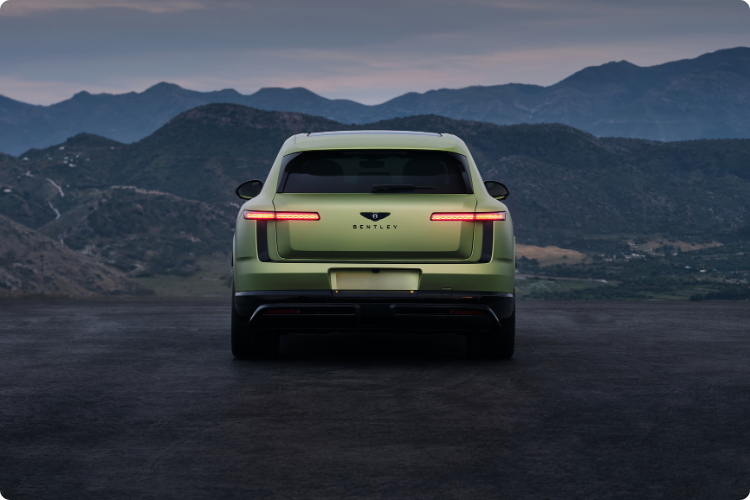
Bentley Takes On The Luxury Electric SUV Market
The Torcal arrives at a time when the luxury electric SUV market is developing rapidly.
The Range Rover Electric is taking the established Range Rover formula into the battery-electric era, while the Genesis GV90 is pushing the Korean luxury brand into a higher-end section of the market. The Range Rover Sport Electric is also expanding JLR’s electric SUV line-up into a more performance-focused part of the market.
The GV90 is particularly relevant because Genesis is positioning the model against established luxury manufacturers, with a huge SUV body, three-row seating and a focus on passenger comfort.
The Torcal therefore enters a market where electric power is no longer restricted to smaller executive cars and mainstream SUVs. Manufacturers are increasingly using EV technology in their flagship models, with performance, range, charging speed and luxury all becoming important parts of the proposition.
The Range Rover Sport Electric is another example of how electrification is moving further into the luxury and performance SUV market.
A New Design For Bentley
The Torcal introduces a noticeably different design language for Bentley.
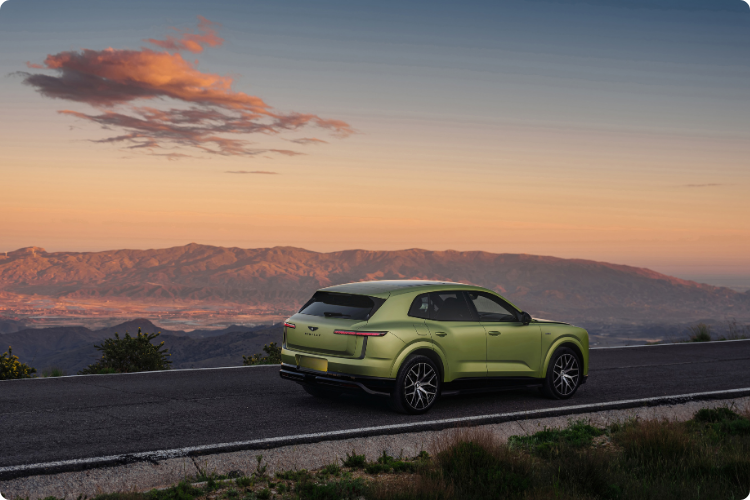
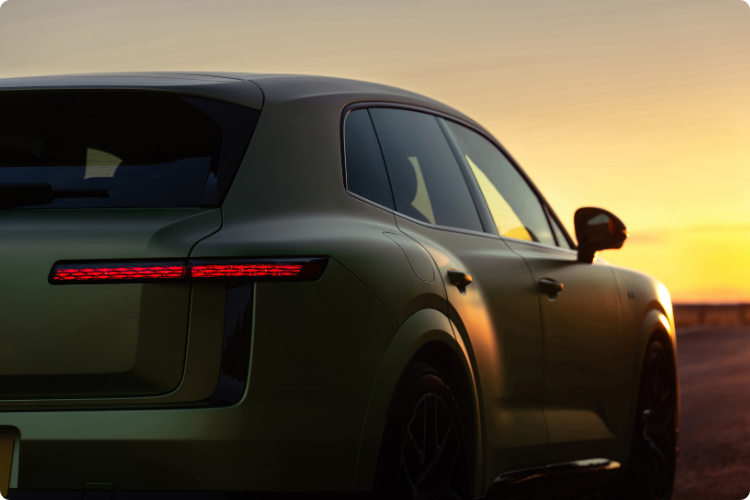
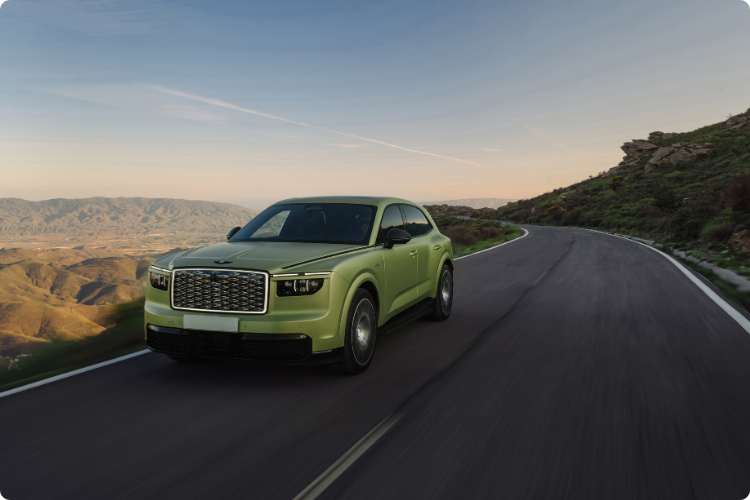
It retains recognisable elements of the brand, but the body is lower and more streamlined than the Bentayga, while the surfaces are cleaner and more minimalist.
At just over five metres long, the Torcal remains a substantial vehicle. However, Bentley has used its proportions to create a sleeker appearance, with a long wheelbase, short overhangs and a broad stance.
One of the most distinctive features is the new Floating Diamond Grille, which incorporates 76 individually applied illuminated diamonds.
The grille provides a modern interpretation of one of Bentley’s most recognisable design features, while the lighting technology allows the front of the car to become part of the vehicle’s welcome sequence.
The Torcal is also the first Bentley to feature the manufacturer’s redesigned emblem.
Rather than simply giving an existing Bentley an electric powertrain, the company has therefore used the Torcal to establish a new visual identity for its next generation of vehicles.
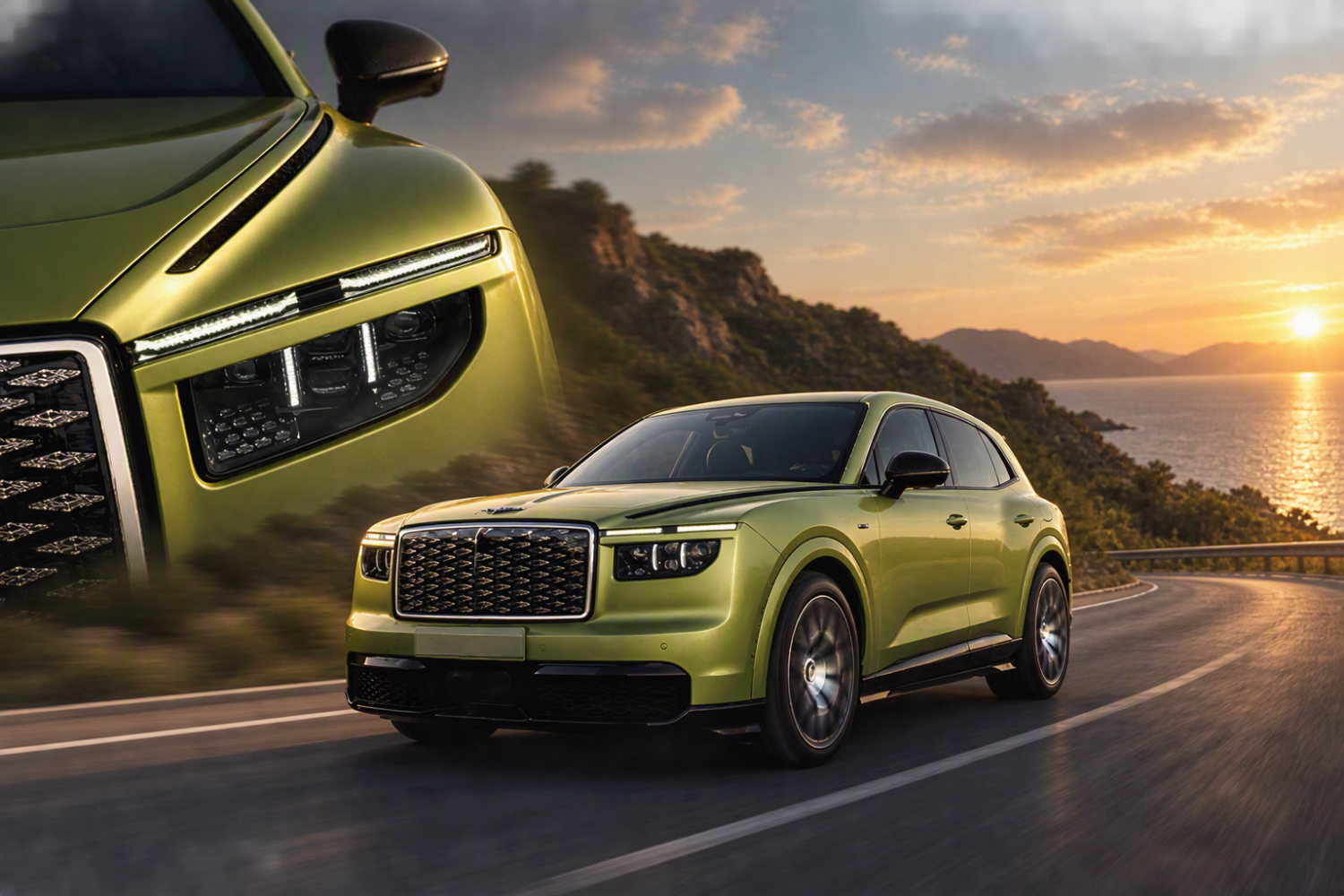
Electric Performance With Bentley Comfort
Performance is an important part of the Torcal’s character, but Bentley has not designed it simply to chase acceleration records.
The two electric motors provide all-wheel drive and instant torque, while Bentley has developed sophisticated suspension technology to help balance performance with the ride comfort expected from a luxury vehicle.
The Torcal introduces Bentley Active Ride, using electronically controlled dampers and hydraulic systems to adjust the suspension according to road conditions and driving requirements.
The system can alter the vehicle’s behaviour to provide greater comfort or additional body control when the driver wants a more dynamic experience.
All-wheel steering is also fitted, with the rear wheels able to turn by up to five degrees.
That helps reduce the turning circle and makes the large SUV easier to manoeuvre in tighter spaces, something that should be particularly useful in urban environments and multi-storey car parks.
The Torcal can also tow up to 2,700kg, giving it some practical capability alongside its performance and luxury credentials.
Four Experience Modes
Bentley has developed four different Experience Modes for the Torcal, allowing the character of the vehicle to be adjusted according to the driver’s requirements.
These settings can influence the powertrain, chassis, lighting, sound and climate systems.
The approach is intended to make the Torcal feel like more than a conventional EV with different power settings. Instead, the entire environment of the vehicle can change depending on how it is being driven.
A relaxed setting can prioritise comfort and reduce distractions, while the sportier configuration increases the emphasis on performance and driver engagement.
This approach is becoming increasingly common in premium electric vehicles, where manufacturers have more freedom to alter the character of a car through software.
Bentley Creates A New Sound For Its EV
One of the challenges facing luxury and performance EV manufacturers is how to replace the emotional character traditionally provided by an internal-combustion engine.
Bentley has chosen not to simply reproduce an artificial V8 soundtrack.
Instead, the Torcal features Bentley Dynamic Symphony, a bespoke soundscape created using recordings of real musical instruments.
The system changes according to factors including vehicle speed and driver input, creating an audio identity for the Torcal without attempting to pretend that the electric motors are a petrol engine.
The approach reflects the wider philosophy behind the vehicle.
Bentley is not trying to hide the fact that the Torcal is electric. Instead, it is attempting to create a new form of luxury performance around the characteristics of electric power.
A Luxury Interior With New Materials
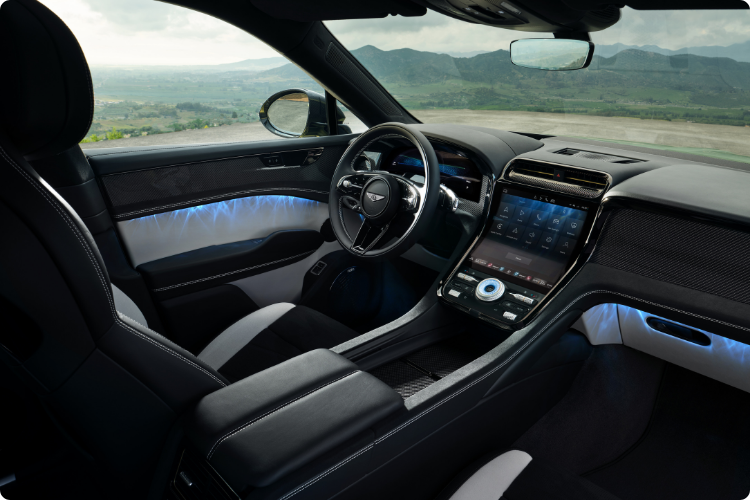
Inside, Bentley has combined digital technology with the traditional materials and craftsmanship associated with the brand.
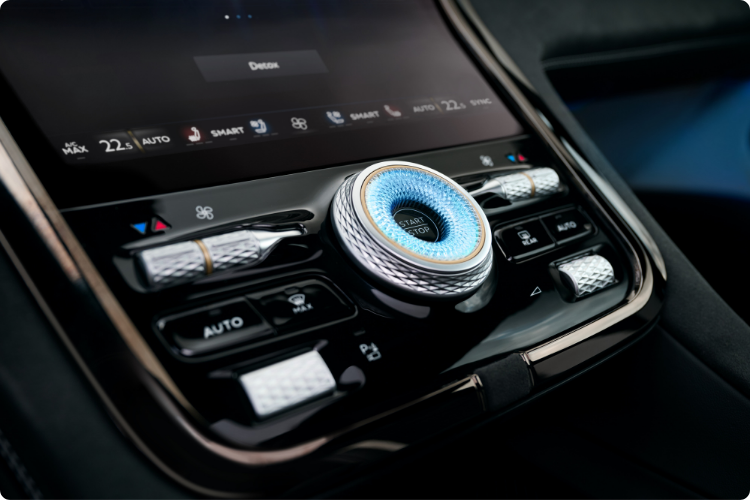
The cabin features curved OLED displays alongside physical controls, while buyers can choose from leather, Dinamica, wood veneers, aluminium and new textile materials.
A Merino wool automotive fabric has been developed for the Torcal, while Bentley has also introduced new wood finishes using responsibly sourced walnut offcuts.
The approach gives the interior a more tactile character than many technology-focused EV cabins, with Bentley retaining physical controls for important functions rather than moving everything onto a central touchscreen.
That distinction is particularly relevant in a luxury vehicle where craftsmanship and material quality remain central to the ownership experience.
Technology And Driver Assistance
The Torcal also introduces a substantial amount of technology.
Driver assistance and convenience features include parking assistance, remote parking functionality and an augmented-reality head-up display.
The vehicle can also recognise the driver using facial recognition and automatically load individual settings.
Bentley has also developed connected features that allow owners to monitor and control aspects of the vehicle remotely through the My Bentley app.
These include checking charging status and range, monitoring the vehicle and preparing the cabin before a journey.
The Torcal therefore combines the traditional luxury-car emphasis on comfort with the increasingly connected nature of modern electric vehicles.
Practicality Has Not Been Forgotten
Although the Torcal is primarily a luxury and performance vehicle, Bentley has also considered everyday usability.
There is a 460-litre rear boot, supplemented by a further 90 litres of storage at the front.
The rear seating can also be electrically folded, giving owners additional flexibility when carrying luggage or larger items.
That means the Torcal is not simply a high-performance flagship designed for occasional use. Bentley has developed it as a vehicle capable of covering long journeys while providing the practicality expected from a large SUV.
How Does The Torcal Fit Into The Wider EV Market?
The arrival of the Torcal illustrates just how quickly the electric car market has expanded.
Electric vehicles were once largely concentrated around smaller hatchbacks and mainstream family cars. The market now includes everything from affordable city cars to high-performance SUVs and ultra-luxury models, including cars such as the Mercedes EQS 450, which brings long-range electric power and executive-car luxury together in a flagship saloon.
Jaguar, for example, is pursuing a major transformation into an all-electric luxury brand with its Jaguar Type 01 as the first model in a new generation of electric vehicles.
Our recent EV Choice Has Doubled In Three Years As UK Market Passes 170 Models article looks at the scale of that change, with more than 170 battery-electric models now available in the UK.
That expanding choice also gives drivers more opportunities to select an EV based on performance, range, practicality, luxury or tax considerations rather than simply choosing one because it is electric.
For drivers looking at the wider market, our Top 10 Electric Cars To Lease In 2026 guide covers a broader selection of electric models available to private motorists, company-car users and salary-sacrifice drivers.
Electric Cars And Benefit-In-Kind Tax
The Torcal is likely to attract attention from company-car drivers as well as private buyers.
Fully electric cars continue to benefit from significantly lower Benefit-in-Kind taxation than comparable petrol and diesel vehicles, although the exact tax liability depends on the vehicle’s taxable list price and the driver’s circumstances.
Our Benefit-in-Kind (BIK) Tax guide explains how company car taxation works and the factors that determine the amount payable.
The same issue applies to other high-end electric SUVs, where the vehicle’s list price can have a significant impact on the amount of tax payable. Businesses also need to be aware of changes to company-car reporting requirements, with our House Of Lords Seeks Employer Views On New Benefits-In-Kind Reporting Rules article looking at proposed changes affecting employers.
Charging Becomes Increasingly Important
The Torcal’s 400kW charging capability also highlights how charging technology is developing alongside electric vehicle performance.
A vehicle capable of travelling hundreds of miles on a charge still needs suitable infrastructure if it is going to be used regularly for long-distance journeys.
For businesses and company-car drivers, that means understanding how and where a vehicle will be charged is becoming an increasingly important part of choosing an EV.
Our guide to Electric Vehicle Charging Explained: Home, Workplace & Employee Solutions for UK Businesses looks at the different options available, from home charging and workplace infrastructure to public charging networks.
Bentley Torcal Vs Other Luxury Electric SUVs
The Torcal is entering a rapidly expanding section of the market, but each manufacturer is approaching the luxury electric SUV in a different way.
Range Rover is using electrification to extend a well-established luxury SUV formula, while Genesis is attempting to establish itself further upmarket with the GV90.
Bentley is taking a different approach by combining electric performance with its traditional emphasis on handcrafted materials, personalisation and long-distance comfort.
The result is a vehicle that sits at the intersection of several rapidly developing trends: luxury SUVs, high-performance EVs and increasingly sophisticated electric vehicle technology.
It also demonstrates how established luxury manufacturers are adapting to a market in which electric power is becoming increasingly important.
The Bentley Torcal S Takes Performance Further
For customers who want the most powerful version of Bentley’s first EV, the Torcal S provides a more performance-focused alternative.
Its output rises to 888PS and 1,350Nm, while Launch Control reduces the 0-60mph time to 2.8 seconds.
The Torcal S also receives a more aggressive exterior treatment, with darker trim, revised styling details and S-specific badging.
Inside, Bentley has introduced additional sporting touches to distinguish the S from the standard Torcal.
Despite these changes, the Torcal S remains fundamentally a luxury SUV rather than a stripped-back performance model. Comfort, craftsmanship and technology remain central to the package.
Bentley’s First Electric Car Marks A Major Change
The Torcal is an important model for Bentley because it represents the manufacturer’s first fully electric production vehicle.
Its significance goes beyond its powertrain.
Bentley has used the Torcal to introduce new styling, new interior materials, new suspension technology and a different approach to vehicle sound, while retaining the craftsmanship and luxury expected from the brand.
The model also arrives as the premium electric-car market becomes increasingly diverse. The Genesis GV90, Range Rover Electric and other high-end electric SUVs are expanding the choice available to buyers who want luxury without a conventional petrol or diesel powertrain. Ferrari is also entering this new era, with its first fully electric Ferrari showing that electrification is reaching even the most performance-focused luxury marques.
For Bentley, the Torcal provides a foundation for the next stage of its electrification strategy.
For the wider automotive market, it is another indication that electric power is moving firmly into the most expensive and performance-focused areas of the car industry.
 Call our expert team on