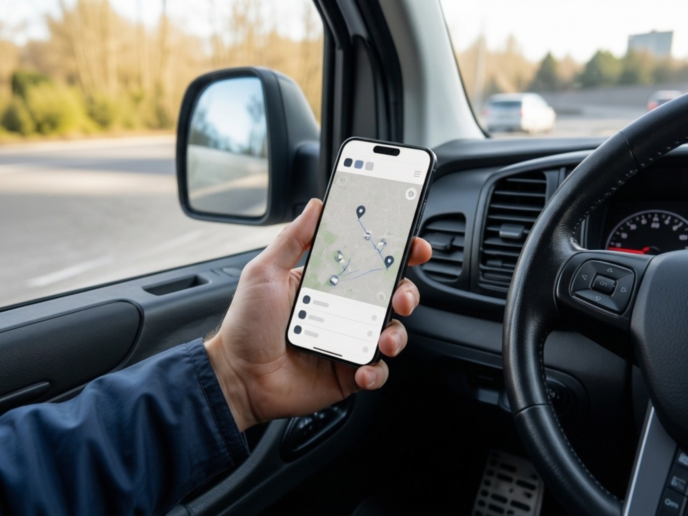
Alphabet has introduced a redesigned driver app intended to make managing company cars and everyday mobility services easier for drivers.
The updated platform brings essential vehicle services together in one place, allowing drivers to handle routine tasks from their smartphones rather than relying on separate systems or paperwork. For businesses overseeing multiple vehicles, this reflects the growing importance of effective fleet management solutions and accessible digital tools. Businesses planning new additions to their fleets can also review the vehicle delivery process when preparing for incoming vehicles.
Features include booking vehicle servicing, locating approved repair centres, reporting damage, checking contract information and submitting mileage readings. Drivers can also track the delivery of a new vehicle and access digital service and insurance cards through the app. Recording mileage consistently can also help businesses monitor vehicle use against their agreed vehicle leasing mileage allowance.
Depending on the market, additional functionality allows users to arrange and pay for vehicle charging and refuelling directly through the platform. For fleet operators, keeping on top of running costs and vehicle use is also an important part of managing the total cost of ownership of business vehicles.
Potential Benefits For Fleet Managers
The redesigned app is intended to simplify routine fleet administration by giving drivers more control over common tasks. By making key information and services easier to access, Alphabet aims to reduce the administrative workload associated with managing company vehicles while improving visibility for drivers and fleet teams. For fleet managers, access to accurate vehicle information is one part of assessing the total cost of ownership of business vehicles, alongside maintenance, energy or fuel costs and other running expenses.
Businesses reviewing their wider fleet arrangements may also consider how one-stop fleet solutions could support their operational requirements.
Digital tools can also support wider fleet lifecycle management, helping businesses coordinate vehicle use, maintenance and replacement planning.”
Damage reporting is one of the practical features, enabling drivers to record incidents directly at the scene without relying on traditional paperwork. The ability to access contract details and vehicle documentation in one location may also help drivers find the information they need more quickly.
Businesses can also benefit from having clear access to their leasing information through a dedicated vehicle lease management portal.
For businesses reviewing their wider fleet management solutions, digital tools that streamline everyday processes can form part of a more connected approach to overseeing vehicles and supporting drivers. A dedicated vehicle lease management portal can also help businesses access important fleet information and manage their leased vehicles more effectively.
These considerations also form part of wider fleet lifecycle management, from putting vehicles into service to maintaining them and planning replacements.
Jesper Lyndberg, chief executive of Alphabet International, said the focus of fleet technology is increasingly shifting towards the practical value it delivers, rather than digitalisation alone.
He highlighted the importance of connected services, useful insights and solutions that help businesses manage increasingly complex mobility requirements.
Alphabet’s wider digital offering combines driver services with fleet management applications and AI-powered intelligence, with the aim of supporting more efficient and transparent fleet operations. This reflects the wider role of one-stop fleet solutions in bringing different aspects of business vehicle management together.

How Drivers Can Access The New App
The redesigned Alphabet app is available to download through the Apple App Store and Google Play Store. Drivers can install and activate the new version, with the previous app being phased out.
As the redesigned platform is covered by existing leasing contracts, fleet managers do not need to arrange a separate implementation process.
For businesses leasing company vehicles, understanding driver responsibilities for leased vehicles remains important, particularly when it comes to reporting damage, arranging maintenance and keeping vehicle information up to date. Following the appropriate vehicle maintenance procedures can also help businesses keep vehicles safe, roadworthy and available for work.
Digital tools can help make these responsibilities easier to manage, although the practical benefits will depend on how drivers use the available features and which services are supported in their market.
 Call our expert team on