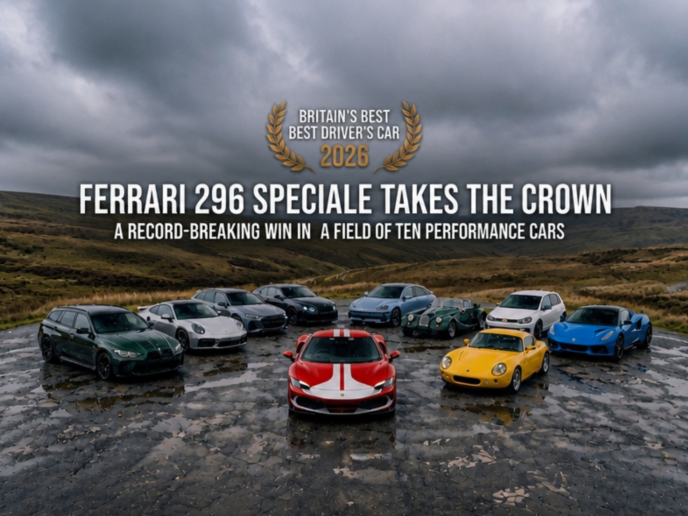
The Ferrari 296 Speciale has been named Britain’s Best Driver’s Car 2026, taking the title ahead of a varied field that included the Porsche 911 Turbo S, BMW M3 CS Touring, Bentley Supersports and Hyundai IONIQ 6 N.
The annual competition brought together ten new performance models, ranging from lightweight British sports cars and hot hatches to high-powered estates and an all-electric sports saloon. Five judges assessed the cars over three days of driving on public roads in North Wales and at the Anglesey International GP circuit.
This year’s line-up demonstrated how much the performance-car market has changed. Traditional petrol-powered sports cars competed alongside hybrid models and electric performance technology, while practical estates were judged against more specialised two-seat machines.
The Ferrari 296 Speciale ultimately secured the title by a 17-point margin. The BMW M3 CS Touring and Porsche 911 Turbo S completed the top three, underlining the variety of approaches that can make a car rewarding to drive.
Britain’s Best Driver’s Car 2026 – The Results
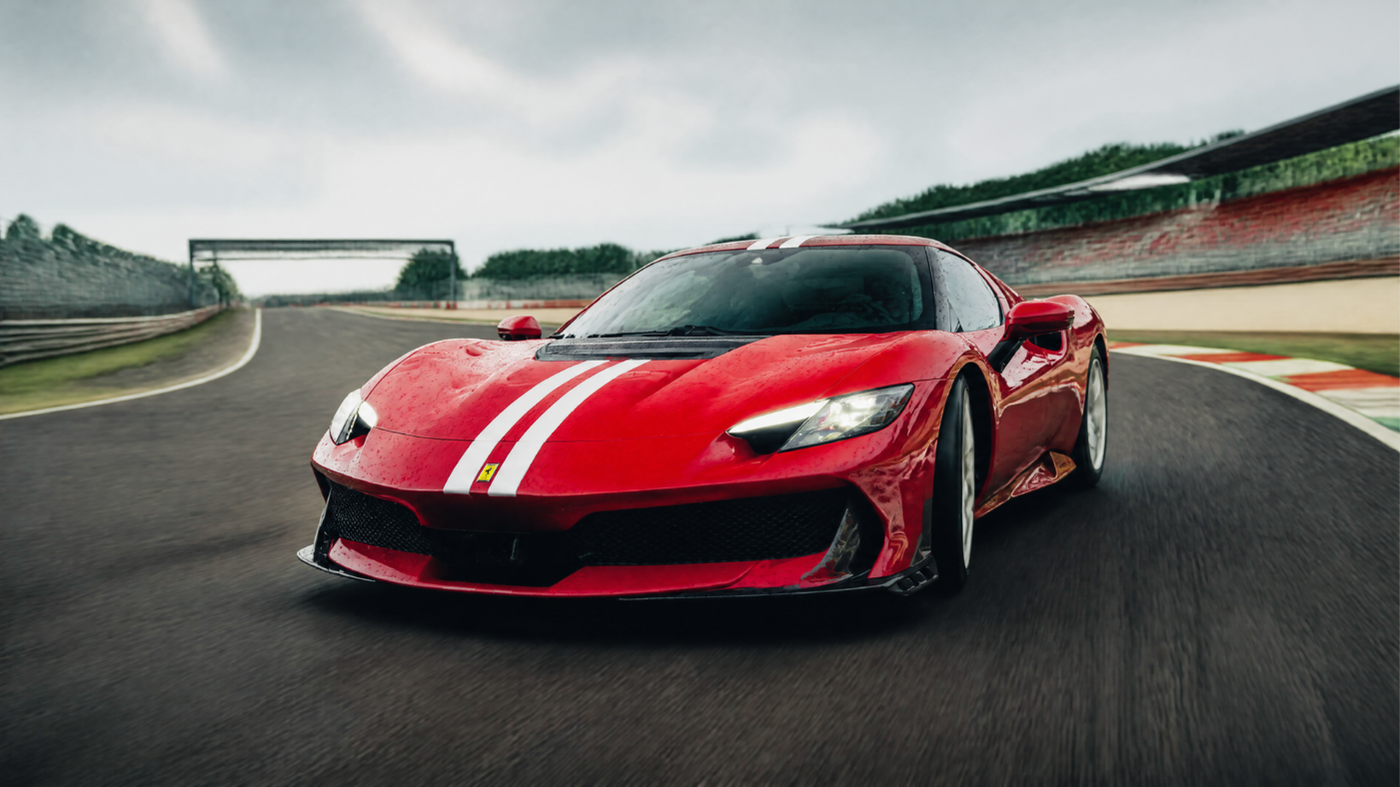 1st Place · Winner
Ferrari 296 Speciale
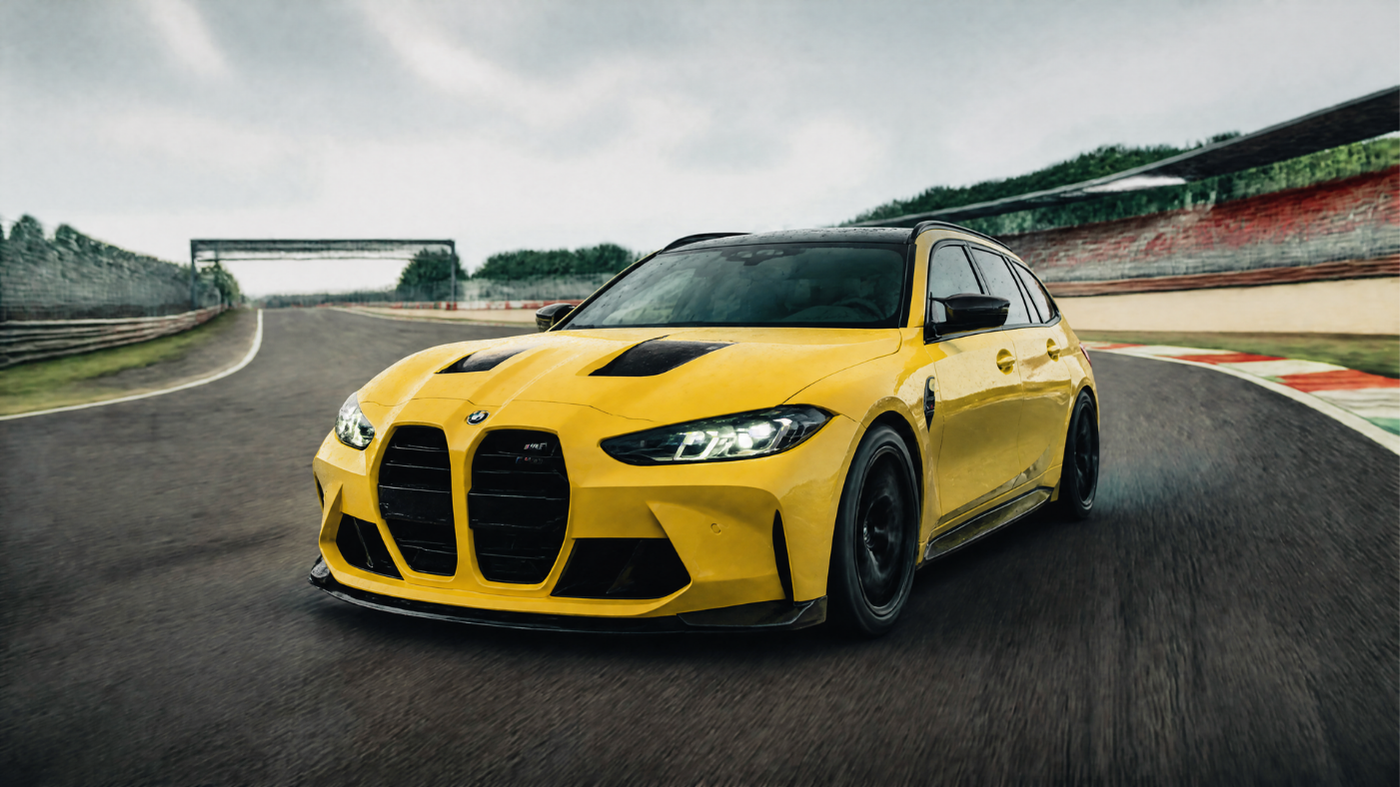 2nd Place
BMW M3 CS Touring
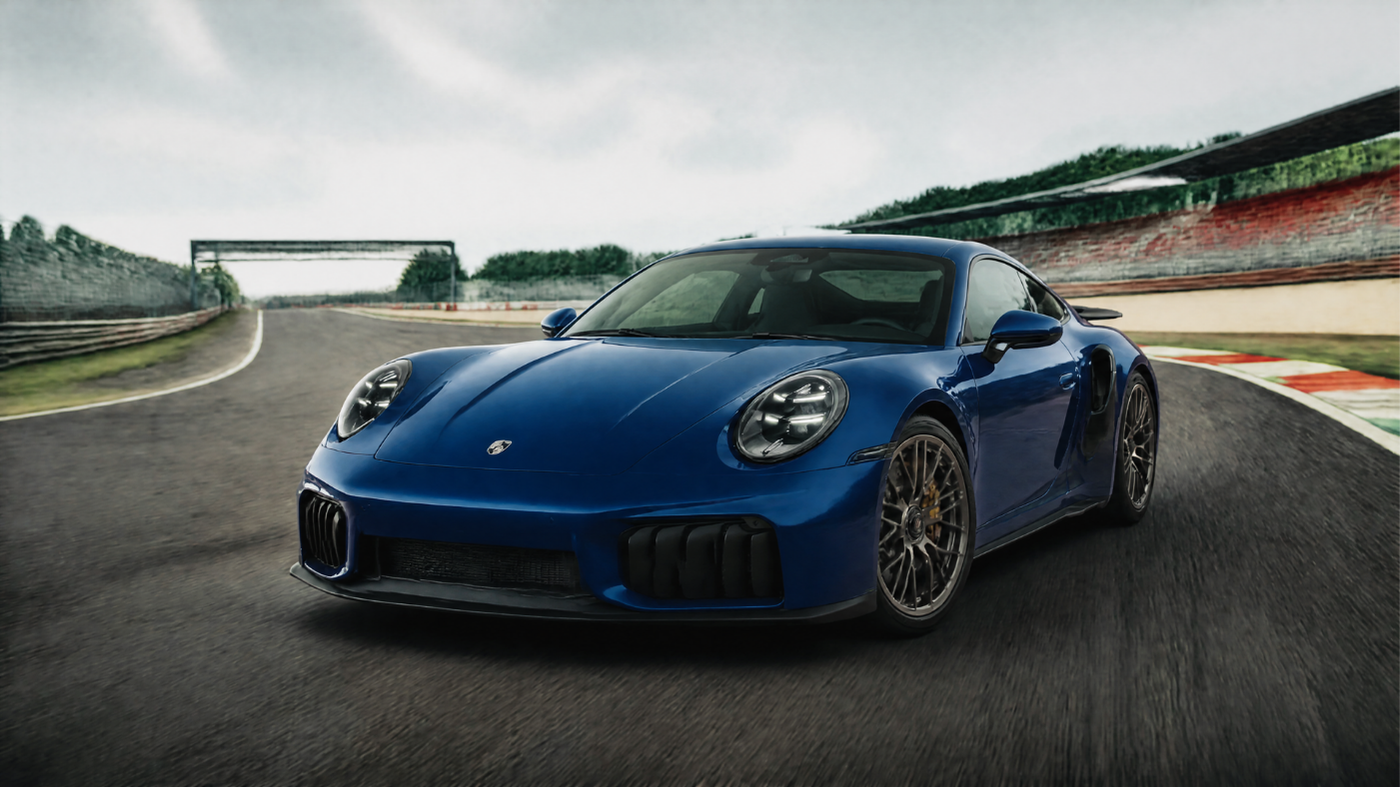 3rd Place
Porsche 911 Turbo S
Ten performance cars assessed by five judges over three days of road and track testing.
Ferrari 296 Speciale Takes The Overall Title
The Ferrari 296 Speciale emerged as the overall winner after impressing the judges with its combination of performance, handling and driver involvement.
Its mid-engined layout and twin-turbocharged 3.0-litre V6 plug-in hybrid powertrain give it a distinctive position in Ferrari’s range. The electric motor supplements the combustion engine, providing additional performance while demonstrating how hybrid technology can be incorporated into a highly focused sports car.
The 296 Speciale is a more track-oriented development of the 296 GTB, with engineering changes intended to improve its aerodynamics, reduce weight and sharpen its responses. Rather than relying on power alone, its appeal comes from the way its engine, chassis and hybrid system work together.
The 17-point winning margin was particularly notable, representing the biggest gap between first and second under the competition’s scoring system since its current format was introduced in 2016.
Ferrari is also preparing for a significant change in its future model range as it moves towards electric power. Its forthcoming Luce represents the marque’s first fully electric car, marking a new chapter for the Italian manufacturer. CVC has covered the project in more detail in its article about Ferrari’s first electric car.
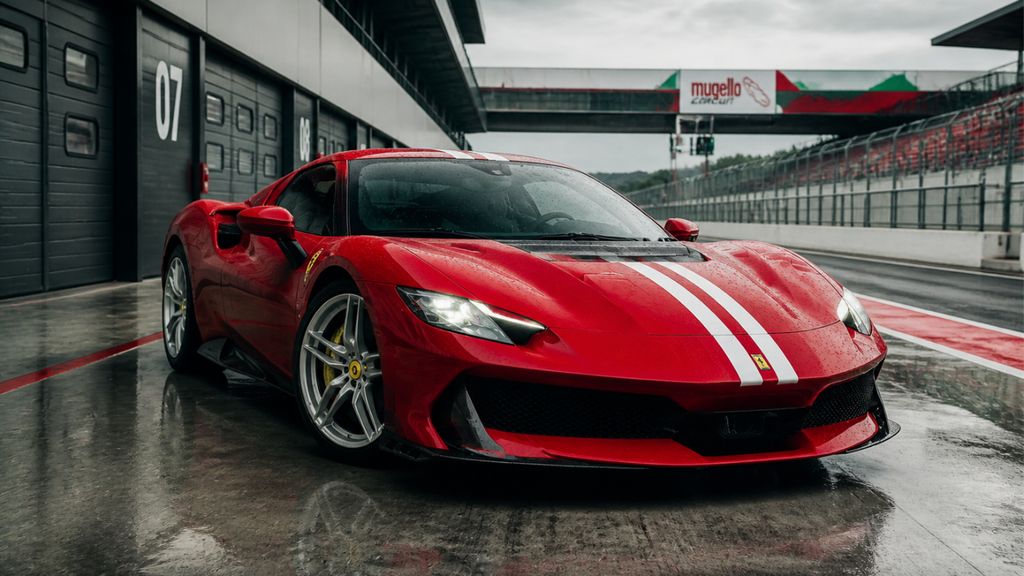
BMW M3 CS Touring And Porsche 911 Turbo S Complete The Top Three
The two other podium finishers illustrate how different approaches to performance can produce equally compelling results.
BMW M3 CS Touring
The BMW M3 CS Touring secured a place in the top three, making a strong case for the high-performance estate.
The Touring combines the practicality of an estate body with the mechanical and dynamic characteristics expected from BMW’s M division. It offers space for passengers and luggage while retaining the performance focus associated with the M3 badge.
The result is interesting because it demonstrates that a driver’s car does not necessarily need to be a low-slung, two-seat sports car. A well-developed performance estate can offer a combination of everyday usability and driving involvement that is difficult for more specialised models to match.
BMW is also looking towards electrification for its future performance models. Its planned electric M3 is one example of how the manufacturer intends to carry its performance identity into a new generation of vehicles.
Porsche 911 Turbo S
The Porsche 911 Turbo S was another of the strongest contenders, securing a place in the final three.
The latest model uses a hybrid-assisted flat-six engine, combining Porsche’s established rear-engined layout with additional electrified technology. Its all-wheel-drive system and sophisticated chassis help it deliver performance in a wide range of conditions.
The 911’s configuration remains a defining part of its character, while its hybrid assistance shows how manufacturers are adapting established performance models to incorporate new technology.
Porsche has enjoyed considerable success in previous editions of Britain’s Best Driver’s Car, making the latest result another significant showing for the German manufacturer.
All Ten Cars Competing For The 2026 Title
The 2026 field included a broad selection of performance models, with each bringing a different interpretation of what makes a driver’s car.
Audi RS5 Avant
The Audi RS5 Avant represented the high-performance estate category. Its plug-in hybrid powertrain combines a 2.9-litre V6 petrol engine with an electric motor, producing a combined system output of 639PS.
The Avant body style gives it the practicality expected of a family estate, while its quattro all-wheel-drive system is designed to put the available power onto the road.
It is an example of how electrification is increasingly being used to increase performance as well as provide the ability to drive on electric power for shorter journeys.
BMW M3 CS Touring
The BMW M3 CS Touring brought another performance estate into the competition, although with a more focused approach to driver involvement.
Its combination of a powerful six-cylinder engine, performance-focused chassis and estate-car practicality makes it an interesting alternative to the Audi. Its place among the final three confirmed that a practical body style need not prevent a car from competing at the highest level.
Bentley Supersports
The Bentley Supersports brought a very different character to the field.
With a powerful V8 engine, rear-wheel drive and a more focused chassis, it represents a sporting interpretation of Bentley’s traditional grand-touring approach. It also demonstrates that a large luxury manufacturer can produce a car aimed at a more involved driving experience.
The Supersports had to contend with the challenge of putting considerable power through the rear wheels, particularly on damp British roads. Although it did not reach the final three, its presence added another dimension to the competition.
Ferrari 296 Speciale
The Ferrari 296 Speciale was the eventual winner.
Its mid-mounted V6 hybrid powertrain, aerodynamic development and track-focused engineering made it one of the most specialised cars in the field. Its victory also highlighted the potential for hybrid technology to enhance the driving experience rather than simply reduce fuel consumption.
The figures help explain the Ferrari’s capabilities. Its plug-in hybrid powertrain produces a combined 880cv, enabling acceleration from 0–62mph in approximately 2.8 seconds. Ferrari has also increased aerodynamic downforce by 20% compared with the 296 GTB, while reducing weight and revising the chassis to improve its response on track. These changes demonstrate that the Speciale is more than a straightforward power upgrade, with its engineering focused on making the car faster and more involving to drive.
Hyundai IONIQ 6 N
The Hyundai IONIQ 6 N was the only fully electric car in the ten-strong line-up.
Its inclusion was particularly significant because it placed an electric performance saloon against established petrol and hybrid rivals. The IONIQ 6 N brings Hyundai’s N performance engineering into an electric vehicle, with a focus on acceleration, handling and driver engagement.
It also provided an opportunity to assess how far electric performance cars have progressed beyond straight-line acceleration. Its participation demonstrated that electric vehicles are increasingly being developed with handling and driver involvement in mind.
For readers comparing different electric and hybrid powertrains, CVC’s guide to BEV, PHEV, HEV and ICE technology explains the differences between the main vehicle types.
Lotus Emira 420 Sport
The Lotus Emira 420 Sport represented the traditional lightweight British sports-car approach.
Lotus has built much of its reputation around handling, steering response and keeping weight under control. The Emira continues that philosophy, offering a more focused alternative to the larger and heavier performance cars in the competition.
Its inclusion was important because it showed that outright power is only one part of the driver’s-car equation.
Morgan Supersport 400
The Morgan Supersport 400 brought another distinctive British interpretation of performance motoring.
Morgan’s approach places considerable emphasis on traditional sports-car proportions, an engaging driving experience and a more individual character. The Supersport 400 combines that philosophy with a modern performance powertrain.
It provided a contrast to the increasingly complex hybrid and electronically controlled cars elsewhere in the field.
Porsche 911 Turbo S
The Porsche 911 Turbo S was one of the strongest contenders and ultimately finished among the top three.
The latest Porsche 911 Turbo S uses a 3.6-litre twin-turbocharged flat-six engine with Porsche’s T-Hybrid system. Two electric turbochargers and an electric motor integrated into the transmission help deliver a combined 711PS, while its all-wheel-drive system puts that performance onto the road.
Volkswagen Golf GTI Edition 50
The Volkswagen Golf GTI Edition 50 represented the hot hatchback category.
The special-edition model celebrates the GTI nameplate and demonstrates the continued appeal of a relatively compact performance car. Its front-engined, front-wheel-drive layout makes it very different from the mid-engined Ferrari or rear-engined Porsche.
The Golf’s inclusion also helped make the competition more representative of the wider performance-car market, rather than limiting it to expensive sports cars.
Wells Vertige
The Wells Vertige was another British-built sports car in the competition.
Its lightweight construction and relatively simple approach to performance offered a contrast to the sophisticated electronics and hybrid systems used by some of the other entrants.
The Vertige is a reminder that a driver’s car can be about balance, weight and connection with the road just as much as headline power.
How Performance Cars Are Changing
One of the most interesting aspects of the 2026 competition was the range of technologies represented.
The Ferrari 296 Speciale and Porsche 911 Turbo S use hybrid assistance to enhance the performance of combustion engines. The Audi RS5 Avant also brings plug-in hybrid technology into the high-performance estate category, while the Hyundai IONIQ 6 N demonstrates what can be achieved with a fully electric powertrain.
At the same time, cars such as the Lotus Emira 420 Sport, Morgan Supersport 400 and Wells Vertige show that there is still an audience for lighter, more traditional sports cars.
The result is a market in which manufacturers are no longer following one common formula. Some are concentrating on electrification and sophisticated power delivery, while others continue to prioritise mechanical character, handling and a more direct connection between driver and car.
BMW’s development of an electric M3 is another indication of where the market could be heading. CVC has previously looked at the manufacturer’s plans for its future electric M3.
Jaguar is also preparing to enter the next generation of electric performance motoring with the Type 01, an all-electric luxury GT producing up to 1,030PS. With a claimed 0–62mph time of 3.2 seconds, it demonstrates how electric power is being used to deliver performance previously associated with high-end supercars. Although it was not part of this year’s competition, the Type 01 provides another example of how the performance-car market is evolving.
Other manufacturers are also exploring electric performance models. Mercedes-AMG’s work on high-performance electric vehicles points towards a future in which electric power is used across a wider range of sporting models. CVC has covered the subject in its article about the Mercedes-AMG electric performance SUV.
Tesla’s plans for a new Roadster also demonstrate the continuing interest in electric sports cars, although its proposed technology and production plans remain a separate story from the cars competing in this year’s event. CVC has covered the new Tesla Roadster and its proposed performance technology.
Electric Cars Available To Lease Through CVC
The competition also provides an opportunity to look at how electric vehicle technology is becoming more widely available across the company car market. While the Ferrari, Porsche and other competition entrants occupy specialist parts of the performance-car sector, CVC’s current leasing range includes a selection of electric cars offering different combinations of power, practicality and equipment.
These models are not direct alternatives to the cars competing for Britain’s Best Driver’s Car, but they demonstrate the variety of electric vehicles available to businesses, from performance-inspired fastbacks and saloons to practical family SUVs.
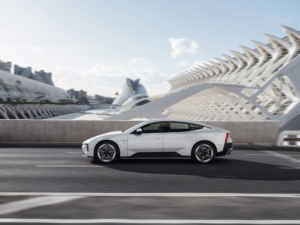
Alpine A390
The Alpine A390 brings Alpine’s performance identity to an all-electric fastback. Its 294kW electric drivetrain produces approximately 400PS, while its five-door layout provides everyday practicality alongside its sporting character. It demonstrates how electric performance is extending beyond conventional sports cars into more versatile models.
Abarth 600e
The Abarth 600e takes a performance-focused approach to the electric crossover format.
Its 175kW electric motor and compact body give it a different character from larger electric SUVs. The Abarth name has a long association with small, lively performance cars, and the 600e transfers that identity into an electric model.
BYD Seal Excellence AWD
The BYD Seal Excellence AWD provides another example of how electric saloons are combining strong performance with everyday usability.
Its dual-motor all-wheel-drive configuration and 390kW output make it one of the more powerful electric cars listed in CVC’s range. It offers a useful comparison with the Hyundai IONIQ 6 N, particularly when considering the growing number of electric saloons competing for buyers’ attention.
Ford Mustang Mach-E
The Ford Mustang Mach-E brings an established performance-car name into the electric SUV market.
Although it is not a direct equivalent to the traditional Mustang sports car, the Mach-E shows how manufacturers are extending familiar model identities into new vehicle types and powertrains.
Its place in the CVC range also provides an example of an electric vehicle that combines performance-oriented branding with the space and practicality of an SUV.
Tesla Model 3 Long Range All-Wheel Drive
The Tesla Model 3 Long Range All-Wheel Drive offers another electric saloon alternative.
Its dual-motor configuration provides all-wheel drive, while the saloon body style gives it a different proposition from the larger electric SUVs in the market. It is also relevant to the wider discussion about how electric vehicles are changing expectations around acceleration and everyday performance.
Businesses considering an electric company car can view the car leasing deals available through CVC to compare the models currently listed. Vehicle availability and specifications can change, so the latest details should be checked when requesting a quotation.
Audi Q4 e-tron 63kWh 204PS S line Auto
The Audi Q4 e-tron 63kWh 204PS S line Auto brings Audi’s premium electric SUV offering into the business car market.
Its 63kWh battery and 204PS electric motor provide a practical combination of everyday performance and zero-emission driving. The S line specification adds a sportier appearance, while the five-seat SUV layout offers the space and versatility expected of a family-focused electric vehicle.
Although it is not a direct rival to the high-performance cars in this year’s competition, the Q4 e-tron demonstrates how businesses can choose an electric company car that combines premium styling, practicality and electric power.
More Than Straight-Line Speed
Britain’s Best Driver’s Car is not simply a competition to identify the vehicle with the highest power output or quickest acceleration time.
The cars have to demonstrate how effectively their performance can be used on real roads and on a circuit. Steering, braking, balance, driver confidence, and the way a vehicle responds to changing conditions all contribute to the overall experience.
That helps explain why the competition includes such a varied selection of models. A lightweight sports car can offer a very different type of enjoyment from a powerful hybrid supercar, while a performance estate has to balance its sporting ability with a much broader range of everyday requirements.
The 2026 result also shows that electrification does not automatically mean sacrificing driver engagement. The Ferrari 296 Speciale’s victory demonstrates how hybrid assistance can form part of a performance-focused package, while the Hyundai IONIQ 6 N’s participation shows that electric cars are increasingly being developed with driving dynamics as a priority.
For manufacturers, the challenge is to ensure that new technology adds to the driving experience rather than simply increasing power figures or adding complexity.
 Call our expert team on