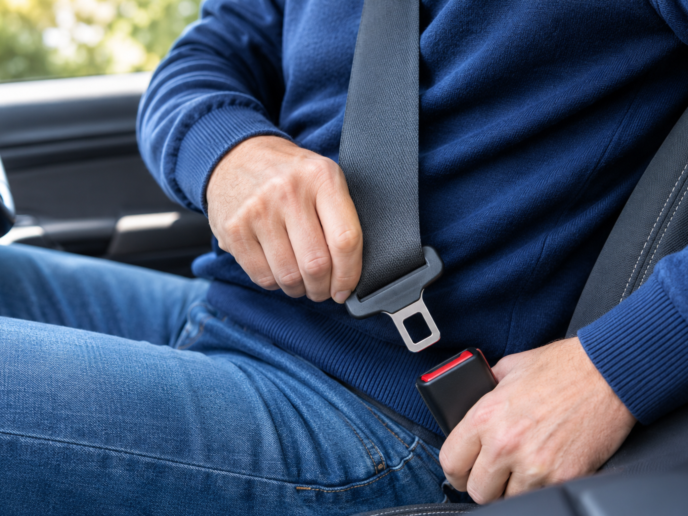
Police forces across the UK recorded more than 107,000 seatbelt enforcement notices over a three-year period, highlighting an ongoing road safety concern for motorists and businesses operating company vehicles.
Research commissioned by Volvo Cars through Freedom of Information (FOI) requests found that 107,969 enforcement notices were issued between 2023 and 2025 by the 37 police forces that provided data. This represents almost 100 notices every day.
Although seatbelts have been a legal requirement in most vehicles for decades, the findings suggest that some motorists continue to overlook one of the most basic precautions when getting behind the wheel.
For businesses operating cars, vans and pickups, the figures also provide an opportunity to review driver safety policies and consider whether employees are receiving sufficient guidance on their responsibilities when using company vehicles.
Seatbelt Offences Remain A Persistent Problem
The figures reveal relatively little change in the number of seatbelt enforcement notices issued over the three-year period.
Police recorded 35,363 notices in 2023, increasing to 37,067 in 2024 before falling slightly to 35,539 in 2025.
A separate analysis involving 21 police forces that supplied comparable figures over a longer period found that enforcement notices increased by 39% between 2019 and 2025.
In 2019, these forces recorded 10,194 notices, compared with 14,164 in 2025. The figure reached a peak of 17,253 in 2024, representing a 69% increase on the 2019 total.
There were also considerable differences between police force areas in 2025.
West Yorkshire recorded the highest number of seatbelt enforcement notices, with 5,062. Devon and Cornwall followed with 2,874, while West Mercia recorded 2,516 and Greater Manchester 2,509.
The figures do not represent every police force in the country, and differences in enforcement activity and available resources may influence the totals. They should therefore be viewed as an indication of the scale of the issue among responding forces rather than a complete national count.
Nevertheless, the findings demonstrate that seatbelt offences remain a regular enforcement issue. Enforcement methods are also evolving. In Scotland, trials of AI cameras are being used to identify potential mobile phone and seatbelt offences, highlighting how technology could play a greater role in monitoring driver behaviour. Read more about Scotland’s AI camera trials targeting mobile phone and seatbelt offences.
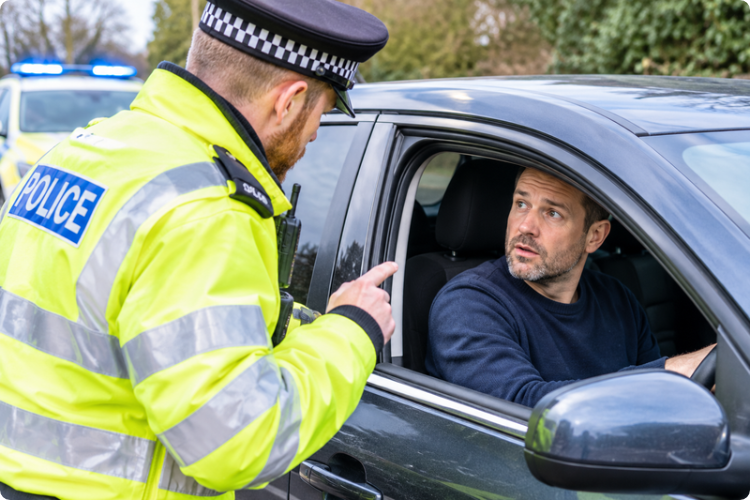
Why Seatbelt Use Cannot Be Overlooked
Seatbelts remain one of the most important safety features fitted to modern vehicles. Despite significant developments in automotive technology, their fundamental purpose has not changed.
During a collision, a seatbelt helps restrain the occupant, reducing the risk of serious injury caused by striking the vehicle’s interior or being thrown from the vehicle.
Airbags, crumple zones and other occupant protection systems are designed to work alongside seatbelts. These technologies should not be viewed as alternatives to wearing one.
The research also highlights the consequences of failing to use this basic safety equipment. In 2025, approximately one in four car occupants killed in reported road collisions in Great Britain were not wearing a seatbelt, among those whose seatbelt status was known.
This reinforces why seatbelt use should never depend on the length of a journey, the type of road or how familiar a driver is with a particular route.
Drivers should also make sure passengers are properly restrained before setting off, rather than assuming everyone has remembered to fasten their seatbelt.
Vehicle Safety Technology Cannot Replace Responsible Driving
Manufacturers continue to introduce new technologies designed to improve occupant protection and reduce the likelihood of collisions.
Volvo, for example, has played a significant role in the development of seatbelt technology since introducing its three-point safety belt in 1959. The company made its patent available to other manufacturers, helping the design become an industry standard.
More recently, Volvo has introduced a multi-adaptive safety belt in its new EX60, using information from vehicle sensors to adjust occupant protection according to the circumstances of a collision.
However, even advanced safety systems cannot remove the need for drivers to follow basic road safety requirements.
This extends beyond seatbelts to other potentially dangerous behaviours, including speeding, distracted driving and mobile phone use. Our articles on speeding and distracted driving among fleet drivers, mobile phone use while driving and the safety risks associated with vehicle touchscreen technology examine some of the wider issues facing businesses and their employees.
What Do The Findings Mean For Company Car And Van Fleets?
For businesses providing employees with company cars, vans and pickups, seatbelt compliance should form part of their wider approach to driver safety.
Employees driving for work may spend considerable amounts of time on the road, increasing their exposure to potential hazards. Businesses therefore have an interest in making sure drivers understand their responsibilities and follow appropriate safety procedures.
A clear company vehicle policy can establish expectations around vehicle use, driver conduct and road safety.
Drivers using leased company vehicles should also understand their individual obligations, from following road traffic legislation to looking after the vehicle and reporting relevant issues. Our guide to leased vehicle driver responsibilities explains what drivers need to know.
Employers should consider including the following areas in their driver policies and communications:
- Seatbelt compliance: Make it clear that drivers and passengers must wear seatbelts where legally required, regardless of journey length.
- Speed limits: Ensure employees understand the speed limits applicable to the vehicles they operate, including commercial vehicles. Van drivers should be particularly aware that standard vans can have lower national speed limits than cars on single and dual carriageways. Our guide to UK speed limits for vans explains the rules for different vehicle types and road classifications.
- Mobile phone use: Reinforce the rules surrounding handheld mobile phone use and other distractions while driving.
- Driver concentration: Encourage employees to remain alert and avoid activities that could take their attention away from the road.
- Driver licence checks: Regularly check that employees remain legally entitled to drive their allocated vehicles.
- Fatigue management: Make sure journeys are planned realistically, with suitable opportunities for drivers to rest. Driver wellbeing should also form part of a wider safety strategy, particularly where employees spend extended periods behind the wheel. Our article on Driver Health Week and the importance of driver wellbeing explores why this matters to UK fleets.
Businesses can also refer to the National Work-Related Road Safety Charter when reviewing how they manage driving risks and promote safer working practices.
How Can Fleet Managers Improve Driver Safety?
Addressing unsafe driving behaviour requires more than issuing a policy and expecting employees to follow it.
Fleet managers should regularly review their procedures, communicate expectations and identify areas where additional guidance or training may be beneficial.
A structured fleet risk assessment can help businesses identify potential hazards associated with their vehicles, drivers and working practices.
Other practical measures include:
- Regular driver communications: Share reminders about seatbelt use, road regulations and safe driving expectations.
- Driver training: Provide appropriate guidance where employees require additional support or have demonstrated unsafe driving behaviour.
- Incident monitoring: Review accidents, reported offences and recurring concerns to identify potential patterns. When an accident occurs, businesses should have clear procedures for reporting incidents, supporting drivers and reviewing what happened. Our guide to company vehicle accident procedures explains the steps fleet managers should take following an incident, including reporting requirements and managing the aftermath.
- Licence monitoring: Carry out regular company vehicle driving licence checks to establish whether employees remain eligible to drive.
- Management involvement: Make sure supervisors and managers demonstrate the same standards expected of other employees.
The wider issue of driver behaviour is particularly important for businesses managing multiple vehicles and employees across different locations. Consistent procedures can help establish a stronger safety culture rather than treating each incident as an isolated problem.
Ultimately, safer fleet operations depend on both the condition of the vehicles and the behaviour of the people driving them.

 Call our expert team on