Tesla’s long-awaited next-generation Roadster has finally been unveiled, with the electric performance car making headlines for more than its headline-grabbing acceleration. A series of dramatic demonstrations showcased a vehicle capable of performing mid-air manoeuvres using compressed-air propulsion, although questions remain over its final specifications, road legality and production timeline.
Tesla Roadster Returns With An Ambitious New Design
First announced in November 2017, the next-generation Tesla Roadster has endured years of delays. Its latest unveiling in McGregor, Texas, has brought the project back into the spotlight. The Roadster is one of several vehicles shaping Tesla’s future, as explored in our guide to Tesla’s current and upcoming models.
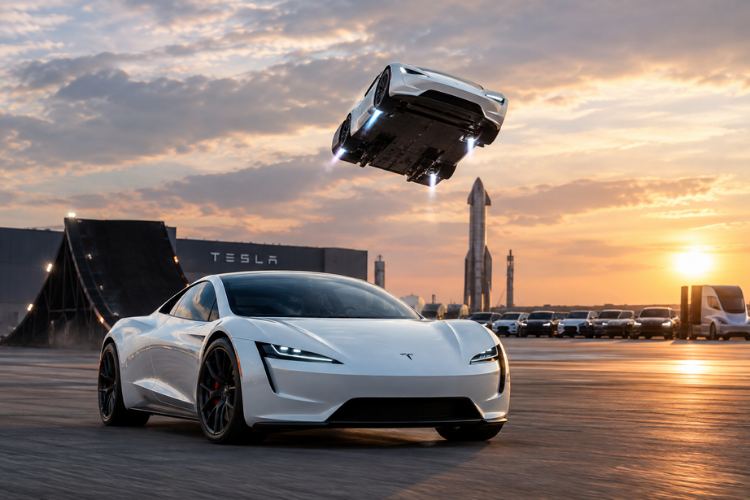
The most eye-catching part of the launch was a demonstration in which the Roadster travelled upside down along a ramp before using propulsion equipment mounted beneath and around the vehicle to rotate in mid-air and return to the ground.
Tesla CEO Elon Musk described the project as a collaboration between Tesla and its aerospace sister company, SpaceX. The demonstration featured technology that, if developed into a production-ready system, would take the Roadster well beyond the capabilities normally associated with a road-going electric car. The announcement also adds to Tesla’s ongoing development of unconventional vehicle technology, including the braking system explored in our report on the Tesla Cybercab.
Tesla also demonstrated a manoeuvre resembling a kickflip, with the vehicle lifting into the air and rolling over a display of the company’s wider vehicle range, including the Tesla Semi.
However, these demonstrations raise important questions about how much of the technology will make it into customer vehicles and what restrictions might apply to its use.
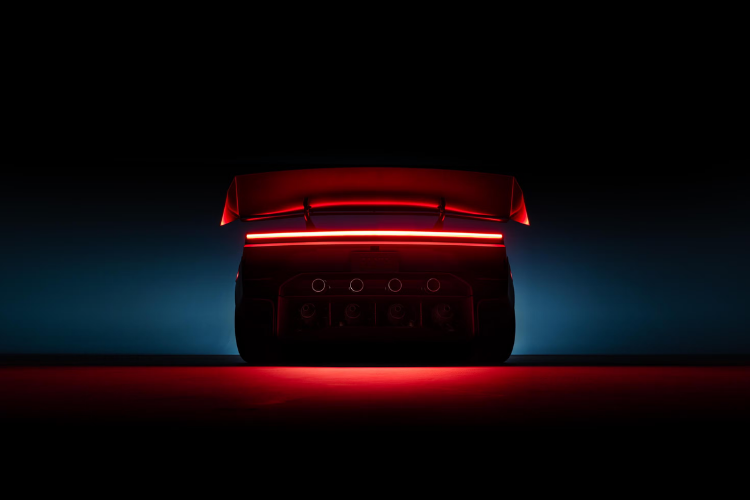
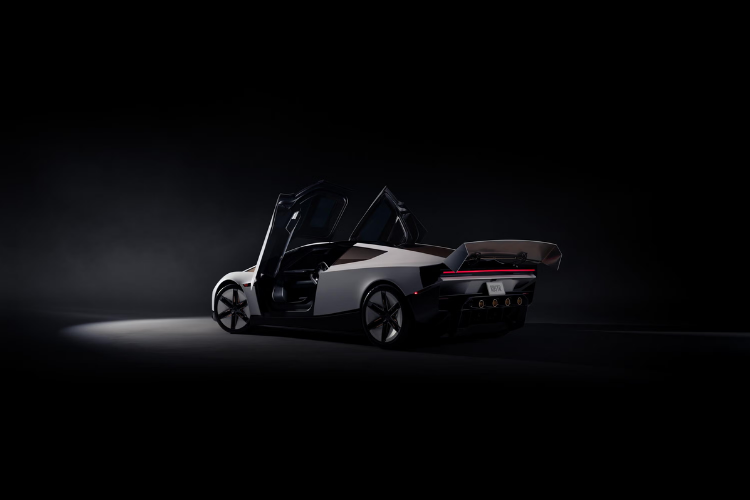
Acceleration Figures That Challenge Conventional Supercars
Performance is another major part of Tesla’s latest Roadster announcement. During the unveiling, the car reportedly accelerated from 0–60mph in approximately 0.81 seconds. The next-generation Roadster is part of a wider lineup of vehicles that has helped define Tesla’s approach to electric mobility. Our guide to Tesla vehicles explained looks at the models behind the brand and its plans for the future.
If independently verified under comparable testing conditions, that would represent an extraordinary acceleration figure, surpassing the quoted performance of even some of the world’s quickest electric hypercars.
Tesla says the production version could be faster still, although the forces involved may become a limiting factor for the person behind the wheel.
Top-speed claims are less straightforward. Tesla’s vice-president of vehicle engineering, Lars Moravy, reportedly referenced a maximum speed of 230mph, while Musk subsequently suggested the car could potentially reach around Mach 0.5 — approximately 370mph under typical atmospheric conditions.
These figures have not been reconciled, and the manufacturer has yet to provide a complete, independently verified technical specification.
For now, the acceleration and maximum-speed claims should be treated as manufacturer statements rather than established production-car performance.
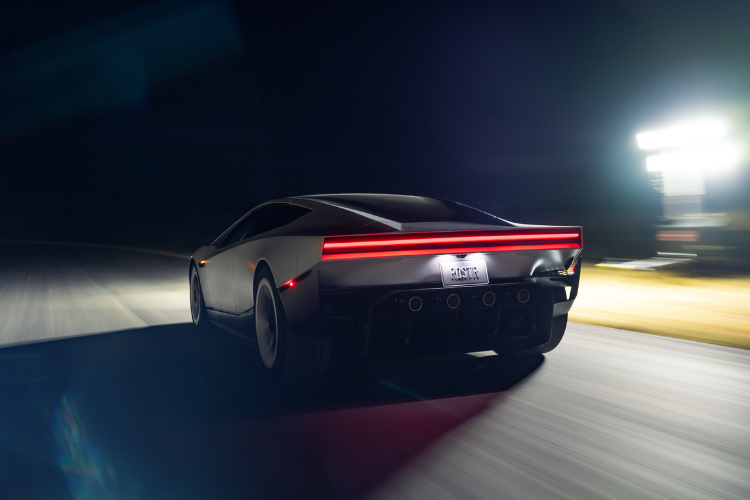
Suction Technology And Compressed-Air Propulsion
The Roadster’s unusual demonstrations rely on two key technologies described during the unveiling.
The first is a suction-based system designed to generate substantial force between the underside of the vehicle and a surface. Tesla presented this as a way of keeping the car attached to a ramp while upside down, while also potentially increasing downforce during high-speed cornering.
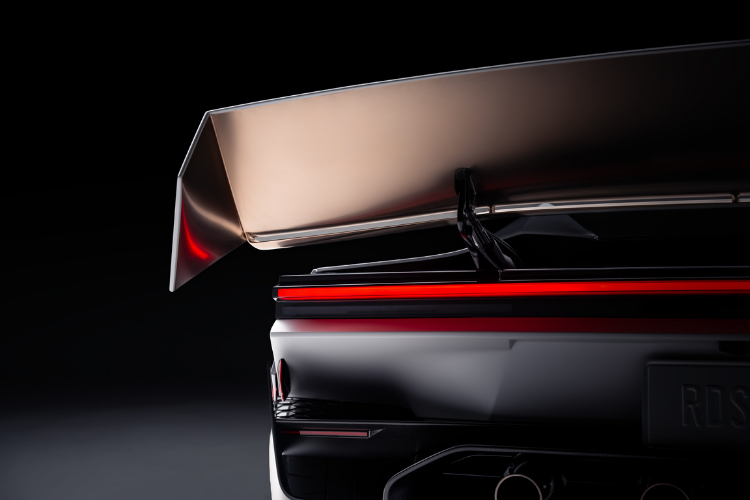
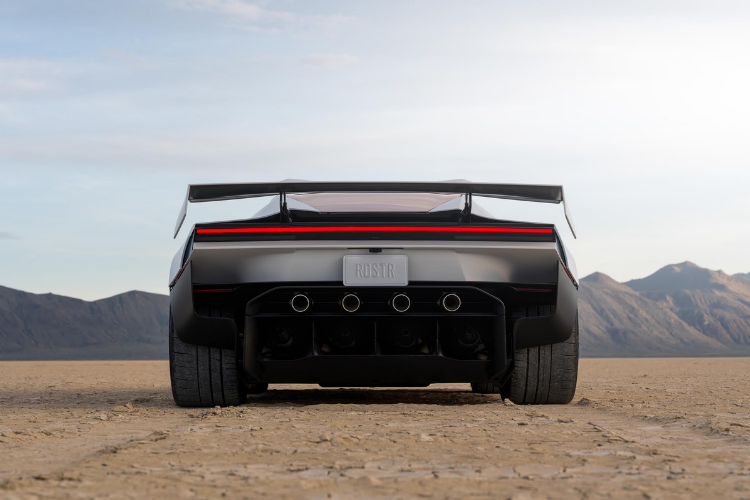
An adjustable rear wing is intended to complement this system, altering aerodynamic downforce according to driving conditions.
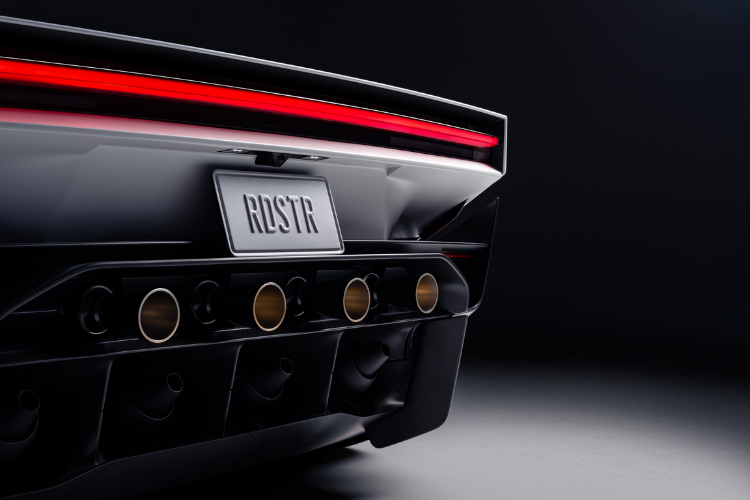
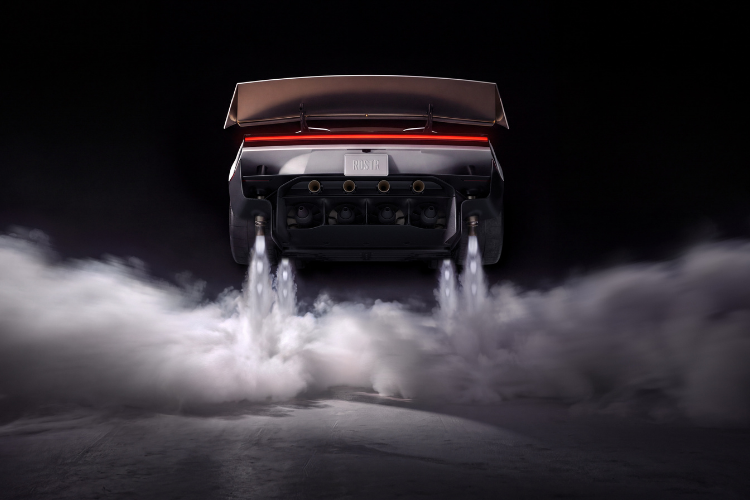
The second technology involves compressed-air propulsion equipment reportedly developed with SpaceX. A series of nozzles uses pressurised air to generate thrust, allowing the car to move upwards or sideways during demonstrations.
Tesla has not yet provided sufficient technical detail to establish the system’s operating range, energy requirements, practical limitations or suitability for everyday use.
Although the launch showcased the car leaving the ground, important distinctions remain between a controlled demonstration and a vehicle capable of sustained, practical flight. It is also unclear whether the full system will be available to customers in markets where strict road-vehicle regulations apply.
Tesla’s ambitions extend beyond electric performance, with driver-assistance technology also playing a major role in its wider strategy. Read our guide to Tesla assisted driving in Europe to understand the technology and its position in the European market.
Inside The Two-Seat Electric Roadster
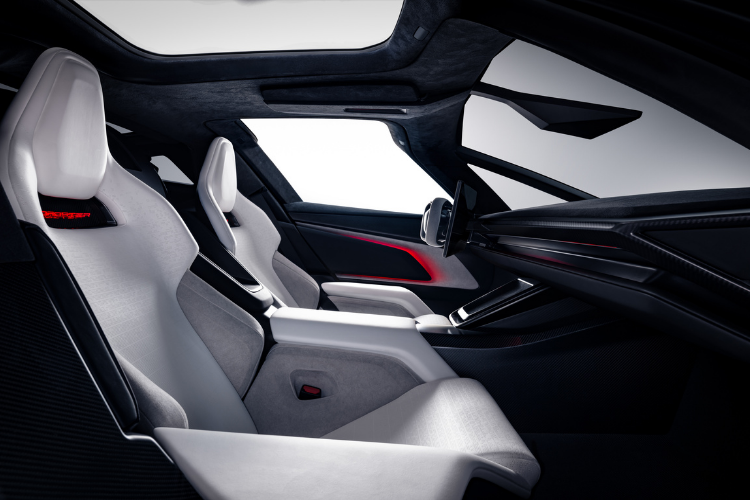
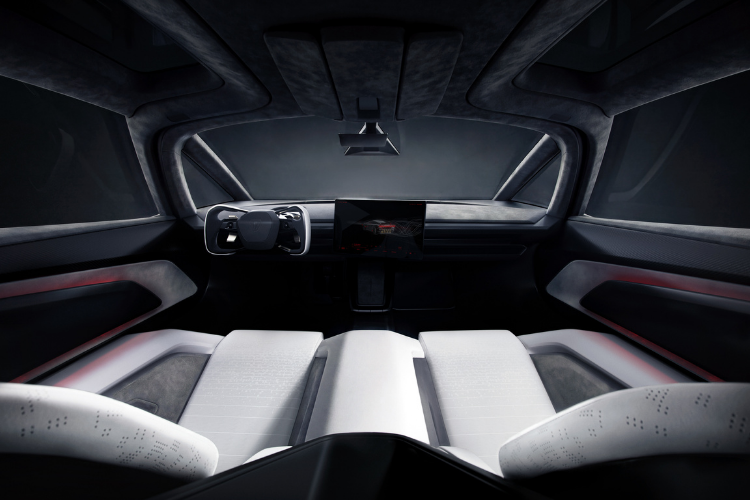
The cabin follows a minimalist approach familiar from other Tesla models, with a two-seat layout, a yoke-style steering control and a large central infotainment display.
Microsuede features prominently in the interior, including the seating and trim details. Tesla presented the car in a white exterior finish paired with an interior described as “Iconic Ultrawhite”.
Despite the dramatic performance demonstrations, several fundamental details remain undisclosed. These include the battery’s capacity, the expected driving range, charging performance, motor configuration and the complete powertrain specification.
These omissions make it difficult to assess the Roadster as a practical electric vehicle, particularly for buyers comparing it with established high-performance models.
Although the Roadster is aimed at the high-performance end of the electric car market, most drivers will have different priorities when choosing their next vehicle. Our guide to the top 10 electric cars to lease in 2026 compares alternatives for private motorists, company car drivers and salary sacrifice schemes.
Three Roadster Versions, With Substantial Upfront Reservations
Tesla outlined three versions of the Roadster, with different levels of performance equipment and access to the propulsion technology.
| Version | Main features | Reservation payment |
|---|---|---|
| Performance | Two-seat configuration, active rear wing and multi-mode suction system | $5,000 upfront, plus $45,000 within 10 days |
| Thrust | Performance equipment plus acceleration thrusters | $5,000 upfront, plus $245,000 within 10 days |
| Rocket | Single-seat configuration with the full flight system | Invitation-only; pricing and availability details remain unclear |
The Performance and Thrust versions were presented as reservation options, while access to the Rocket variant is restricted to invited customers. Tesla also indicated that availability of the Thrust version would depend on regional legal requirements and applicable laws.
Crucially, these payments represent reservation commitments rather than confirmed final vehicle prices. Tesla has not provided a complete pricing structure for any of the three versions.
The substantial sums involved, combined with the limited technical information available, mean prospective buyers will need to weigh the financial commitment against considerable uncertainty about the final production vehicles.
When Will The Tesla Roadster Reach Customers?
Musk said production is expected to begin in 2028, although no precise start date or customer-delivery schedule has been confirmed.
That target follows an exceptionally long development period: the current-generation Roadster was originally announced in 2017. Its repeated delays make the latest production estimate an important milestone, but not a guarantee that vehicles will reach customers on schedule.
Tesla still needs to clarify the production specifications, performance figures, pricing, reservation terms and regulatory position of the different versions.
The flying demonstration has undoubtedly created headlines, but the more meaningful test will be whether Tesla can translate its most ambitious claims into a finished vehicle that customers can actually buy and use.
 Call our expert team on