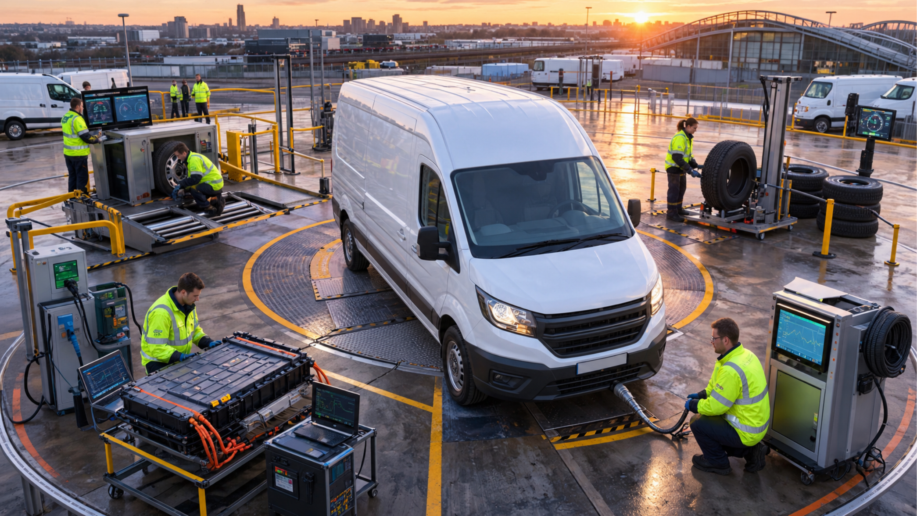
The UK Government is considering plans to introduce Euro 7 emissions standards for new cars and vans sold in Great Britain, with the proposed rules covering all new registrations from 29 November 2027.
The Department for Transport (DfT) launched a consultation in April 2026 to explore aligning Great Britain with the latest European Union vehicle emissions requirements. The proposed changes go beyond exhaust emissions, introducing new limits for brake and tyre particles, durability requirements for electric vehicle batteries and additional safeguards against emissions-system tampering.
However, the proposals are not yet law. The consultation closed on 25 May 2026, and the Government’s response and any subsequent legislation should be checked before publication.
For motorists, businesses and fleet operators considering their next vehicle, the proposals could influence future vehicle specifications, electric car battery information and the standards manufacturers must meet before new vehicles can be registered.
What Is Euro 7 and Why Is It Being Proposed?
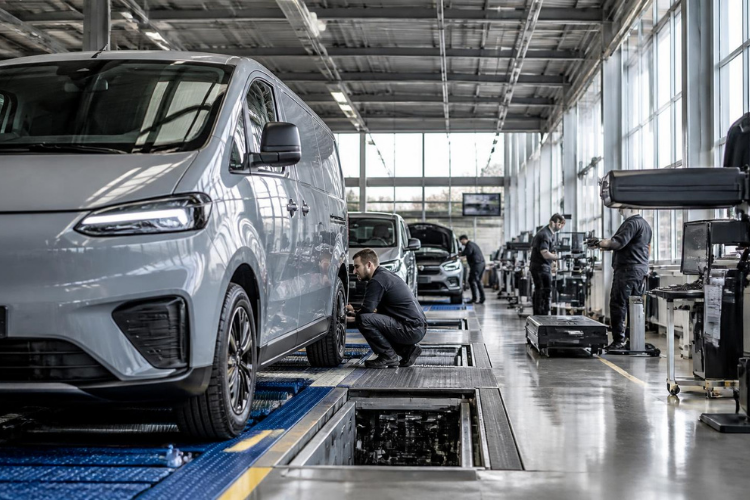
Euro 7 is the latest European vehicle emissions standard, designed to strengthen environmental requirements for new cars, vans, trucks, buses and coaches.
In Great Britain, the current minimum emissions standard for new cars and vans is Euro 6d. Northern Ireland follows the newer Euro 6e requirements under the Windsor Framework.
The DfT’s proposal would bring Great Britain into line with Euro 7, helping maintain consistency with European vehicle approval requirements and reducing the need for manufacturers to meet different technical standards across markets. The proposals form part of a wider regulatory picture, with the Government also considering changes to UK vehicle safety and type approval rules.
The consultation also seeks to improve air quality, strengthen confidence in the used electric vehicle market and reduce unnecessary administrative costs for manufacturers.
Importantly, Euro 7 is not simply another tightening of exhaust emission limits. It introduces additional requirements covering pollution generated by brakes and tyres, battery performance over time and the monitoring of vehicle emissions systems.
The Main Changes Under the Proposed Euro 7 Standard
The proposed rules would introduce several changes affecting the design, testing and approval of new vehicles.
| Proposed change | What it means |
|---|---|
| Exhaust emissions | Smaller particles would be covered by particle-number limits, with longer-lasting emissions compliance requirements. |
| Brake wear | New limits would address particulate pollution generated as brakes wear down. |
| Tyre abrasion | Tyre-related particle emissions would be subject to new requirements. |
| Electric vehicle batteries | Minimum battery capacity retention requirements would apply over specified periods and mileage. |
| Battery health information | Vehicles would need accessible and comparable battery health monitoring. |
| On-board emissions monitoring | Systems would monitor exhaust emissions and help identify when repairs may be necessary. |
| Anti-tampering protection | Manufacturers would need to protect emissions control and engine management systems against interference. |
These requirements would apply to vehicles covered by the new approval rules, rather than retrospectively making existing cars and vans illegal.
Exhaust Emissions: What Would Change?
Under the proposal, the existing pollutant limits for cars and vans would remain broadly unchanged from Euro 6e. However, the way certain particles are measured would change.
Euro 7 moves the particle-number measurement threshold from PN23 to PN10, bringing smaller particles within the scope of the requirements. The standard would also extend durability and lifetime compliance obligations, requiring vehicles to continue meeting the relevant emissions requirements for longer.
This reflects a wider effort to ensure that emissions performance is maintained beyond the initial approval and testing process.
For businesses operating leased vehicles over several years, the change is particularly relevant to the standards future vehicles will need to meet. It would not, however, mean that existing leased vehicles automatically become non-compliant.
Vehicle emissions standards and local clean air zone rules are separate considerations, so businesses operating in affected areas should also check our guide to UK clean air zones and low emission zones.
Brake and Tyre Pollution Comes Under Greater Scrutiny
One of the most significant aspects of Euro 7 is its focus on pollution that does not come directly from the exhaust.
Brake components release particles as they wear, while tyres generate particulate matter through contact with the road. These emissions are particularly important as the vehicle market moves towards electrification, because electric cars still generate tyre and brake particles.
The DfT cites the UK’s National Atmospheric Emissions Inventory, which identifies non-exhaust emissions from brakes and tyres as a major source of fine particulate pollution from road transport.
Euro 7 would introduce specific requirements for brake wear and tyre abrasion, extending emissions regulation beyond the traditional focus on petrol and diesel engines.
For manufacturers, this could influence component design and vehicle development. For drivers and fleet managers, it represents another area of environmental performance that will increasingly form part of new vehicle standards. Regardless of future emissions requirements, regular inspections and servicing remain important for keeping business vehicles roadworthy. Our guide to vehicle maintenance explains the role of routine maintenance in keeping vehicles in good condition.
New Battery Durability Rules for Electric Cars and Plug-In Hybrids
Euro 7 would introduce minimum battery capacity retention requirements for battery-electric vehicles and plug-in hybrid electric vehicles.
These requirements would establish minimum levels of battery capacity that vehicles must retain over defined periods and mileage limits.
The proposals would also require accurate, accessible and comparable battery health monitoring. This would give buyers more consistent information about battery condition, supporting greater transparency when purchasing a used electric vehicle.
Battery health is an important consideration when evaluating a second-hand EV, as its remaining capacity can influence usable driving range and the vehicle’s suitability for different journeys.
Standardised information could therefore help buyers compare vehicles more confidently, although it would not remove the need to assess an individual vehicle’s condition.
For businesses considering electric vehicle leasing, battery durability is another development to monitor when assessing vehicle suitability over a planned contract period.
You can also read our guide to BEV, PHEV, HEV and ICE powertrains for an explanation of the main vehicle technologies and how they differ. For businesses assessing whether electric vehicles are suitable for their operations, our guide to switching to an electric vehicle explains some of the practical considerations involved in making the transition.
Emissions Monitoring and Protection Against Tampering
The proposed standard would introduce further requirements for on-board emissions monitoring.
Vehicles would need systems capable of monitoring exhaust emissions in real time and warning drivers when an emissions control system may require attention or repair.
Manufacturers would also be required to protect emissions control and engine management systems against tampering.
These measures are intended to make it more difficult to interfere with systems designed to control pollution and to help identify potential problems with emissions performance.
For fleet operators, emissions-system reliability and vehicle maintenance remain important considerations throughout a vehicle’s working life. Euro 7 would add requirements at the vehicle approval stage, rather than replacing the need for appropriate servicing and maintenance once a vehicle is in use.
Euro 7 Implementation Dates: The Proposed Timetable
The DfT consultation proposes a phased introduction, broadly following the European Union’s implementation schedule.
The key dates for cars and vans are:
| Proposed date | Requirement |
|---|---|
| 29 November 2026 | New car and van types would need to meet Euro 7 approval requirements. |
| 29 November 2027 | Euro 7 would apply to all new car and van registrations. |
| 30 June 2030 | Proposed final registration date for older-standard vehicles from small-volume manufacturers. |
| 1 July 2030 | Euro 7 would apply to all new registrations from small-volume manufacturers. |
Under the proposal, cars and vans approved to Euro 6d or Euro 6e could be registered until 28 November 2027, subject to the applicable transitional arrangements.
Separate dates would apply to tyres and heavy-duty vehicles.
| Proposed date | Vehicle category or requirement |
|---|---|
| 29 May 2028 | Euro 7 for new types of trucks, buses and coaches. |
| 1 July 2028 | New requirements for car tyres. |
| 29 May 2029 | Euro 7 for all new registrations of trucks, buses and coaches. |
| 1 April 2030 | New requirements for van tyres. |
| 1 April 2032 | New requirements for truck and bus tyres. |
The DfT has indicated that heavy-duty vehicle requirements will need further consultation as the relevant legislation develops.
These dates remain proposed implementation dates for Great Britain and should not be treated as confirmed legal deadlines until the necessary legislation is made.
Could Euro 7 Increase New Car and Van Prices?
The consultation does not provide a specific estimate of how much Euro 7 would add to the purchase price or leasing cost of a new vehicle.
Manufacturers would need to ensure that vehicles comply with the applicable technical requirements, including the new provisions covering brake particles, tyre abrasion, battery durability and emissions monitoring. The eventual commercial impact would depend on how manufacturers meet those requirements and how any associated costs are reflected in the market.
It would therefore be premature to attach a specific price increase to the proposals.
For businesses planning fleet renewals, the more practical approach is to consider the timing of replacement vehicles, the length of existing contracts and the suitability of different powertrains for future requirements.
Euro 7 would not, by itself, mean that vehicles already on the road need to be replaced.
What Could Euro 7 Mean for Plug-In Hybrid Company Cars?
The consultation also addresses the calculation of official CO₂ emissions figures for plug-in hybrid electric vehicles (PHEVs).
According to the DfT, real-world CO₂ emissions from plug-in hybrids are almost 2.5 times higher than the figures recorded under the existing testing cycle. Updated calculations are intended to narrow this gap.
Higher official CO₂ figures could affect benefit-in-kind (BIK) tax for some company car drivers, depending on the vehicle and the applicable tax rules.
The Government has introduced a UK-wide BIK tax easement for plug-in hybrids, applying retrospectively from January 2025 until April 2028. The DfT states that this would also cover vehicles approved to Euro 7 if the standard is adopted in Great Britain.
The Government also intends to preserve relevant flexibility under the Vehicle Emissions Trading Schemes rules, allowing manufacturers to use specified Euro 6d CO₂ figures for compliance where the relevant conditions are met.
Company car drivers and fleet managers should therefore consider the applicable tax rules for their specific vehicles rather than assuming that the proposed emissions standard will automatically change their tax liability. For further context on the tax considerations surrounding plug-in hybrids, read our guide to PHEVs and benefit-in-kind tax in 2026/27.
Vehicle Compliance Testing: A Separate Issue in the Consultation
Alongside the proposed emissions requirements, the DfT is seeking changes to how vehicles are checked to ensure they continue meeting their approved emissions standards while in service.
This process is known as in-service conformity testing. It involves laboratory and on-road checks to establish whether vehicles continue to comply with the standards against which they were approved.
Under the existing requirements described in the consultation, the Vehicle Certification Agency (VCA) must verify 5% of each manufacturer’s testing families, or at least two families per manufacturer each year.
The DfT says the VCA checked 21 vehicles from seven testing families in 2025. It forecasts that the number of vehicles requiring checks could rise to 72 in 2026 and 222 in 2027 as the Great Britain type approval system expands.
The department argues that this level of testing would be difficult to deliver because of staffing, supplier capacity and competing priorities.
It therefore proposes replacing the mandatory minimum testing requirement with a more flexible, risk-based approach. This would include optional testing of at least one family per manufacturer annually, supported by a minimum overall volume of testing.
The intention is to prioritise vehicles or testing families considered most at risk of failing to comply.
This is a separate part of the consultation from the technical Euro 7 requirements themselves. It concerns how compliance is checked and enforced, and the final approach will depend on the Government’s decisions.
What Should Businesses and Drivers Do Now?
For now, there is no need to change an existing vehicle or bring forward a replacement purely because of the Euro 7 proposals.
Businesses planning new vehicle orders can take several practical steps:
- Review fleet replacement plans. If vehicles are due for replacement in late 2027, keep the proposed registration timetable in mind when discussing orders with suppliers.
- Check vehicle approval and registration dates. For vehicles ordered close to a potential implementation deadline, confirm the applicable approval standard and whether the vehicle can be registered under the rules in force at the time.
- Consider electric vehicle suitability. Battery durability and standardised battery health information could become increasingly relevant when assessing electric vehicles for business use.
- Review company car tax arrangements. Businesses operating plug-in hybrids should check the applicable BIK rules and any relevant transitional provisions with their tax adviser.
- Plan around operational needs. Vehicle selection should continue to reflect payload, range, running costs, contract length and the requirements of individual drivers and businesses.
Businesses planning future replacements may also benefit from understanding fleet lifecycle management, including how vehicle selection, contract length and replacement timing fit into a wider fleet strategy.
CVC can help businesses assess vehicle leasing options across petrol, diesel, hybrid and electric models, with the choice tailored to their operational requirements. Businesses considering their next contract can also read our guide to business contract hire to understand how this leasing option works.
For further information, visit our fleet management solutions page.
 Call our expert team on