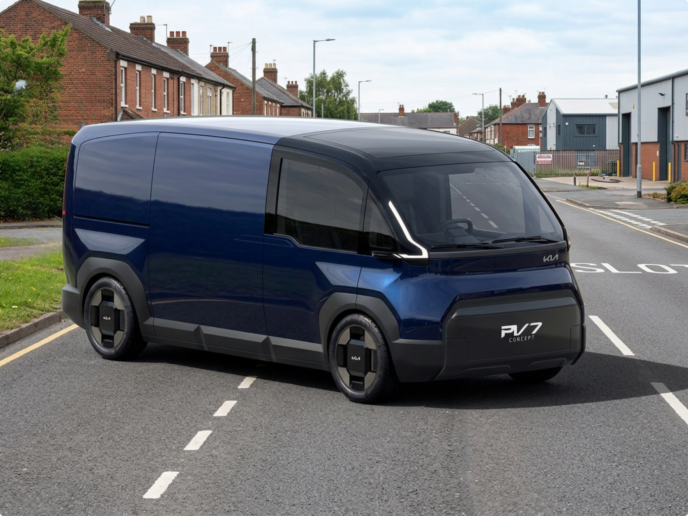
Kia is preparing to expand its electric commercial vehicle range with the Kia PV7, a large electric panel van designed to give businesses more cargo space and greater flexibility than the smaller PV5.
The PV7 will expand Kia’s Platform Beyond Vehicle (PBV) range, building on the technology and dedicated electric architecture used by the Kia PV5 while targeting businesses with greater space and transport requirements.
As a large electric van, the PV7 is expected to appeal to businesses that need additional cargo capacity without moving into a heavier vehicle category. Potential users could include furniture delivery companies, appliance installers, logistics operators and businesses transporting bulky equipment.
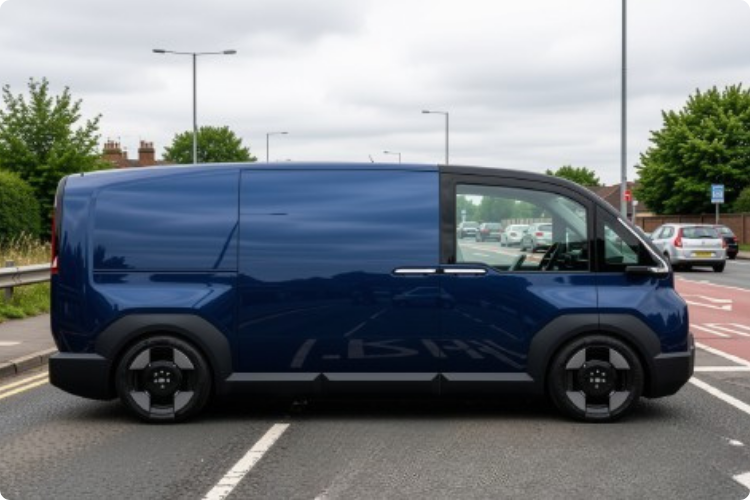
Kia PV7 Electric Van Preview
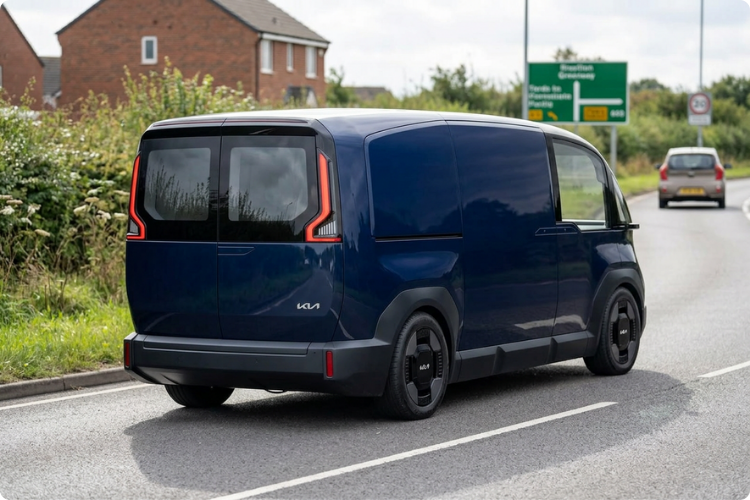
Kia has released a series of preview images providing an early look at the upcoming PV7 ahead of its official unveiling.
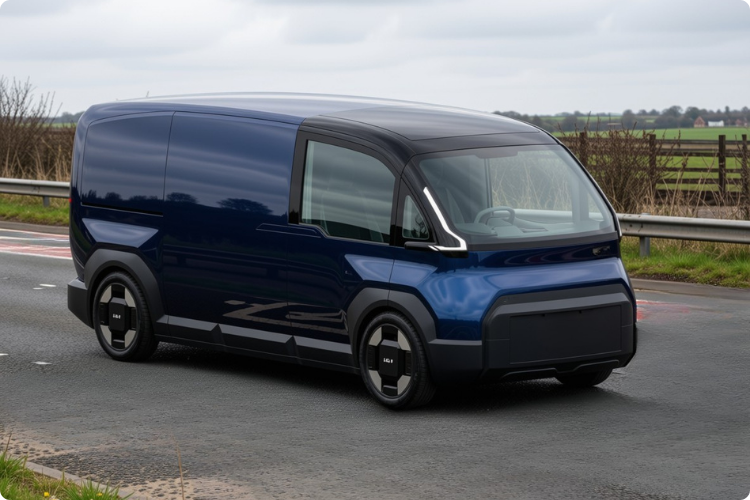
The images show several of the van’s exterior design features, including distinctive lighting elements at the front and rear, along with dark detailing around the bonnet and pillars.
While the images do not reveal the full production vehicle, they provide an indication of how Kia intends to differentiate the PV7 from the smaller PV5.
The PV7 is being developed using Kia’s E-GMP.S platform, which has been specifically designed to support the company’s PBV commercial vehicle strategy.
Kia is positioning the PV7 as an important part of its plans to expand its presence in the electric commercial vehicle market, with the model expected to offer greater practicality for businesses that have outgrown the cargo capacity of smaller electric vans.
A Larger Electric Van For Business
The PV7 will sit above the PV5 within Kia’s electric van range, giving customers another option when choosing an electric commercial vehicle. Businesses looking at alternatives can also consider vehicles such as the Volkswagen ID. Buzz Cargo as part of the growing electric van market.
Businesses considering Kia’s electric van range can also compare the Kia PV5 with the Volkswagen ID. Buzz when deciding which type of electric van best suits their requirements.
Its increased size and cargo capacity should make it particularly relevant to businesses where load volume is a priority.
For example, a furniture company may need to transport larger items on a regular basis, while an appliance delivery business could benefit from having sufficient space for bulky products and associated equipment.
The larger body could also make the PV7 suitable for businesses carrying tools, materials or equipment that would be difficult to accommodate in a compact or medium-sized electric van.
Kia has indicated that the PV7 will be designed around a range of commercial applications rather than being restricted to a single type of business.
Kia PV7 Electric Van Launch
The Kia PV7 will make its world premiere at IAA Transportation in Hannover, Germany, on 14 September 2026.
The event will provide the first opportunity to see the production version of the electric van, as well as learn more about its specifications, technology and intended applications.
Kia has confirmed that the PV7 will join its PBV line-up in 2027.
However, details for the UK market have yet to be confirmed, including the exact launch date, available specifications and pricing.
This means UK businesses considering an electric van will have to wait for further information before it is possible to assess the PV7 fully against established rivals in the large electric van market.
Kia PV7 Technology And Software
Kia’s PBV strategy extends beyond simply producing electric vans.
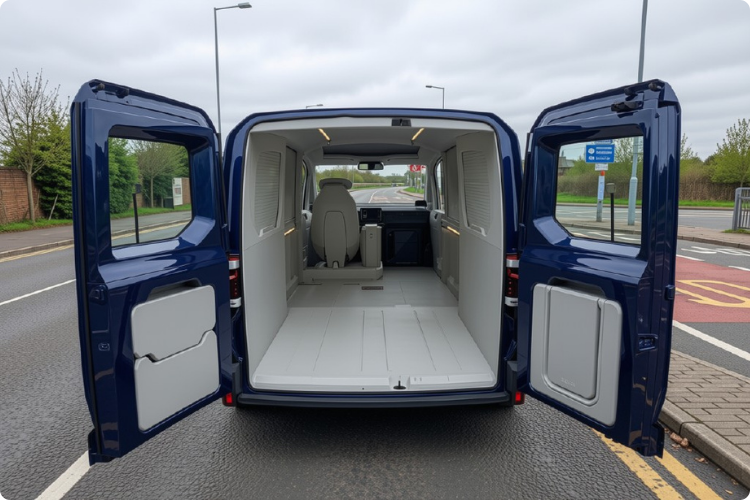
The company is developing its commercial vehicles around software, connectivity and technology, with the aim of providing businesses with a more integrated approach to vehicle and fleet management. This could become increasingly relevant as businesses adopt more sophisticated fleet management solutions to monitor vehicles, manage drivers and improve fleet efficiency.
The PV7 is expected to build on this approach, bringing additional software-based functions and connected services alongside its electric powertrain. For fleet operators, this could help provide greater visibility of vehicle use, journeys and day-to-day operations as electric commercial vehicles become increasingly connected.
Kia Expanding The PV5 Range
The PV7 will not be the only PBV model Kia is showcasing as the company continues to expand its commercial vehicle offering.
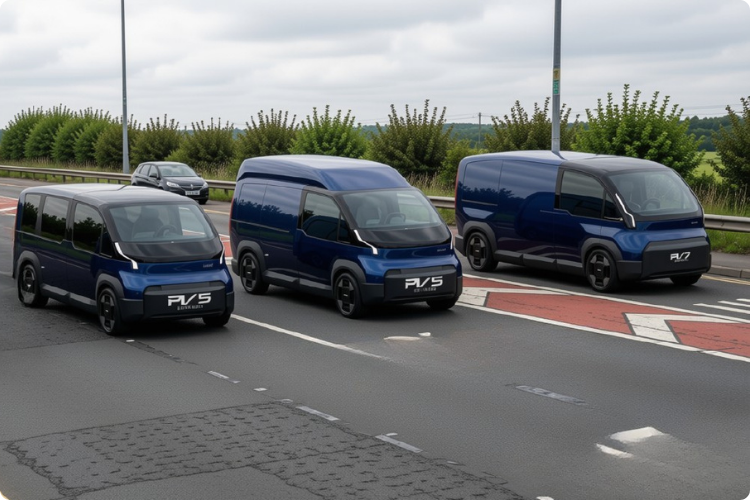
Kia is also developing additional versions of the PV5, giving businesses more choice across different applications. Businesses considering the current model can view the Kia PV5 Cargo for a closer look at its specification and commercial capabilities. Kia PV5 Chassis Cab is one example of how the PBV platform can be adapted for specialist commercial vehicle requirements.
These include Cargo L2/H2 and L1/H1 versions, as well as chassis cab, passenger, wheelchair-accessible and food truck configurations.
The wider range demonstrates how Kia intends to use the PBV platform for different business requirements rather than concentrating solely on conventional panel vans.
This flexibility could become an important part of Kia’s commercial vehicle strategy as more businesses consider switching from petrol and diesel vans to electric alternatives.
Kia PV7 For UK Businesses
The arrival of the PV7 will give UK businesses another option when considering a larger electric van, at a time when the choice of electric vans available to UK businesses continues to expand.
Although the UK specification has yet to be announced, the combination of a larger body, electric powertrain, connected technology and multiple potential applications could make the PV7 an interesting alternative to existing electric vans.
For businesses that need more carrying capacity than a smaller electric van can provide, the PV7 could potentially fill an important gap within Kia’s range, particularly as more businesses consider electric van leasing as part of their fleet transition.
More information should become available following its official debut, including details of the vehicle’s battery, driving range, charging capability, payload and UK availability.
For now, the Kia PV7 represents Kia’s next major step into the larger electric van market, building on the foundations established by the PV5 and giving businesses another potential route towards electrifying their commercial vehicle fleets.
 Call our expert team on
  Drop us a message