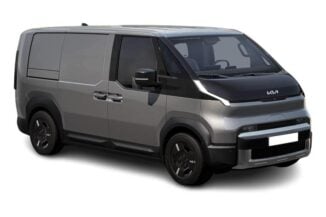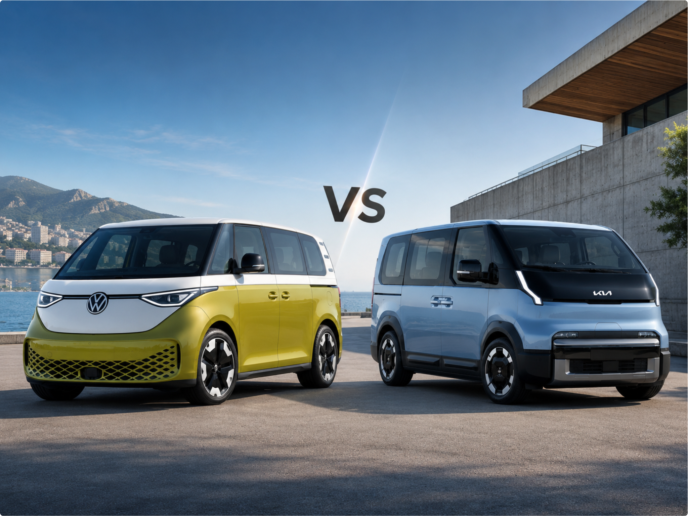
The electric van market is evolving rapidly, and two standout models are shaping very different visions of the future: the retro-inspired Volkswagen ID. Buzz and Kia’s futuristic modular utility vehicle, the Kia PV5.
While both are fully electric vans built for the future of mobility, they take very different approaches. The Volkswagen ID. Buzz range blends retro-inspired design with family-friendly practicality, while the Kia PV5 range has been engineered as a highly modular platform for both passenger transport and commercial fleet operations.
In this in-depth comparison of ID. Buzz vs Kia PV5, we break down design, performance, interior flexibility, technology, and real-world usability to help you understand which electric van leads the next generation of mobility.
Overview: Two Different Visions of Electric Vans
The ID. Buzz range is Volkswagen’s modern interpretation of the classic Microbus, built on the MEB platform and offered in both Passenger and Cargo variants. While the passenger model targets families and lifestyle buyers, the Cargo version extends the range into the commercial vehicle market.
The Kia PV5, on the other hand, is part of Kia’s “Platform Beyond Vehicle (PBV)” strategy. It is designed from the ground up as a modular electric vehicle system, targeting logistics companies, ride-hailing fleets, and adaptable commercial applications.
At a glance:
- ID. Buzz = lifestyle electric MPV
- PV5 = modular electric business platform
Both manufacturers also offer dedicated Cargo variants, extending these platforms into the growing electric commercial vehicle market.
Design: Retro Identity vs Futuristic Function
Design is one of the clearest differentiators in the ID. Buzz vs Kia PV5 comparison.
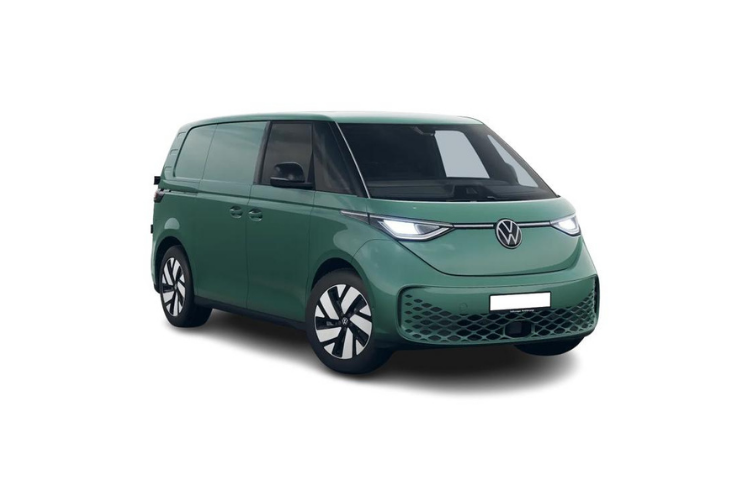
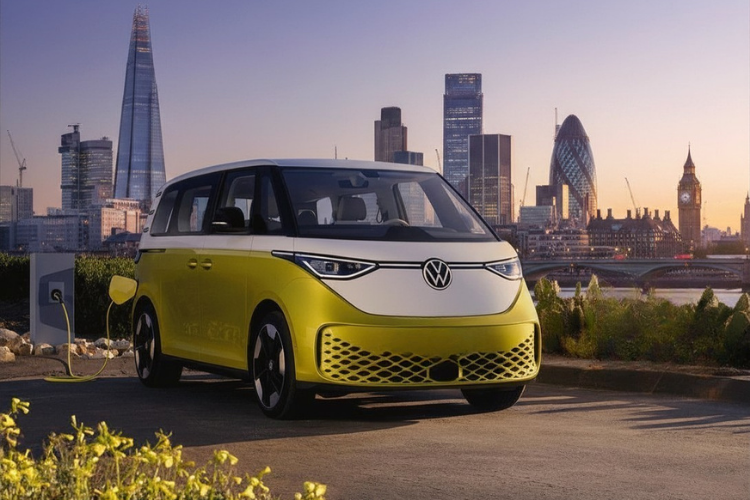
The Volkswagen ID. Buzz embraces nostalgia. Its rounded silhouette, short overhangs, and two-tone colour options make it instantly recognisable. It is designed to stand out, appeal emotionally, and connect with Volkswagen’s heritage.
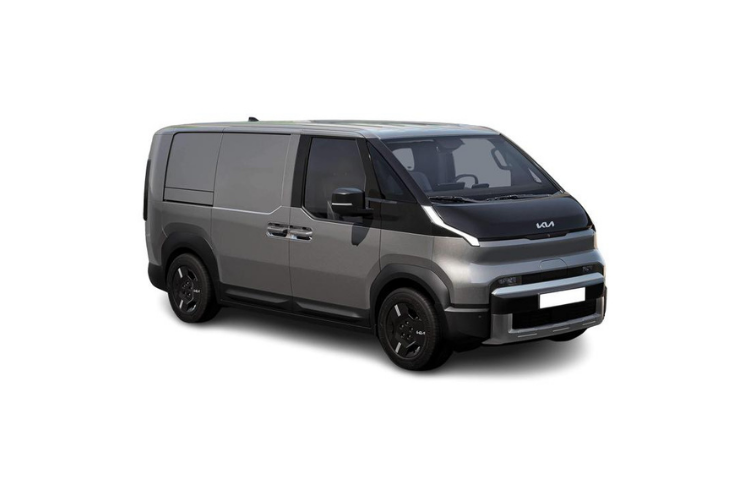
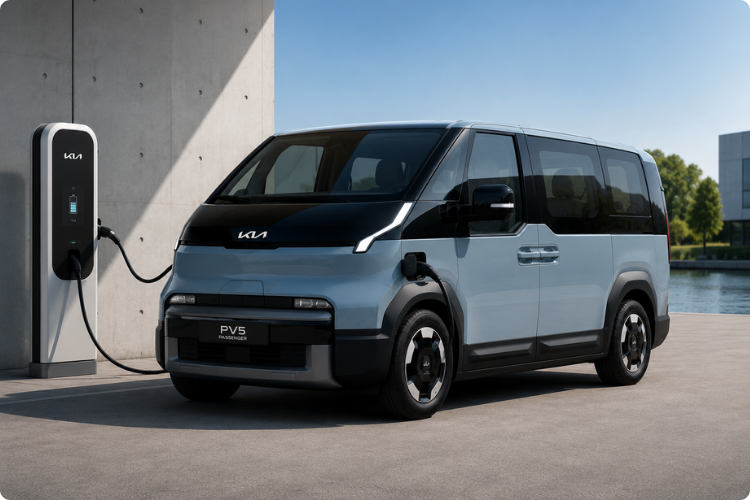
The Kia PV5 takes the opposite approach. It is minimalist, boxy, and highly functional. Every design decision prioritises efficiency, cargo space, and modular conversion potential. It is less about emotional appeal and more about industrial versatility.
Key Design Differences:
- ID. Buzz: retro styling, friendly appearance, lifestyle-focused identity
- PV5: utilitarian design, modular body, fleet optimisation focus
Platform & Architecture
Under the skin, both vehicles reflect their brands’ long-term EV strategies.
The ID. Buzz is built on Volkswagen’s MEB platform, which was originally developed for passenger electric vehicles but has also been successfully adapted for the ID. Buzz Cargo.
The Kia PV5 uses Kia’s dedicated PBV architecture. This is designed specifically for scalability, meaning multiple body styles (cargo, shuttle, delivery, and possibly camper variants) can be built on the same base platform.
This makes the PV5 particularly adaptable for commercial and specialist vehicle applications, while Volkswagen offers separate Passenger and Cargo variants based on its MEB platform. Although the ID. Buzz range is less modular than Kia’s PBV architecture, it provides strong solutions for both private owners and commercial operators.
Interior & Practical Space
Inside the ID. Buzz, Volkswagen focuses on comfort and usability. The cabin is bright, spacious, and designed for families. Sliding doors, flexible seating, and a clean dashboard layout make it feel more like a modern lounge than a traditional van.
The PV5 is expected to push flexibility further. Kia has emphasised modular seating and configurable interiors that can be swapped depending on use case. This makes it ideal for:
- Delivery fleets
- Ride-sharing services
- Shuttle operations
- Utility conversions
While the ID. Buzz Passenger focuses on comfort and family usability, the ID. Buzz Cargo brings a similarly refined driving experience to commercial users. The PV5 range places a stronger emphasis on reconfigurability, particularly for businesses requiring adaptable passenger or cargo layouts.
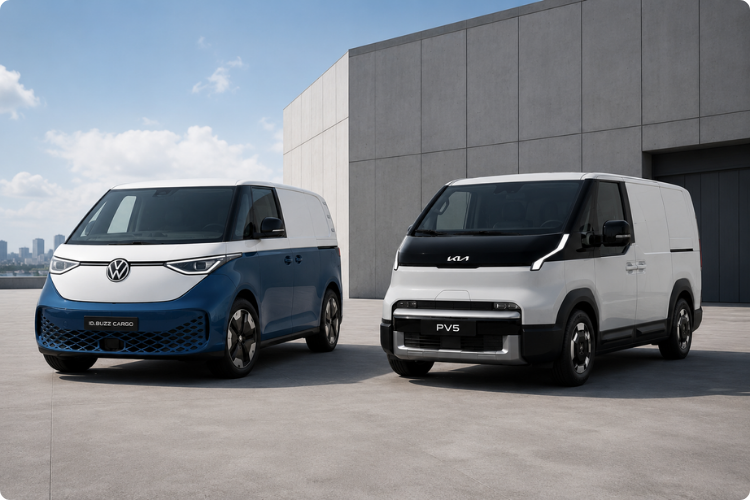
Panel Van Comparison: Volkswagen ID. Buzz Cargo vs Kia PV5 Cargo
While the passenger versions of the Volkswagen ID. Buzz and Kia PV5 have attracted significant attention, the commercial panel van market is where many businesses will see the greatest value. As companies continue to electrify their fleets, electric panel vans are becoming increasingly important for last-mile logistics, service engineers, construction firms and local delivery operators.
The Volkswagen ID. Buzz Cargo and Kia PV5 Cargo represent two different approaches to commercial electric transport. Although both are designed to reduce emissions and lower running costs, their priorities differ considerably.
The ID. Buzz Cargo builds on Volkswagen’s reputation for producing refined commercial vehicles that are comfortable to drive and easy to live with. It blends practicality with premium styling, making it particularly attractive for businesses that want a professional image while benefiting from zero-emission driving.
The Kia PV5 Cargo has been designed from the ground up as part of Kia’s Platform Beyond Vehicle (PBV) programme. Rather than adapting a passenger vehicle for commercial use, Kia has created a dedicated electric work van that focuses on modularity, fleet integration and operational efficiency.
Cargo Space and Load Practicality
For commercial buyers, load space is often the deciding factor.
The Volkswagen ID. Buzz Cargo provides a generous cargo area with a low loading floor, wide rear doors and practical sliding side access. These features make loading bulky equipment, parcels or trade materials quicker and easier during busy working days. The van’s compact exterior dimensions also make it well-suited to navigating congested city streets and accessing underground or multi-storey car parks where larger vans may struggle.
The Kia PV5 Cargo has been engineered to maximise usable internal space through its upright, box-shaped design. By prioritising volume over styling, Kia has created a highly efficient cargo compartment that can be adapted for a wide variety of industries. Businesses can configure the interior with shelving, racking, refrigeration units or specialist equipment depending on their operational requirements.
For companies planning to customise their vehicles, the PV5’s modular architecture could provide greater flexibility than many conventional electric vans.
Driving Experience
Despite being commercial vehicles, both vans have been designed to offer a comfortable driving experience.
The ID. Buzz Cargo shares much of its driving character with Volkswagen’s passenger EV range. Steering is light, acceleration is smooth and cabin refinement is excellent, making it an appealing choice for drivers spending long hours behind the wheel. Visibility is also strong thanks to its large windows and elevated driving position.
The PV5 Cargo takes a more business-focused approach. While comfort remains important, Kia’s emphasis is on productivity, durability and consistent day-to-day performance. Fleet operators typically prioritise reliability and efficiency over luxury, and the PV5 has been developed with those priorities in mind.
Fleet Technology and Connectivity
Modern commercial vehicles are increasingly defined by their software as much as their hardware.
Volkswagen equips the ID. Buzz Cargo with a comprehensive suite of driver assistance systems, infotainment features and connected services that improve safety and convenience. Over-the-air software updates help keep vehicle systems current throughout ownership.
Kia is placing even greater emphasis on digital fleet management. The PV5 Cargo is expected to integrate with fleet management platforms that allow operators to monitor vehicle health, optimise delivery routes, schedule predictive maintenance and manage drivers remotely. For businesses operating multiple vehicles, these connected technologies could significantly improve efficiency while reducing downtime and operating costs.
Running Costs and Business Value
One of the biggest advantages of electric panel vans is their potential to reduce long-term operating expenses.
Electric drivetrains generally require less routine maintenance than diesel-powered alternatives because they contain fewer moving parts. Businesses can also benefit from lower fuel costs, particularly when charging vehicles overnight using depot-based infrastructure.
The ID. Buzz Cargo is positioned as a premium commercial vehicle, meaning its purchase price may be higher than some competitors. However, businesses may value its strong brand reputation, high-quality interior and positive customer perception.
The Kia PV5 Cargo is expected to focus more aggressively on total cost of ownership. Its modular design, fleet software integration and scalable platform have all been developed with operational efficiency in mind, making it particularly attractive for organisations managing larger commercial fleets.
Which Businesses Are They Best Suited For?
The Volkswagen ID. Buzz Cargo is an excellent fit for:
- Electricians, plumbers and local tradespeople
- Premium service businesses
- Small business owners
- Urban delivery companies
- Businesses looking to reinforce a modern, environmentally conscious brand image
The Kia PV5 Cargo is better suited to:
- National delivery operators
- Logistics companies
- Municipal fleets
- Utility providers
- Courier businesses
- Fleet operators requiring multiple vehicle configurations
- Businesses planning specialist vehicle conversions
Panel Van Verdict
Choosing between the Volkswagen ID. Buzz Cargo and Kia PV5 Cargo depends largely on how the vehicle will be used.
The ID. Buzz Cargo offers a premium ownership experience, refined driving dynamics and a distinctive design that helps businesses stand out while delivering practical everyday usability.
The Kia PV5 Cargo is built around flexibility and efficiency. Its purpose-designed commercial platform, modular construction and advanced fleet technologies make it particularly well-suited to businesses seeking to optimise productivity and future-proof their electric vehicle fleets.
For owner-operators and small businesses, the ID. Buzz Cargo delivers an excellent balance of practicality and character. For larger commercial operators, fleet managers and businesses planning long-term electrification, the Kia PV5 Cargo could prove to be one of the most versatile electric panel vans available.
While commercial buyers will naturally focus on the Cargo models, driving performance remains an important consideration across the entire ID. Buzz and PV5 ranges.
Performance, Range & Efficiency
Although exact specifications vary by region and trim, the positioning of both vehicles is clear.
Across both Passenger and Cargo models, the ID. Buzz range is tuned for smooth, comfortable driving. Volkswagen prioritises refinement and driver comfort, whether transporting families or making urban deliveries.
The PV5 is expected to prioritise efficiency and total cost of ownership. Kia’s goal is to maximise uptime, reduce running costs, and optimise fleet productivity rather than deliver premium driving dynamics.
Key takeaway:
- ID. Buzz = comfort-first EV driving
- PV5 = efficiency-first fleet operation
Technology & Software Integration
Technology is becoming one of the most important battlegrounds in electric mobility.
The ID. Buzz includes Volkswagen’s standard infotainment and driver assistance systems, along with over-the-air updates. However, Volkswagen has historically faced criticism for software complexity and usability issues.
The PV5 is expected to be a more software-defined vehicle from the ground up. Kia is focusing heavily on connectivity, fleet management tools, and integration with logistics systems. This could include:
- Real-time route optimisation
- Fleet tracking dashboards
- Predictive maintenance systems
- Customisable vehicle profiles
In the Kia PV5 vs ID. Buzz tech comparison, Kia appears more focused on commercial software ecosystems.
Use Cases: Who Are These Electric Vans For?
Understanding the target audience is essential when comparing the Volkswagen ID. Buzz and Kia PV5 ranges. Both manufacturers now offer passenger and commercial variants, but each has a different focus.
Volkswagen ID. Buzz Range
The Volkswagen ID. Buzz range is designed for buyers who want a combination of practicality, comfort and distinctive styling.
The passenger model is well-suited to:
- Families needing space and comfort
- Lifestyle buyers and EV enthusiasts
- Camper conversion projects
- Urban drivers wanting a stylish electric vehicle
The ID. Buzz Cargo expands the range’s appeal to commercial users, including:
- Tradespeople and mobile service professionals
- Small business fleets
- Last-mile delivery operators
- Businesses looking for a premium, environmentally conscious company vehicle
Kia PV5 Range
Kia has developed the PV5 as a highly modular electric vehicle platform capable of serving a wide variety of passenger and commercial applications.
The PV5 Passenger is expected to suit:
- Shuttle operators
- Ride-hailing services
- Corporate transport
- Accessible mobility providers
The PV5 Cargo is targeted primarily at commercial customers, including:
- Delivery and logistics companies
- Municipal and public sector fleets
- Utility providers
- Specialist commercial vehicle conversions
- Businesses requiring flexible transport solutions that can evolve with changing operational needs
While there is some overlap between the two ranges, their priorities remain different. The Volkswagen ID. Buzz places greater emphasis on lifestyle appeal and premium ownership, whereas the Kia PV5 has been engineered around flexibility, efficiency and scalable commercial operations.
Pricing & Value Proposition (Expected Positioning)
While pricing varies by market and configuration, the value strategies differ significantly.
Across both its Passenger and Cargo models, the ID. Buzz range occupies the premium end of the electric van market. Buyers are paying not only for practicality but also for Volkswagen’s distinctive design, strong brand heritage and refined driving experience.
The PV5 range is expected to compete aggressively on total cost of ownership, particularly for commercial operators. Kia’s modular architecture and fleet-focused technology aim to reduce operating costs while providing businesses with a flexible platform that can adapt to different transport requirements.
Sustainability & Future Impact
Both vehicles contribute to the broader shift toward electrified transport, but in different ways.
The ID. Buzz range helps accelerate EV adoption across both private ownership and commercial transport. Its Passenger model introduces more families to electric mobility, while the Cargo version supports businesses transitioning away from diesel vans.
The PV5 aims to electrify commercial fleets at scale. This has a potentially greater long-term environmental impact due to high mileage usage in logistics and transport sectors.
Final Verdict: Emotion vs Efficiency
The Volkswagen ID. Buzz vs Kia PV5 debate ultimately comes down to philosophy rather than specification sheets.
The ID. Buzz is about heritage, emotion, and lifestyle freedom. It is designed to make electric mobility desirable and expressive.
The PV5 is about systems, efficiency, and scalability. It is designed to transform how businesses move goods and people.
Summary:
- Choose the Volkswagen ID. Buzz range if you value premium design, driver comfort and a choice of stylish passenger or commercial models.
- Choose the Kia PV5 range if you prioritise flexibility, modularity, fleet technology and long-term operational efficiency.
 Call our expert team on