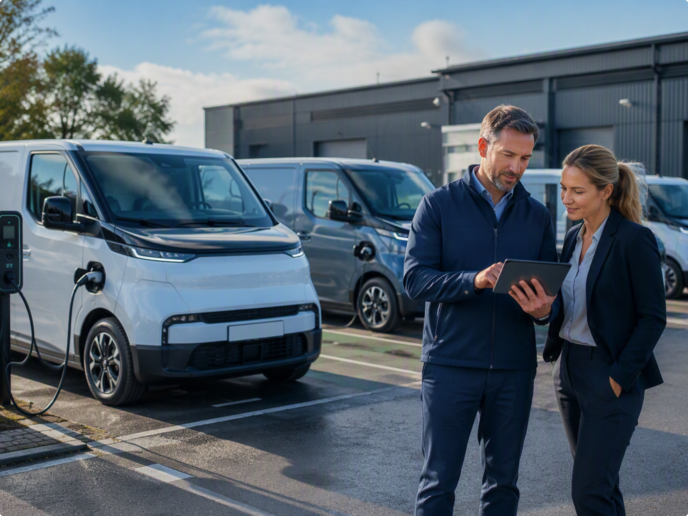
The transition to electric vans is gathering pace across the UK, but new research suggests businesses are increasingly looking beyond the vehicle itself for help making the switch. For many businesses, electric van leasing is becoming an increasingly important part of the transition, providing access to newer electric vehicles while specialist support can help businesses understand whether they are suitable for their operations.
The latest Arval Mobility Observatory Barometer found that 88% of van fleets are using leasing companies or other external suppliers to support their move towards electrification. This represents a 14 percentage point increase compared with the previous year.
For businesses operating commercial vehicles every day, moving to electric isn’t simply a case of replacing a diesel van with an electric equivalent. Factors such as mileage, payload, charging access, journey patterns and operating costs all need to be considered before making the switch.
Electric Van Adoption Is Not One-Size-Fits-All
The suitability of an electric van can vary considerably depending on how a business uses its vehicles.
For companies carrying relatively light loads and covering shorter local routes, switching to electric can be relatively straightforward. Access to charging at a business premises or at home can also make day-to-day operation much easier.
However, businesses relying on vans for long-distance journeys, carrying heavier loads or regularly travelling on motorways may face greater challenges.
EV charger reliability, charging times and the need to plan longer journeys can all have an impact on vehicle utilisation and driver productivity.
This is one reason why professional guidance is becoming increasingly important.
Rather than simply choosing an electric van based on its advertised range, businesses need to consider how the vehicle will actually be used.
Why Are Businesses Switching To Electric Vans?
The research also highlights some of the main factors encouraging van fleets to move away from conventional petrol and diesel vehicles.
Avoiding low-emission zones and clean-air restrictions is currently the biggest driver, with 32% of respondents identifying access to low-emission zones and future clean-air restrictions as a reason for electrification.
Reducing running costs is another major consideration, with 29% of fleets citing fuel savings as a reason for making the switch.
Other motivations include:
- 25% – Improving company image
- 24% – Taking advantage of tax benefits
- CSR requirements – Supporting corporate sustainability objectives
The growing importance of fuel savings is particularly notable, as businesses continue to look closely at the total cost of operating their commercial vehicles.
For high-mileage fleets, reducing reliance on petrol or diesel can potentially make a significant difference to running costs, particularly where vehicles can be charged conveniently at a business premises.
Charging Is Becoming The New Fleet Concern
The research also highlights an important change in the way businesses view electric vehicles.
The industry’s focus has gradually moved away from range anxiety towards what could increasingly be described as charging anxiety.
Modern electric vans are becoming more capable, with improvements in battery technology, driving range and charging performance. However, businesses still need to consider where and when their vehicles will be charged.
Understanding EV charging solutions for UK businesses is therefore becoming an increasingly important part of fleet planning.
The wider expansion of charging infrastructure is also being supported through government-backed initiatives. The DfT’s Electric Vehicle Infrastructure Support Service is designed to help public-sector organisations across England plan, procure and develop EV charging networks, supporting the wider growth of the UK’s electric vehicle infrastructure.
For businesses and fleet operators considering electric vans, important questions can include:
- Where will vehicles be charged overnight?
- Does the business need workplace charging infrastructure?
- How long will vehicles be unavailable while charging?
- How much will public charging cost?
- Will drivers have sufficient access to suitable chargers during their working day?
- Can existing routes be completed without unnecessary charging stops?
These considerations can be just as important as the vehicle’s official range figure.
Choosing The Right Electric Van For Your Business
The increasing use of external expertise demonstrates that businesses don’t necessarily have to tackle electrification alone.
A good electric van strategy should start with understanding how the vehicle is going to be used. Businesses considering the wider process of switching to an electric vehicle should assess their daily mileage, charging availability, vehicle requirements and overall operating costs before making a decision.
Daily mileage, payload requirements, journey types, charging facilities and operating schedules should all be considered before selecting a vehicle.
For some businesses, an electric van could be an excellent replacement for a diesel model. The expanding choice of models, including the Kia PV5, means businesses now have more options when considering the move away from conventional vans. For businesses comparing different electric van options, our ID. Buzz vs Kia PV5 comparison looks at how these two electric vans compare across range, practicality and everyday usability. For others, a different vehicle or operating strategy may be more appropriate.
This is where specialist electric van leasing support can be particularly useful. Leasing gives businesses access to a wide range of modern electric vans without requiring them to purchase the vehicle outright, while professional advice can help ensure the vehicle selected is suitable for its intended role.
Electric Vans Are Becoming A Bigger Part Of The UK Fleet
The findings underline an important point for UK businesses: electric vans are no longer simply an emerging alternative to diesel.
More businesses are actively considering electrification, while improvements in electric vehicle technology are making the transition increasingly practical.
However, choosing the right vehicle is only part of the process. Businesses also need to think about charging, daily usage, costs and the operational requirements of their fleet.
As more businesses turn to leasing providers for support with fleet electrification, specialist guidance can help make the transition considerably easier.
Considering Electric Van Leasing For Your Business?
If your business is considering switching to electric, the team at Commercial Vehicle Contracts can help you compare the latest electric vans and find a leasing solution suited to the way your business operates.
From compact electric vans for local deliveries to larger electric commercial vehicles for businesses covering greater distances, choosing the right vehicle starts with understanding your individual requirements.
 Call our expert team on