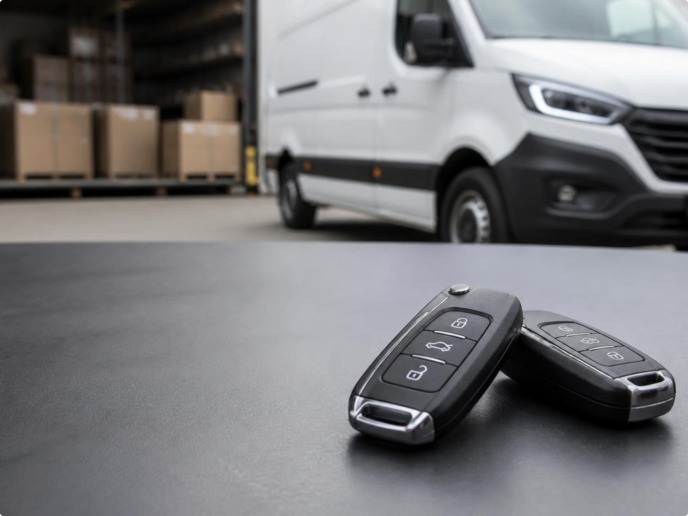
For many businesses, a van key is something that is rarely thought about until something goes wrong.
It sits in a pocket, on a desk, in a key cabinet or inside a driver’s bag, quietly doing its job every day. Modern key fobs and smart keys have made vehicle access easier than ever, but they have also created a new problem — many businesses now rely entirely on a single piece of technology to keep their vehicles moving.
When that key is lost, damaged, locked inside the vehicle, or the battery suddenly fails, the consequences can be far greater than a simple inconvenience.
For businesses that depend on their vans every day, a missing or faulty key can mean delays, missed appointments and unnecessary downtime.
That is why having a simple backup plan is essential.
Why One Van Key Creates an Unnecessary Risk
Many businesses operate their vehicles with only one key because it appears to be the easiest option.
The vehicle works, the driver has access, and everything continues as normal.
However, relying on a single key creates a weak point in your operation.
Common problems include:
- Lost or misplaced keys
- Damaged key fobs
- Flat key fob batteries
- Keys accidentally locked inside vehicles
- Drivers leaving the business without returning keys
- Replacement keys taking time and money to arrange
For a private driver, this may cause frustration for an afternoon.
For a business, it could stop an employee from reaching customers, completing jobs or delivering essential goods.
The Cost of a Lost or Broken Van Key
Replacing a modern vehicle key is not always a quick or inexpensive process.
Many commercial vehicles now use advanced key systems, including:
- Remote locking
- Immobilisers
- Keyless entry systems
- Smart keys
- Digital vehicle access technology
Replacement costs can vary depending on the manufacturer and vehicle model, but businesses may also need to consider the indirect costs caused by vehicle downtime.
A delayed engineer, missed delivery slot or cancelled appointment can quickly cost more than the replacement key itself.
Simple Ways Businesses Can Prevent Key Problems
The best way to deal with a lost or failed key is to prepare before it happens.
Keep a Spare Key
Every business vehicle should ideally have a spare key stored securely.
For fleets, spare keys should be:
- Clearly labelled
- Stored in a controlled location
- Accessible to authorised employees only
- Recorded as part of fleet procedures
A spare key can turn a major disruption into a minor inconvenience.
Replace Key Batteries Before They Fail
Many drivers ignore warning signs from their key fob until it stops working completely.
Signs a battery may need replacing include:
- Reduced remote range
- Intermittent locking/unlocking
- Delayed response from buttons
- Warning messages on the dashboard
Adding key battery checks to regular vehicle maintenance routines can prevent unnecessary problems.
Consider Digital Vehicle Keys
Many newer vehicles now offer smartphone-based access systems.
Digital keys can provide an additional backup option by allowing authorised users to access and operate vehicles through their mobile device.
For fleet operators, this technology could make vehicle access easier while reducing reliance on physical keys.
Why This Matters More for Commercial Fleets
For businesses, vehicle availability directly affects productivity.
A van is often more than just transport — it is a mobile workplace.
Whether it is being used by:
- electricians
- plumbers
- builders
- delivery companies
- maintenance teams
- security companies
- healthcare providers
a vehicle that cannot be accessed can quickly impact daily operations.
A simple backup strategy helps protect against avoidable downtime.
Building Key Management Into Your Fleet Routine
Businesses already have processes for servicing, insurance, fuel management and vehicle checks.
Key management should be treated in the same way.
Simple steps such as:
✔ Keeping spare keys secure
✔ Tracking who has vehicle keys
✔ Checking key batteries regularly
✔ Updating access permissions when staff leave
can make vehicle management easier and more reliable.
 Call our expert team on
  Drop us a message