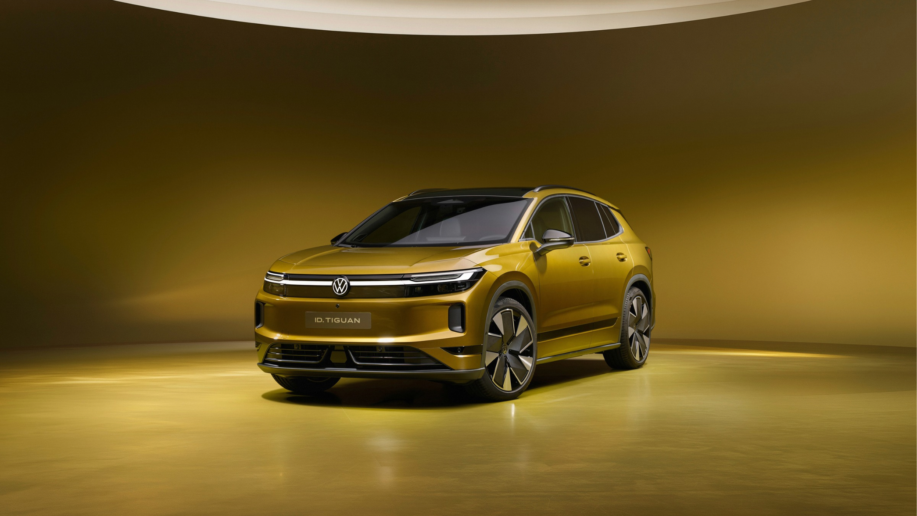
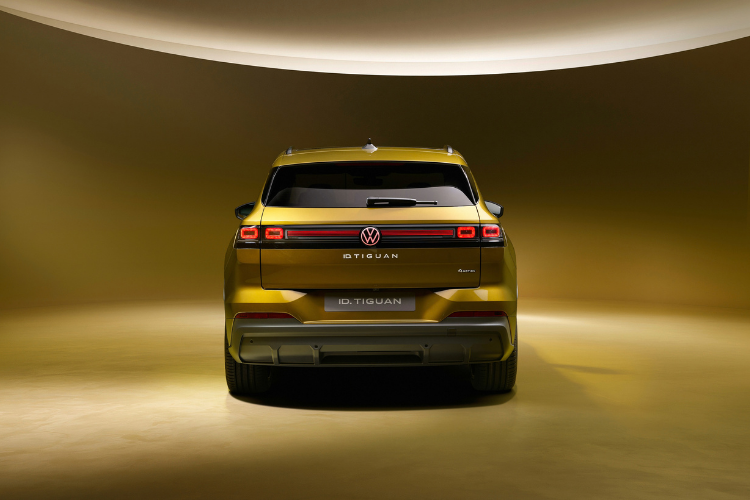
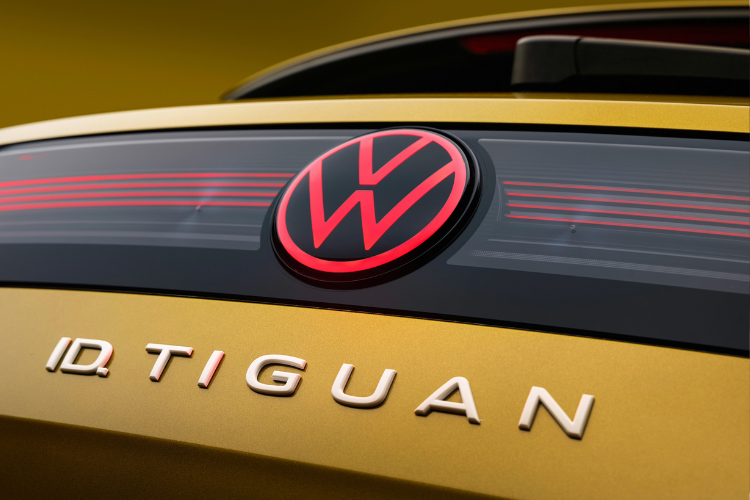
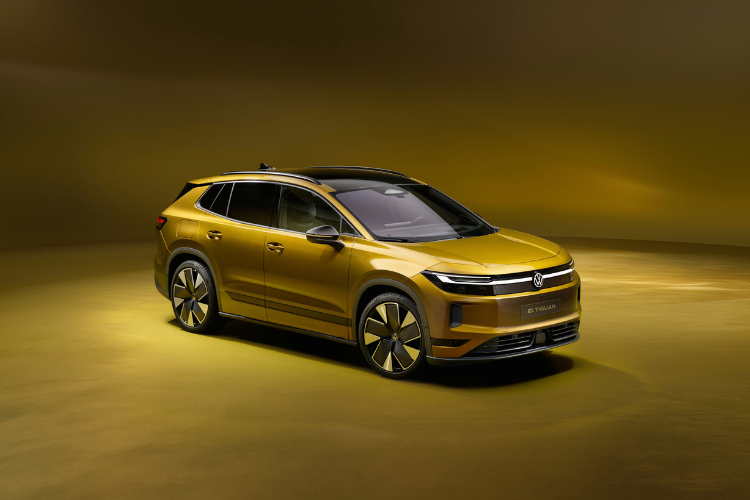
Volkswagen has unveiled the new ID Tiguan, an all-electric SUV scheduled to arrive in early 2027 as the successor to the ID.4 and ID.5. The new model brings together Volkswagen’s established Tiguan nameplate and its electric vehicle technology, with the aim of making its electric SUV range more recognisable to buyers.
The ID Tiguan will sit alongside the existing combustion-engine Tiguan, which remains Volkswagen’s best-selling model. Businesses considering the existing petrol model can also compare the Volkswagen Tiguan 1.5 eTSI 150PS Match DSG7, which uses mild-hybrid technology rather than a fully electric powertrain. For readers comparing the technologies, our guide to BEV, PHEV, HEV and ICE vehicles explains the differences between fully electric, plug-in hybrid, conventional hybrid and combustion-engine vehicles.
Volkswagen Introduces A New Name For Its Electric SUV
Rather than continuing with the ID.4 and ID.5 names, Volkswagen is bringing its electric SUV offering under the Tiguan badge. The company says using a familiar name should make it easier for customers to understand where the vehicle fits within its range.
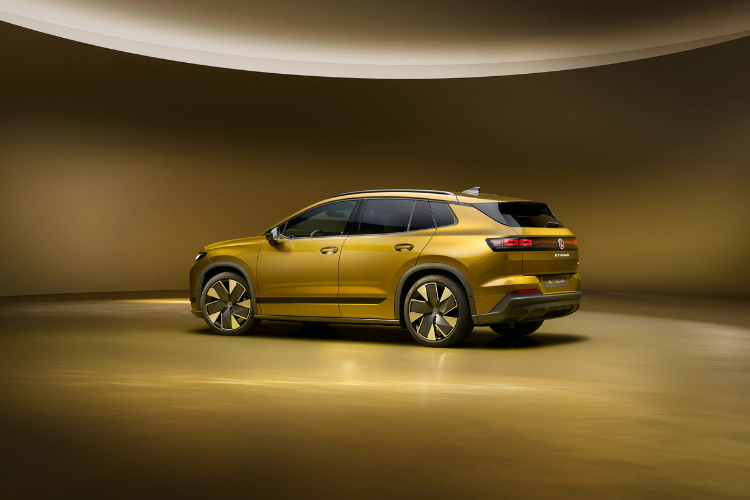
Underneath, the ID Tiguan represents an evolution of the existing ID.4 and ID.5, retaining the MEB electric vehicle platform. It will also adopt battery options introduced with the updated Volkswagen ID.3 Neo, giving buyers a choice of battery capacity and power output. The move forms part of Volkswagen’s wider product strategy, which is also covered in our article on Volkswagen Group’s plans to reduce its model range.
Battery Options, Performance And Driving Range
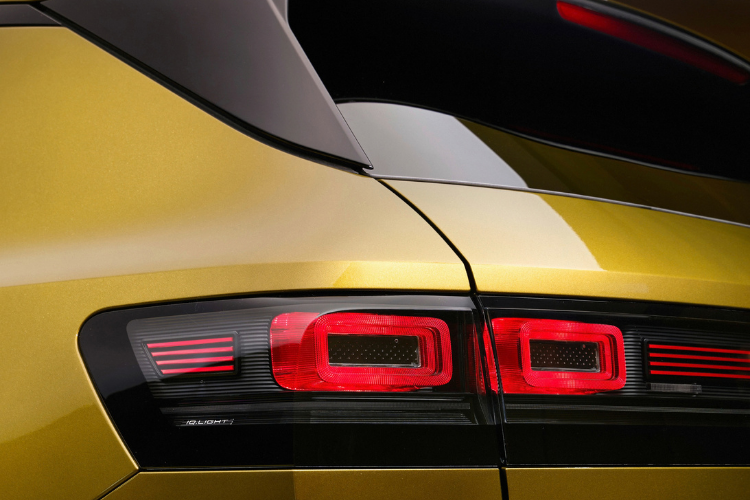
Volkswagen will offer the ID Tiguan with 58kWh and 77kWh battery options, alongside single-motor and dual-motor powertrains. The announced specifications are:
| Battery Capacity | Power Output | Drivetrain |
|---|---|---|
| 58kWh | 190PS | Single motor |
| 77kWh | 286PS | Single motor |
| 77kWh | 299PS | Dual motor, all-wheel drive |
The most efficient version is expected to deliver an official driving range of up to 372 miles. This could make the ID Tiguan a candidate for businesses looking for an electric SUV capable of handling a mixture of commuting, work-related journeys and longer-distance travel.
As with any electric vehicle, real-world range will depend on factors such as driving conditions, temperature, speed and the use of heating or air conditioning. Businesses considering an electric SUV should also assess how and where their vehicles will be charged. Our guide to electric vehicle charging for businesses explains the available charging options for company vehicles and fleets.
Practical Storage And A Redesigned Cabin
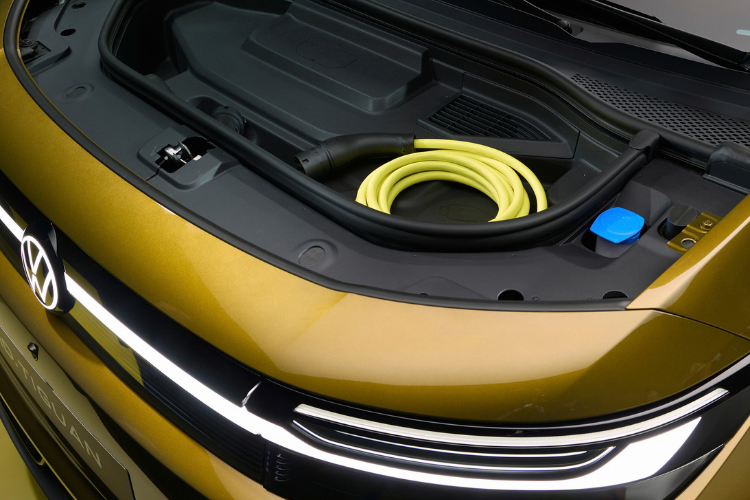
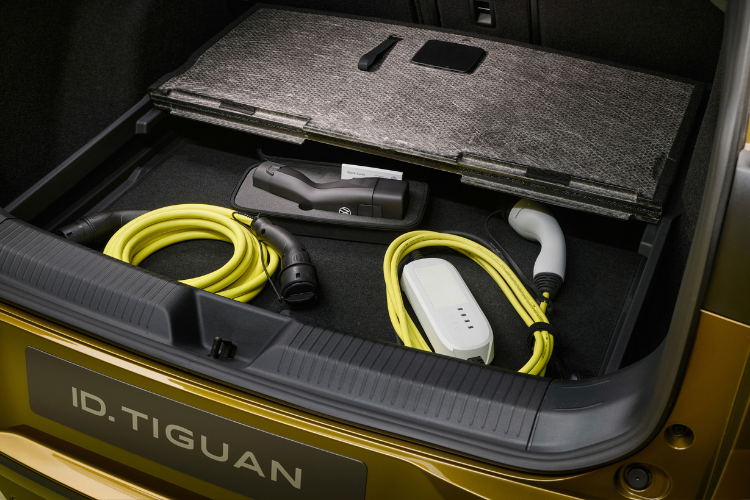
The ID Tiguan combines its electric powertrain with a practical interior and useful storage capacity. The front luggage compartment, or frunk, provides an additional 32 litres of space, while the main boot offers up to 534 litres.
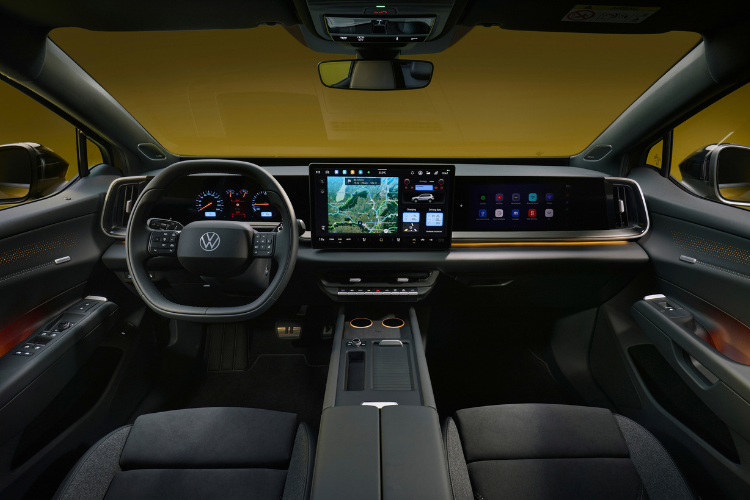
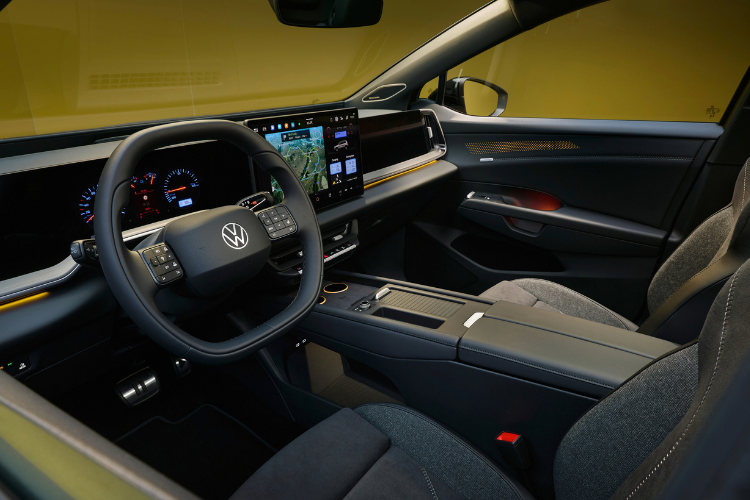
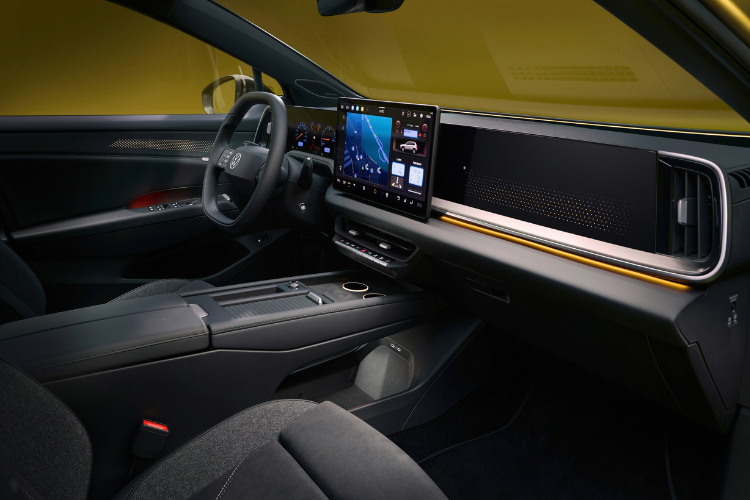
Inside, the dashboard features a 15-inch central infotainment touchscreen and a 10-inch digital instrument display. A separate 12-inch screen is also provided for the front passenger, designed to allow passenger entertainment without distracting the driver.
Volkswagen has also added physical switchgear that was absent from the ID.4, addressing a feature of the earlier interior design that some drivers may have found less convenient.
Expected Price And Electric SUV Competition
UK pricing is expected to start at approximately £40,000, although final prices and the full UK model range will need to be confirmed closer to launch.
The ID Tiguan will enter a competitive electric SUV market, with alternatives including the Kia EV5 and Renault Scenic E-Tech. Buyers will need to compare factors such as purchase price, driving range, equipment, practicality and charging requirements when assessing the options. For a closer look at one of its potential rivals, read our guide to Kia EV3, EV4 and EV5 GT prices and specifications.
For businesses comparing different powertrain options, the Volkswagen Tiguan 1.5 TSI 204PS eHybrid Match DSG plug-in hybrid is another option to consider, combining a petrol engine with plug-in electric driving capability.
For businesses, the eventual leasing cost will also be an important consideration, alongside vehicle suitability, expected mileage and the financial implications of choosing an electric company vehicle.
 Call our expert team on