A forthcoming reduction in VAT on domestic electricity could unintentionally increase the cost gap between electric vehicle (EV) drivers who can charge at home and those who rely entirely on public charging infrastructure, according to new analysis.
Research from transport organisation New AutoMotive suggests that thousands of EV drivers without access to home charging could face the equivalent of a collective £172 million annual disadvantage once the temporary VAT reduction on household electricity takes effect.
The VAT change, which will reduce domestic electricity VAT to 0% from October 1 for an initial six-month period, is expected to lower running costs for households with access to private charging facilities. However, public charging operators will continue to apply the standard 20% VAT rate, meaning drivers who depend on public chargers will not receive the same benefit.
Home Charging Drivers Set To Benefit Most
New AutoMotive’s research highlights a growing imbalance within the EV charging market, with the biggest savings going to drivers who already have access to the lowest-cost charging option.
The analysis examined four different groups of EV drivers:
- Those with a dedicated home charger using an off-peak EV electricity tariff
- Those with a home charger using a standard electricity tariff
- Drivers using alternative home charging methods, such as extension leads or cable channels across pavements
- Drivers with no access to home charging facilities
The study also accounted for some continued use of public chargers among motorists who are able to charge at home.
Drivers with a dedicated home charger and access to a cheaper EV tariff could save around £13 per year through the VAT reduction on domestic electricity. However, they would still pay approximately £42 in VAT on public charging.
Those using a standard home electricity tariff could save around £27 annually, while paying an estimated £62 in VAT when charging away from home.
For drivers relying on informal charging arrangements, the saving from reduced household electricity VAT would be around £21, but public charging VAT costs could reach approximately £113 per year.
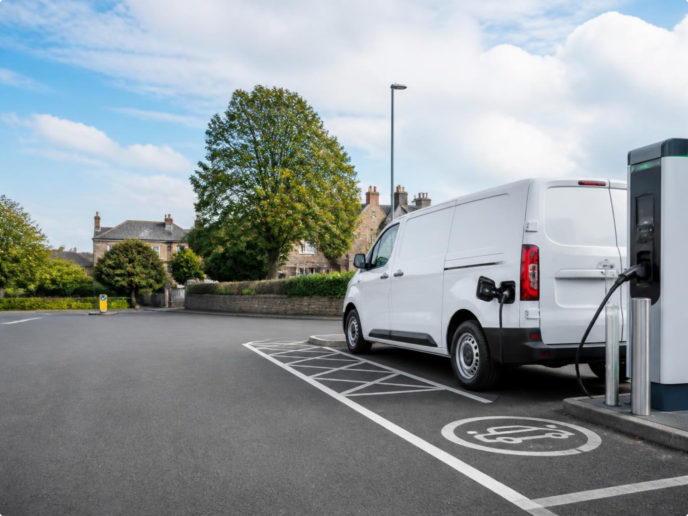
The biggest impact would be felt by drivers without any home charging option. Representing around 9% of EV owners, this group would see no benefit from the domestic VAT reduction while potentially paying around £216 per year in VAT through public charging.
Calls For Fairer EV Charging Taxation
New AutoMotive argues that the VAT change highlights a wider issue with the current approach to EV taxation, claiming that charging at home and charging in public should be treated equally.
The organisation suggests that matching the VAT rate for public charging with domestic electricity would create a fairer system for all EV drivers.
It estimates that reducing VAT on public charging to the same level as household electricity would cost the Government around £120 million in lost tax revenue, compared with approximately £40 million currently generated through VAT on domestic EV charging.
New AutoMotive described this as a manageable solution that would help remove barriers for drivers who do not have access to private driveways or home charging points.
Reducing Public Charging Costs Remains Key
While VAT changes could provide some support, concerns remain that reductions may not always be passed directly on to motorists.
New AutoMotive believes the Government should also focus on reducing the underlying cost of public charging by improving competition and accessibility across the charging network.
Suggested measures include expanding time-of-use electricity tariffs, reviewing grid connection costs faced by charging operators, increasing access to pavement charging solutions, and accelerating the rollout of smart charging and vehicle-to-grid technology.
Industry leaders call for a more inclusive EV transition
Ben Nelmes, chief executive at New AutoMotive, said the current system risks benefiting drivers who already have the easiest access to affordable charging.
He said: “The Government has introduced a tax reduction for EV drivers who can already charge at home, while those relying on public infrastructure continue paying the higher VAT rate.
“The transition to electric vehicles needs to work for everyone, including drivers without access to a driveway or private charging point.”
John Lewis, CEO of charge point operator Char.gy, said public charging is not a choice for many motorists but their only option.
He added that applying a higher tax rate to public charging creates an unfair disadvantage for drivers who are unable to install a charger at home.
Vicky Edmonds, CEO of EV driver group EVA England, said the analysis demonstrates the importance of reducing EV running costs for all motorists.
She highlighted that while electric vehicles can offer significant savings compared with petrol and diesel alternatives, further reforms are needed to ensure those benefits are available to every driver.
She said improvements are required across public charging affordability, access to overnight charging, and ensuring cost reductions are passed directly to consumers.
HMRC Continues Public Charging VAT Appeal
The issue remains under review, with HM Revenue & Customs currently appealing a tribunal decision that ruled public EV charging should qualify for the lower domestic electricity VAT rate of 5%.
The outcome of that appeal could have significant implications for how EV charging is taxed in the UK and whether drivers without home charging access receive a fairer deal in the future.
Related Reading: Discover why electric vehicles are becoming more affordable than petrol cars, and see how lower running costs are helping more businesses make the switch.
Read our guide to the Best Small Electric Vans on the Market if you’re considering an electric commercial vehicle for your business.
Thinking about switching to electric? Browse our latest Electric Car Leasing and Electric Van Leasing deals, or speak to our team about finding the right vehicle for your business and charging requirements. Don’t forget to check out the Top 10 Electric Cars to Lease in 2026, including the best options for company cars, salary sacrifice and everyday business use.
 Call our expert team on
  Drop us a message