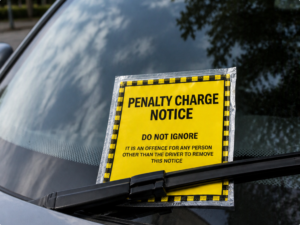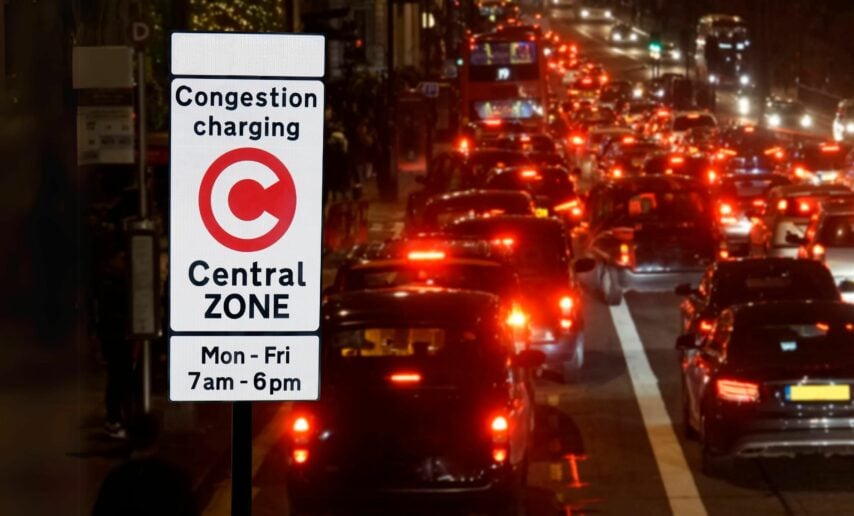
London’s Congestion Charge has entered a new phase, with sweeping changes that affect all motorists — including, for the first time, drivers of electric vehicles (EVs). From 2 January, the capital’s daily congestion charge increased from £15 to £18, marking a 20% rise and signalling a clear shift in Transport for London’s (TfL) approach to managing traffic in the city centre.
Higher charges and a new discount structure
The Congestion Charge applies to vehicles driving in central London between 7am and 6pm on weekdays, and 12pm to 6pm on weekends and bank holidays. While the headline cost has risen, TfL has introduced a tiered discount system for drivers who register for Auto Pay.
Under the new rules, the long-standing 100% cleaner vehicle discount — which previously allowed EVs to enter the zone for free — has been scrapped. In its place:
- Electric cars receive a 25% discount, reducing the daily charge to £13.50
- Electric vans, HGVs and quadricycles qualify for a 50% discount
- All discounts are only available to vehicles registered for Auto Pay
Petrol and diesel vehicles, meanwhile, must pay the full £18 daily charge, with no new relief offered.
Further reductions planned for 2030
TfL has made it clear that these EV discounts are temporary. From 4 March 2030, the incentives will be scaled back again:
- The discount for electric cars will fall to 12.5%
- The discount for electric vans, HGVs and quadricycles will reduce to 25%
This phased reduction reflects TfL’s view that EVs are becoming the norm rather than the exception — and that congestion, not emissions alone, is now the primary issue the charge is designed to address.
Residents’ discount rules tightened
Changes have also been introduced to the residents’ discount, which currently offers a substantial 90% reduction for people living within or near the congestion charge zone.
- Residents who already hold the discount before 1 March 2027 will keep the 90% reduction, regardless of whether they drive petrol, diesel or electric vehicles
- Anyone applying after 1 March 2027 will only qualify for the 90% discount if they own an electric vehicle
- Existing residents are not affected by the changes unless they reapply after the cut-off date
TfL says this approach gives current residents time to adapt, while encouraging future applicants to switch to electric vehicles.
Why TfL says the changes are necessary
When the cleaner vehicle discount was introduced in 2019, EV numbers were relatively low. Since then, registrations have surged almost sixfold — rising from around 20,000 vehicles to more than 116,000. By the end of the year, EVs are expected to account for nearly 20% of all vehicles entering the congestion charging zone.
TfL has warned that keeping EVs fully exempt would undermine the purpose of the charge. Internal estimates suggest that without these changes, more than 2,000 additional vehicles could be driving through the zone during charging hours on an average weekday, worsening congestion and increasing journey times.
A shift from emissions to congestion
The Congestion Charge was introduced in 2003 to reduce traffic levels in central London, not solely to cut emissions. While EVs produce no tailpipe pollution, they still take up road space — and as their numbers grow, TfL argues they must now be treated more like other vehicles.
The new pricing structure reflects a broader policy shift: encouraging walking, cycling and public transport, rather than simply replacing petrol and diesel cars with electric ones.
What this means for drivers and businesses
For EV drivers, particularly those who adopted electric cars partly to benefit from financial incentives, the changes may feel like a setback. For businesses operating fleets, delivery services or private hire vehicles, the new charges add another cost that must be factored into daily operations.
At the same time, TfL maintains that the revised system strikes a balance — continuing to reward cleaner vehicles, but ensuring the congestion charge remains effective as London’s transport landscape evolves.
Looking to lease an electric vehicle?
With an impressive average score of 4.9 stars on Trustpilot, we believe our reviews reflect our commitment to customer service. Our knowledgeable team provides expert advice and guidance to help you choose the perfect van and finance product for your needs. As proud members of both the BVRLA and the Financial Conduct Authority (FCA), you can have complete confidence that you’re dealing with a trusted, compliant, and professional company.
Why Commercial Vehicle Contracts is your EV partner:
Leasing is the smart, modern way to drive a brand-new vehicle. Discover some of the benefits that make it the preferred choice for thousands of UK drivers.
✅ Low initial outlay: Get started with minimal upfront costs compared to a large purchase deposit.
✅ Fixed monthly budgeting: Protect your cash flow with predictable, fixed monthly payments for the duration of your contract.
✅ Always drive the latest: Upgrade to a new model every 2-5 years, ensuring you always have the newest technology, safety features, and maximum efficiency.
✅ No depreciation worries: We bear the risk of the vehicle’s future value, so you don’t have to worry about resale value or market fluctuations.
✅ Professional image: Enhanced business presentation and credibility.
✅ Latest compliance: Always meet current emissions and safety standards.
✅ Expert guidance: Our dedicated team will solve all your lease queries and offer expert advice.
✅ A seamless, all-inclusive service: Our lease process is designed to be straightforward, saving you both time and money. We manage everything to get you driving your new van quickly and efficiently.
✅ 24/7 customer portal: Manage your lease easily online, track orders, check vehicle details, and contact your account manager anytime.
✅ Dedicated account management: Expert support throughout your lease term.
✅ Tax efficiency: VAT reclaim and capital allowance benefits.
Drive cleaner, smarter, and more affordably
Whether you’re a business owner looking to reduce your carbon footprint or a fleet manager seeking a cost-effective, future-proof solution, electric vehicles deliver unbeatable advantages:
Lower running costs — Save on fuel, tax, and maintenance
Zero emissions — Comply with clean air zones and sustainability goals
Government grants — Save with eligible models
Expanding charging network — Over 86,000 public chargepoints nationwide
With advances in battery technology and more affordable models than ever, there’s never been a better time to go electric.