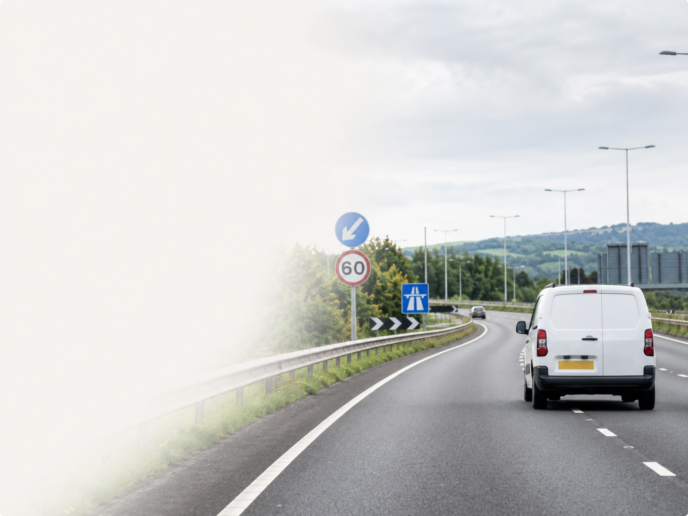
Every journey made by a commercial vehicle depends on clear, consistent and reliable road signs. From warning of low bridges and weight restrictions to directing drivers through roadworks or highlighting loading restrictions, traffic signs play an essential role in keeping Britain’s roads safe and efficient.
Behind these familiar signs is the Traffic Signs Manual, an extensive publication produced by the Department for Transport that provides guidance on how traffic signs and road markings should be designed, positioned and maintained across the UK.
Although the manual is primarily intended for highway authorities, engineers and traffic management professionals, it also has important implications for businesses that operate commercial vehicles. Understanding why the manual exists can help fleet managers and drivers appreciate how road signage supports safer, more efficient journeys.
What Is the Traffic Signs Manual?
The Traffic Signs Manual is official guidance published by the Department for Transport (DfT). It provides detailed recommendations on the design, installation and use of traffic signs, road markings and traffic signals throughout the UK.
Its purpose is to help ensure that road users encounter consistent, recognisable signage wherever they travel. Whether driving through a city centre, a rural village or a motorway network, drivers should be able to understand traffic signs quickly and respond safely.
The manual is regularly updated to reflect changes in legislation, road design standards and emerging transport technologies.
Is the Traffic Signs Manual the Law?
This is a common misconception.
The Traffic Signs Manual itself is not legislation. Instead, it provides guidance on applying the legal requirements contained within the Traffic Signs Regulations and General Directions (TSRGD).
Highway authorities generally follow the manual because it reflects recognised best practice and helps ensure traffic signs are installed correctly and consistently.
For drivers, the legal obligation remains to comply with traffic signs displayed on the road, regardless of whether they are familiar with the manual itself.
Who Uses the Traffic Signs Manual?
The manual is widely used by organisations responsible for planning, designing and maintaining the UK’s road network, including:
- Local authorities
- National Highways
- Civil engineering consultants
- Traffic management companies
- Road construction contractors
- Utility companies carrying out street works
- Property developers
- Transport planners
Although commercial drivers are not expected to use the manual directly, they benefit from the consistency it promotes across the country’s roads.
Why It Matters for Commercial Vehicle Operators
Businesses operating vans, pickups, minibuses and HGVs rely heavily on clear and accurate road signage.
Professional drivers often cover hundreds of miles each week, navigating unfamiliar roads while complying with vehicle restrictions and delivery schedules. Consistent traffic signs help reduce confusion and improve safety.
For example, commercial drivers regularly depend on signs indicating:
- Maximum vehicle height
- Weight limits
- Width restrictions
- Loading bays
- Bus lanes
- Clearways
- Temporary roadworks
- Diversion routes
- Clean Air Zones (CAZs)
- Low Emission Zones (LEZs)
Incorrect or unclear signage can lead to delays, congestion, vehicle damage or costly penalties.
Key Areas Covered by the Manual
Rather than focusing on individual traffic signs, the Traffic Signs Manual provides guidance across several important areas of road infrastructure.
These include:
| Topic | Purpose |
|---|---|
| Direction signs | Helping drivers navigate safely and efficiently |
| Warning signs | Alerting drivers to hazards ahead |
| Regulatory signs | Communicating legal restrictions and requirements |
| Road markings | Providing lane guidance, parking controls and priority information |
| Traffic signals | Managing junctions and pedestrian crossings |
| Temporary traffic management | Supporting safe movement around roadworks and incidents |
Together, these elements help create a road network that is predictable and easy for drivers to understand.
Temporary Traffic Management
Commercial drivers frequently encounter temporary traffic management while travelling between jobs or making deliveries.
Roadworks may involve:
- Temporary speed limits
- Lane closures
- Diversions
- Portable traffic signals
- Temporary warning signs
The Traffic Signs Manual provides guidance on how these measures should be implemented to minimise disruption while protecting both road users and workers.
For businesses operating fleets, understanding temporary traffic management can help drivers plan journeys more effectively and reduce unexpected delays.
Why Consistency Is Important
Drivers make countless decisions every minute they are behind the wheel.
When traffic signs follow consistent layouts, colours, symbols and positioning, they can be recognised almost instantly. This allows drivers to concentrate on the road ahead rather than trying to interpret unfamiliar information.
Consistency is particularly important for:
- Fleet drivers working nationwide
- Delivery companies
- Public transport operators
- Emergency services
- Heavy goods vehicles
- International visitors driving in the UK
A standardised approach helps reduce confusion and contributes to safer roads.
Traffic Signs Manual vs The Highway Code
Although they are closely related, the Traffic Signs Manual and The Highway Code serve different purposes.
The Highway Code explains what traffic signs mean and the rules that road users must follow.
The Traffic Signs Manual, on the other hand, explains how those signs should be designed, positioned and used by the organisations responsible for the road network.
Most motorists only need to understand the Highway Code, while the manual is intended for professionals responsible for road infrastructure.
What Fleet Managers Should Know
Fleet managers do not need to study the Traffic Signs Manual in detail, but understanding its purpose can support safer fleet operations.
Encouraging drivers to recognise common restrictions, such as height limits, weight limits and loading controls, can help reduce fines, avoid unnecessary vehicle damage and improve route planning.
Drivers also need to understand the consequences of failing to comply with road signs and restrictions. Where speeding is involved, depending on the circumstances, a driver may be offered a speed awareness course rather than receiving penalty points. Our guide to Speed Awareness Course Vs 3 Points explains how the two options compare.
Businesses operating larger vehicles may also benefit from using route planning software that takes vehicle dimensions into account before drivers begin their journeys.
Where Can You Access the Traffic Signs Manual?
The complete Traffic Signs Manual is available free of charge from the UK Government and is regularly updated as new guidance is published.
For most businesses, it is a useful reference document rather than something that needs to be read from cover to cover. Fleet managers, transport professionals and contractors may find particular sections relevant to their day-to-day operations, while drivers can continue to rely on the consistent signage it helps deliver.
 Call our expert team on