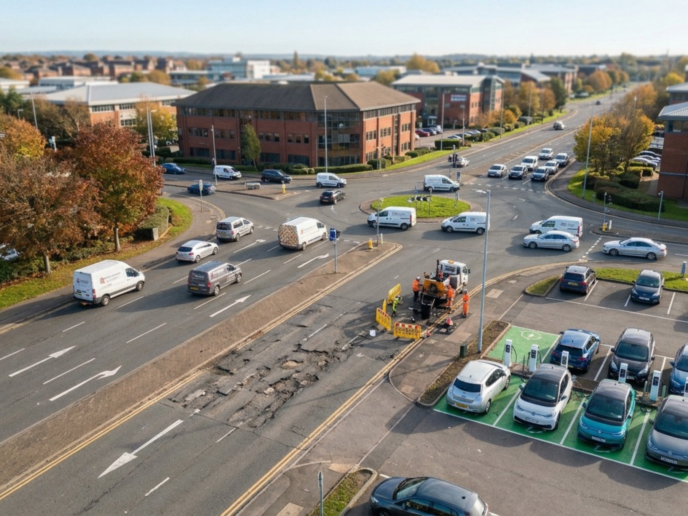
Motorists want action on insurance taxes, potholes and public electric vehicle charging costs, highlighting the wider financial pressures facing drivers and businesses operating cars and vans.
As the Government prepares its Budget announcements, research suggests that drivers are concerned about more than fuel prices alone. Insurance costs, the condition of local roads and the affordability of charging an electric vehicle are also among the issues they want policymakers to address.
The findings are particularly relevant to businesses that rely on vehicles every day, where unexpected repair bills, insurance premiums and charging expenses can all affect operating budgets and fleet costs.
What Do Motorists Want The Government To Address?
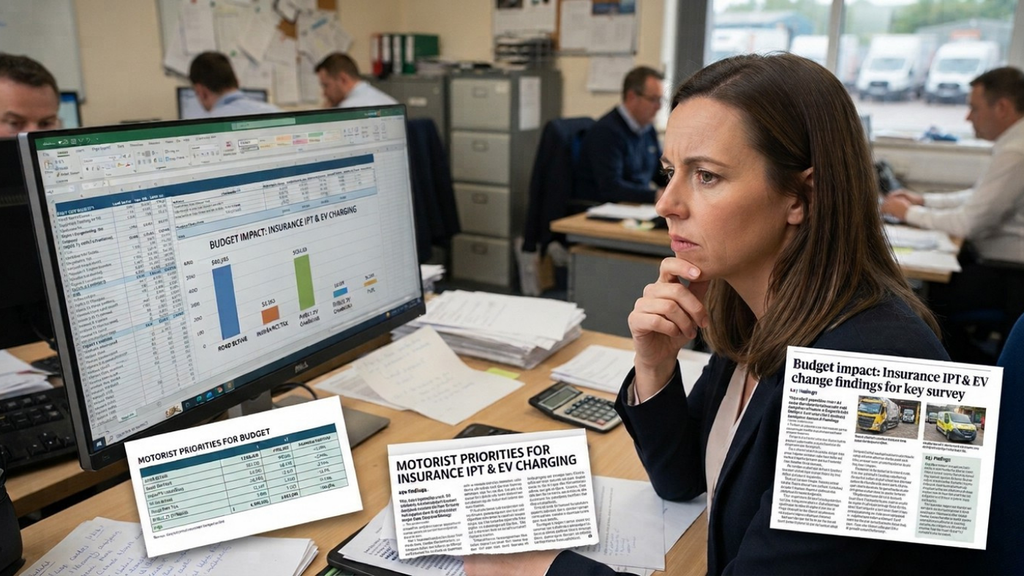
The research highlights several concerns about the cost of running vehicles, from insurance taxation and road repairs to public EV charging and future electric vehicle policies.
| Motoring Issue | Survey Finding | Why It Matters For Businesses |
|---|---|---|
| Road maintenance | 34% want more Government funding for local councils to repair potholes | Road damage can increase repair costs, vehicle downtime and disruption to business operations. |
| Insurance Premium Tax | 28% want a cut to Insurance Premium Tax | A reduction could lower the tax element of motor insurance premiums, depending on how insurers pass on the change. |
| Other vehicle taxes and charges | 29% want a freeze or reduction | Changes to vehicle-related charges could affect the overall cost of running business vehicles. |
| Public EV charging VAT | 17% want VAT on public charging reduced to match domestic electricity | Lower charging costs could benefit businesses whose drivers rely on public charging networks. |
| EV pay-per-mile tax | 28% want the proposed tax delayed or scrapped | Future mileage-based taxation is another factor businesses may need to consider when assessing electric vehicle costs. |
| Zero-emission vehicle mandate | 17% want the mandate delayed or scrapped | Policy uncertainty may influence decisions about the timing and pace of fleet electrification. |
Source: Close Brothers Motor Finance and Carwow research, as referenced in the original reporting. The findings reflect motorists’ views, not confirmed Government policy.
Insurance Tax Remains A Concern For Drivers
Research from Close Brothers Motor Finance found that 29% of motorists wanted a freeze or reduction in other vehicle-related taxes and charges, while 28% wanted a cut to Insurance Premium Tax (IPT).
IPT applies to most general insurance policies, including motor insurance. Reducing the rate could lower the tax element of premiums, although the actual saving for policyholders would depend on how insurers passed on any change.
For businesses operating company cars and commercial vehicles, insurance for leased vans is an important part of the overall cost of keeping vehicles on the road. Premiums can vary according to factors such as vehicle type, driver history, claims experience and how vehicles are used.
When assessing fleet expenditure, businesses should therefore consider insurance alongside leasing payments, maintenance, fuel and other running costs. CVC’s guide to the total cost of ownership of business vehicles explains why looking beyond the monthly vehicle payment can provide a more complete picture of expenditure.
Drivers Want More Funding For Potholes And Road Repairs
Road maintenance was another prominent concern in the research, with 34% of respondents calling for additional Government funding for local councils to repair potholes and damaged roads.
Poor road surfaces can create practical problems for both private motorists and commercial vehicle operators. Damage to tyres, wheels and suspension components can lead to unexpected repair costs, while vehicle downtime caused by potholes can disrupt appointments, deliveries and scheduled work. Our guide to how potholes and tyre costs affect business fleets explores how road damage can increase fleet maintenance expenditure and affect day-to-day business operations.
For tradespeople, service companies and fleet operators, reliability is essential. A van unavailable because of damage or repairs can affect productivity as well as the cost of maintaining the vehicle.
Additional funding for road repairs would not eliminate every instance of vehicle damage, but the survey suggests that motorists want road conditions to receive greater attention.
Businesses can also reduce avoidable disruption through fleet vehicle servicing and maintenance and by addressing defects promptly. CVC’s guide to vehicle maintenance covers the importance of keeping business vehicles in suitable working condition.
Public EV Charging Costs Under Scrutiny
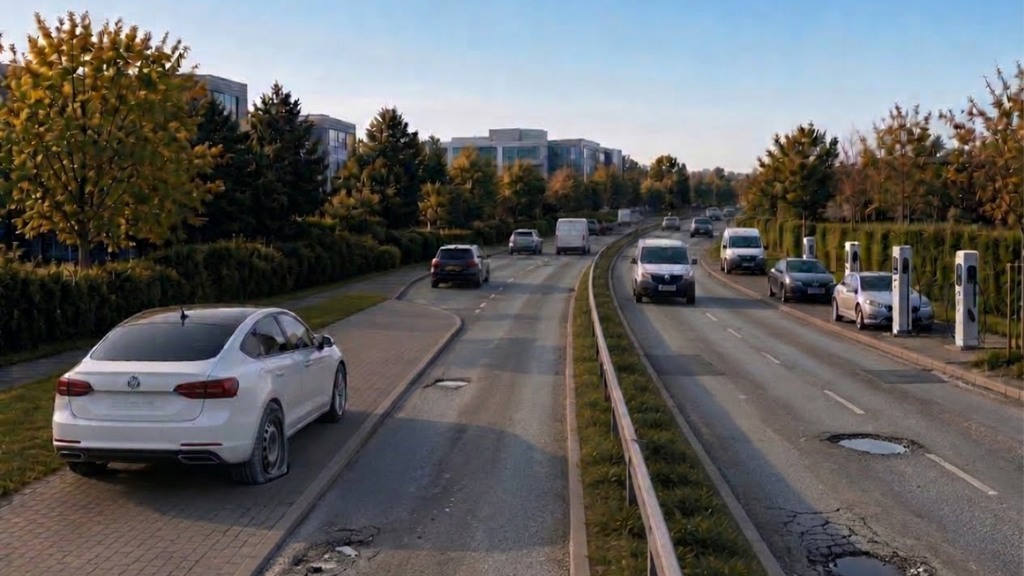
The cost of charging an electric vehicle away from home is another issue raised by drivers.
According to the Close Brothers Motor Finance research, 17% of respondents wanted VAT on public EV charging reduced to bring it into line with the rate applied to domestic electricity.
Public EV charging is generally subject to the standard 20% VAT rate, while domestic electricity is generally charged at 5%. For more detail, read our guide to VAT on home and public EV charging. This difference can make public charging more expensive relative to home charging, particularly for drivers without access to a driveway or private charging point.
The issue also matters to businesses transitioning to electric cars and vans. Drivers who spend much of their working day on the road may need to rely on public charging, while drivers without off-street parking face additional challenges when charging an electric vehicle without a driveway.
The cost of electricity is only one consideration when planning an electric fleet. Businesses also need to assess daily mileage, vehicle range, charging access and the time drivers may need to spend charging.
CVC’s guide to how EV charging works for businesses explains some of the practical considerations organisations should weigh up when planning their charging arrangements.
Uncertainty Over Future Electric Vehicle Taxes
The research also highlights continuing questions about the transition to electric motoring.
Close Brothers Motor Finance found that 17% of motorists wanted the 2034 zero-emission vehicle mandate delayed or scrapped. The mandate sets requirements intended to increase the proportion of new zero-emission vehicles sold.
Separate research from Carwow found that 28% of motorists surveyed wanted the proposed electric vehicle pay-per-mile tax delayed or scrapped.
The proposed Electric Vehicle Excise Duty (eVED) is planned for introduction in April 2028. It would introduce a mileage-based charge for electric cars, alongside existing vehicle taxation arrangements.
For businesses considering electric cars or vans, future tax arrangements form part of a wider financial decision alongside planning an electric van fleet transition. Vehicle suitability, contract length, mileage, charging costs and potential changes to taxation can all influence whether a particular vehicle is appropriate for an organisation.
Our guide to the proposed electric vehicle pay-per-mile tax provides further information about the planned system.
Businesses should distinguish between policies that have been confirmed and proposals that could still change. Making vehicle decisions based on assumptions about future tax treatment could lead to an inaccurate assessment of costs.
What The Findings Mean For Businesses Running Vehicles
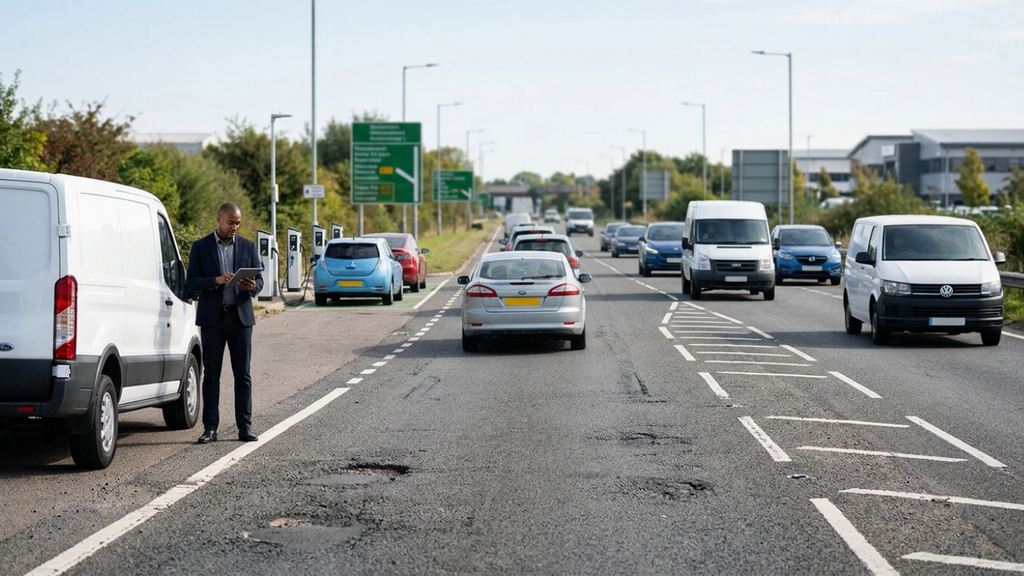
The survey results highlight several areas that can affect the cost of operating a business fleet, from insurance and repairs to charging and future taxation.
For businesses, the most useful response is to understand where their own costs arise and how vehicle choices affect them. This may include reviewing vehicle use, checking whether mileage allowances remain appropriate, assessing maintenance arrangements and comparing the suitability of petrol, diesel, hybrid and electric vehicles.
Leasing decisions should also reflect how vehicles will be used in practice, with fleet lifecycle management helping businesses plan vehicle requirements and replacements. A vehicle with a lower monthly rental may not necessarily be the most cost-effective choice if it does not meet operational requirements or creates additional running costs.
CVC’s fleet management solutions can help businesses consider their vehicle requirements and wider fleet needs.
The survey does not establish which measures the Government will adopt. However, it demonstrates that motorists want the cost and practicality of running vehicles to remain central to transport policy discussions.
 Call our expert team on