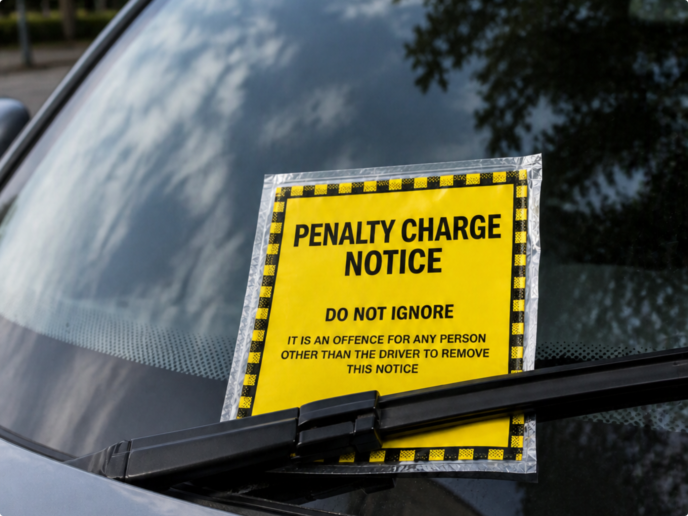
London authorities issued more than 10.1 million Penalty Charge Notices (PCNs) during the 2025/26 financial year, representing a 7% increase on the previous 12 months.
The figures highlight the scale of traffic and parking enforcement across the capital, with potential implications for businesses operating cars and vans in London. Parking restrictions, bus lane rules and moving traffic regulations can all affect commercial drivers, making it important for fleet operators to understand their responsibilities and manage vehicle-related penalties effectively.
The total of 10,195,456 notices covers enforcement by London’s borough councils, Transport for London (TfL) and the London Lorry Control Scheme.
PCN Appeals Increase As More Motorists Challenge Notices
The number of motorists taking their cases to London Tribunals also rose during the year.
The independent appeals service received 56,079 appeals in 2025/26, an increase of 16.9% compared with the 47,935 recorded in 2024/25.
Although the number of appeals increased, they accounted for approximately 0.55% of all PCNs issued across London during the latest reporting period.
The proportion of appeals decided in favour of motorists also grew. Of the cases heard by an independent adjudicator, 48.9% resulted in a decision for the appellant, compared with 45.3% in the previous financial year.
Motorists who believe a penalty has been issued incorrectly can challenge it with the authority responsible. If their initial challenge is unsuccessful, they may be able to refer the case to London Tribunals for an independent decision.
The process provides a route for drivers to dispute notices they consider unfair, although the appropriate procedure and grounds for appeal depend on the type of penalty received.
How PCN Income Is Used
London Councils’ executive member for transport and environment, Cllr Paul Osborn, said effective parking and traffic management was essential to keeping the capital moving.
He highlighted the work undertaken by borough councils and TfL to manage demand on London’s road network and ensure streets accommodate different road users, including motorists, cyclists, pedestrians and bus passengers.
Osborn also reiterated that drivers have the right to challenge a PCN they believe has been issued incorrectly and seek an independent review if their original challenge is rejected.
Income from PCNs is used to fund traffic and parking services. Any surplus is ringfenced for other transport-related projects and services, including the Freedom Pass scheme for older and disabled Londoners.
For businesses whose employees regularly drive in London, understanding local restrictions and keeping drivers informed about changes can help reduce the risk of avoidable penalties.
Companies operating vehicles in regulated areas may also benefit from reviewing the rules covered in our guide to ULEZ and clean air zones across the UK and our overview of van clean air zone charges.
New Protections For Drivers Facing Private Parking Charges
Alongside the figures for council-issued PCNs, changes to private parking rules are intended to strengthen motorists’ rights when disputing charges on privately managed land.
The Government’s Private Parking Code of Practice includes provisions for a minimum five-minute period to decide whether to park, an additional 10 minutes to leave after a parking session ends, and a maximum standard parking charge of £100.
The code also provides for certain charges to be cancelled on appeal where circumstances are outside a driver’s control. Examples include medical emergencies, vehicle breakdowns and faulty parking payment machines.
Additional protections cover some genuine parking errors. These can include forgetting a permit, entering an incorrect vehicle registration or failing to confirm registration details at a payment machine. Under the provisions described by the Government, a charge in these circumstances may be limited to £20 following a successful appeal.
Parking operators that fail to comply with the code risk losing access to Driver and Vehicle Licensing Agency (DVLA) data.
Drivers should distinguish between council-issued PCNs and private parking charges, as different rules, appeal procedures and legal requirements may apply.
What The Increase Means For Business Fleets
For businesses operating cars, vans and other commercial vehicles, parking and traffic penalties can create additional administrative work and unexpected costs.
Fleet managers can help reduce these risks by ensuring employees understand the restrictions that apply to their routes, checking that parking arrangements are suitable for the vehicles being used and establishing clear procedures for dealing with notices.
A written company vehicle policy can set out driver responsibilities, including how employees should report penalties, provide relevant information and comply with parking and traffic regulations.
Businesses should also ensure that drivers understand their obligations when using a leased vehicle. Our guide to leased vehicle driver responsibilities provides further information on the responsibilities associated with driving a company-leased car or van.
For larger fleets, consistent processes can make it easier to identify recurring issues, allocate responsibility and monitor vehicle-related administration. CVC’s fleet management solutions can help businesses consider how their wider vehicle requirements are managed, while fleet administration and account support cover the support available for ongoing fleet operations.
Regular reviews of fleet policies and driver procedures can also help businesses identify areas where additional guidance or training may be useful.
The increase in London PCNs reinforces the importance of understanding road restrictions and having clear procedures for managing penalties. For businesses operating across multiple locations, keeping drivers informed and maintaining consistent fleet processes can help limit avoidable disruption and administrative costs.
 Call our expert team on