New research suggests the planned phase-out of new petrol and diesel car sales is influencing some UK motorists’ buying intentions, with electric and hybrid vehicles featuring prominently in their future plans. However, not everyone is ready to make the switch.
A survey of 2,025 car buyers by Cazoo’s Consumer Insight Panel suggests the UK automotive market is experiencing a mix of changing attitudes towards electrification and continued demand for traditional petrol and diesel vehicles.
According to the findings, 37% of respondents said the planned phase-out would encourage them to buy a new electric vehicle (EV), plug-in hybrid (PHEV) or conventional hybrid. Meanwhile, 35% said the legislation would not influence them to choose one of these alternatives, while 28% were undecided.
The research also highlighted continued interest in purchasing new internal combustion engine (ICE) vehicles before the restrictions take effect. Some 28% of respondents said the planned changes would prompt them to buy a new petrol or diesel car while they remain on sale. A further 41.5% said they would not do so, with 31% unsure.
The results suggest that the transition to electrified motoring is influencing purchasing decisions, although individual responses remain divided over which powertrain to choose and when to make a change.

Government Plans Continue To Shape The Market
The findings come as the UK Government reviews the pathway towards its vehicle emissions targets, with consultation on the Zero Emission Vehicle (ZEV) Mandate scheduled to close on 23 October 2026.
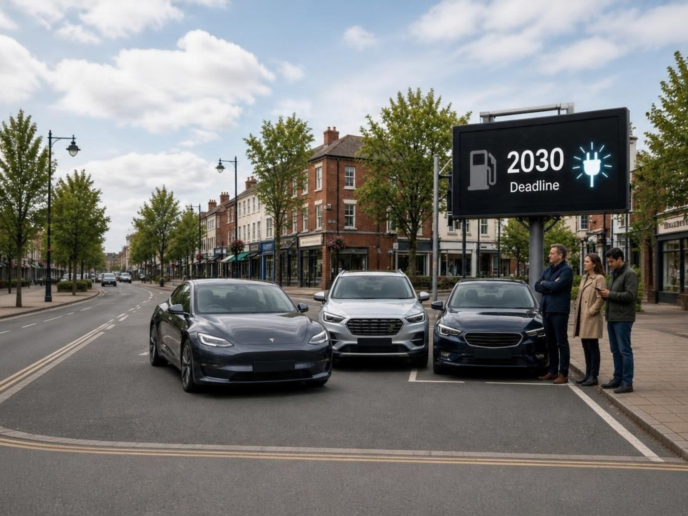
Under the Government’s published plans, sales of new cars powered solely by petrol and diesel are due to end in 2030, with new cars and vans required to be zero-emission by 2035. Hybrid and plug-in hybrid cars are permitted within the planned 2030 to 2035 transition period, subject to the applicable requirements. The rules for vans differ from those for cars during this period.
The policy direction means vehicle manufacturers, dealers and leasing providers will continue to assess how changing emissions requirements affect the vehicles available and the decisions made by motorists and businesses.
However, survey responses should not be confused with confirmed sales figures. While the research provides an indication of consumer intentions, it does not establish how many people will ultimately buy an electric, hybrid, petrol or diesel vehicle.
What Does This Mean For Business Vehicle Leasing?
For businesses reviewing their company cars or planning their next fleet renewal, the research highlights the importance of considering vehicle requirements well ahead of a replacement date. Effective fleet planning and leasing can help businesses assess their options against operational needs and future requirements.
Electric vehicles may suit businesses with predictable daily mileage and convenient access to charging. Understanding how EV charging works for businesses can help operators assess whether charging arrangements are practical for their drivers and working patterns.
Plug-in hybrids and conventional hybrids may offer alternatives for drivers whose circumstances differ, while petrol and diesel vehicles remain part of current leasing decisions, depending on the vehicle’s intended use and applicable regulations.
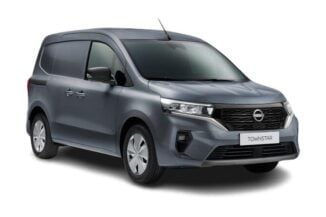
For vans in particular, factors such as payload, operating range, vehicle availability, charging infrastructure and daily mileage can all influence whether an electric model is a practical replacement for an existing vehicle.
Leasing gives businesses the opportunity to assess vehicles against their operational needs and planned replacement cycles, rather than making a decision based solely on changing market sentiment.
At Commercial Vehicle Contracts, businesses can compare business car leasing options alongside a wide range of commercial vehicle solutions. Exploring the available powertrains, costs and specifications can help businesses identify suitable vehicles for their drivers and day-to-day operations.
 Call our expert team on