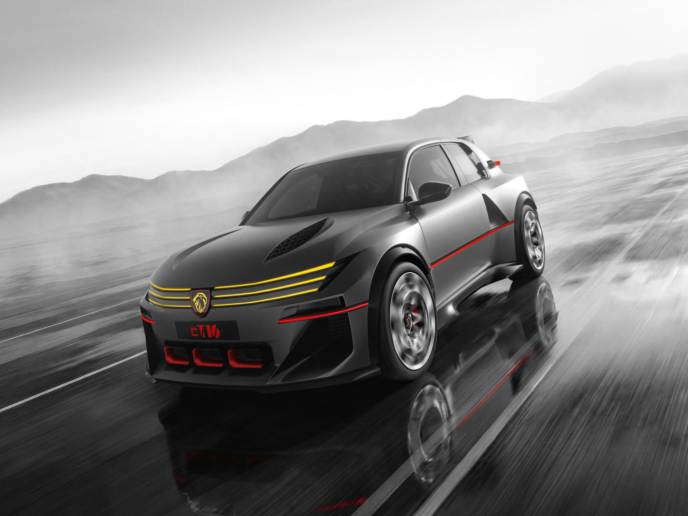
Peugeot has offered a dramatic glimpse into the future of its electric small-car range, unveiling the E-T16 Concept at the 2026 Paris Motor Show. Combining extreme performance with styling inspired by the marque’s rallying history, the prototype provides an early indication of what could influence the next-generation Peugeot 208.
Developed in collaboration with Peugeot Sport, the all-electric concept also marks 40 years since the original Peugeot 205 T16 helped secure consecutive World Rally Championship titles in 1985 and 1986. However, while the E-T16 takes inspiration from the past, its technology and design point towards a more ambitious electric future for the French manufacturer. For businesses and company car drivers considering their next electric vehicle, our guide to the best electric cars to lease compares models available across the growing EV market.
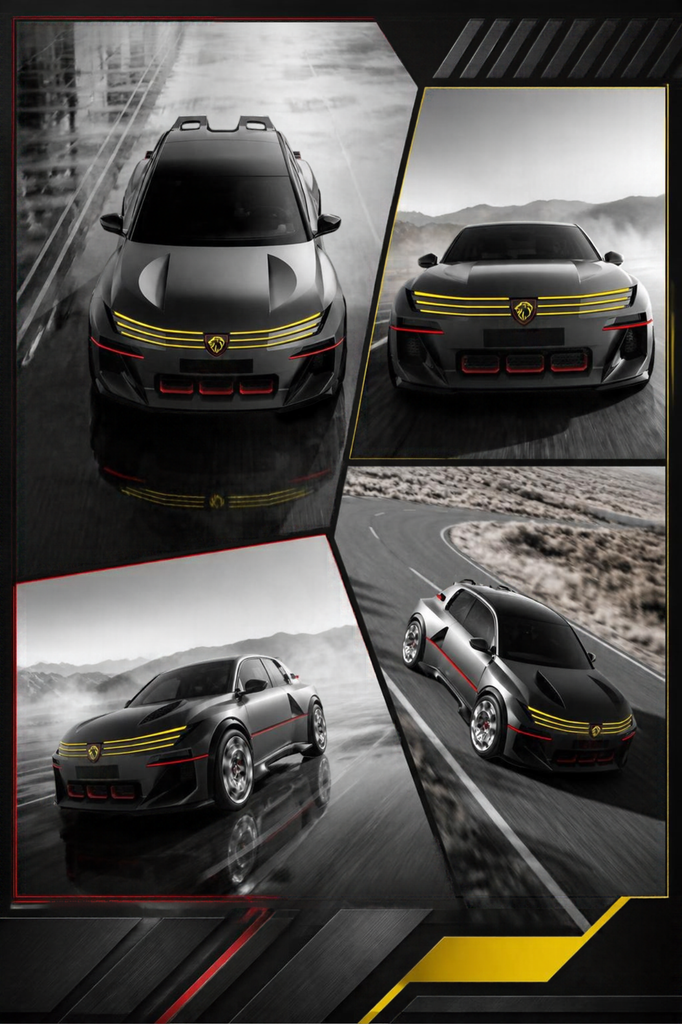
Peugeot E-T16 Concept: Electric Power And Performance
The E-T16 Concept features three electric motors, with one driving the front wheels and two positioned at the rear. Combined output stands at an extraordinary 816hp, making it the most powerful car Peugeot says it has ever produced.
Performance figures underline the concept’s focus on speed. Peugeot claims a 0–62mph time of just 2.5 seconds, while acceleration to 186mph is said to take 16 seconds.
Power delivery is managed through real-time torque distribution between the front and rear axles, as well as between the two rear wheels. Peugeot has also developed a battery cooling system designed to maintain performance under demanding conditions.
According to the manufacturer, the car can complete three laps of the Nürburgring Nordschleife in Performance mode without encountering a power limitation. This highlights the engineering work involved in managing battery temperatures and sustained output during high-performance driving.
Although these figures belong to an experimental concept rather than a confirmed production vehicle, they demonstrate how Peugeot is exploring the potential of electric powertrains beyond everyday passenger cars.
Battery Technology And Charging
The E-T16 uses an 85kWh battery alongside an 800V electrical architecture. Peugeot quotes a WLTP driving range of up to 248 miles, with a claimed charging time of less than 15 minutes to replenish the battery from 10% to 80%.
These specifications combine a relatively modest stated range with exceptionally rapid charging capability and high power output. However, the concept’s performance-focused engineering means its figures should not be taken as representative of the next production Peugeot 208. For businesses evaluating electric vehicles, charging speed is only one consideration alongside workplace charging, journey requirements and access to public charging points. Our guide explains how EV charging works for businesses.
For businesses considering electric cars for company vehicles or employee car schemes, battery range, charging speeds and purchase or leasing costs remain important factors when comparing available models. Peugeot’s prototype illustrates how quickly electric vehicle technology is developing, although its eventual influence on mainstream vehicles remains to be seen.
Businesses exploring their options can also read our guide to how leasing providers can help fleets transition to electric vehicles.
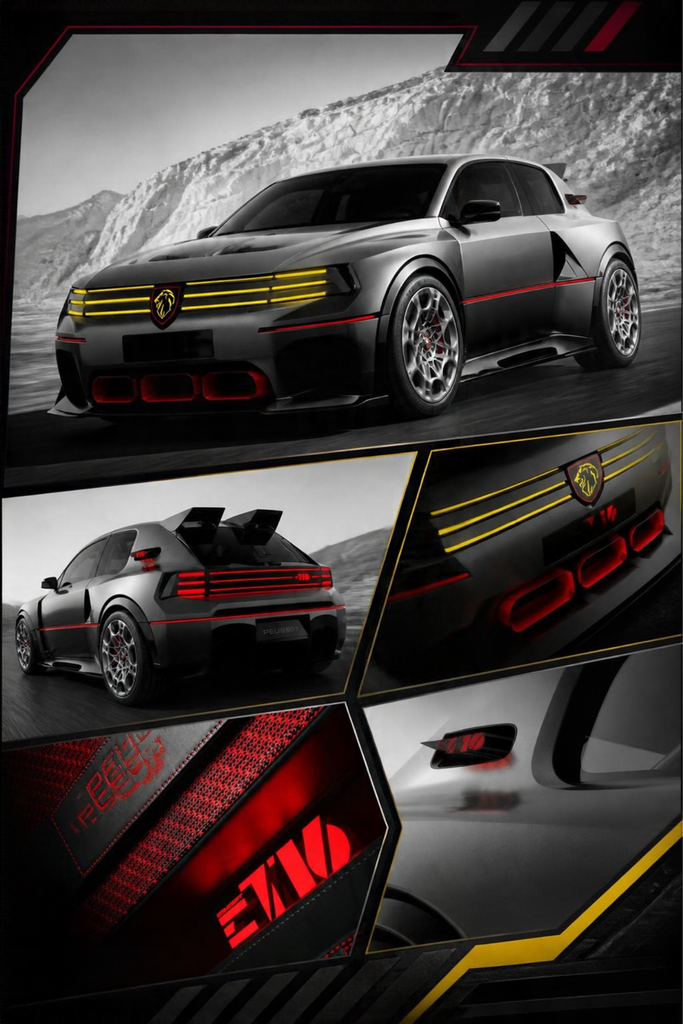
Rally Heritage Influences The Exterior Design
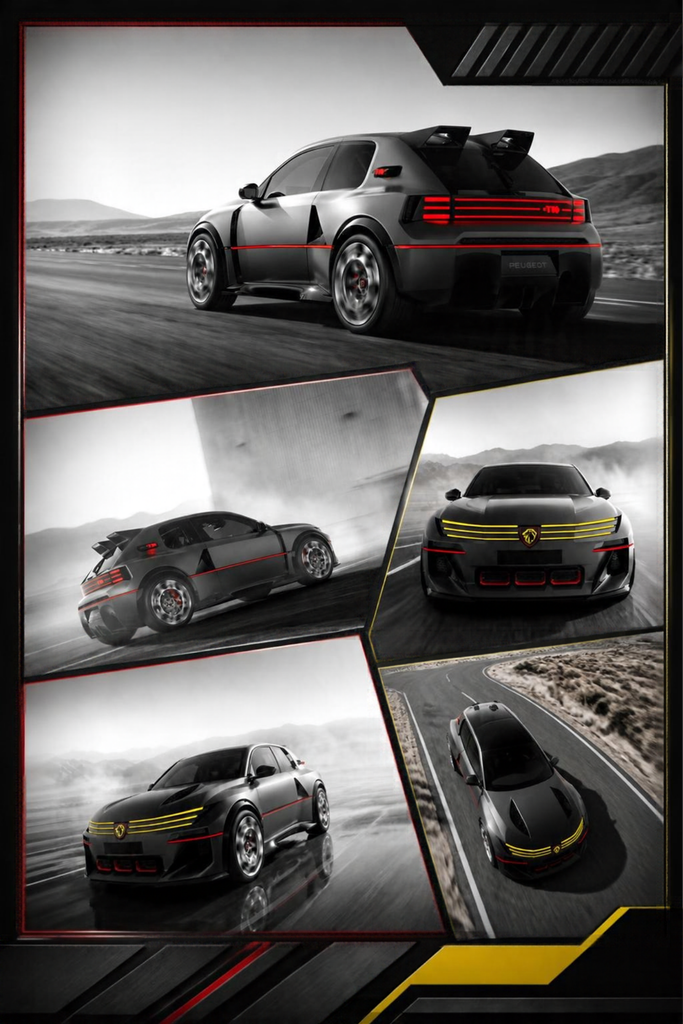
Visually, the E-T16 takes a much more aggressive approach than the current Peugeot 208. Its proportions have been pushed to the extreme, with a wide stance and distinctive aerodynamic features reflecting its motorsport inspiration.
The concept incorporates Peugeot’s familiar three-claw lighting motif in a new horizontal arrangement. Other standout features include a rear wing shaped to resemble cat ears and a Winchester Matte Grey finish intended to reference the original 205 T16.
Another nod to its predecessor is the opening rear body section, which lifts to reveal the mechanical components beneath. The combination of historic design references and futuristic detailing gives the concept a clear connection to Peugeot’s rallying past without simply reproducing the appearance of the original car.
Peugeot describes the styling direction as its Feline Future design language, which is expected to make its debut on the production version of the next-generation model.
A Glimpse Inside Peugeot’s Future Interior
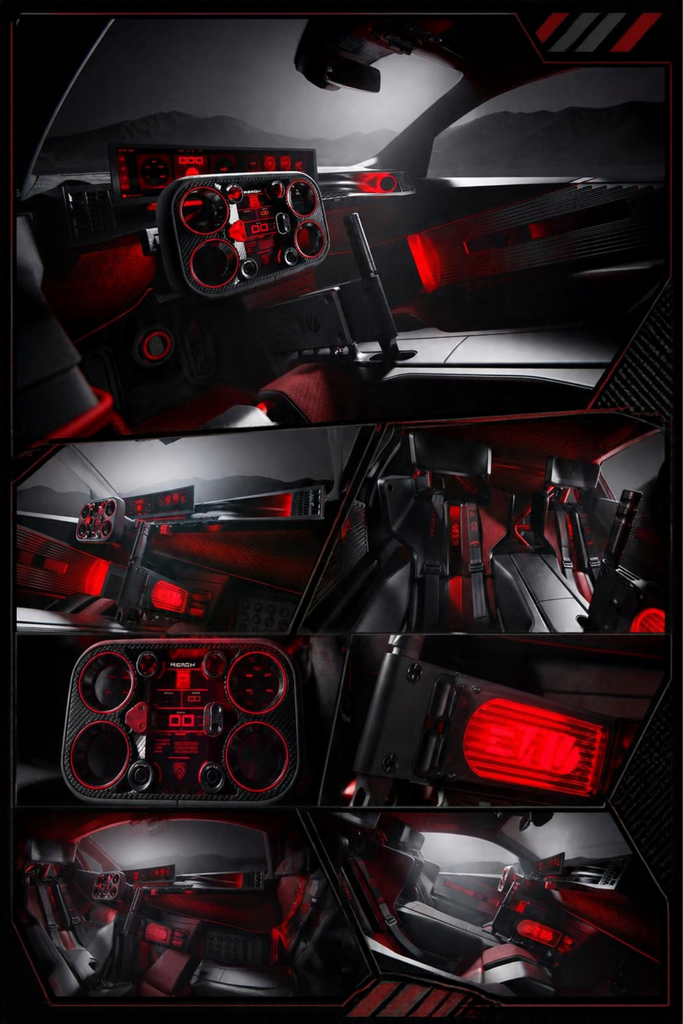
The cabin provides another indication of how Peugeot intends to develop its distinctive i-Cockpit layout.
A 21-inch curved display takes centre stage, positioned above the brand’s Hypersquare steer-by-wire control system. The concept version of the Hypersquare also incorporates a configurable screen within the steering interface, adding another digital element to the driver’s controls.
While the E-T16’s interior is clearly experimental, the combination of a large curved display and a redesigned steering interface suggests Peugeot is continuing to explore new ways of integrating vehicle information and driver controls.
It remains unclear which of these features will appear in the eventual production car, or whether they will be adapted to suit the requirements of a more conventional electric hatchback.
Will The Next Peugeot 208 Get A High-Performance Electric Version?
Peugeot has not confirmed a production version of the E-T16, nor has it announced a launch date for the next-generation 208. The concept should therefore be viewed as a design and engineering showcase rather than a preview of a confirmed 816hp road car.
Nevertheless, its unveiling comes as Peugeot continues to develop its electric performance offering. The recently introduced Peugeot E-208 GTi provides a more immediate example of the brand’s plans to combine electric power with its established hot-hatch identity. For drivers considering a current production model, CVC lists the Peugeot 208 GT Premium hybrid, offering a more conventional alternative to the all-electric concept.
For a broader look at the brand, read our Peugeot reliability survey for 2026, which examines how Peugeot compares on reliability.
The E-T16 takes that idea considerably further, demonstrating what might be possible with multiple electric motors, advanced torque management and a performance-oriented battery system. It also forms part of a wider period of concept-car development across Stellantis, with the group showcasing several future-focused designs at the 2026 Paris Motor Show.
Whether any of its more extreme engineering reaches a production 208 remains uncertain. Its design direction, however, offers an early indication of how Peugeot could distinguish its next electric small car from the current generation.
Peugeot is part of Stellantis, the automotive group whose portfolio includes brands such as Citroën, Fiat, Jeep and Vauxhall. Developments in Peugeot’s electric-car range therefore sit within a much broader push towards electrification across the group’s brands.
 Call our expert team on