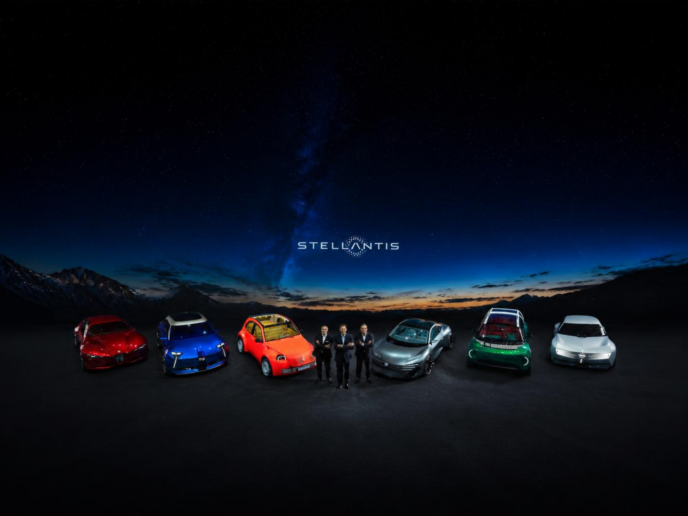
Stellantis has offered an early look at the future of six of its major automotive brands, unveiling a collection of concept cars at a special event in Paris ahead of the 2026 Paris Motor Show. The showcase, held at the historic Hangar Y on 11 October, brought together new design ideas from Alfa Romeo, Citroën, DS Automobiles, FIAT, Opel and PEUGEOT.
The concepts explore different approaches to future mobility, from affordable electric cars and adaptable family vehicles to performance-focused models and more advanced digital driving experiences. Although each vehicle reflects the character of its respective brand, the wider message is clear: Stellantis wants to combine distinctive design with practical innovation and greater choice for customers. The growing range of manufacturers and vehicle technologies is also changing the options available to UK motorists, as explored in our guide to More Choice, Greater Value: How the UK Vehicle Market Is Changing.
The latest concepts also arrive as competition across the UK car market continues to evolve, with international manufacturers expanding their presence and giving buyers more models and technologies to consider. Our article on Chinese car manufacturers strengthening their position in the UK automotive market explores another important part of this changing landscape.
The event, titled The Night Before, also provided a preview of the manufacturer’s wider presence at the Paris Motor Show, which runs from 12 to 18 October. Stellantis plans to display more than 60 vehicles across eight brands, with nine concept cars and six premieres forming part of its exhibition.
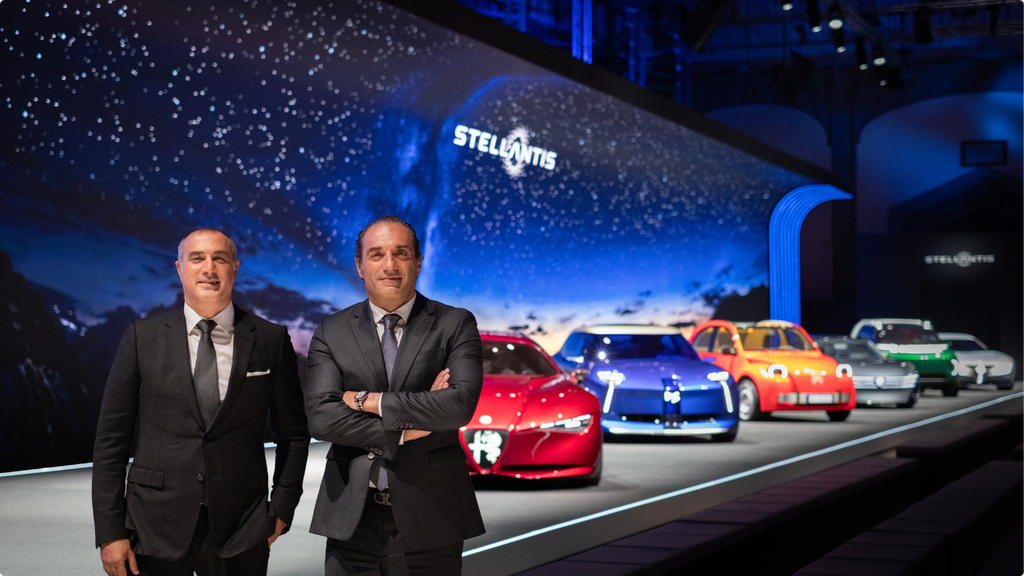
Antonio Filosa and Emanuele Cappellano
Stellantis Sets Out Its Vision For The Future
The six concepts have been developed under the direction of Gilles Vidal, Head of Design for Stellantis’ Enlarged Europe operations. Each takes a different route towards the future, reflecting the individual identity of its brand rather than applying a single design approach across the entire group.
Stellantis CEO Antonio Filosa said the showcase demonstrates how the company’s FaSTLAne 2030 strategy is being translated into new products, technology and design. The strategy places emphasis on its established automotive brands while giving customers more options as the market continues to evolve.
The company’s European operations also remain central to its plans. Emanuele Cappellano, Chief Operating Officer for Enlarged Europe, highlighted the importance of building on the heritage of its brands while developing vehicles for changing customer expectations.
Stellantis intends to introduce more than 50 products by 2030, with the aim of expanding its coverage of the Enlarged European market by 25%. The six concepts offer an indication of how design, electrification and different vehicle configurations could contribute to that ambition. As the vehicle market continues to evolve, businesses must also consider how their vehicle choices fit their operational requirements, budgets and longer-term fleet plans. Our guide to Business Car Leasing: The Complete Guide for Companies and Fleet Managers explains the options available to companies considering their next vehicles.
Alfa Romeo Cuorerosso: A Future Built Around Driving Enjoyment
The Alfa Romeo Cuorerosso concept focuses on the emotional side of driving, exploring how the Italian brand could retain its performance-led identity as its future model range develops.
The concept points towards vehicles spanning key market segments, with lengths of up to 4.7 metres and the possibility of high-performance Quadrifoglio derivatives. Rather than committing exclusively to one type of powertrain, the proposed direction allows for multiple energy technologies.
One potential configuration outlined for the concept combines a 2.9-litre V6 full-hybrid powertrain with Q4 all-wheel drive, a torque-converter transmission and a carbon-fibre driveshaft. This would represent an approach that brings electrification together with traditional performance engineering.
Understanding the differences between electric and hybrid powertrains can help motorists assess which technology best suits their driving requirements. Our guide to BEV, PHEV, HEV, and ICE Explained: What Do They Actually Mean? breaks down the main vehicle types and how they differ.
The Cuorerosso is therefore less about abandoning Alfa Romeo’s established character and more about exploring how that identity could carry forward into a changing automotive landscape.
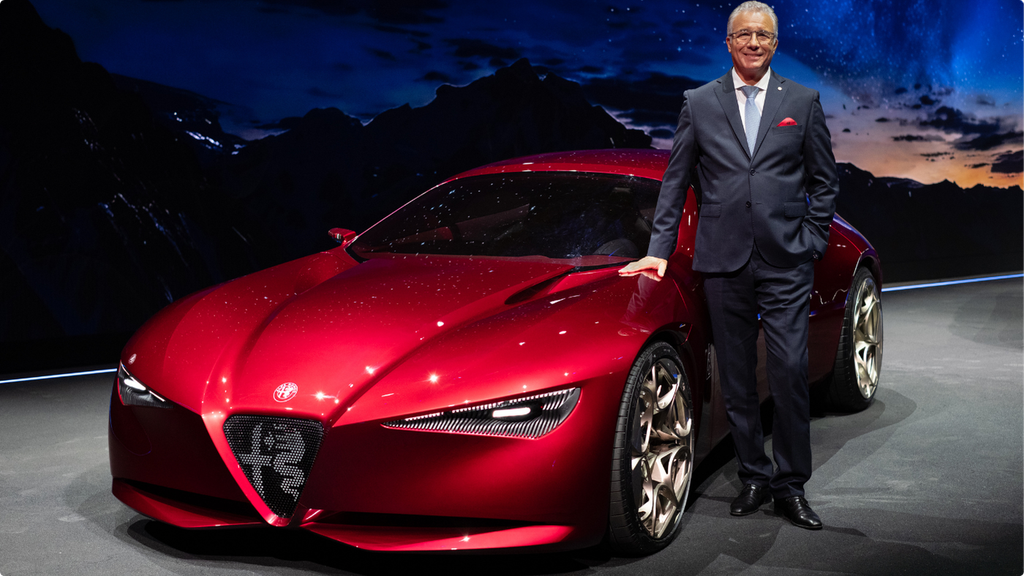
Santo Ficili
Citroën 2 CV Concept: Making Electric Mobility More Accessible
Citroën is drawing inspiration from one of its most recognisable historic models with the 2 CV Concept, but the aim is to reinterpret its original philosophy rather than simply reproduce its appearance.
The original 2 CV became known for its straightforward engineering, practicality and accessibility. The new concept applies those principles to modern electric mobility, with an emphasis on simplicity, everyday usability and affordability.
Citroën envisages a fully electric vehicle manufactured in Europe, with a potential price of around €15,000. If realised, that positioning would put the concept firmly in the conversation about making electric cars accessible to a wider range of motorists.
The project also reflects a broader challenge facing manufacturers: developing electric vehicles that appeal to customers who prioritise cost and practicality just as much as technology. For drivers considering the move to electric motoring, our guide to Why Now Is the Perfect Time to Lease an Electric Vehicle examines the potential advantages of leasing an EV and the factors worth considering before making the switch.
While the electric 2 CV remains a concept rather than a confirmed production or leasing model, motorists considering an electric car today can compare currently available options in our guide to the top 10 electric cars to lease in 2026.
However, the €15,000 figure relates to the concept’s stated ambition rather than a confirmed UK retail price or production model specification.
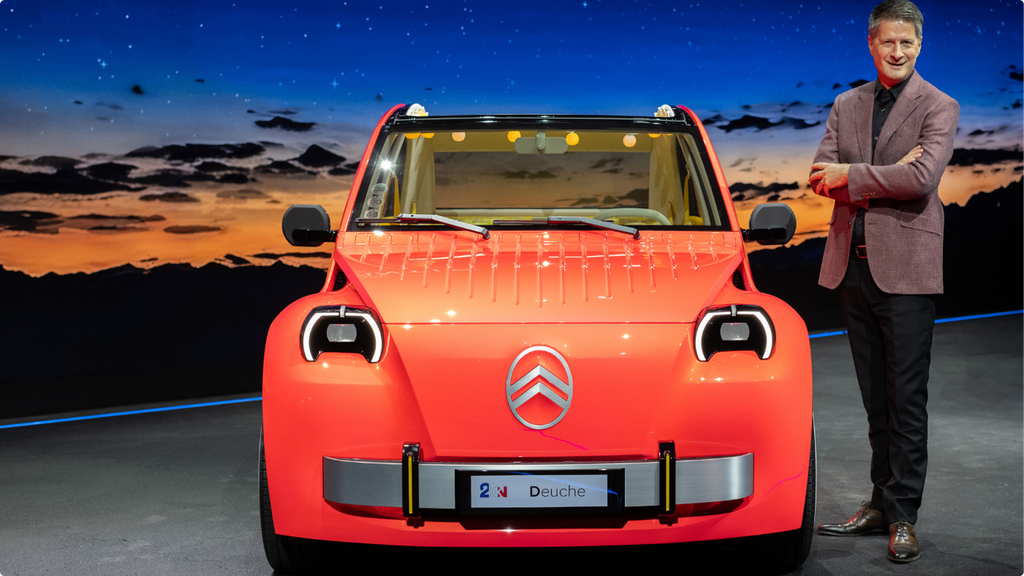
Xavier Chardon
DS Automobiles F3VER: Personalisation Takes Centre Stage
The DS F3VER explores how DS Automobiles could distinguish itself in the premium market through design, individual expression and versatility.
Its central themes are desirability, personalisation and adaptability. Rather than following conventional expectations of what a premium vehicle should look like or offer, the concept examines how these qualities could be brought together in a more distinctive package.
The emphasis on personalisation is particularly relevant as buyers increasingly look for products that reflect their preferences, while the focus on versatility suggests that visual appeal should work alongside the practical demands of everyday life.
For DS Automobiles, the F3VER represents a design-led statement of intent. It provides an indication of how the brand could develop its identity, combining a more individualistic appearance with a broader interpretation of premium motoring.
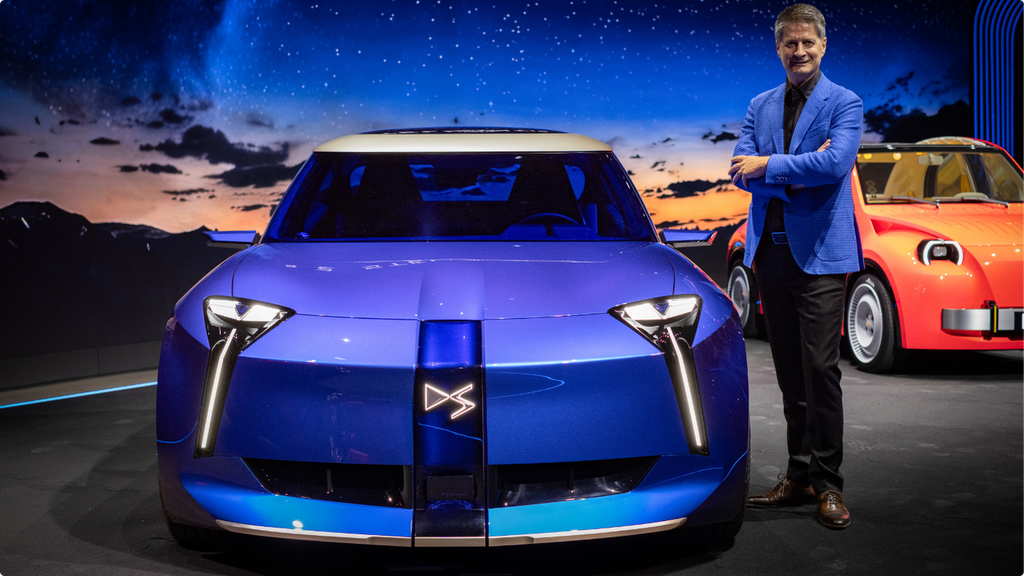
Xavier Chardon
FIAT Multiplay: One Vehicle, Multiple Possibilities
The FIAT Multiplay examines how a single vehicle could accommodate a wider variety of needs without being confined to a traditional automotive category.
Drawing inspiration from the original Multipla’s unconventional approach, the concept combines elements of a pickup truck with the comfort and flexibility associated with an SUV. Its configurable architecture is intended to adapt to different uses and lifestyles, placing flexibility at the heart of the design.
The idea reflects the changing expectations placed on family and lifestyle vehicles. Buyers may want the practicality of a load-carrying vehicle, the everyday convenience of an SUV and a cabin suited to passengers and shared journeys.
Rather than treating those requirements as separate choices, FIAT is exploring whether they can be addressed through a more adaptable design.
The Multiplay remains a concept, but its emphasis on accessibility, inclusiveness and versatility offers a glimpse of the thinking that could influence future FIAT models.
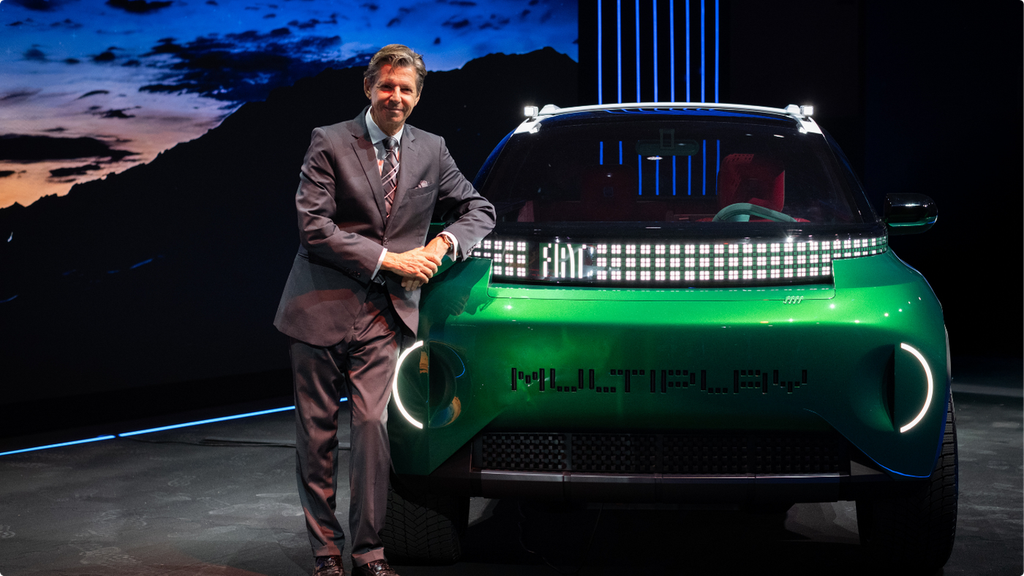
Olivier Francois
Opel STX Concept: A New Direction For Estate Cars
The Opel STX Concept previews the German brand’s thinking on the next generation of estate car design.
Its appearance is intended to be cleaner, bolder and more expressive, with several details providing clues to Opel’s future styling direction. These include an updated Opel Vizor lighting signature, animated lighting elements and a more prominent vertical Opel Compass motif.
The rear design is another key feature, with a clean, downward-sloping profile contributing to the concept’s overall shape.
Estate cars continue to offer an alternative for motorists who need a combination of passenger space and everyday practicality without necessarily moving into an SUV. The STX concept explores how that familiar format could evolve through more distinctive styling and contemporary lighting technology.
Importantly, Opel has indicated that elements of the design language will find their way into future production vehicles. The concept therefore provides more than a speculative design exercise, although individual features and final specifications will depend on the models that eventually reach the market.
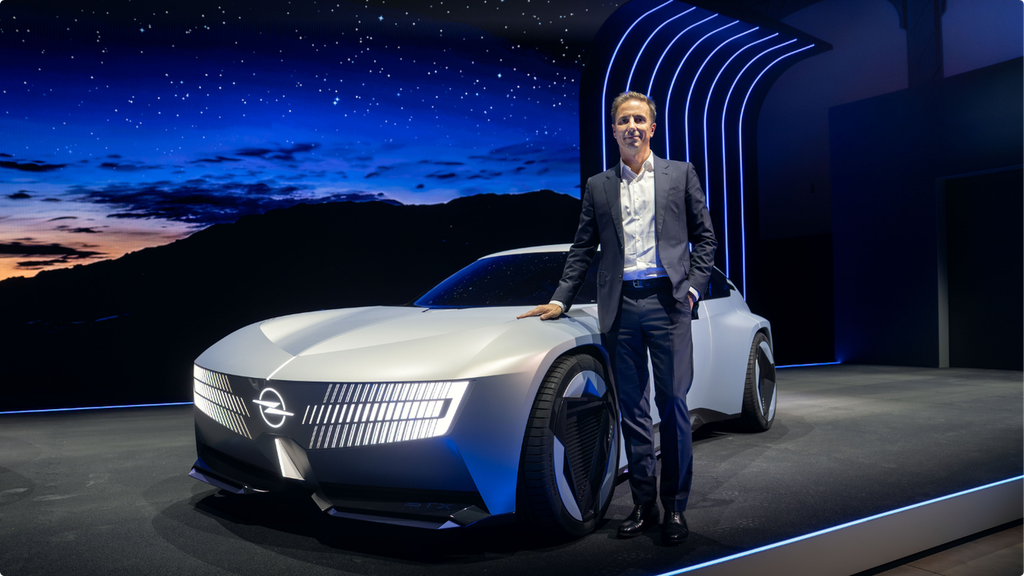
Florian Huettl
PEUGEOT RCZ Vision: Performance Meets Next-Generation Technology
The PEUGEOT RCZ Vision offers the brand’s latest interpretation of how performance, design and electric mobility could come together in future vehicles.
The concept draws on the RCZ name while presenting a forward-looking vision centred on driving enjoyment and advanced technology. It is based on an architecture derived from Stellantis’ STLA One platform and incorporates steer-by-wire technology, which replaces the conventional mechanical steering connection with an electronic system.
The concept also previews a new generation of PEUGEOT’s in-car experience. Two notable elements are the Hypersquare® control system and an all-new PEUGEOT i-Cockpit®, signalling a continued focus on rethinking the relationship between the driver, steering controls and vehicle displays.
Efficiency and performance are also central to the concept’s direction, with PEUGEOT presenting the RCZ Vision as an expression of its ambitions for high-performance electric mobility.
As with the other vehicles revealed in Paris, the RCZ Vision should be viewed as a statement of future design and engineering intentions rather than confirmation of a production model’s final equipment or performance figures.
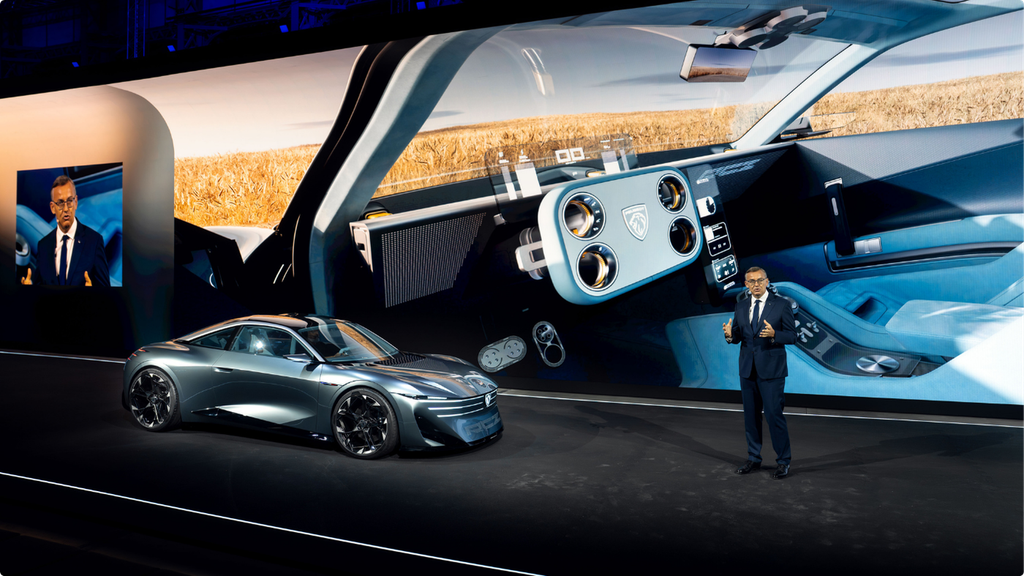
Alain Favey
 Call our expert team on