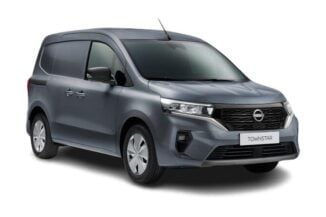
Fleet planning and leasing can help UK businesses choose the right vehicles, manage costs and prepare for changing operational demands. Whether you need to replace a handful of vans, expand a company car fleet or coordinate a mixed fleet of cars and commercial vehicles, having a clear plan can make the process easier to manage.
Commercial Vehicle Contracts (CVC) helps businesses explore vehicle leasing options suited to their requirements, budgets and working practices. From selecting appropriate vehicles to considering contract structures and maintenance requirements, effective fleet planning starts with understanding how your business operates today and what it will need in the future.

What Is Fleet Planning & Leasing?
Fleet planning is the process of assessing, organising and managing the vehicles a business needs to operate efficiently. It involves looking at how vehicles are used, how many are required, the distances they cover, their operating costs and when they should be replaced.
Fleet leasing provides a way to acquire vehicles through an agreed contract rather than purchasing them outright. Businesses can select vehicles and contract terms that suit their circumstances, helping them plan for regular payments and future vehicle replacement.
Together, fleet planning and leasing allow businesses to take a more structured approach to their vehicles. Rather than arranging replacements individually whenever a vehicle becomes unsuitable, businesses can plan ahead, coordinate delivery dates and consider how each vehicle fits into their wider operations.
A fleet does not have to consist of dozens or hundreds of vehicles. Smaller businesses with a few company cars or working vans can benefit from the same approach, particularly when vehicle availability, running costs and operational reliability are important.

How Fleet Leasing Works
A successful fleet leasing arrangement begins with understanding your business requirements. The process can be broken down into five stages.
1. Assess Your Fleet Requirements
Start by reviewing your existing vehicles and identifying what your business needs. Consider the number of vehicles required, their intended use, annual mileage, payload or passenger capacity, journey types and expected replacement dates.
For example, a business operating across several sites might need practical commercial vehicles for transporting equipment, while a sales team may require economical cars suited to regular business travel.
2. Choose Suitable Vehicles
Once your requirements are clear, compare vehicles based on their suitability for the work involved, not just their purchase price or monthly rental.
Consider load space, payload, fuel economy, electric driving range, charging access, safety features and driver comfort. If your business operates different types of vehicles, a mixed fleet may provide a more suitable solution than standardising on one model.
Explore CVC’s van leasing options and car leasing options to compare vehicles for different business needs.
3. Compare Leasing Agreements
The next step is to establish which acquisition method and contract structure best suit your business.
Common options include:
- Contract Hire: Lease a vehicle for an agreed period and mileage, then normally return it at the end of the contract, subject to the agreement’s conditions.
- Finance Lease: Finance a vehicle through a lease arrangement, with the business retaining responsibility for its use and associated obligations under the agreement.
- Hire Purchase: Pay for a vehicle through instalments, with ownership transferring once the agreement’s conditions have been met.
- Lease Purchase: Finance a vehicle through an agreed payment structure that typically includes a final payment if the business intends to acquire it.
The right option depends on your financial priorities, ownership objectives and appetite for managing vehicle disposal. Review the initial payment, monthly rentals, mileage allowance, maintenance arrangements and end-of-contract conditions before making a decision.
Compare Business Contract Hire, Finance Lease, Lease Purchase and Hire Purchase to understand the differences between the available arrangements.
4. Arrange Delivery and Implementation
Once the vehicles and agreements have been agreed, delivery dates can be coordinated around your operational requirements. This is particularly important when replacing several vehicles, as delays or overlapping contracts can affect business continuity.
Consider how vehicles will be allocated to drivers, whether charging or parking facilities are needed, and whether any additional equipment or conversions must be arranged before the vehicles enter service.
Before arranging delivery, businesses can review our vehicle leasing process to understand the steps involved from selecting a vehicle to taking delivery.
5. Review Your Fleet Over Time
Fleet planning should continue after delivery. Monitor mileage, vehicle condition, utilisation and operating costs to understand whether your current arrangements remain appropriate.
Reviewing this information before contracts expire can give you more time to compare replacements, adjust vehicle specifications and plan for future requirements without leaving decisions until the last minute.
Our guide to fleet lifecycle management explains how a structured approach to vehicle replacement can support longer-term fleet planning.

Benefits of Fleet Planning & Leasing
A structured approach to fleet planning can help businesses make more informed decisions about their vehicles and future expenditure.
- Greater cost visibility: Agreed lease rentals can make vehicle expenditure easier to forecast. Remember to account for insurance, fuel or electricity, maintenance where applicable, and other operating costs.
- Better vehicle selection: Matching specifications to actual working requirements can help avoid paying for unnecessary features or choosing vehicles that are unsuitable for the job.
- More organised replacements: Planning around contract end dates helps businesses prepare for renewals, arrange deliveries and reduce the risk of avoidable disruption.
- Flexibility as your business changes: Vehicle numbers, specifications and powertrains can be reviewed as staffing levels, contracts and operating requirements evolve, subject to availability and suitable new agreements.
- Access to newer vehicles: Leasing can provide access to current models without requiring the full purchase price upfront, depending on the agreement.
- Maintenance planning: Maintenance-inclusive contracts can help businesses budget for eligible routine servicing and repairs, although exclusions and responsibilities vary by agreement.
- Support for fleet electrification: Reviewing routes, mileage and charging facilities can help identify where electric cars or vans may be suitable, rather than making assumptions based on headline range figures alone.
When comparing maintenance arrangements, our guide to vehicle maintenance explains the importance of keeping vehicles properly serviced and maintained.
The benefits will depend on your fleet size, vehicle usage, contract terms and the way your business manages its vehicles. Comparing the whole-life cost of different options is more useful than focusing on monthly rentals alone.
For a closer look at operating expenses, read our guide to the cost of running a van.

Fleet Planning: Leasing vs Buying
Leasing and buying can both be appropriate ways to provide vehicles for your business. The best choice depends on how long you intend to keep each vehicle, how predictable your mileage is and whether ownership is a priority.
| Consideration | Leasing | Buying |
|---|---|---|
| Initial expenditure | Often lower than purchasing outright, depending on the agreement | May require substantial upfront capital or finance |
| Monthly budgeting | Contract rentals can make expenditure more predictable | Finance payments, if applicable, plus ownership costs |
| Vehicle replacement | Can be planned around contract end dates | The business decides when to sell or replace the vehicle |
| Ownership | Depends on the finance agreement; Contract Hire does not normally transfer ownership | The business owns the vehicle outright or once finance obligations are met |
| Mileage and condition | Contract conditions may apply, including excess mileage and return standards | No lease-return conditions, although wear, repairs and resale value remain relevant |
| Disposal | Usually handled through the agreed return process for Contract Hire | The business is responsible for selling or disposing of the vehicle |
Leasing does not automatically cost less than buying. Businesses should compare the total cost over the intended period, including finance costs, maintenance, depreciation where applicable, and any end-of-contract charges. VAT treatment can also affect the overall cost, so businesses should consider whether they can recover VAT on their vehicle leases. Our guide to reclaiming VAT on a business van or car lease explains the key considerations, including why VAT recovery depends on the vehicle, how it is used and the applicable rules. When comparing quotations, businesses can also review CVC’s Price Match Promise for further information about our approach to competitive pricing.
Before returning a leased vehicle, businesses should understand the applicable condition standards and potential charges. Read our van leasing fair wear and tear guide for more information.
For businesses prioritising predictable replacement cycles and access to newer vehicles, leasing may be attractive. Buying may suit businesses that want to retain vehicles for longer or require greater control over their eventual disposal.
Read our guide on whether to buy or lease a van for your business for further considerations.
Choosing the Right Fleet Lease Company
Choosing a fleet lease company involves more than comparing headline prices. You need a provider that understands your operational requirements and can help you identify appropriate vehicles and agreements.
Before committing, consider the following.
- Experience and credibility: Look for an established provider with relevant industry experience, appropriate regulatory status and recognised industry membership where applicable.
- Vehicle choice: Check whether the provider can source the cars, vans and other eligible vehicles your business needs, including different fuel types and specifications.
- Clear pricing: Understand the initial payment, monthly rentals, documentation fees, mileage limits, maintenance arrangements and possible additional charges.
- Contract flexibility: Ask what happens if your mileage requirements change, your business grows or you need to adjust your replacement schedule. Changes will depend on the agreement and may incur costs.
- Ongoing support: Establish who will help with vehicle selection, delivery arrangements, contract queries and replacement planning.
- Transparent communication: Make sure the provider explains the differences between leasing products and sets out your responsibilities before you sign.
Before applying, businesses should also review the vehicle leasing eligibility requirements to understand the criteria that may affect an application.
Ask potential providers how they would approach your particular situation. For example, if several vans are approaching the end of their contracts, can they help you compare replacement options and coordinate deliveries? If your business is considering electric vehicles, can they help you assess suitable models against your routes and charging arrangements?
A suitable partner should help you understand the options available rather than simply recommend the cheapest monthly rental.
Commercial Vehicle Contracts offers businesses a range of vehicle leasing options alongside its one-stop fleet solutions, helping customers explore their requirements through a single leasing partner.
Our Fleet Planning & Leasing Solutions
Commercial Vehicle Contracts provides vehicle leasing solutions for UK businesses, helping customers compare vehicles and finance options against their individual requirements.
With more than 25 years of experience in the vehicle leasing industry, CVC offers an independent brokerage service, supported by membership of the British Vehicle Rental and Leasing Association (BVRLA) and Financial Conduct Authority authorisation and regulation.
Our approach starts with understanding what you need your vehicles to do. Whether you operate a small business fleet or are planning a larger replacement programme, we can help you explore suitable vehicles and leasing arrangements.
Our solutions include:
- Business car leasing: Explore vehicles for company directors, sales teams, business travel and employee requirements. Businesses reviewing cars for company use can read our business car leasing guide for further information about the available options.
- Commercial van leasing: Compare vans with different load capacities, body styles and specifications to suit your work.
- Electric and hybrid vehicles: Consider electric, plug-in hybrid and other powertrain options where they fit your driving patterns and operating requirements.
- Different finance arrangements: Compare Contract Hire, Finance Lease, Hire Purchase and other available acquisition options.
- Maintenance options: Consider whether including maintenance in your lease arrangement is appropriate for your business and expected vehicle usage.
- Specialist vehicle requirements: Discuss whether conversions, additional equipment or other vehicle modifications are needed for your operations.
Businesses seeking a more coordinated approach can explore our fleet management solutions. For commercial vehicle requirements, our fleet van leasing options provide another starting point for reviewing suitable vehicles.
If your business is considering electric vehicles, it’s also worth assessing workplace charging, journey requirements and access to suitable charging facilities. Our guide to how EV charging works for businesses explains some of the practical considerations.
The aim is to help you make informed decisions about your vehicles, with options that reflect your budget, operational demands and plans for the future.
Fleet Planning Checklist
Before requesting a fleet leasing quotation, gather the information below. It will help you compare suitable vehicles and agreements more effectively.
- Current fleet: How many vehicles do you operate, and what are their ages, mileages and contract end dates?
- Business requirements: What work does each vehicle need to perform? Consider payload, load space, passenger capacity and specialist equipment.
- Mileage: Estimate annual mileage and identify any significant differences between vehicles.
- Budget: Establish your preferred initial payment, monthly rental budget and wider operating-cost allowance.
- Replacement schedule: Decide when vehicles need to be delivered and whether several replacements should be coordinated.
- Maintenance: Review servicing requirements, repair costs and whether maintenance-inclusive leasing is appropriate.
- Powertrain and charging: Assess whether petrol, diesel, hybrid or electric vehicles best suit each role.
- Contract preferences: Consider the intended contract length, ownership objectives and end-of-contract responsibilities.
Choosing the right mileage allowance is particularly important when arranging a lease. Our guide to vehicle leasing mileage allowances explains what to consider, while our information on excess mileage charges covers a potential additional cost at the end of an agreement.
Use this checklist as a starting point rather than a fixed specification. Your requirements may change as your business develops.

Frequently Asked Questions About Fleet Planning & Leasing
Fleet leasing allows a business to obtain vehicles through contractual arrangements rather than necessarily purchasing them outright. It can cover multiple vehicles and may be organised around the business’s operational requirements, budget and replacement plans.
Yes. Fleet leasing is not limited to large organisations with dedicated fleet managers. Smaller businesses can explore leasing for company cars, working vans or a combination of vehicles, subject to the provider’s eligibility and finance criteria.
Contract lengths vary by vehicle, funder and finance product. The appropriate term depends on factors such as expected mileage, how long the vehicle will remain suitable for the job and when you want to replace it. Check the available terms when requesting a quotation.
Not necessarily. Some agreements include maintenance, while others leave servicing, repairs and associated costs to the customer. Check exactly what is covered, including exclusions, wear items and any limits that apply.
Yes. A business can explore a mixed fleet of cars and vans, potentially with different specifications, mileage allowances and contract terms to reflect each vehicle’s role. Availability and finance approval will depend on the individual agreements.
The outcome depends on the finance agreement. Under Contract Hire, the vehicle is normally returned in accordance with the contract’s mileage, condition and return requirements. Other finance arrangements may offer different end-of-agreement options and responsibilities.
Costs depend on the vehicles selected, contract length, annual mileage, initial payment, any extras, maintenance provision and other contractual factors. Request a quotation based on your actual requirements and compare the overall cost, rather than monthly rentals in isolation.
 Call our expert team on