Electric vehicles have transformed the driving experience. As fully electric vehicles become increasingly common, understanding how they differ from other powertrain types is becoming more important for drivers and businesses. They are quiet, responsive and capable of delivering instant acceleration, while lower running costs and growing availability have made them increasingly attractive.
However, there is one potential downside that some passengers say they have noticed: motion sickness.
While plenty of EV owners and passengers experience no problems at all, some people report feeling more nauseous when travelling in an electric car than they did in a conventional petrol or diesel vehicle.
So, why might an electric vehicle make some passengers feel travel sick?
The answer could be linked to several differences between an EV and a conventional car, including the way an electric vehicle accelerates, regenerative braking, reduced engine noise and the different sensory information passengers receive while travelling.
Importantly, research into a possible connection between EVs and motion sickness is still developing. There is not currently enough evidence to suggest that electric vehicles universally cause more travel sickness.
What Causes Motion Sickness?
Motion sickness occurs when the different signals our brains receive about movement do not quite agree with each other.
Our eyes, inner ear and body all provide information about what is happening around us. When those signals conflict, the brain can struggle to interpret the movement correctly.
For example, if you are sitting in a moving vehicle while looking down at a phone, your eyes are focused on something that appears stationary while your inner ear is detecting acceleration, braking and changes in direction.
That mismatch can result in familiar symptoms such as:
- Nausea
- Dizziness
- Sweating
- Headaches
- Feeling generally unwell
- Vomiting in more severe cases
This can happen in any type of vehicle, but researchers are investigating whether some characteristics of electric vehicles could make the problem more noticeable for certain passengers.

Why Could Electric Cars Affect Motion Sickness?
There are several possible explanations, although none should currently be regarded as a definitive answer.
EVs Are Much Quieter
One of the most obvious differences between an electric vehicle and a petrol or diesel car is the amount of noise and vibration produced.
A conventional combustion engine produces a combination of sounds and vibrations that passengers have become accustomed to over many years of travelling in cars.
Those sounds can provide subtle information about what the vehicle is doing.
In an EV, much of this feedback disappears. There is no traditional engine note rising as the vehicle accelerates and significantly less vibration coming through the car.
For most passengers, this is one of the attractions of an electric vehicle.
For some people, however, the reduction in these familiar sensory cues could potentially make it harder for the brain to anticipate changes in movement.
Instant Acceleration Can Feel Different
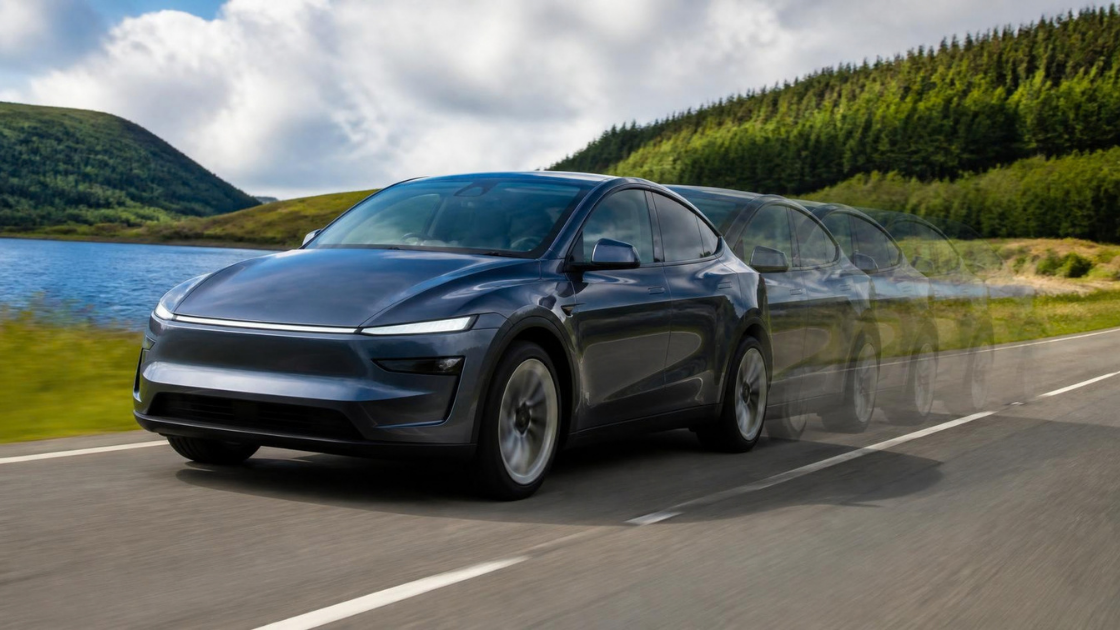
Electric motors can deliver their available torque almost immediately, giving many EVs a very responsive feel when the accelerator is pressed. This is one of the key differences drivers may notice when comparing an electric vehicle with a conventional automatic car.
That can be particularly noticeable to passengers who are used to the more gradual response of a conventional petrol or diesel vehicle.
A driver who accelerates firmly can therefore produce a noticeably different sensation for passengers.
Modern EVs increasingly use software to manage how quickly power is delivered, and many models offer different driving modes that can alter the character of the vehicle.
Nevertheless, the way an EV responds to the accelerator can still take some getting used to.
Regenerative Braking May Play A Part
Regenerative braking is another major difference between many electric vehicles and conventional cars.
When the driver lifts off the accelerator, the electric motor can operate in reverse as a generator. This creates resistance and slows the vehicle while recovering some energy and sending it back to the battery.
It is one of the key technologies that helps EVs make efficient use of energy.
However, stronger regenerative braking can also produce noticeable deceleration as soon as the accelerator is released.
If the driver repeatedly lifts off and reapplies the accelerator in busy traffic, passengers may experience a series of small changes in speed.
For somebody who is particularly susceptible to motion sickness, these repeated movements could potentially contribute to feeling unwell.
Some electric vehicles allow the driver to adjust the strength of regenerative braking, while others provide different driving modes designed to make acceleration and deceleration feel smoother.
Is Driving Style More Important Than The Vehicle?
It may be.
Not everyone who travels in an electric vehicle experiences motion sickness, and some passengers actually find EVs more comfortable than conventional cars.
This means that the vehicle itself is unlikely to be the only factor.
The way a car is driven can have a considerable influence.
Sudden acceleration, heavy braking, frequent changes in speed and aggressive cornering can all make passengers more susceptible to feeling sick, regardless of whether the vehicle is electric, petrol or diesel.
An EV may simply make some of these characteristics more noticeable because of its instant power delivery and regenerative braking.
For businesses running electric cars or vans, this is worth remembering. Driver wellbeing is an important consideration for any business operating vehicles, particularly where employees spend significant amounts of time on the road. A smooth driving style can improve the experience for passengers and may also contribute to more efficient driving.
Why Are Some People More Susceptible?
Motion sickness varies significantly from person to person.
Some people can spend hours travelling without experiencing any problems, while others can start feeling unwell within minutes.
Children are particularly susceptible, with motion sickness generally becoming less common as people get older.
Some people are more susceptible to motion sickness than others, with factors including age, individual sensitivity and previous experience playing a role.
There is also a genetic component, meaning that some people are naturally more likely to experience the condition than others.
This helps explain why an electric vehicle can be perfectly comfortable for one passenger while causing another to feel extremely nauseous.
What Can You Do If An EV Makes You Feel Sick?
If you regularly experience motion sickness as an EV passenger, there are several simple measures that may help.
Look Ahead
Try to look through the windscreen rather than down at a phone, tablet or book.
Seeing the road and the vehicle’s movement can help your visual system receive information that is more consistent with what your inner ear is detecting.
Choose The Front Passenger Seat
If possible, sitting in the front passenger seat can make it easier to see the road ahead.
Passengers travelling in the back can have a more restricted view, which may make it harder for the brain to reconcile what the eyes and inner ear are experiencing.
If you have to sit in the rear, choosing a position where you can see forwards may help.
Keep Your Head Still
Try to keep your head supported against the headrest rather than allowing it to move around with the vehicle.
Reducing unnecessary head movement may help minimise some of the sensations associated with motion sickness.
Get Some Fresh Air
Opening a window and allowing fresh air into the vehicle may help if you start to feel uncomfortable.
It can also be useful to avoid overheating the cabin.
Take Regular Breaks
On longer journeys, stopping periodically and getting out of the vehicle can give you an opportunity to recover before continuing.
This can be particularly useful if you already know that you are susceptible to travel sickness.
Consider Your Food And Drink
Before a long journey, staying hydrated and avoiding particularly heavy or greasy meals may help reduce the likelihood of feeling unwell.
Getting enough sleep before travelling may also make a difference.
Travel sickness medication is another option for some people, although certain medicines can cause drowsiness. Anyone considering medication should follow the instructions provided and seek appropriate medical advice if necessary.
Can Electric Vehicles Be Designed To Reduce Motion Sickness?
Potentially.
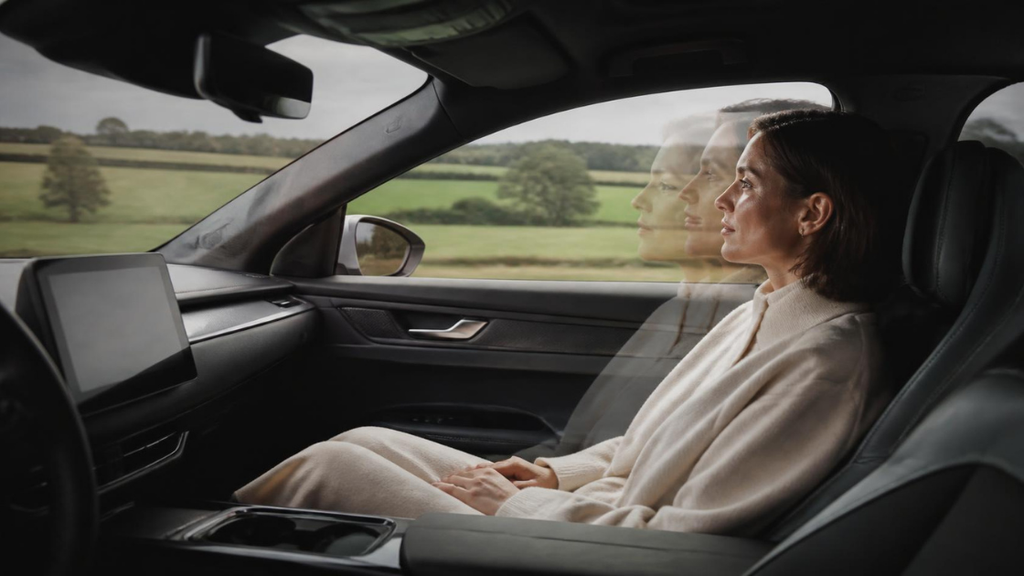
As manufacturers continue developing EVs, they have opportunities to make the driving experience smoother and more predictable for both drivers and passengers.
Software can be used to manage acceleration and reduce abrupt changes in speed. Regenerative braking can also be adjusted on some vehicles to provide a more progressive response.
There has also been discussion around using additional sensory information inside vehicles, such as carefully designed sounds or subtle vibrations, to provide passengers with greater awareness of the vehicle’s movement.
These developments could become increasingly relevant as electric vehicles become more widespread.
Does This Mean Electric Cars Cause More Motion Sickness?
Not necessarily.
This is an important distinction.
There are reports from passengers who feel more travel sick in EVs, and researchers are investigating whether characteristics such as quiet operation, instant acceleration and regenerative braking could contribute.
However, there is not currently sufficient evidence to conclude that electric vehicles generally cause more motion sickness than petrol or diesel cars.
Individual sensitivity, driving style, road conditions, seating position and the characteristics of the particular vehicle can all influence how a passenger feels. For drivers considering switching to an electric vehicle, understanding these differences can help them choose a model and driving setup that suits their needs.
For many people, an EV will simply provide a quieter and smoother journey.
Electric Vehicles Are Becoming A Bigger Part Of UK Motoring
Whatever the impact on motion sickness, the number of electric vehicles on UK roads continues to grow.
The UK is also moving towards a future where electric cars will make up an increasingly significant proportion of new vehicle registrations.
For businesses, this means that electric cars and vans are becoming an increasingly important consideration when reviewing their fleets. That means looking beyond the vehicle itself and considering factors such as charging, daily mileage, driver requirements and how the vehicle will be used.
For most drivers, the advantages of EVs remain compelling, including lower energy costs, quiet operation and smooth performance. However, understanding how an electric vehicle feels from the passenger seat is also worthwhile, particularly for businesses that regularly transport employees, customers or other passengers.
If somebody in your business is particularly susceptible to motion sickness, it may be worth considering the way different EVs deliver their power and regenerative braking rather than assuming every electric vehicle will feel the same.

 Call our expert team on